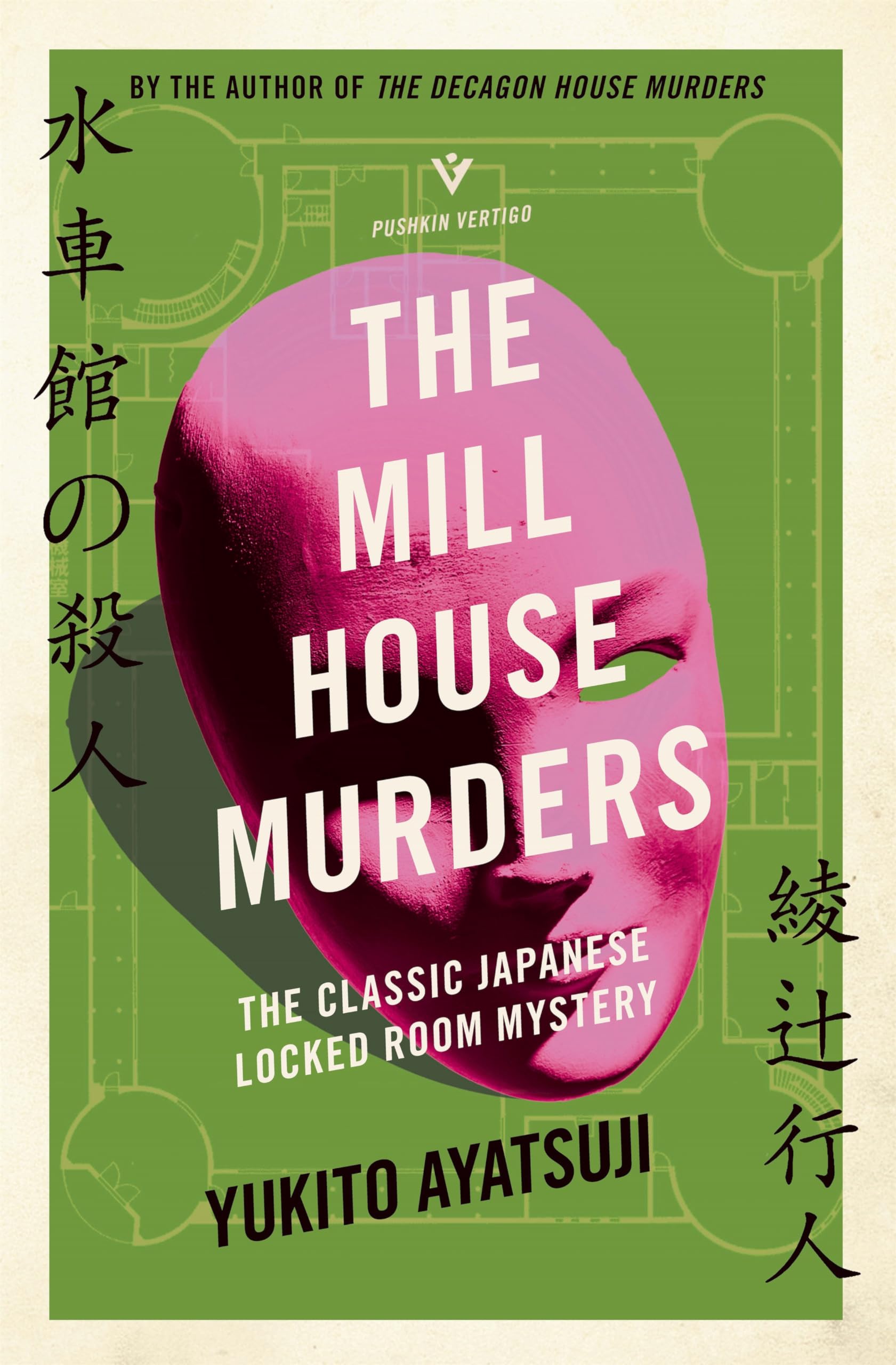
The Mill House Murders by Yukito Ayatsuji

Translated by Ho-Ling Wong

This is the third of Japanese author Yukito Ayatsuji’s books I’ve read – I loved The Labyrinth House Murders but found The Decagon House Murders disappointing, so I was curious to see what I would think of this one. All three books are part of Ayatsuji’s Bizarre House series and all of them feature the detective Shimada Kiyoshi and an unusual, sinister house designed by the architect Nakamura Seiji. The Mill House Murders was originally published in Japanese in 1988 and is available from Pushkin Press in an English translation.

This book is set entirely within the walls of the Mill House which, like the Decagon House and Labyrinth House, is one of Nakamura’s creations. It’s home to Fujinuma Kiichi, who sustained terrible injuries in a car accident several years earlier and is now confined to a wheelchair, with a mask and gloves covering the damage to his face and hands. Kiichi is the son of the late artist Fujinuma Issei, and although he normally lives a reclusive life with his wife, Yurie, and their servants, once a year he invites a group of acquaintances to the house to look at his father’s paintings.

In September 1985, the group are making their annual visit when several shocking events occur, all in the space of one night: a woman falls to her death from the tower, one of Issei’s paintings vanishes, one of the guests disappears without explanation and a gruesome discovery is made in the furnace room. A solution is suggested by the police, but it’s not very satisfactory and lots of questions remain unanswered. A year later, in September 1986, the same people have gathered at the Mill House again and this time they are joined by Shimada Kiyoshi, a friend of the man who disappeared (and was largely blamed for everything that happened). Shimada believes he can find out the truth about the events of 1985, but he’ll have to hurry before history begins to repeat itself.

The Mill House Murders is another Ayatsuji novel that I thoroughly enjoyed, so it does seem that it’s only The Decagon House that, for whatever reason, didn’t work for me and I’m glad I decided to give him another chance! Although I often find that Japanese mysteries focus very heavily on complex puzzle solving, often involving alibis, timetables and maps, with characters, relationships and motives pushed into the background, this particular book is more balanced. It does have some floor plans, but I was pleased to find that I could follow the plot quite easily without having to study them too carefully, and the characterisation is stronger than in the Decagon and Labyrinth books.

The timeline switches backwards and forwards throughout the book, with one chapter describing the events of 1985 and the next set in the present day of 1986. This could have become confusing, but as long as I paid attention to the chapter headings, I had no problem keeping them straight in my mind. The mystery itself is a clever one; I partly managed to solve it (mainly because some of Seishi Yokomizo’s novels have similar tropes), but I didn’t get it completely right and was content to let Shimada Kiyoshi, the series detective, explain the full solution for me.

The translator, Ho-Ling Wong, also translated the other books I’ve read in this series and does a great job of making everything very clear and readable. I see there’s a fourth book in the series already in print – The Clock House Murders – and another, The Black Cat House Murders, on its way. I’ll look forward to reading both!

My Commonplace Book: March 2026

A selection of quotes and pictures to represent March’s reading:

commonplace book
noun
a book into which notable extracts from other works are copied for personal use.

~

“One of the difficulties of mankind is that they have the vice of inventiveness. It would be an easier world for dragons if this were not so, or if it could be kept within bounds, used for the better working of gold, setting of jewels, or such trading activities as bringing treasure from far countries within reach of dragons.”

Travel Light by Naomi Mitchison (1952)

~

For a moment, standing beneath the wide skies and the vista of fields and ancient hedgerows exactly the same as they had been centuries before, she had no longer been in the present day, instead caught up in the turmoil her ancestors had lived through. Love longed for, and love lost. With her feet placed firmly in both times, Paige was able to feel the heartache and anger in both.

The Alchemist’s Secret by Clare Marchant (2026)

~

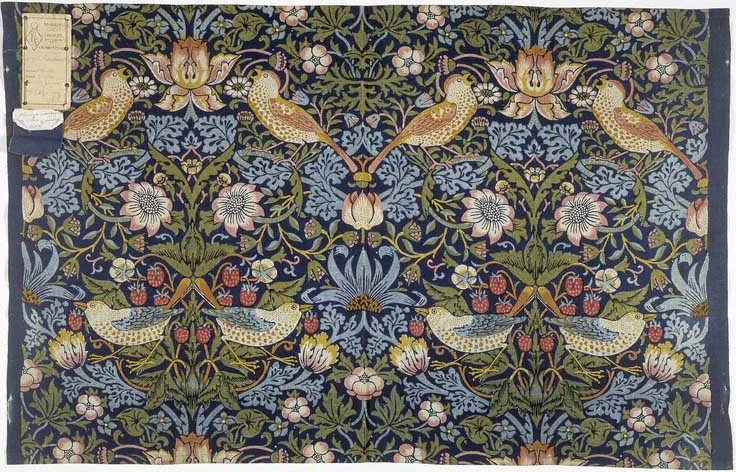
“Strawberry Thief”, 1883, William Morris

‘Everyone is an artist deep down inside; people are creative by their very nature. That’s something Lionel hates to admit because he likes to think he’s special, but I think if we can open up art to everyone that can only be a good thing.’

The Strawberry House by Rachel Burton (2026)

~

You had so many ways of deciding which way to live your life. It made his head spin to think of them. It hurt his heart to think that he had decided on the wrong way.

A thing seemed important until there was something more important.

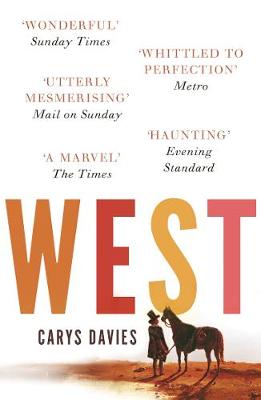
West by Carys Davies (2018)

~

‘To be able to love is a luxury,’ he said. ‘That’s why it is always balanced exactly with loss. It is another of life’s great justices.’

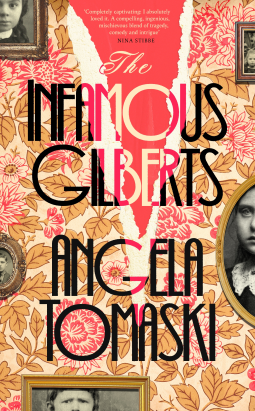
The Infamous Gilberts by Angela Tomaski (2026)

~

‘You know as well as I do that the world is in a mess and floundering deeper every day. We have only a precarious hold on the forces we do liberate – and problems that we ought to be trying to solve, we neglect.’

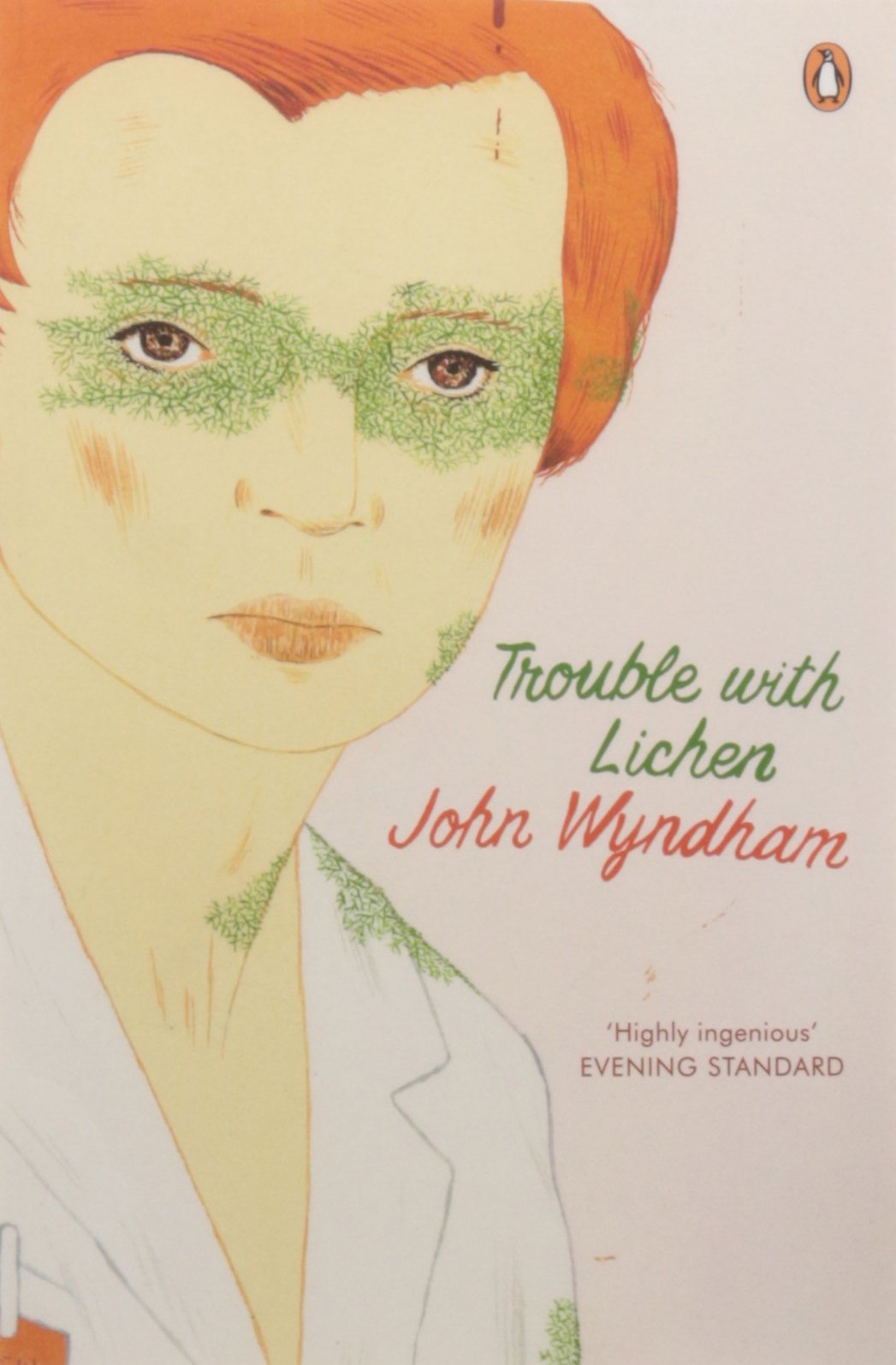
Trouble with Lichen by John Wyndham (1960)

~

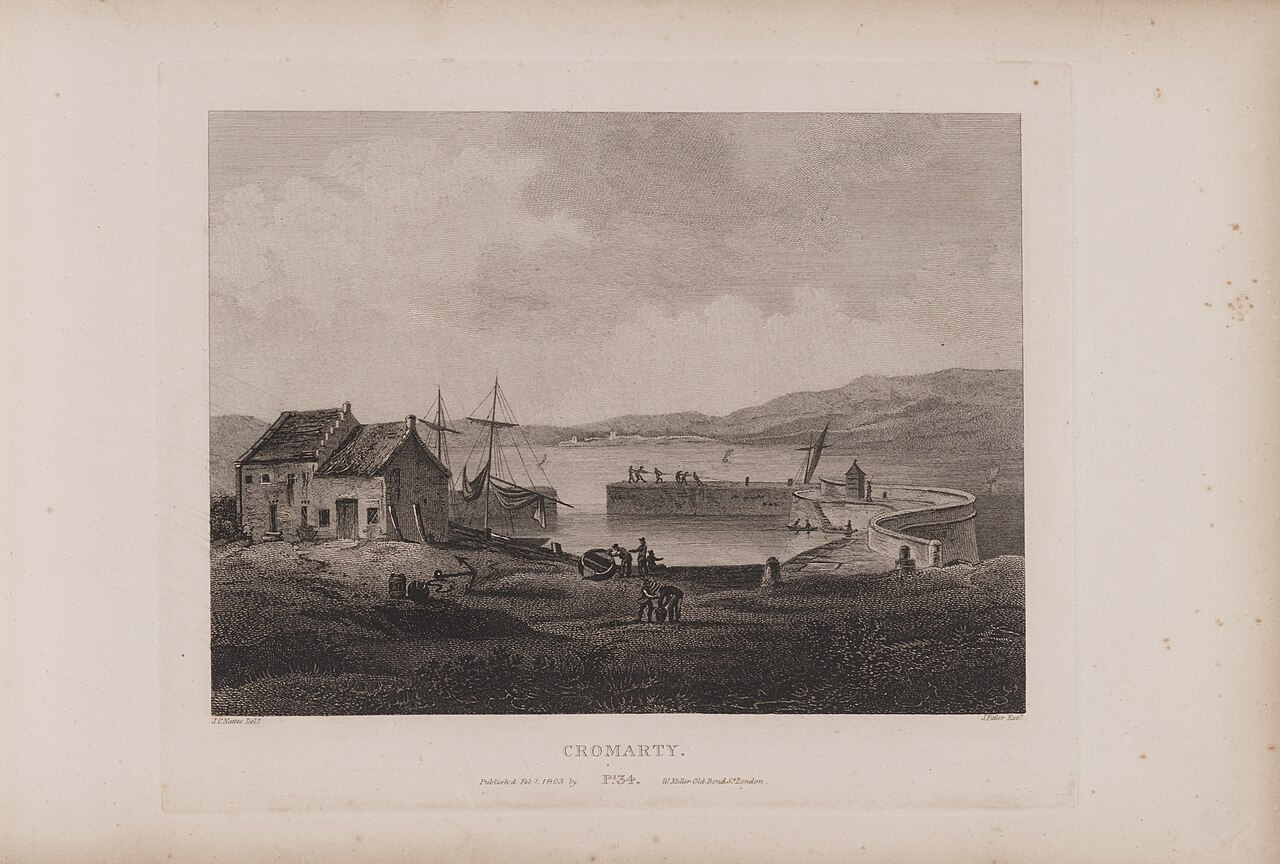
Etching of Cromarty by James Fittler, 1804

‘I think Miss Juniper would acknowledge we do these young women a better service by forewarning them of what awaits them in the world they will soon set out in than by leaving them ignorant of it and allowing them to be guided only by novels. There is a class of people amongst whom they will move that do not always face the justice they should, and it is important they understand that.’

The Cromarty Library Circle by Shona MacLean (2026)

~

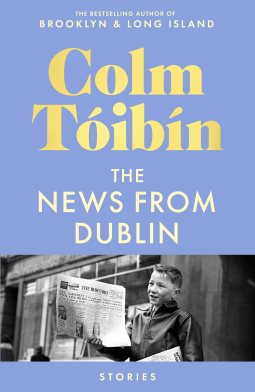
Yes, she thought, going to war had solved so much, it had left things in abeyance, it had meant that all discussion had been postponed, it had made compromise impossible, but in solving what it did, it had solved too much. It had solved everything so there was nothing left.

The News from Dublin by Colm Tóibín (2026)

~

‘There is no one right way to do things,’ she said seriously. ‘Life looks different for everybody and just because something you want hasn’t happened yet, doesn’t mean it won’t. There are a thousand different stories waiting in your life, Thea, and you still have time to tell whichever one you want. Don’t let anyone tell you otherwise.’

A Remedy for Fate by MA Kuzniar (2026)

~

My favourite books read in March:

The Strawberry House and West

Authors read for the first time in March:

Rachel Burton, Naomi Mitchison, Clare Marchant, Angela Tomaski

Places visited in my March reading:

England, France, US, Ireland, Spain, Argentina, Czech Republic, Scotland

~

Reading notes: In March I managed to take part in both Reading Ireland and Reading Wales, with books by Colm Tóibín and Carys Davies respectively. I also completed my Classics Club Spin book, Trouble with Lichen, ahead of the deadline. More importantly, I enjoyed most of the books I read in March, although the Angela Tomaski took me a while to get into, and I had mixed feelings about the Shona MacLean as well.

In April I’m looking forward to 1961 Club which will be hosted by Karen of Kaggsy’s Bookish Ramblings and Simon of Stuck in a Book. I also have some NetGalley books to catch up with, so it will be another busy month.

How was March for you? Do you have any plans for your April reading?

The Infamous Gilberts by Angela Tomaski

Welcome to Thornwalk, home of the last Wynford Gilberts – Lydia, Hugo, Annabel, Jeremy and Rosalind. The downfall of this great family was once the subject of much tawdry gossip and many a sensational headline, and perhaps you hold in your heart some remnant, some echo of this. If so, I ask you to let it go, and here, with me, meet them all anew.

The Infamous Gilberts is an English country house novel with a difference. It begins in 2002 with the news that Thornwalk House, a crumbling mansion in Somerset, is being sold to a hotel chain. Before the hotel people arrive and all traces of the family who once lived there are removed forever, an old family friend, Maximus, takes the reader by the hand and leads us through the house, room by room, looking for clues and secrets left behind that reveal who the Gilberts really were. Each chapter is headed by a different item – The Burn on the Library Rug, Dancing Slippers, A Tuft of Wool, etc – and Maximus goes on to tell us the significance of that item and the story behind it.

I found this book very difficult to get into because the writing style felt so forced and artificial. The narrator speaks directly to the reader, as in the quote I provided above, referring to us as ‘you’ and telling us to climb the staircase, open the door, switch on the light and so on. This made it hard to become immersed in the story and form any kind of connection with the characters. I came close to abandoning the book but instead put it aside for a few days and tried again later. This time I persevered and eventually the narrative style became less annoying and intrusive. As the five Gilbert children, whom I found indistinguishable when they were younger, grew into adults, they also developed as characters and I started to find the story much more compelling.

Beginning in the 1920s and ending in the early 21st century, the book follows the lives of the Gilbert siblings who, in the absence of their father, are raised at Thornwalk by a mother who is struggling to cope and largely leaves them to their own devices. As a result, all five become adults who are damaged or troubled in some way. Hugo, the eldest son, goes away to fight in the Second World War and returns deeply affected by his experiences. Depressed, paranoid and increasingly unstable, he starts to take his frustration out on the people around him. His younger brother Jeremy, on the other hand, is rejected by the army on health grounds and is left with a feeling of inadequacy that leads to him leaving home and spending the rest of his adult life moving from country to country, never really settling down.

As for the three sisters, the youngest, Rosalind, becomes an actress and her shocking actions make her the most infamous of all the Gilberts. Then there’s Lydia, who causes another family scandal by falling in love with her tutor as a teenager and after being forced to end the relationship never seems happy or content ever again. Finally, Annabel suffers from an unspecified mental illness and is considered ‘mad’, but in many ways she is the most shrewd and sensible member of the family. Annabel is also the only one I actually liked; apart from Jeremy, whom we barely see, I found the others so unpleasant it was very difficult to have any sympathy for them.

As you can probably tell, this is a very dark book with some disturbing storylines. I’m not sure why the blurb describes it as hilarious, because I didn’t think it was very funny at all, but maybe that’s just me. I didn’t really understand the role of Maximus in the story either; he tells us that he’s a close friend of the family, particularly Hugo, but almost never interacts with them or features in any of the accounts he gives us of their lives. It seemed that he was there purely because the unusual style and structure of the book required someone to be the narrator rather than because he had any other significance.

I think some readers will enjoy this book and some will struggle with it – although somehow I did both! If anyone else has read it, I would love to hear what you thought.

Thanks to Penguin UK/Fig Tree for providing a copy of this book for review via NetGalley.

The News from Dublin by Colm Tóibín – #ReadingIrelandMonth26

This month, Cathy of 746 Books is hosting Reading Ireland Month, celebrating the work of Irish authors. I wasn’t sure if I would have time to contribute anything but have managed to fit in a review of Colm Tóibín’s latest book with a few days of March still to go! The News from Dublin, published this week, is a collection of nine short stories loosely linked by a theme of characters either living far from home or building a new life, putting a distance between their current and past selves.

The collection covers a range of topics and settings. The stories were all interesting, but I inevitably found some much stronger than others. The opening story, The Journey to Galway, was particularly moving. A woman receives a telegram informing her of her son’s death in the First World War, so she takes a train to Galway to break the news to her daughter-in-law. Tóibín perfectly captures the range of emotions she goes through during the journey: grief, loss, a sense of denial, and the trauma of being the one who has to deliver bad news.

Another of my favourites was Five Bridges, set in the present day and tackling a subject that is very relevant at the moment. It follows an Irish plumber, Paul, who is an immigrant living in America and, despite having been there for thirty years, he believes he will be a target of ICE because he came on a tourist visa and has no other documents. Before he leaves the country, probably forever, he reconnects with his young daughter, Geraldine, who lives with his ex-partner and her new husband. As Paul bonds with Geraldine at last, he is full of regret, both for the years she’s been missing from his life and for the future he faces without her. I also liked A Sum of Money, which is about a teenage boy whose parents have made sacrifices to be able to send him to an expensive boarding school. Conscious of not having as much money to spend as his friends, he begins to steal from the other boys – but what will happen when he’s found out? I enjoyed this one as it felt a bit different from the rest of the stories, which made it stand out.

I only really have two criticisms of this book. One is that most of the stories are very open-ended, leaving things unresolved and not providing any answers. As a sort of snapshot of life, giving a glimpse into a character’s world, they’re very effective, but I personally tend to prefer short stories with a more satisfactory ending or a clever twist. The other is that the final story, The Catalan Girls, is novella-length and takes up most of the second half of the book. Although I did enjoy that one, which follows the story of three sisters who move to Argentina from Catalonia as children, I thought it made the whole book feel unbalanced.

The stories in this collection were written at various times and first appeared in other publications rather than being written specifically for this book, but they fit together well (apart from the final one being so much longer). They all have a quiet, reflective tone and I found them very poignant. This was a perfect choice for Reading Ireland Month.

Thanks to Picador for providing a copy of this book for review via NetGalley.

Top Ten Tuesday: Books on my Spring TBR

This week’s topic for Top Ten Tuesday (hosted by That Artsy Reader Girl) is: “Books on my Spring TBR”.

There are more than 10 books I would like to read this spring, but here are some that are definitely on my list.

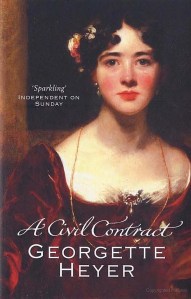
1. A Civil Contract by Georgette Heyer – I’ve just started reading this one in preparation for 1961 Club in April. There are at least two other 1961 books I would like to read as well, but not sure how many I’ll have time for.

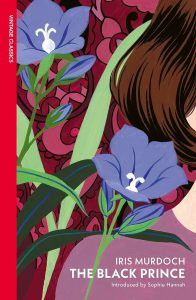
2. The Black Prince by Iris Murdoch – I was intending to read this in March for Cathy’s Reading Ireland Month and Iris Murdoch readalong, but got distracted by other books. It will be an April read instead, I think.

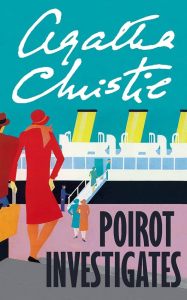
3. Poirot Investigates by Agatha Christie – I’m planning to read this in May for the Read Christie challenge as the theme that month is Christie’s short story collections.

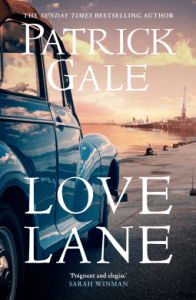
4. Love Lane by Patrick Gale – A sequel to Gale’s A Place Called Winter, which I read a few years ago and enjoyed.

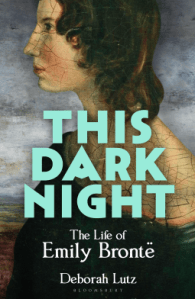
5. This Dark Night by Deborah Lutz – I’m trying to read more non-fiction this year, so I’m looking forward to this new biography of Emily Brontë.

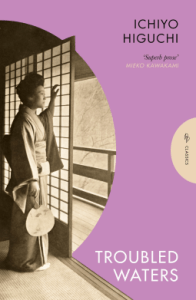
6. Troubled Waters by Ichiyo Higuchi – Most of the Japanese fiction I read tends to be crime, so I’m curious about this short story collection, which will be something slightly different for me.

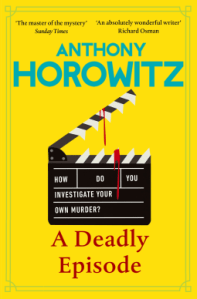
7. A Deadly Episode by Anthony Horowitz – I’ve enjoyed all of the other books in Horowitz’s Daniel Hawthorne series, so I’m expecting to enjoy this one as well.

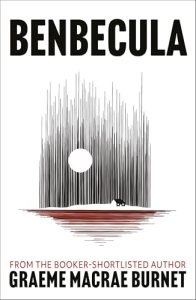
8. Benbecula by Graeme Burnet Macrae – I’ve been meaning to read this since it was published last year and was reminded about it when it was recently longlisted for the Walter Scott Prize for Historical Fiction.

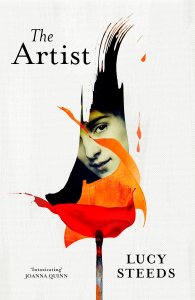
9. The Artist by Lucy Steeds – This is also on the Walter Scott Prize longlist and has excellent reviews, so I’m looking forward to reading it.

10. Strange Buildings by Uketsu – I thought Uketsu’s previous two books, Strange Pictures and Strange Houses, were fascinating, so I can’t wait to read this one.

~

Have you read any of these or would you like to? What are you hoping to read this spring?

Trouble with Lichen by John Wyndham

What would you do if someone offered you the chance to live longer? Not just a few years longer, but two or three times the average lifespan? What would be the benefits and the drawbacks? And what if you were the person who had discovered a way to make all of this a reality? These questions form the premise of John Wyndham’s 1960 novel, Trouble with Lichen, the book recently chosen for me to read in the latest Classics Club Spin.

The novel is written from the perspectives of scientists Francis Saxover and Diana Brackley, as well as Francis’ two children, Zephanie and Paul. Diana is a newly qualified biochemist working for Francis at his research facility, Darr House, when they both notice the strange effects of a piece of lichen which has been accidentally dropped into the cat’s saucer of milk. Each without the other’s knowledge, Diana and Francis begin to carry out their own research and both independently come to the same conclusion: the lichen seems to have properties that preserve a youthful appearance and slow down the rate at which people age. Rather than share her findings with Francis, Diana leaves the company and the two don’t see each other again for several years.

Because the supply of this particular species of lichen is very limited – it seems that it only grows in one small part of the world – Francis and Diana both sense that it could be dangerous to make the results of their research public before they’ve found a way to create the substance synthetically in the lab. Francis begins to treat himself with the lichen extract, implanting it beneath his skin, and does the same for his two teenage children, although he doesn’t tell them exactly what it is. Diana, on the other hand, starts her own beauty company, Nefertiti Ltd, and injects the substance into some of her wealthy female clients, again without being honest with them. Of course, it’s only a matter of time before the world learns the truth…

Although I wouldn’t describe myself as a big fan of science fiction, I’ve read and enjoyed several of John Wyndham’s novels. Trouble with Lichen has a slightly different feel – there’s less plot, less action and more discussion of ideas, ethics and moral dilemmas – but I enjoyed this one as well. It was interesting to consider the various implications of increasing our longevity; Francis and Diana seem to assume that everyone will be fighting to get their hands on the substance (referred to as an ‘antigerone’), but the thought of living to be two or three hundred years old doesn’t sound at all appealing to me! What do you think? Would you like to?

The novel has a strong feminist message, which isn’t really what I expected from a book written by a male author in the 1960s, and I appreciate what he was trying to do, although it didn’t always work! Diana believes she can create a future where women don’t need to rush into marriage because their childbearing years will last a lot longer, giving them time to pursue a meaningful career. This is the motive behind Nefertiti – she wants to gain the support of some of the world’s most powerful and influential women – but the way she goes about it, giving the drug to her clients without their knowledge, is completely unethical however she tries to justify it. There’s also a strong implication that the biggest benefit for women is that they’ll be able to continue looking young and attractive for much longer, which will keep their husbands happy.

This isn’t one of my favourite books by Wyndham and if you’re new to his work, I would recommend starting with a different one – maybe The Day of the Triffids or The Midwich Cuckoos – but although it’s not the most exciting story, it’s definitely a fascinating one. The final section is particularly interesting, where we see a whole range of different views from journalists, political parties, religious groups, trade unions and the general public. Not all of our questions are answered by the end of the book – in fact, I found the ending quite abrupt – but we are certainly left with a lot to think about!

This is book 1/50 from my third Classics Club list.

West by Carys Davies – #ReadingWales26

This month Karen of Booker Talk and Kathryn of Nut Press are hosting Reading Wales, celebrating the work of Welsh authors. I have chosen a book by Carys Davies, an author born in Llangollen, North Wales. Last year I read and enjoyed her most recent book, Clear, which is set in Scotland during the Highland Clearances. West, published in 2018, was her first novel and the setting and subject matter are very different, but the two books do share some similar themes.

West is set in America in the early 19th century, a few years after the famous Lewis and Clark Expedition, and revolves around Cy Bellman, a widowed mule breeder who lives in Pennsylvania with his ten-year-old daughter, Bess. Inspired by stories of the expedition and by an article he reads in the newspaper describing the discovery of huge animal bones found in a Kentucky swamp, Cy decides to set out on a journey west to find the giant animals he believes must still be roaming in the wild. Everyone else thinks he’s a fool, including his sister Julie, but Cy is determined to prove them all wrong.

As well as following Cy Bellman’s journey into the wilderness, Davies explores the effects his departure has on Bess, left behind on the mule farm with Aunt Julie as her father rides off into uncharted territories. He tells her he’ll back in a year, or maybe two, but that’s a very long time for a ten-year-old girl and she thinks about her father daily. Unlike the others, Bess doesn’t think he’s being foolish – she’s proud of him and thinks of him as a brave, noble figure. She has no doubt that he’ll find the animals he’s searching for and will return safe and well. Her own wellbeing, however, is a different matter, as in Bellman’s absence, their scheming neighbour Elmer Jackson has set his sights on the farm and the women who live there.

Davies writes from the perspectives of both Cy and Bess, with occasional sections from other characters’ points of view. The passages describing the landscape Cy passes through as he travels west are vivid and feel authentic, stressing the vastness of the land, the harshness of the winters and the sense of isolation as he moves further away from civilization. Along the way he acquires a guide, a Shawnee boy with the unflattering name of Old Woman from a Distance, who helps him hunt for food and navigate dangerous river crossings in return for gifts of ribbons, beads and other small items. Cy’s attitude towards his guide is as you would expect, given the time period, and now and then we also get a glimpse of the guide’s thoughts about Cy. The fact that neither speaks the other’s language adds another obstacle to their relationship and despite spending so much time in each other’s company, neither makes the attempt to learn. Instead, they communicate through looks and gestures and through showing emotion. This idea of communication without a common language is explored in more depth in Davies’ later book, Clear.

West is novella-length, which makes it a quick read, but it’s also a powerful, gripping story and I don’t think it needed to be any longer. I’m looking forward to reading Davies’ other novel, The Mission House, and her two short story collections.