 Having enjoyed one of Joseph O’Connor’s earlier novels, Ghost Light, about the relationship between the playwright John Millington Synge and the actress Molly Allgood, I was looking forward to reading his newest book, Shadowplay, which was shortlisted for this year’s Walter Scott Prize for Historical Fiction. Like Ghost Light, this book explores the lives of several real historical figures from the literary and theatrical worlds – in this case, the Irish author Bram Stoker and the English stage actors Henry Irving and Ellen Terry.
Bram Stoker, of course, is best known for his 1897 novel Dracula, which is written in an epistolary style and O’Connor uses a similar format in Shadowplay, telling the story through a series of imagined diary entries, letters and transcripts of recordings. Beginning with his life in Dublin and marriage to Florence Balcombe, the novel takes us through Stoker’s meeting with the great Shakespearean actor Sir Henry Irving and his move to London to become the manager of Irving’s Lyceum Theatre. Stoker’s involvement with Irving and the Lyceum leads to a friendship with Ellen Terry, the leading actress of her time, and the relationship between these three characters forms the heart of the novel.
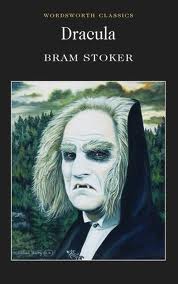
While much of Stoker’s time is taken up with managing the theatre and trying to deal with Irving’s eccentricities, sudden rages and heavy drinking, he also continues to work on his own career as an author. Sadly he won’t achieve the fame he deserves until after his death, but in Shadowplay we see him drawing on his experiences and the people and places around him to put together the various parts of the novel that will become Dracula. I should point out, though, that this book is a work of fiction and Joseph O’Connor finds some very creative ways to weave Dracula allusions into the plot. They are not necessarily things that influenced the real Stoker, but I thought it was fascinating and cleverly done. Jonathan Harker appears, and Mina, although not quite in the way you might expect, a visit to an asylum inspires the creation of the insect-eating Renfield, and with Jack the Ripper haunting the streets of London at that time, it’s easy to see why themes of death and darkness wouldn’t be far from an aspiring author’s mind.
Despite all the interesting ideas explored in this novel, I can’t really say that I loved it. I thought the format and structure of the book made it feel slightly disjointed; a more conventional narrative would have worked better for me and would have made it easier for me to connect with the characters and become more fully asbsorbed in their stories. Still, this is an entertaining and very imaginative novel and I’m pleased to have had the opportunity to learn a little bit more about Bram Stoker, Henry Irving and Ellen Terry!
 She Reads Novels