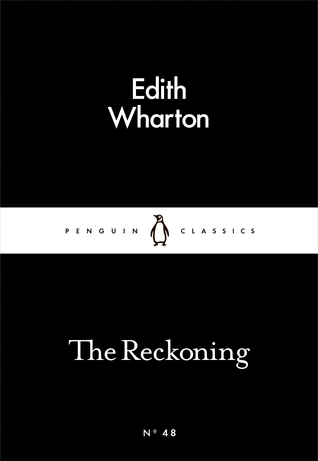
 The last book I read in 2022 was this slim collection of Edith Wharton short stories from Penguin’s Little Black Classics series. There are only two stories in the book and at just under 50 pages in total, they can be read very quickly. Despite being so short they are still substantial and satisfying and I enjoyed reading both of them.
The first story, Mrs Manstey’s View, was my favourite. It was actually Wharton’s first published story, appearing in the July 1891 edition of Scribner’s Magazine. It’s a simple but very moving story about a widow, Mrs Manstey, who lives alone on the third floor of a New York boarding house. As her health begins to fail and visits from friends and family become less frequent, Mrs Manstey’s sole pleasure in life is observing the view from her window:
Mrs. Manstey’s real friends were the denizens of the yards, the hyacinths, the magnolia, the green parrot, the maid who fed the cats, the doctor who studied late behind his mustard-colored curtains; and the confidant of her tenderer musings was the church-spire floating in the sunset.
When Mrs Black, the owner of the house next door, announces that she’s planning to build a large extension, Mrs Manstey is devastated. Her view is the only thing that keeps her going from one day to the next; if the view is lost, she feels there will be no point in living at all. The construction work must be stopped, but will Mrs Black be prepared to listen?
The title story, The Reckoning, is much longer, but I found it less powerful. First published in 1911, it deals with an unconventional marriage between Julia and Clement Westall, who have both agreed that marriage should be a voluntary arrangement between two people which either can break off at any time if they become unhappy. Julia has already put this theory into practice when divorcing her previous husband, but when she begins to suspect that Clement has his eye on another woman she starts to wonder whether it’s such a good idea after all.
The Reckoning is an interesting story and when you consider the stigma still attached to divorce in the early 20th century, the depiction of the Westalls’ marriage is very progressive for its time. However, I didn’t find it as appealing as Mrs Manstey’s View, with its theme of seeing the beauty in the small everyday things that others take for granted.
Apart from these two stories, I have only read Ethan Frome by Edith Wharton so far. I’m sure I’ll be reading more of her books now that I’ve been reminded of how good her writing is.
 She Reads Novels