A summary of last month’s reading, in words and pictures.

commonplace book
Definition:
noun
a notebook in which quotations, poems, remarks, etc, that catch the owner’s attention are entered
~
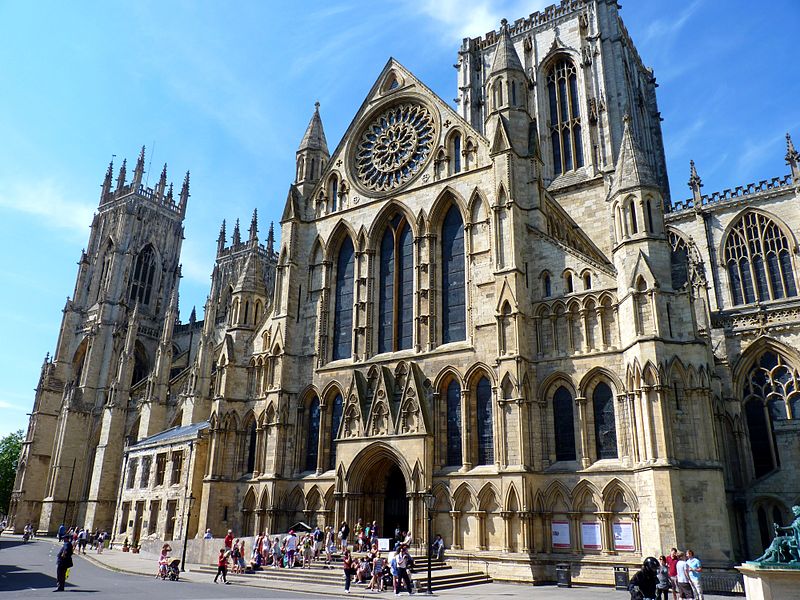
Another high wall appeared ahead of us; York seemed a city of walls. Behind it the Minster loomed. Ahead was a large open space crowded with market stalls under brightly striped awnings that flapped in the cool damp breeze. Heavy-skirted goodwives argued with stallholders while artisans in the bright livery of their guilds looked down their noses at the stalls’ contents, and dogs and ragged children dived for scraps. I saw most of the people had patched clothes and worn-looking clogs. Watchmen in livery bearing the city arms stood about, observing the crowds.
~
But whereas the planets are serene in their separateness, knowing any collision with one another likely to destroy them and return them to dust, Fogg remarks that he, along with very many of his race, finds his Separateness the most entirely sad fact of his existence and is every moment hopeful of colliding with someone who will obscure it from his mind.
Restoration by Rose Tremain (1989)
~

“Do you like history?” he enquired.
“Oh, yes.” She turned eagerly to him, forgetting momentarily the splendour of the pageant. “It is about people, you see. The deeds they performed. The way they thought.”
Elizabeth the Beloved by Maureen Peters (1972)
~
Writing is a kind of magic. One person sits in a room alone and makes marks on a page that represent the images in her mind. Another person looks at those marks, weeks or months or a hundred years later, and similar images appear in that person’s mind. Magic. Plays and choreography hold yet another level of magic and meaning: the marks on the page leap to action in another person’s body, to be seen by thousands of others. The ability to weave that kind of magic paid well in Las Vegas.
The Hawley Book of the Dead by Chrysler Szarlan (2014)
~
He was a good husband. He had comforted her when she’d sobbed violently against his plump chest, then rested dry-eyed against it and tried not to remember all the things she no longer knew about her son. How tall was he now? Had the colour of his hair changed? Did he still wake sometimes in the middle of the night unable to breathe? Did he still like to find beetles in the cracks in a stone wall, or to look for hidden things beneath a rock?
Did he remember her at all?
Rebellion by Livi Michael (2015)
~
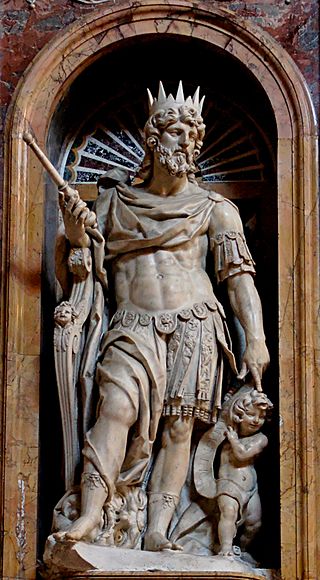
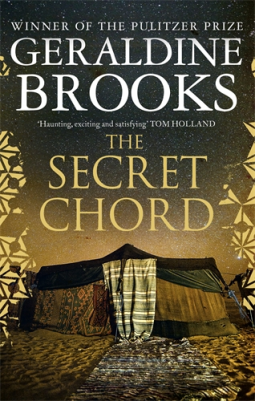
But the stories that grow up around a king are strong vines with a fierce grip. They pull life from whatever surfaces they cling to, while the roots, maybe, wither and rot until you cannot find the place from which the seed of the vine has truly sprung.
The Secret Chord by Geraldine Brooks (2015)
~
Three telephones kept ringing like demented things, and by post, telegram, wireless, and personal appearance the information poured in. Nine-tenths of it quite useless, but all of it requiring a hearing: some of it requiring much investigation before its uselessness became apparent. Grant looked at the massed pile of reports, and his self-control deserted him for a little.
A Shilling for Candles by Josephine Tey (1936)
~
“It is the only thing I know of to his advantage,” Judith said. “I will admit him to be an excellent whip. But for the rest I find him a mere fop, a creature of affectations, tricked out in modish clothes, thinking snuff to be of more moment than events of real importance. He is proud, he can be insolent. There is a reserve, a lack of openness—I must not say any more: I shall put myself in a rage, and that will not do.”
Regency Buck by Georgette Heyer (1935)
~
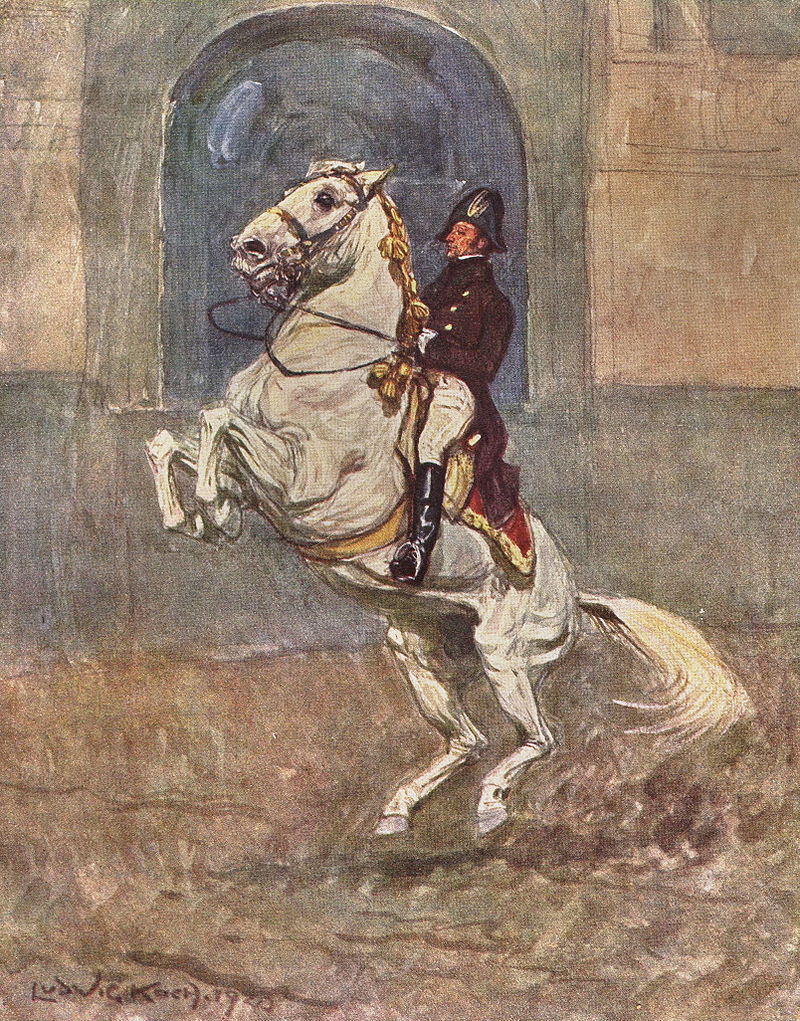
I heard the fanfare and recognised it; it was the entrance of Annalisa and her white stallion. The trumpets cut through the air, silver, clear and commanding. Old Piebald stopped grazing and lifted his head, with his ears cocked as one imagines a war horse might at the smell of battle and the trumpets. Then the music changed, sweet, lilting and golden, as the orchestra stole into the waltz from The Rosenkavalier.
Airs Above the Ground by Mary Stewart (1965)
~
In books there were people who were always agreeable or tender, and delighted to do things that made one happy, and who did not show their kindness by finding fault. The world outside the books was not a happy one, Maggie felt; it seemed to be a world where people behaved the best to those they did not pretend to love, and that did not belong to them.
The Mill on the Floss by George Eliot (1860)
~
“I might be wrong, but I fancy that however much a girl may admire, or envy, the heroine of some romance, who finds herself in the most extraordinary situations; and however much she may picture herself in those situations, she knows it is nothing more than a child’s game of make-believe, and that she would not, in fact, behave at all like her heroine.”
Black Sheep by Georgette Heyer (1966)
~
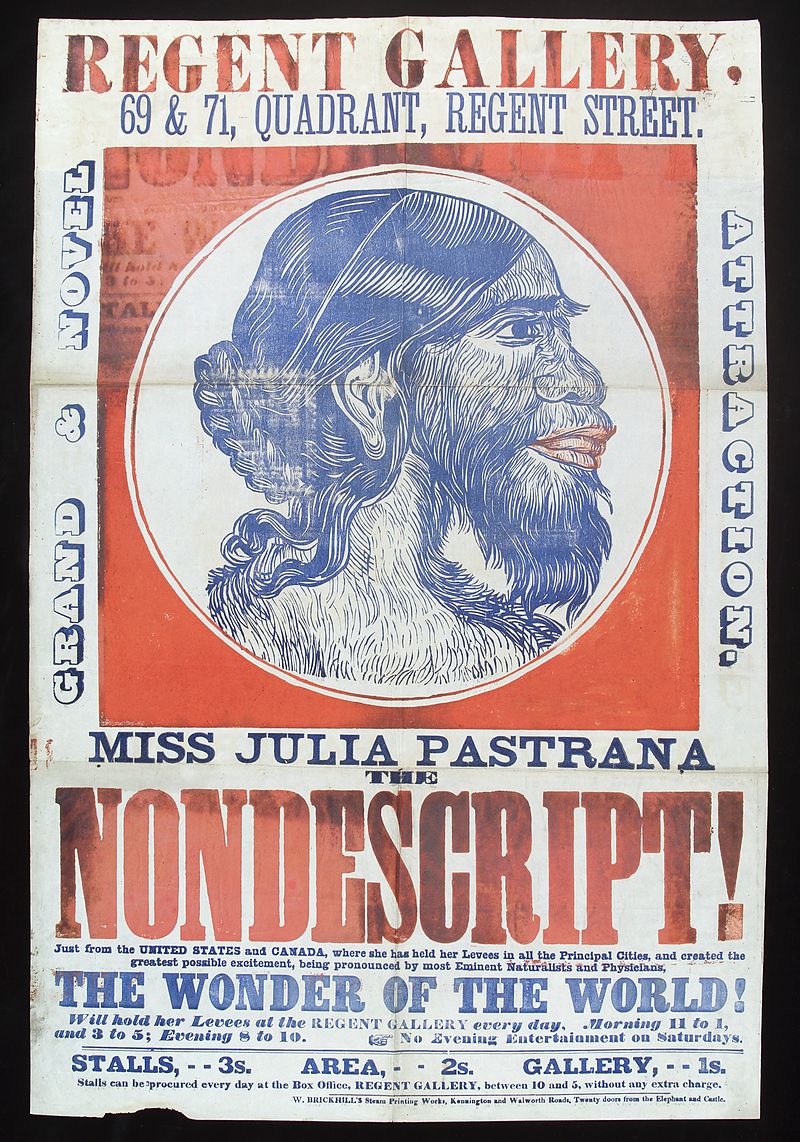
“You’re not shy, Julia,” he said. “It’s what I noticed first about you. How calmly you faced the world with that stupendous, utterly unnatural face of yours, and of course – you know the spirit in which I say that, it’s merely a stated fact – I knew then you were a natural. No no, there’s no doubt in my mind, no doubt at all, but that you’ll thrive.”
Orphans of the Carnival by Carol Birch (2016)
~
It happens this way sometimes, we can discover truths about ourselves in a moment, sometimes in the midst of drama, sometimes quietly. A sunset wind can be blowing off the sea, we might be alone in bed on a winter night, or grieving by a grave among leaves. We are drunk at a tavern, dealing with desperate pain, waiting to confront enemies on a battlefield. We are bearing a child, falling in love, reading by candlelight, watching the sun rise, a star set, we are dying…
But there is something else to all of this, because of how the world is for us, how we are within it. Something can be true of our deepest nature and the running tide of days and years might let it reach the shore, be made real there — or not.
Children of Earth and Sky by Guy Gavriel Kay (2016)
~
Favourite books read in September: Sovereign, Airs Above the Ground and Black Sheep
 She Reads Novels