A summary of this month’s reading, in words and pictures.

commonplace book
Definition:
noun
a notebook in which quotations, poems, remarks, etc, that catch the owner’s attention are entered
~
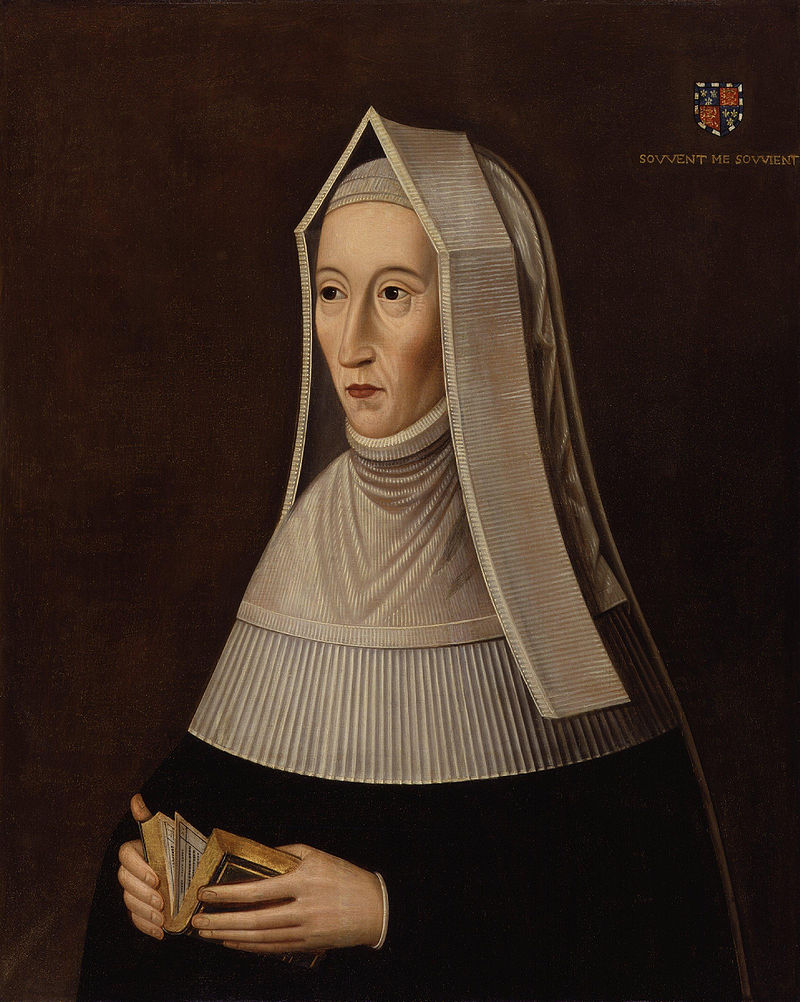
She could have asked, of course, but she would not get any answers. She thought of all the words that went unspoken in the world, throughout time: what happened to them, where did they go? What would happen if they were all spoken? How different would the world be then?
Succession by Livi Michael (2014)
~
“Molly, I cannot have you speaking so to Lady Harriet,” said Mrs. Gibson, as soon as she was left alone with her stepdaughter. “You would never have known her at all if it had not been for me, and don’t be always putting yourself into our conversation.”
“But I must speak if she asks me questions,” pleaded Molly.
“Well! if you must, you must, I acknowledge. I’m candid about that at any rate. But there’s no need for you to set up to have an opinion at your age.”
“I don’t know how to help it,” said Molly.
Wives and Daughters by Elizabeth Gaskell (1865)
~
I know very little about my mother, and have no family to help me fill in the gaps. I am an only child and my father’s two elder sisters died several years ago. I am intrigued by this photograph and would like to find out more about the people in it…I hope you don’t mind me asking all these questions. Any information you could offer would mean a great deal to me.
The People in the Photo by Hélène Gestern (2011)
~
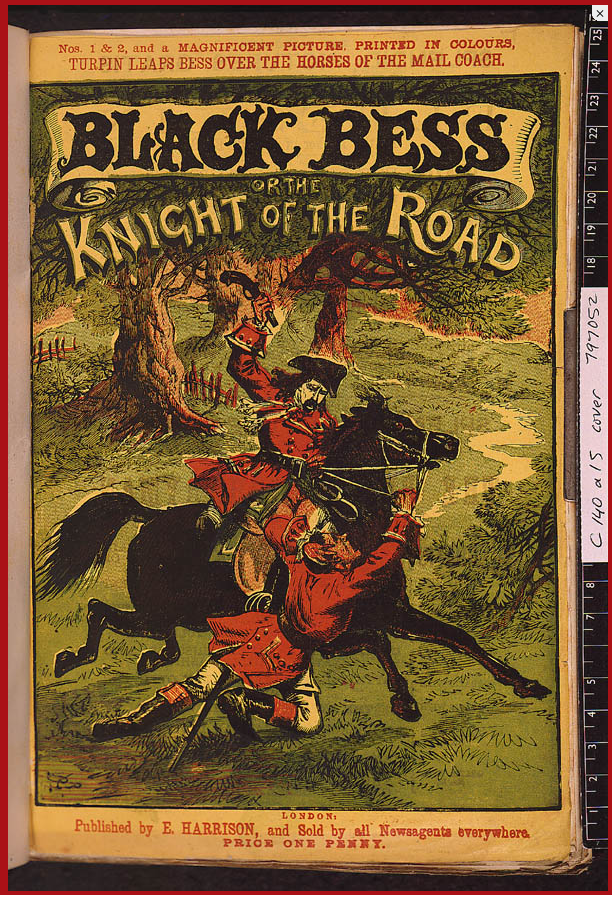
Since cheap magazines were traded on street corners, in playgrounds and factory yards, each issue could have many readers. Penny fiction was Britain’s first taste of mass-produced popular culture for the young, and was often held responsible for the decay of literature and of morality.
The Wicked Boy by Kate Summerscale (2016)
~
It can’t have been much of a life, can it? for a woman of over seventy, living alone in lodgings, in debt to her landlady, wearing our cast-off clothes, trotting round after jobs that never materialised, writing articles that nobody would publish, and eating bread and margarine for supper. There really was something rather pathetic about that awful room of hers – crowded with papers full of impossible schemes…I don’t suppose there can ever have been anyone whose life was much less important, or who had less influence on anybody else.
Poor Caroline by Winifred Holtby (1931)
~
It was something he’d learned in the war: only think about what is directly in front of you. No, that wasn’t quite right. He’d had to plan ahead all the time…but not to feel ahead. For a man of Giles’s far-seeing, intricate temperament that had been a hard lesson. But Simon, he could see, knew it by instinct.
Exposure by Helen Dunmore (2016)
~

Hers was the pale worn face of an invalid, cut off from air, light, freedom. His was the warm ruddy face of a young animal; instinct with health and energy. Broken asunder, yet made in the same mould, could it be that each completed what was dormant in the other? She might have been — all that; and he — But no. Between them lay the widest gulf that can separate one being from another. She spoke. He was dumb. She was woman; he was dog. Thus closely united, thus immensely divided, they gazed at each other.
Flush by Virginia Woolf (1933)
~
“I play,” he once said to me, “for the best musician in the world – he may not be there, but I play as if he were”. I thought to myself that he was always there when Sebastian was playing, but I did not say so, for that was the kind of thing which did not please him.
The Little Chronicle of Magdalena Bach by Esther Meynell (1925)
~
It is quite beautiful, a metaphoric triumph over adversity, with every millimetre of its gnarled trunk proudly displaying its struggle.
I wonder now why humans hate the map of their life that appears on their own bodies, when a tree like this, or a faded painting, or a near-derelict uninhabited building is lauded for its antiquity.
The Olive Tree by Lucinda Riley (2016)
~
I cannot say – I had misjudged him before – yet I do think, in that moment, he had his battle to fight – one fierce as his fiercest charge. Cosmas waited, devouring him with his eyes. And I waited; a sudden, amazing sense springing up in me, that if he yielded, as I had so desired him to yield, this King who might be would never be the Prince whom I had served and loved.
Rupert, by the Grace of God by Dora Greenwell McChesney (1899)
~
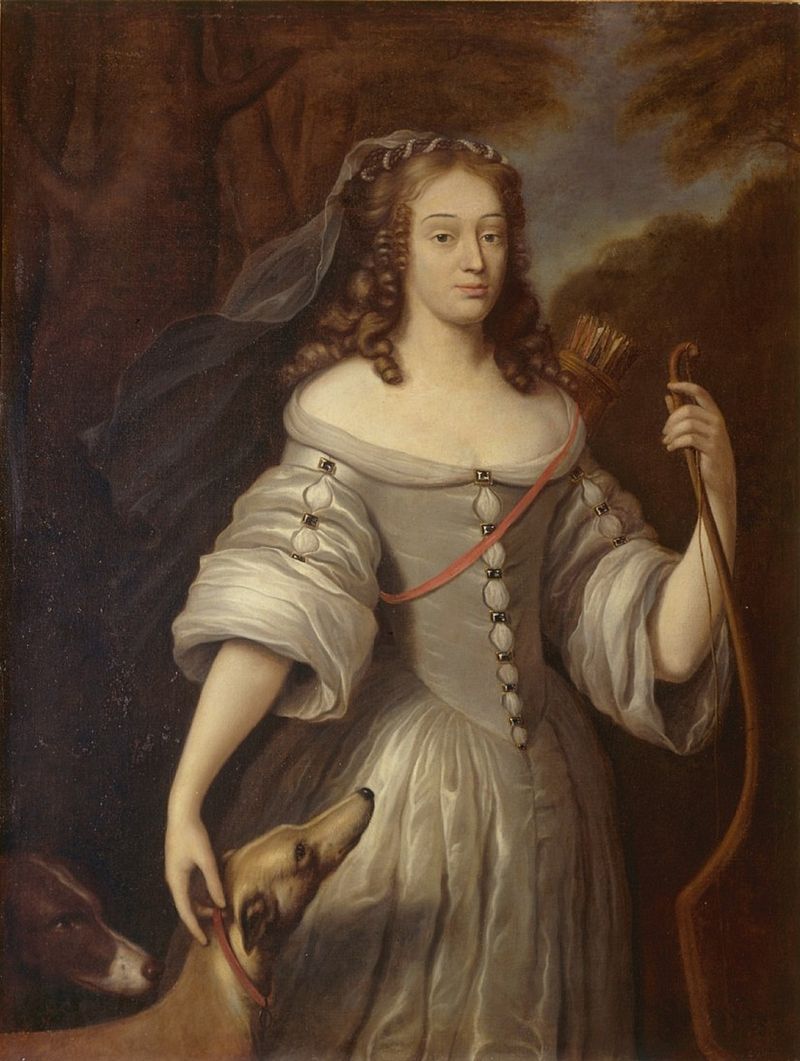
“Life, monsieur,” said Planchet, laughing, “is capital which a man ought to invest as sensibly as he possibly can.”
Louise de la Vallière by Alexandre Dumas (1850)
~
Hélène wondered whether the lady was protesting a bit too much in order to convince her, or to convince herself. Could she start a new life at her age? You can start a new game of cards or redecorate the living room, but life itself, can you do that again?
The Travels of Daniel Ascher by Déborah Lévy-Bertherat (2013)
~
And now? Overseas in England, his brethren in the faith were fighting, were dying, to achieve the freedom which he had sought. Before his eyes rose the grey, thronged sea-port town he knew, the richer fields, the narrower skies; and yet here, in this strenuous bleakness, he had found his soul.
Cornet Strong of Ireton’s Horse by Dora Greenwell McChesney (1903)
~
Love for her was to be a slow, ripening process, the fruit of many meetings and mutual interests. She had never believed in love at first sight. That surely, she told herself, was an invention of novelists, whose business it was to make everything slightly larger than life.
The Jewelled Snuff Box by Alice Chetwynd Ley (1959)
~

The queen responded a week later. “We are sending a young gentleman up to Yorkshire to resolve the matter. We do not wish to hear from you again.”
It was a measure of Mr Aislabie’s poor standing at court that I was the young gentleman in question.
A Death at Fountains Abbey by Antonia Hodgson (2016)
~
Favourite books this month: Wives and Daughters, Flush and Exposure

 She Reads Novels