My Commonplace Book: July 2016

A summary of this month’s reading, in words and pictures.
commonplace book
Definition:
noun
a notebook in which quotations, poems, remarks, etc, that catch the owner’s attention are entered

Collins English Dictionary

***

He turned his head to smile at her, apologetically; and his face was haggard in the firelight, so that suddenly she cared nothing for kings and wars, nor bishops nor the soul of man, nor for what Thomas did, only for what Thomas was; and she longed to fling her arms round him and hold him close because he was like a lute that was strung too tight.

The Rider of the White Horse by Rosemary Sutcliff (1959)

***
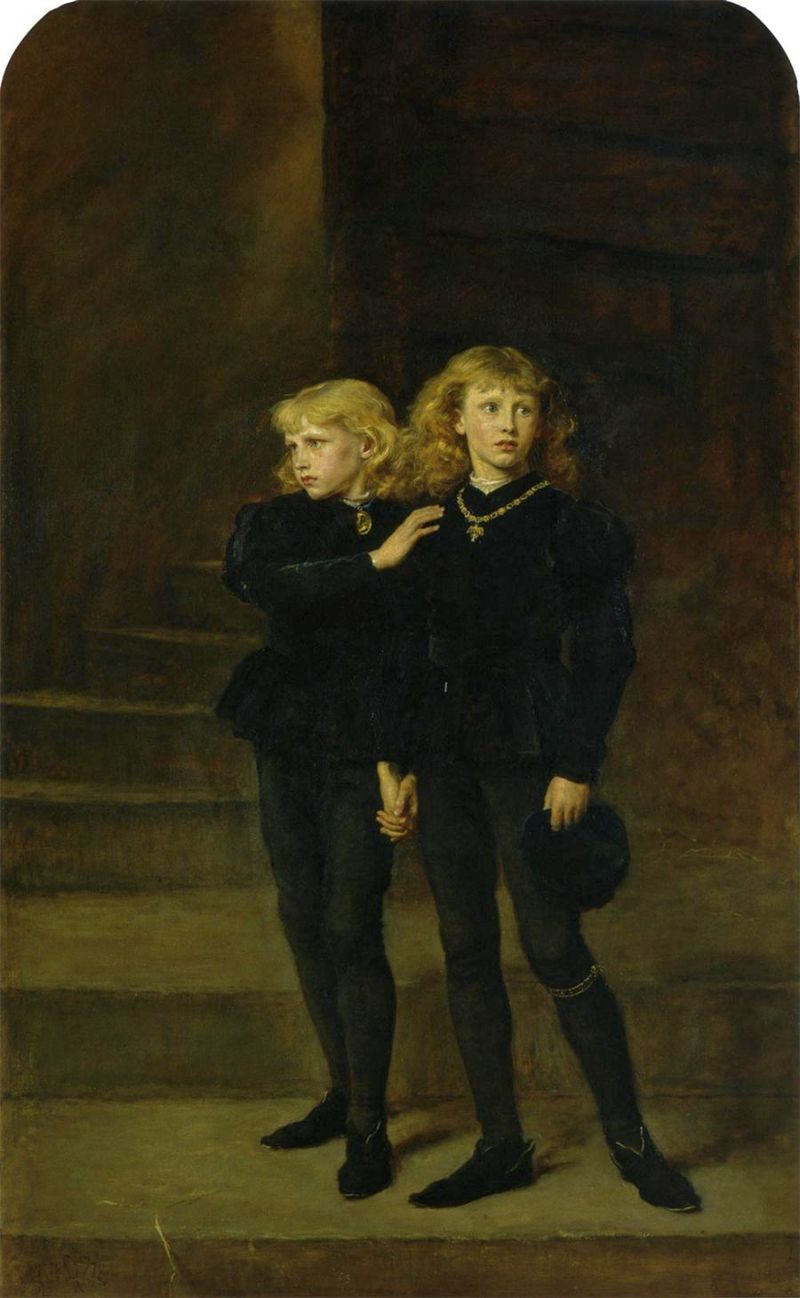
Princes in the Tower

No banners were raised above the company and they wore no livery, anonymity as well as haste their ally this April morning. Where Watling Street cut its blade-straight course towards the Great Ouse, the last of the sentries who had ridden on ahead to silence any word of their coming joined the company and, together, the horsemen thundered towards the small market town of Stony Stratford and the object of their race: the boy who had become king.

Sons of the Blood by Robyn Young (2016)

***

Nash is a follower of the playwrights and knows their best bons mots by heart, but I am fascinated by the actors themselves. I wonder about the life behind the stage and the precariousness of it. The thought of it gives me a shiver. Perhaps my interest stems from the apprehension that actors, whose calling depends on looks and voices and bodies that cannot last, must confront the same hard laws of life that women do. When the brightness of our beauty dies, we are plunged into the dark.

The Revelations of Carey Ravine by Debra Daley (2016)

***
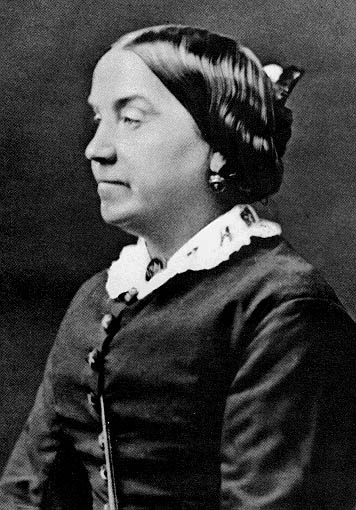
Lizzie Burns

And is it any different with love? Isn’t love the reverse side of the same medal? To love is to have, but rare does it happen that what we have is what we love. Love buys cheap and seeks to sell at a higher price; our greed is for gain that lies outside our reach. We desire those who don’t desire us in return.

Mrs Engels by Gavin McCrea (2015)

***

Before him lay the well-kept grounds, the clipped rose trees already beginning to put forth their glossy leaves, the panes of the glass-house gleaming like ice in the moonlight, the fountain where the water splashed in silver threads, hollow-eyed termini set between yew trees. The windows in the side of the pleasure house facing Desgrez were shuttered; he crept along, however, most warily; he did not know who was posted in the gardens nor what sentries might be placed about the house and grounds.

The Poisoners by Marjorie Bowen (1936)

***

Gondola

They glided away through the spangled water, and he filled his lungs with the haunting sea air. Other gondolas slipped past with lovers or merrymakers. A delicious languor filled the night, lapping of water, wandering of music. He felt a longing, sweeter than possession, for the indescribable, the unattainable. He would return here someday with her; he would occupy one of these palaces; they would live in terms of color – sapphire and silver – in terms of a casement open on the sea-scented night.

Prince of Foxes by Samuel Shellabarger (1947)

***

“Oh, don’t worry, we’re still appalling know-it-alls. We dig things up, but then we photograph and catalogue, record and document, and as often as not we put things back. It’s not the finds so much as the findings. Not the objects but the stories they tell.”

Sandlands by Rosy Thornton (2016)

***

Magna Carta

Under the shade of the pavilion, he noted a table in readiness, stools around it, and parchment and pens and wax all ready, with clerks and knights waiting. They had at least the grace to stand when he entered and, without speaking, took the stool at the table-head. Before him lay the long charter. He knew it by heart, each clause of it had burned into him with rage while impotently he had listened to these rogues’ demands.

The Devil and King John by Philip Lindsay (1943)

***

Favourite books this month: Prince of Foxes and The Revelations of Carey Ravine.
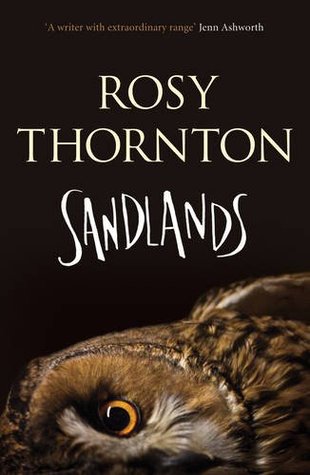
Sandlands by Rosy Thornton

This is a land of sand. The earth hereabouts is nothing but; it’s a wonder anything grows in it at all.

Sandlands Sandlands is a beautifully written collection of sixteen short stories, all of which share a common setting: a small English village on the coast of Suffolk. I’m not usually a reader of short stories (my blog title should be a clue) but I do enjoy them from time to time – and I was surprised by just how much I enjoyed reading this particular collection. The problem I sometimes have with short stories is that they tend to lack the plot development and depth of character I look for in full-length novels. I often find them unsatisfying and…well, too short.

Sandlands is not like that. The stories are the perfect length – not too long and not too short – and each one feels complete. Although they share some similar themes such as the beauty of nature and the relationships people have with the area in which they live, the stories are also quite varied. Some are written in the first person and some in the third, some are set entirely in the present and some take us into the past, some are sad and some are funny. I’m not going to comment on all sixteen of them here, but will pick out a few which I found particularly interesting.

One of my favourites was All the Flowers Gone, a poignant story which explores the bond between three generations of women: Poppy, a botanist who finds a rare flower growing at a disused air base; her mother, Rosa, who campaigned against nuclear weapons at the same base in the 1980s; and finally, her grandmother, Lilian, who worked there during the 1940s and fell in love with a bomber pilot. I loved the way the lives of these three women were linked not only to each other but also to one specific location and to the flowers which grew there.

Another story in which the past begins to merge with the present is The Witch Bottle, a tale of love and revenge which unfolds when a woman moves into an old house and discovers a connection with Patience Spall, a girl accused of witchcraft in the seventeenth century. Like many of the stories in the book, this one has a touch of the supernatural. While I wouldn’t describe Sandlands as a book of ghost stories in the traditional sense, some do have a ghostly atmosphere and a sense that more is going on than meets the eye.

I also enjoyed the final two stories in the collection. Curlew Call is written from the perspective of a young woman who decides to spend a year working as a companion to Agnes, an artist who is confined to a wheelchair. The narrator loves nature and is captivated by the Suffolk landscape with its salt marshes, mudflats and reed beds and the distinctive sound of the curlews calling. As she settles into her new job and home, she makes some surprising discoveries about her elderly employer. The following story, Mackerel, also looks at the relationship between two women, this time a grandmother and granddaughter: Hattie, in her twenties, who has a degree and has travelled across Europe, and eighty-nine-year-old Ganny (as she is known) who has spent her whole life living in a small fishing village and knows everything there is to know about mackerel.

These are just some of the wonderful stories to be found in Sandlands. Others that stand out include Whispers, the story of Dr Whybrow, an academic who buys a Martello tower on the coast, and The Watcher of Souls, where an owl guards a secret stash of love letters hidden in the woods. I wish I could tell you about the rest of the stories as well, as I found something to enjoy and admire in every one of them, but this review is already long enough and I need to leave something for other readers to discover for themselves!

I have previously read and enjoyed one of Rosy Thornton’s other books, The Tapestry of Love, so I was delighted to be offered a copy of Sandlands by the author for review. Many thanks, Rosy!

Review: The Tapestry of Love by Rosy Thornton

When Rosy Thornton offered me a review copy of her new novel, The Tapestry of Love, I thought it looked and sounded wonderful – but I wasn’t sure what I would think of it as it’s a bit different from the type of book I usually read. I needn’t have worried though, because I thoroughly enjoyed it! I admit that I had previously been unfamiliar with Rosy Thornton and her books, but now that I’ve been enlightened I would definitely like to read more of her work.

The Tapestry of Love is the story of Catherine Parkstone, a forty-eight year old divorced woman who decides to sell her home in England and buy a cottage in the mountainous Cévennes region of France. Catherine intends to start her own business providing home furnishings for her neighbours, but unfortunately things don’t go quite according to plan. And her life becomes even more complicated when her sister Bryony arrives on a three month sabbatical!

Although the book has a quiet, gentle tone, the plot was interesting enough to hold my attention from beginning to end. There were enough moments of drama to keep the story moving along and some humourous scenes too – for example, Catherine’s telephone conversations with her daughter Lexie, an aspiring journalist who is feeling increasingly disillusioned with her job at a cake-decorating magazine.

I particularly enjoyed reading about all the little details of Catherine’s new life: gardening, cooking, beekeeping, shopping at the market. The real highlight of this book though, is the sense of community: when Catherine first arrives in La Grelaudiere she is a stranger, an outsider, but over time she begins to gain the trust and respect of her neighbours and starts to forge some real friendships. We get to know Monsieur Bouschet and his wife; the reclusive Guillaume; the elderly widow Madame Volpiliere and the enigmatic Patrick Castagnol. The author skilfully brings the characters to life and makes them feel completely realistic.

I’ve never been to the Cévennes, but the mountains, remote hamlets and picturesque villages are described so vividly I could easily build a picture of the area in my mind. While I don’t think I’d be brave enough to do what Catherine did and leave my home and family to move there all on my own, it does seem like a beautiful and peaceful place to live, the kind of place you could easily fall in love with.

I very much enjoyed spending time in the mountains with Catherine and her neighbours. If you’re interested in France, needlework, nature or good food, or if you’re simply looking for an absorbing and well-written story with likeable, believable characters, you should find plenty here to keep you happy.

Recommended

I received a copy of this book from the author for review

Picture from Wikipedia

After the Sunday Papers #5

Last month was a great reading month for me – I read ten books, which I know is not many for a lot of other bloggers, but for me it’s more than I usually manage to read. And as well as reading those ten books, I was also slowly working my way through Middlemarch by George Eliot, which I finished last weekend. Considering this was my third attempt at reading it, I felt a real sense of achievement when I reached the final page! As I’ve finished it a few weeks ahead of schedule for Ana’s readalong, I won’t post my thoughts on the book just yet, but will wait until later in the month. Who else has been reading Middlemarch for the readalong? Are you enjoying it?

Another readalong I’ve signed up for is Bleak House by Charles Dickens, which is being hosted by Amanda of The Zen Leaf. Bleak House, like Middlemarch, is a book that I started reading once before but stopped because I wasn’t in the right mood for it. I can be a very moody reader sometimes! Hopefully this time I’m going to enjoy it. If you’d like to participate too, see Amanda’s post to sign up.

This week I’ve been reading The Red Queen by Philippa Gregory which I was sent by Simon & Schuster UK for their Red Queen blog tour. The Red Queen is the second book in Philippa Gregory’s new Wars of the Roses series, which was a fascinating time in English history. I would welcome any recommendations of good non-fiction books about this period as I’d really like to learn more about it.

I’ll be posting my review of The Red Queen soon, but in the meantime why not enter this competition to win a signed copy of the UK hardback – it’s open worldwide until September 30th.

I also received two more books for review this week, which is exciting for me as I don’t usually get very many.

After You by Julie Buxbaum is the third book I’ve received from Transworld for their Summer Reading Challenge (the first two that I’ve read and reviewed were Second Hand Heart and If I Stay). I also had a nice surprise when Rosy Thornton contacted me to offer me a copy of her new novel, The Tapestry of Love. I’m looking forward to reading both of these books.

What will you be reading this week?