The Walter Scott Prize Shortlist 2025

The shortlist for the 2025 Walter Scott Prize for Historical Fiction has been announced today! Thanks to this prize, I have discovered lots of great books and authors over the last few years and always look out for the longlists and shortlists; in fact, trying to read all of the shortlisted titles since the prize began in 2010 is a personal project of mine (you can see my progress here).

There are six books on today’s shortlist, chosen from the longlist of twelve revealed back in February. Here are the six (blurbs all taken from Amazon):

The 2025 Walter Scott Prize Shortlist

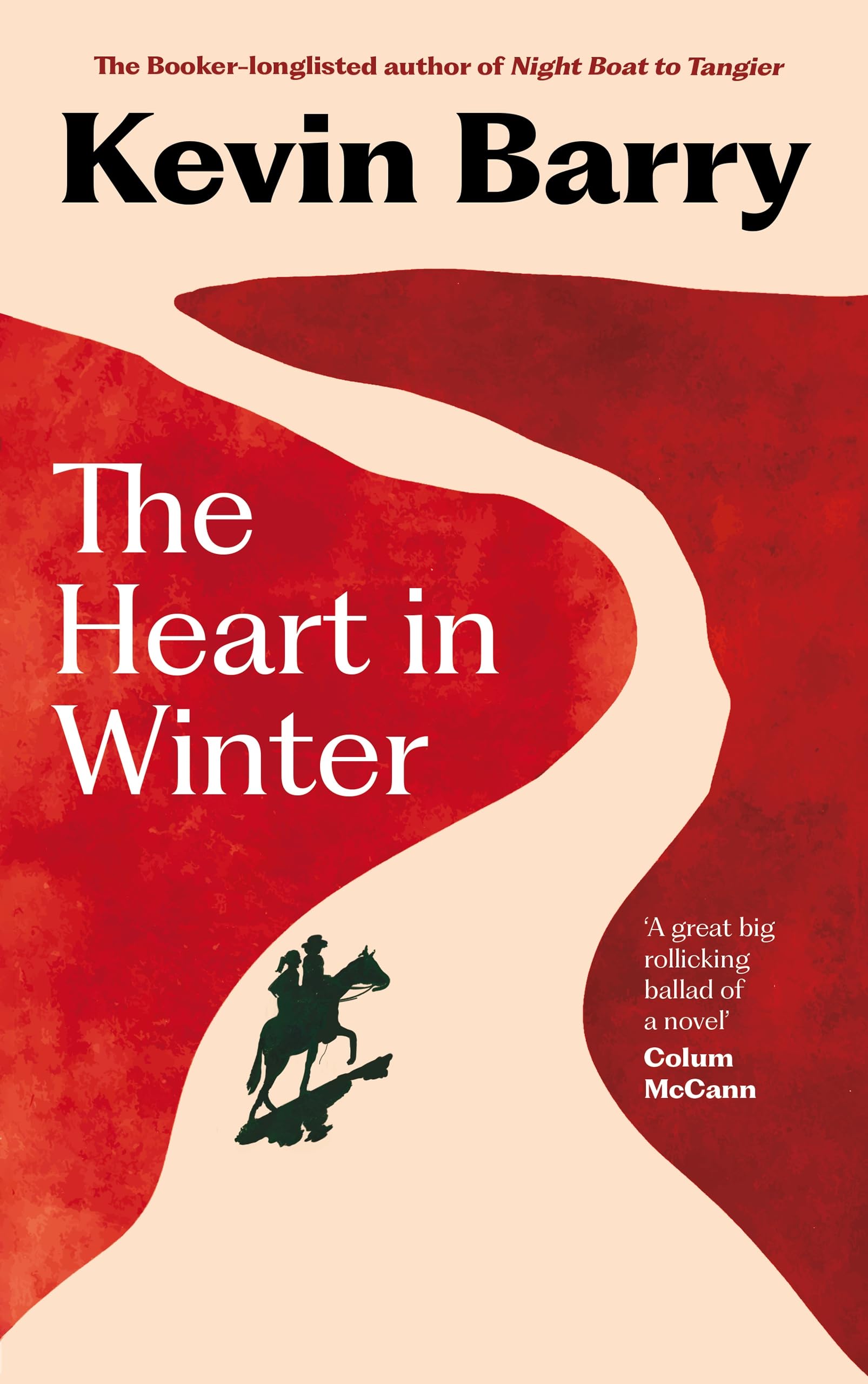
The Heart in Winter by Kevin Barry (Canongate)

October, 1891. Butte, Montana. A hard winter approaches across the Rocky Mountains. The city is rich on copper mines and rampant with vice and debauchery among a hard-living crowd of immigrant Irish workers.

Here we find Tom Rourke, a young poet and balladmaker, but also a doper, a drinker and a fearsome degenerate. Just as he feels his life is heading nowhere fast, Polly Gillespie arrives in town as the new bride of the devout mine captain Long Anthony Harrington.

A thunderbolt love affair takes spark between Tom and Polly and they strike out west on a stolen horse, moving through the badlands of Montana and Idaho. Briefly an idyll of wild romance perfects itself. But a posse of deranged Cornish gunsmen are soon in hot pursuit of the lovers, and closing in fast . . .

The Mare by Angharad Hampshire (Northodox Press)

Hermine Braunsteiner was the first person to be extradited from the United States for Nazi war crimes. Hermine was one of a few thousand women to work as a female concentration camp guard. Prisoners nicknamed her ‘the Mare’ because she kicked people to death. When the camps were liberated, Hermine escaped and fled back to Vienna.

Many years later, she met Russell Ryan, an American man holidaying in Austria. They fell in love, married and moved to New York, where she lived a quiet life as an adoring suburban housewife, beloved friend and neighbour. No one, not even her husband, knew the truth of her past, until one day a New York Times journalist knocked on their door, blowing their lives apart.

The Mare tells Hermine and Russell’s story for the first time in fiction. It explores how an ordinary woman could descend so quickly into evil, examining the role played by government propaganda, ideology, fear and cognitive dissonance, and asks why her husband chose to stay with her despite discovering what she had done.

The Book of Days by Francesca Kay (Swift Press)

ANNO DOMINI 1546.

In a manor house in England a young woman feels the walls are closing around her, while her dying husband is obsessed by his vision of a chapel where prayers will be said for his immortal soul.

As the days go by and the chapel takes shape, the outside world starts to intrude. But as the old ways are replaced by the new, the people of the village sense a dangerous freedom.

The Book of Days is a beautifully written novel of lives lived in troubled times and the solace to be found in nature and the turning seasons.

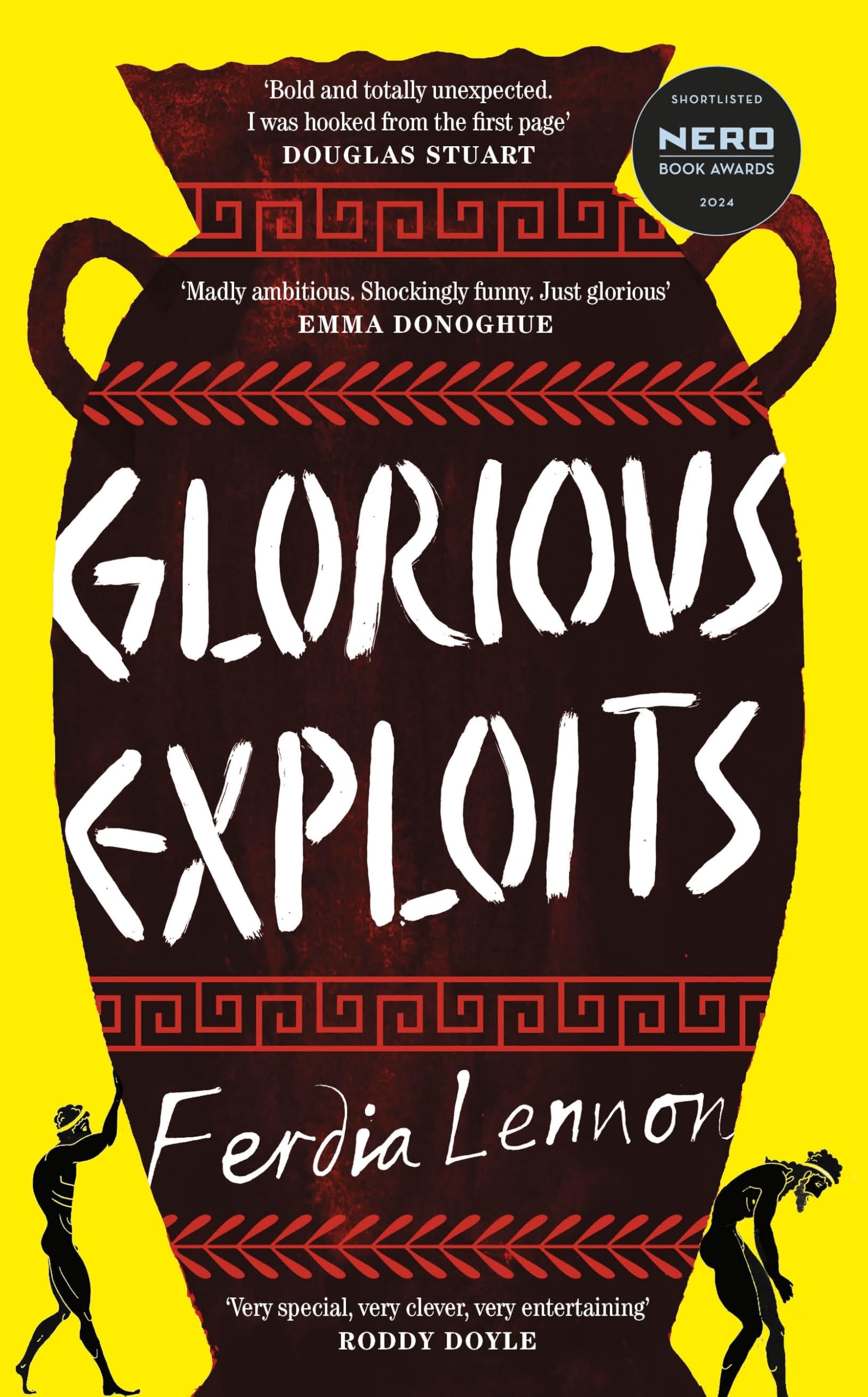
Glorious Exploits by Ferdia Lennon (Fig Tree)

Ancient Sicily. Enter GELON: visionary, dreamer, theatre lover. Enter LAMPO: feckless, jobless, in need of a distraction.

Imprisoned in the quarries of Syracuse, thousands of defeated Athenians hang on by the thinnest of threads.

They’re fading in the baking heat, but not everything is lost: they can still recite lines from Greek tragedy when tempted by Lampo and Gelon with goatskins of wine and scraps of food.

And so an idea is born. Because, after all, you can hate the invaders but still love their poetry. It’s audacious. It might even be dangerous. But like all the best things in life – love, friendship, art itself – it will reveal the very worst, and the very best, of what humans are capable of.

What could possibly go wrong?

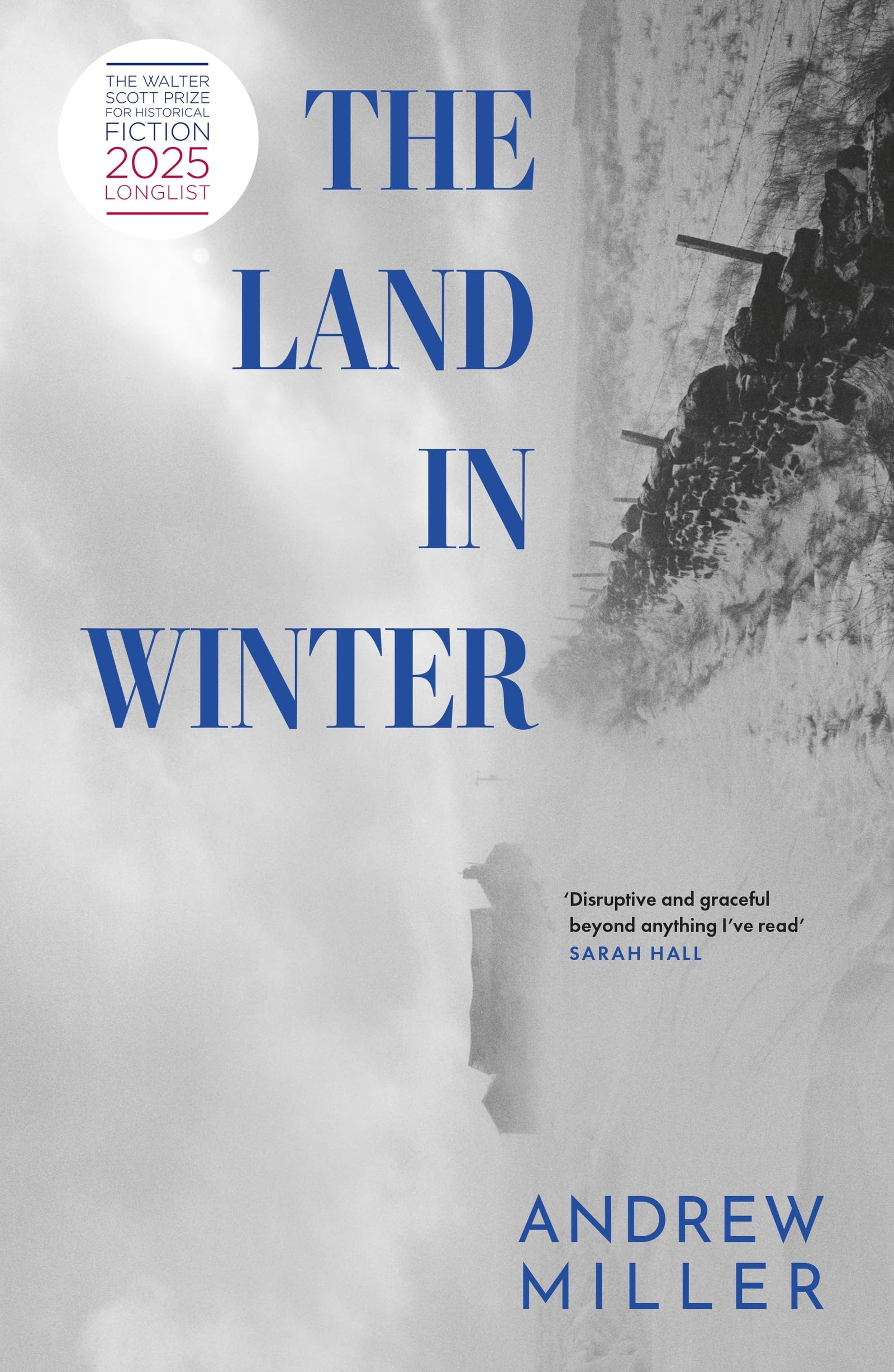
The Land in Winter by Andrew Miller (Sceptre)

December 1962, the West Country.

In the darkness of an old asylum, a young man unscrews the lid from a bottle of sleeping pills. In the nearby village, two couples begin their day. Local doctor, Eric Parry, mulling secrets, sets out on his rounds, while his pregnant wife sleeps on in the warmth of their cottage.

Across the field, in a farmhouse impossible to heat, funny, troubled Rita Simmons is also asleep, her head full of images of a past life her husband prefers to ignore. He’s been up for hours, tending to the needs of the small dairy farm he bought, a place where he hoped to create a new version of himself, a project that’s already faltering.

There is affection – if not always love – in both homes: these are marriages that still hold some promise. But when the ordinary cold of an English December gives way to violent blizzards – a true winter, the harshest in living memory – the two couples find their lives beginning to unravel.

Where do you hide when you can’t leave home? And where, in a frozen world, can you run to?

The Safekeep by Yael van der Wouden (Viking)

It is fifteen years after the Second World War, and Isabel has built herself a solitary life of discipline and strict routine in her late mother’s country home, with not a fork or a word out of place. But all is upended when her brother Louis delivers his graceless new girlfriend, Eva, at Isabel’s doorstep – as a guest, there to stay for the season…

In the sweltering heat of summer, Isabel’s desperate need for control reaches boiling point. What happens between the two women leads to a revelation which threatens to unravel all she has ever known.

~

I’ve only read one of these – The Heart in Winter – and although I didn’t like it much, I’m not at all surprised to see it on the shortlist and won’t be surprised if it’s the overall winner. I’m sorry that the other two books I had read from the longlist, Clear by Carys Davies and Mother Naked by Glen James Brown, didn’t make the shortlist as I enjoyed both of them much more! Glorious Exploits and The Safekeep are already on my TBR. I’m not sure I like the sound of The Mare, but am interested in reading The Land in Winter and The Book of Days.

What do you think? Have you read any of these or would you like to read them?

The winner will be announced at the Borders Book Festival in Melrose in June.

The Walter Scott Prize Longlist 2025

The longlist for the 2025 Walter Scott Prize for Historical Fiction has been announced today! Thanks to this prize, I have discovered lots of great books and authors and always look out for the longlists and shortlists; in fact, trying to read all of the shortlisted titles since the prize began in 2010 is a personal project of mine (you can see my progress here).

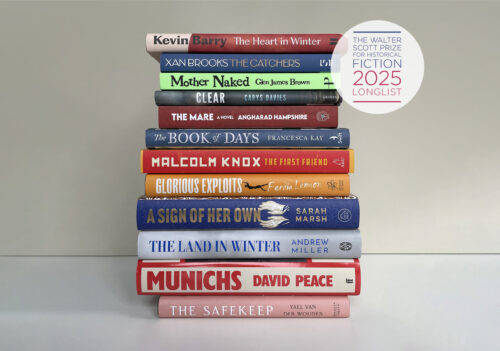
There are twelve books on this year’s longlist and here they are:

The Heart in Winter by Kevin Barry (Canongate)

The Catchers by Xan Brooks (Salt)

Mother Naked by Glen James Brown (Peninsula Press)

Clear by Carys Davies (Granta)

The Mare by Angharad Hampshire (Northodox Press)

The Book of Days by Francesca Kay (Swift Press)

The First Friend by Malcolm Knox (Allen & Unwin Aus)

Glorious Exploits by Ferdia Lennon (Fig Tree)

A Sign of Her Own by Sarah Marsh (Tinder Press)

The Land in Winter by Andrew Miller (Sceptre)

Munichs by David Peace (Faber)

The Safekeep by Yael van der Wouden (Viking)

~

I haven’t read a single one of these, which I think is a sign of how far away this prize has moved from the sort of books I’m naturally drawn to (which is fine – I’m always happy to step out of my comfort zone and try different things) and also a focus on books from small independent publishers that may not have had a lot of attention. There are at least some that I’m aware of and that I know have been getting good reviews – The Heart in Winter, Clear, Glorious Exploits, The Land in Winter and The Safekeep – but I haven’t even heard of some of the others. I’ll have to investigate!

The shortlist will be announced in April and the winner will be chosen in June at the Borders Book Festival in Melrose. Obviously I won’t have time to read all of these before the shortlist is revealed, so if you can recommend anything in particular please let me know.

The Walter Scott Prize Shortlist 2024

The shortlist for the 2024 Walter Scott Prize for Historical Fiction has been announced today! Thanks to this prize, I have discovered lots of great books and authors over the last few years and always look out for the longlists and shortlists; in fact, trying to read all of the shortlisted titles since the prize began in 2010 is a personal project of mine (you can see my progress here).

From the longlist of twelve books which was revealed in February, I had previously read Cuddy by Benjamin Myers, Music in the Dark by Sally Magnusson, For Thy Great Pain Have Mercy on My Little Pain by Victoria MacKenzie and My Father’s House by Joseph O’Connor. Since the longlist announcement, I have also now read The Fraud by Zadie Smith and Hungry Ghosts by Kevin Jared Hosein (not yet reviewed). But did any of the books I’ve read make the shortlist? Let’s find out…

The 2024 Walter Scott Prize Shortlist

The New Life by Tom Crewe (Chatto & Windus)

London, 1894. John and Henry have a vision for a new way of life. But as the Oscar Wilde trial ignites public outcry, everything they long for could be under threat.

After a lifetime spent navigating his desires, John has finally found a man who returns his feelings. Meanwhile, Henry is convinced that his new unconventional marriage will bring freedom. United by a shared vision, they begin work on a revolutionary book arguing for the legalisation of homosexuality.

Before it can be published however, Oscar Wilde is arrested and their daring book threatens to throw them, and all around them, into danger. How high a price are they willing to pay for a new way of living?

***

Hungry Ghosts by Kevin Jared Hosein (Bloomsbury)

On a hill overlooking Bell Village sits the Changoor farm, where Dalton and Marlee Changoor live in luxury unrecognisable to those who reside in the farm’s shadow. Down below is the barrack, a ramshackle building of wood and tin, divided into rooms occupied by whole families. Among these families are the Saroops – Hans, Shweta, and their son, Krishna, who live hard lives of backbreaking work, grinding poverty and devotion to faith.

When Dalton Changoor goes missing and Marlee’s safety is compromised, farmhand Hans is lured by the promise of a handsome stipend to move to the farm as watchman. But as the mystery of Dalton’s disappearance unfolds their lives become hellishly entwined, and the small community altered forever.

Hungry Ghosts is a mesmerising novel about violence, religion, family and class, rooted in the wild and pastoral landscape of 1940s colonial central Trinidad.

***

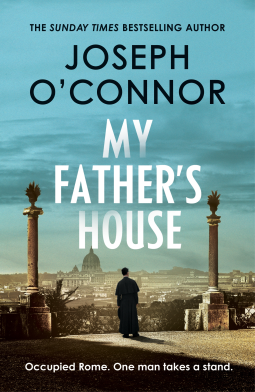
My Father’s House by Joseph O’Connor (Harvill Secker)

September 1943: German forces occupy Rome. SS officer Paul Hauptmann rules with terror.

An Irish priest, Hugh O’Flaherty, dedicates himself to helping those escaping from the Nazis. His home is Vatican City, a neutral, independent country within Rome where the occupiers hold no sway. He gathers a team to set up an Escape Line.

But Hauptmann’s net begins closing in and the need for a terrifyingly audacious mission grows critical. By Christmas, it’s too late to turn back.

Based on a true story, My Father’s House is a powerful thriller from a master of historical fiction. It is an unforgettable novel of love, sacrifice and what it means to be human in the most extreme circumstances.

***

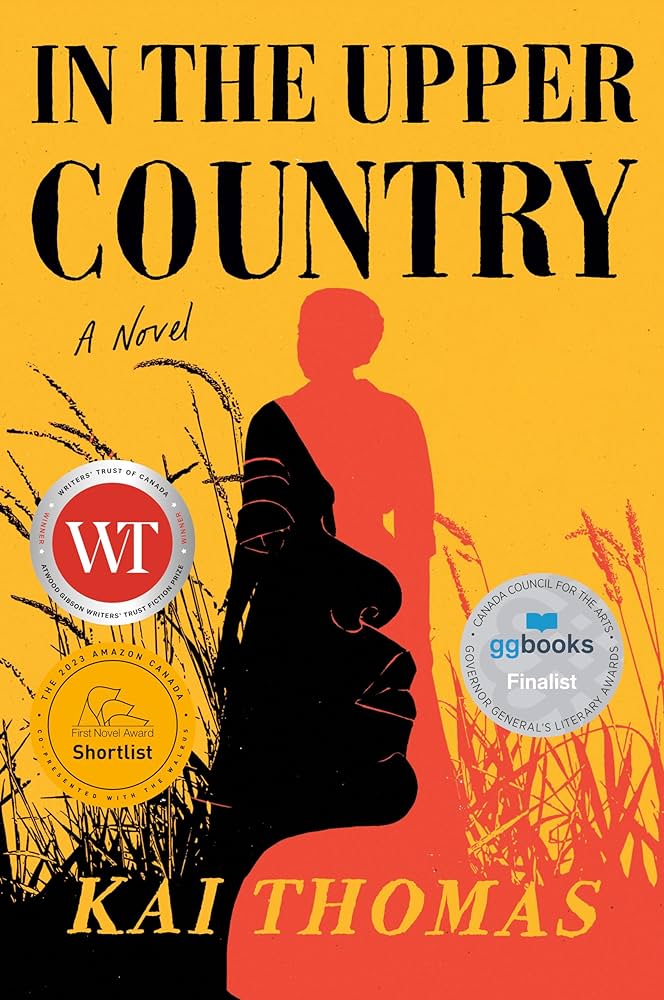
In the Upper Country by Kai Thomas (Penguin Canada)

In 1859, deep in the forests of Canada, an elderly woman sits behind bars. She came to Dunmore via the Underground Railroad to escape enslavement, but an American bounty hunter tracked her down. Now she’s in jail for killing him, and the fragile peace of Dunmore, a town settled by people fleeing the American south, hangs by a thread.

Lensinda Martin, a smart young reporter, wants to gather the woman’s testimony before she can be condemned, but the old woman has no time for confessions. Instead she proposes a barter: a story for a story.

As the women swap stories – of family and first loves, of survival and freedom against all odds – Lensinda must face her past. And it seems the old woman may carry a secret that could shape Lensinda’s destiny.

***

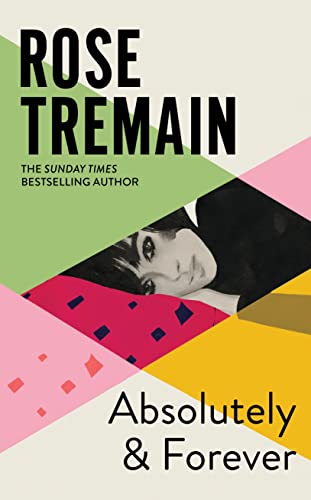
Absolutely and Forever by Rose Tremain (Chatto & Windus)

Marianne Clifford, teenage daughter of a peppery army colonel and his vain wife, falls helplessly and absolutely for eighteen-year-old Simon Hurst, whose cleverness and physical beauty suggest that he will go forward into a successful and monied future, helped on by doting parents. But fate intervenes. Simon’s plans are blown off course, he leaves for Paris and Marianne is forced to bury her dreams of a future together.

It is Marianne who tells this piercing story of first love, characterising herself as ignorant and unworthy, whilst her smart, ironic narration tellingly reveals so much more. Finding her way in 1960s Chelsea, and supported by her courageous Scottish friend, Petronella, she continues to seek the life she never stops craving. And in Paris, beneath his blithe exterior, Simon Hurst continues to nurse the secret which will alter everything.

***

The House of Doors by Tan Twan Eng (Canongate)

It is 1921 and at Cassowary House in the Straits Settlements of Penang, Robert Hamlyn is a well-to-do lawyer and his steely wife Lesley a society hostess. Their lives are invigorated when Willie, an old friend of Robert’s, comes to stay.

Willie Somerset Maugham is one of the greatest writers of his day. But he is beleaguered by an unhappy marriage, ill-health and business interests that have gone badly awry. He is also struggling to write. The more Lesley’s friendship with Willie grows, the more clearly she see him as he is – a man who has no choice but to mask his true self.

As Willie prepares to leave and face his demons, Lesley confides secrets of her own, including how she came to know the charismatic Dr Sun Yat Sen, a revolutionary fighting to overthrow the imperial dynasty of China. And more scandalous still, she reveals her connection to the case of an Englishwoman charged with murder in the Kuala Lumpur courts – a tragedy drawn from fact, and worthy of fiction.

~

So, of the six books I’ve read from the longlist, only two of them have appeared on the shortlist! I’m very surprised not to see Cuddy here as I thought it was the sort of book the judges would have gone for – but obviously not. Of the two that I’ve read, I enjoyed My Father’s House but didn’t like Hungry Ghosts very much, for reasons I’ll explain when I post my review. I’ve also just started reading The House of Doors, but it’s too early to say what I think of it yet.

What do you think? Have you read any of these or would you like to read them?

The winner will be announced at the Borders Book Festival in Melrose in June.

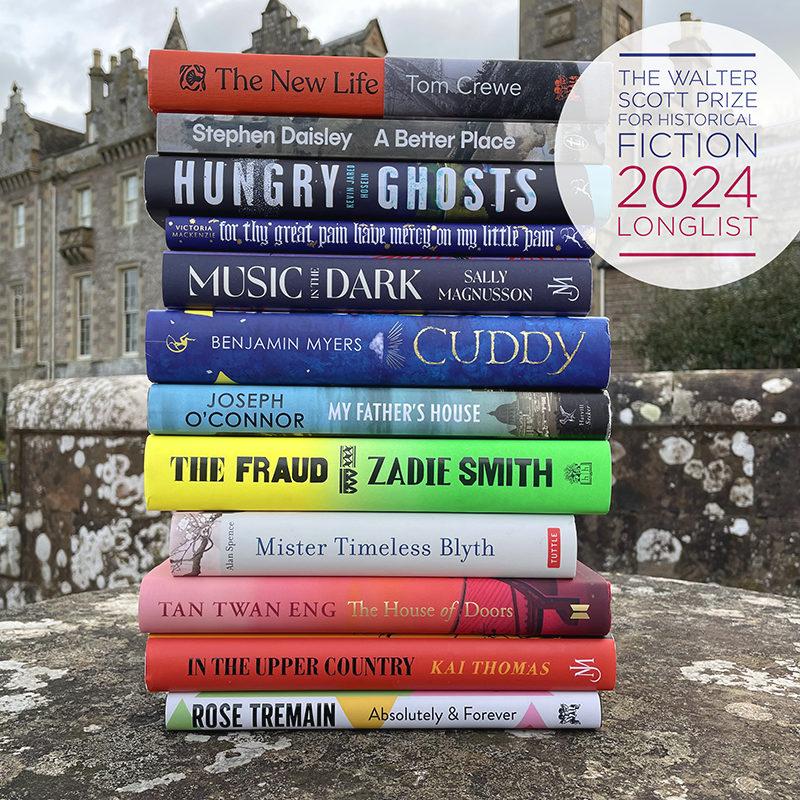
The Walter Scott Prize Longlist 2024

The longlist for the 2024 Walter Scott Prize for Historical Fiction has been announced today! Thanks to this prize, I have discovered lots of great books and authors and always look out for the longlists and shortlists; in fact, trying to read all of the shortlisted titles since the prize began in 2010 is a personal project of mine (you can see my progress here).

There are twelve books on this year’s longlist and here they are:

The New Life by Tom Crewe (Chatto & Windus)

A Better Place by Stephen Daisley (Text Publishing)

Hungry Ghosts by Kevin Jared Hosein (Bloomsbury)

For Thy Great Pain Have Mercy on My Little Pain by Victoria MacKenzie (Bloomsbury)

Music in the Dark by Sally Magnusson (John Murray)

Cuddy by Benjamin Myers (Bloomsbury)

My Father’s House by Joseph O’Connor (Harvill Secker)

The Fraud by Zadie Smith (Hamish Hamilton)

Mister Timeless Blyth by Alan Spence (Tuttle)

The House of Doors by Tan Twan Eng (Canongate)

In the Upper Country by Kai Thomas (Penguin Canada)

Absolutely and Forever by Rose Tremain (Chatto & Windus)

~

I’m delighted to see Cuddy on the longlist as I read it just a few weeks ago and predicted that it could be nominated. I’ve also read three others – Music in the Dark, For Thy Great Pain Have Mercy on My Little Pain and My Father’s House – and I’m not surprised to see any of these on the list either. Of those three, I particularly enjoyed My Father’s House. The Zadie Smith, Tan Twan Eng and Rose Tremain were already on my radar, but I’m not familiar with any of the others. Lots to investigate!

Have you read any of these books? Which do you think should win the prize?

The shortlist will be announced in May and the winner will be revealed in June at the Borders Book Festival in Melrose.

The Walter Scott Prize Shortlist 2023

The shortlist for the 2023 Walter Scott Prize for Historical Fiction has been announced today! Thanks to this prize, I have discovered lots of great books and authors over the last few years and always look out for the longlists and shortlists; in fact, trying to read all of the shortlisted titles since the prize began in 2010 is a personal project of mine (you can see my progress here).

From the longlist of twelve books which was revealed in February, I have managed to read four of them: The Romantic by William Boyd, These Days by Lucy Caldwell, Act of Oblivion by Robert Harris and The Second Sight of Zachary Cloudesley by Sean Lusk. I also have a few of the others waiting on my TBR. But did any of the books I’ve read make the shortlist? Let’s find out…

The 2023 Walter Scott Prize Shortlist
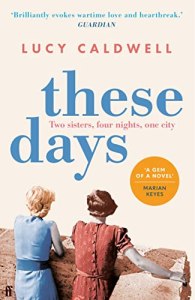
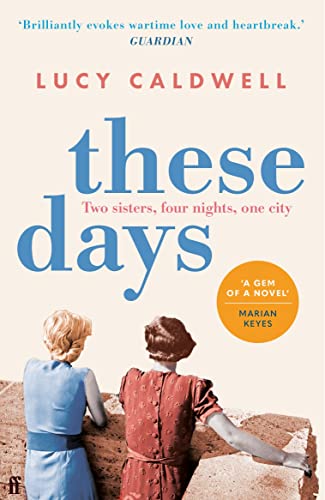
These Days by Lucy Caldwell (Faber)

Two sisters. Four nights. One City.

April, 1941. Belfast has escaped the worst of the war – so far. Following the lives of sisters Emma and Audrey – one engaged to be married, the other in a secret relationship with another woman – as they try to survive the horrors of the Belfast Blitz, These Days is an unforgettable novel about lives lived under duress, about family, and about how we try to stay true to ourselves.

*

The Geometer Lobachevsky by Adrian Duncan (Tuskar Rock Press)

It is 1950 and Nikolai Lobachevsky, great-grandson of his illustrious namesake, is surveying a bog in the Irish Midlands, where he studies the locals, the land and their ways. One afternoon, soon after he arrives, he receives a telegram calling him back to Leningrad for a ‘special appointment’.

Lobachevsky may not be a great genius but he is not foolish: he recognises a death sentence when he sees one and leaves to go into hiding on a small island in the Shannon estuary, where the island families harvest seaweed and struggle to split rocks. Here Lobachevsky must think about death, how to avoid it and whether he will ever see his home again.

*
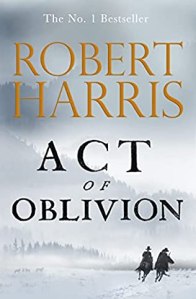
Act of Oblivion by Robert Harris (Hutchinson Heinemann)

1660. Colonel Edward Whalley and his son-in-law, Colonel William Goffe, cross the Atlantic. They are on the run and wanted for the murder of Charles I. Under the provisions of the Act of Oblivion, they have been found guilty in absentia of high treason.

In London, Richard Nayler, secretary of the regicide committee of the Privy Council, is tasked with tracking down the fugitives. He’ll stop at nothing until the two men are brought to justice. A reward hangs over their heads – for their capture, dead or alive.

Act of Oblivion is an epic journey across continents, and a chase like no other. It is the thrilling new novel by Robert Harris.

*
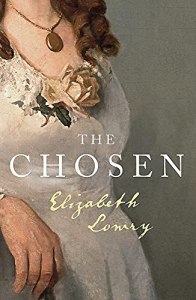
The Chosen by Elizabeth Lowry (Riverrun)

One Wednesday morning in November 1912 the ageing Thomas Hardy, entombed by paper and books and increasingly estranged from his wife Emma, finds her dying in her bedroom. Between his speaking to her and taking her in his arms, she has gone.

The day before, he and Emma had exchanged bitter words – leading Hardy to wonder whether all husbands and wives end up as enemies to each other. His family and Florence Dugdale, the much younger woman with whom he has been in a relationship, assume that he will be happy and relieved to be set free. But he is left shattered by the loss.

Hardy’s bewilderment only increases when, sorting through Emma’s effects, he comes across a set of diaries that she had secretly kept about their life together, ominously titled ‘What I Think of My Husband’. He discovers what Emma had truly felt – that he had been cold, remote and incapable of ordinary human affection, and had kept her childless, a virtual prisoner for forty years. Why did they ever marry?

He is consumed by something worse than grief: a chaos in which all his certainties have been obliterated. He has to re-evaluate himself, and reimagine his unhappy wife as she was when they first met.

*

The Sun Walks Down by Fiona McFarlane (Allen & Unwin Australia)

In September 1883, a small town in the South Australian outback huddles under strange, vivid sunsets. Six-year-old Denny Wallace has gone missing during a dust storm, and the entire community is caught up in the search for him. As they scour the desert and mountains for the lost child, the residents of Fairly – newlyweds, landowners, farmers, mothers, artists, Indigenous trackers, cameleers, children, schoolteachers, widows, maids, policemen – confront their relationships with each other and with the ancient landscape they inhabit.

The colonial Australia of The Sun Walks Down is unfamiliar, multicultural, and noisy with opinions, arguments, longings and terrors. It’s haunted by many gods – the sun among them, rising and falling on each day in which Denny could be found, or lost forever.

*
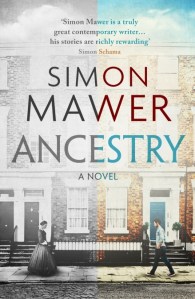
Ancestry by Simon Mawer (Little, Brown)

Almost two hundred years ago, Abraham, an illiterate urchin, scavenges on a Suffolk beach and dreams of running away to sea… Naomi, a seventeen-year-old seamstress, sits primly in a second class carriage on the train from Sussex to London and imagines a new life in the big city… George, a private soldier of the 50th Regiment of Foot, marries his Irish bride, Annie, in the cathedral in Manchester and together they face married life under arms. Now these people exist only in the bare bones of registers and census lists but they were once real enough. They lived, loved, felt joy and fear, and ultimately died. But who were they? And what indissoluble thread binds them together?

Simon Mawer’s compelling and original novel puts flesh on our ancestors’ bones to bring them to life and give them voice. He has created stories that are gripping and heart-breaking, from the squalor and vitality of Dickensian London to the excitement of seafaring in the last days of sail and the horror of the trenches of the Crimea. There is birth and death; there is love, both open and legal but also hidden and illicit. Yet the thread that connects these disparate figures is something that they cannot have known – the unbreakable bond of family.

*
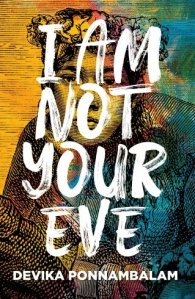
I Am Not Your Eve by Devika Ponnambalam (Bluemoose)

I Am Not Your Eve is the story of Teha’amana, Tahitian muse and child-bride to the painter Paul Gauguin. She shares her thougths as he works on one of his masterpieces, The Spirit of The Dead Keeps Watch, a work so important to Gauguin that it haunts his later self-portrait. As Teha’amana tells her story, other voices of the island rise: Hina goddess of the moon, a lizard watching from the eaves, Gauguin’s mask of Teha’amana carved from one of the trees.

Woven in are the origin myths that cradled Polynesia before French colonists brought the Christian faith. Distant diary entries by Gauguin’s daughter Aline – the same age as her father’s new ‘wife’ – recall the other hemisphere of his life. This is the novel that gives Teha’amana a voice; one that travels with the myths and legends of the island, across history and asks to be heard.

~

First of all, it’s unusual to have seven books on the shortlist! Recently there have been five or six and last year only four. I liked but didn’t particularly love either of the two I’ve read – These Days and Act of Oblivion – so I hope there’ll be something I enjoy more amongst the other five. I was disappointed not to see The Romantic on the shortlist as it was by far the best of the longlisted books I had read and probably my favourite book of 2022. However, I’m not entirely surprised as prize judges tend to go for books that are more ‘literary’, whereas I’m happy with good storytelling and strong characters. Anyway, well done to the seven shortlisted authors! I’ll see how many more of these I can read before the winner is revealed.

What do you think? Have you read any of these or would you like to read them?

The winner will be announced at the Borders Book Festival in Melrose, Scotland in June.

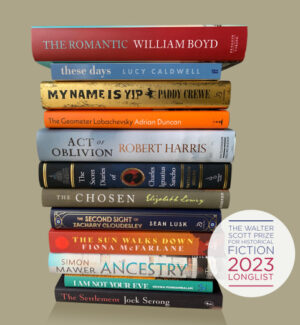
The Walter Scott Prize Longlist 2023

The longlist for the 2023 Walter Scott Prize for Historical Fiction was announced yesterday! Thanks to this prize, I have discovered lots of great books and authors and always look out for the longlists and shortlists; in fact, trying to read all of the shortlisted titles since the prize began in 2010 is a personal project of mine (you can see my progress here).
There are twelve books on this year’s longlist and here they are:

The Romantic by William Boyd (Viking)

These Days by Lucy Caldwell (Faber & Faber)

My Name is Yip by Paddy Crewe (Doubleday)

The Geometer Lobachevsky by Adrian Duncan (Tuskar Rocks)

Act of Oblivion by Robert Harris (Hutchinson Heinemann)

The Secret Diaries of Charles Ignatius Sancho by Paterson Joseph (Dialogue Books)

The Chosen by Elizabeth Lowry (Riverrun)

The Second Sight of Zachary Cloudesley by Sean Lusk (Doubleday)

The Sun Walks Down by Fiona McFarlane (Allen & Unwin)

Ancestry by Simon Mawer (Little, Brown)

I am Not Your Eve by Devika Ponnambalam (Blue Moose Books)

The Settlement by Jock Serong (Text Publishing)

~

I’m delighted to see The Romantic on the longlist as it was one of my favourite books of 2022. I would love to see it win – I really thought it was wonderful! I’m not surprised to see Act of Oblivion here too, as Robert Harris has been nominated for (and in fact, won) this prize in the past. It’s not a book that I personally loved, but I’ll be quite happy if it makes the shortlist. The only other one I’ve read is The Second Sight of Zachary Cloudesley, an entertaining read but not one I was expecting to find on the longlist, so I’ll be interested to see whether it progresses any further.

These Days, The Secret Diaries of Charles Ignatius Sancho and Ancestry are all books I’m aware of and would like to read (I have reserved These Days from the library), but I haven’t even heard of the other six! I obviously need to do some investigating.

The shortlist will be announced in April and a winner in mid-June at the Border Books Festival in Melrose, Scotland.

Have you read any of these books? Are you pleased to see them on the longlist?

Historical Musings #74: Walter Scott Prize progress report – Part Two

Welcome to this month’s post on all things historical fiction!

As I mentioned in last month’s post, I am slowly working my way through all the titles shortlisted for the Walter Scott Prize since it began back in 2010. As I haven’t been making much progress with this recently, I decided it might be motivational to take a detailed look at which books I’ve read so far and which I still need to read. Last month I looked back at the 2010-2015 shortlists – you can see that post here – and now I’m going to focus on 2016-2022.

2016

READ:

A Place Called Winter by Patrick Gale
Mrs Engels by Gavin McCrea
Salt Creek by Lucy Treloar

STILL TO READ:

Tightrope by Simon Mawer (winner)
Sweet Caress by William Boyd
End Games in Bordeaux by Allan Massie

I enjoyed A Place Called Winter and found Mrs Engels and Salt Creek interesting, but didn’t think any of them were outstandingly good. I haven’t read the winner yet, though – it’s the sequel to Mawer’s The Girl Who Fell From the Sky and I was hoping to read the two books in the correct order. Similarly, the Allan Massie book is the last in a four-novel series and I decided to start at the beginning – I’ve only read the first two so far.

2017

READ:

Days Without End by Sebastian Barry (winner)
The Good People by Hannah Kent
Golden Hill by Francis Spufford
Mothering Sunday by Graham Swift
The Gustav Sonata by Rose Tremain

STILL TO READ:

Jo Baker – A Country Road, A Tree
Charlotte Hobson – The Vanishing Futurist

I’ve made good progress with the 2017 list, reading five of the seven books. Of the ones I’ve read, I would definitely have given the prize to Golden Hill which I thought was a wonderful book. I do usually love Sebastian Barry, but Days Without End was not a favourite. Of the two I haven’t read, I have a copy of The Vanishing Futurist which I hope I’ll have time for soon.

2018

READ:

Sugar Money by Jane Harris

STILL TO READ:

The Gallows Pole by Benjamin Myers (winner)
Manhattan Beach by Jennifer Egan
Grace by Paul Lynch
The Wardrobe Mistress by Patrick McGrath
Miss Boston and Miss Hargreaves by Rachel Malik

I’m not sure why I’ve still only read one book from the 2018 shortlist! Most of the others did sound good and I had every intention of reading them soon after they were published, but never did. Anyway, I loved Sugar Money and it would probably have been my choice of winner even if I’d read the whole list as I’m a big fan of Jane Harris – I just wish she had written more books!

2019

READ:

After The Party by Cressida Connolly
The Western Wind by Samantha Harvey
Now We Shall Be Entirely Free by Andrew Miller

STILL TO READ:

The Long Take by Robin Robertson (winner)
A Long Way From Home by Peter Carey
Warlight by Michael Ondaatje

I found Now We Shall Be Entirely Free a beautifully written novel and my favourite of the three I’ve read from the 2019 list – although it didn’t have much competition as the other two books just weren’t for me. I’m looking forward to reading Warlight, which will be my first Michael Ondaatje book.

2020

READ:

To Calais, in Ordinary Time by James Meek
Shadowplay by Joseph O’Connor

STILL TO READ:

The Narrow Land by Christine Dwyer Hickey (winner)
The Parisian by Isabella Hammad
The Redeemed by Tim Pears
A Sin of Omission by Marguerite Poland

I’ve read two books from the 2020 shortlist and of the two, I preferred Shadowplay. To Calais… was clever and imaginative, but not one that I particularly liked – although I had expected it to win as it’s the sort of book judges usually seem to go for. The other four don’t really appeal, but I’ll still give them a try.

2021

READ:

The Mirror and the Light by Hilary Mantel (winner)
Hamnet by Maggie O’Farrell

STILL TO READ:

The Tolstoy Estate by Steven Conte
A Room Made of Leaves by Kate Grenville
The Dictionary of Lost Words by Pip Williams

I didn’t manage to love Hamnet the way so many other readers have, but I did love The Mirror and the Light, which I just finished reading yesterday, having bought a copy the week it was published in March 2020 and then getting distracted by the pandemic. I do like the sound of all three of the other books and hope I’ll have the opportunity to read them soon, but I’ll be surprised if any of them impress me more than The Mirror and the Light!

2022

READ:

Rose Nicolson by Andrew Greig
Fortune by Amanda Smyth
The Magician by Colm Tóibín

STILL TO READ:

News of the Dead by James Robertson (winner)

This year the shortlist was disappointingly short – only four books. Typically, I have read three of them, but not the winner! I was hoping the prize would go to Rose Nicolson, which I loved. If News of the Dead is even better, then I’m very much looking forward to reading it!

~

Have you read any of these books? Do you agree with the judges’ choices?