 The shortlist for the 2026 Walter Scott Prize for Historical Fiction has been announced today! Thanks to this prize, I have discovered lots of great books and authors over the last few years and always look out for the longlists and shortlists; in fact, trying to read all of the shortlisted titles since the prize began in 2010 is a personal project of mine (you can see my progress here).
There are five books on today’s shortlist, chosen from the longlist of twelve revealed back in February. Here are the five (blurbs all taken from Goodreads):
The 2026 Walter Scott Prize Shortlist
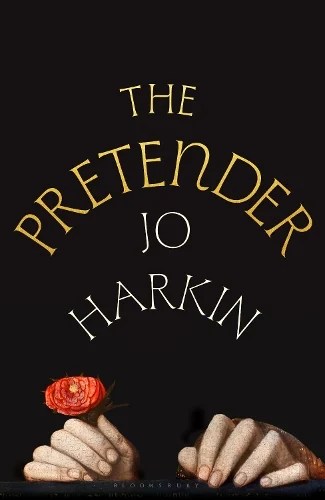 The Pretender by Jo Harkin (Bloomsbury)
1483.
The English throne is in peril.
Peasant boy and pretender John Collan is faced with two options.
a) Become king
b) Die trying
What could possibly go wrong?
Seething with revenge and machination, sparkling with wit and humanity, and roaring with adventure and bravado, The Pretender is the captivating true story of a young man tossed into the chaos of history as it happens.
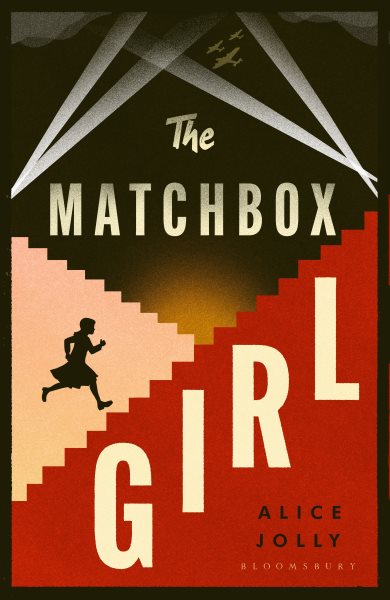 The Matchbox Girl by Alice Jolly (Bloomsbury)
Adelheid Brunner does not speak. She writes and draws instead and her ambition is to own one thousand matchboxes. Her grandmother cannot make sense of this, but Adelheid will stop at nothing to achieve her dream. She makes herself invisible, hiding in cupboards with her pet rat, Franz Joseph, listening in on conversations she can’t fully comprehend.
Then she meets Dr Asperger, a man who lets children play all day and who recognises the importance of matchboxes. He invites Adelheid to come and live at the Vienna paediatric clinic, where she and other children like herself will live under observation.
But the date is 1938 and the place is Vienna – a city of political instability, a place of increasing fear and violence. When the Nazis march into the city, a new world is created and difficult choices must be made.
Why are the clinic’s children disappearing, and where do they go? Adelheid starts to suspect that some of Dr Asperger’s games are played for the highest stakes. In order to survive, she must play a game whose rules she cannot yet understand.
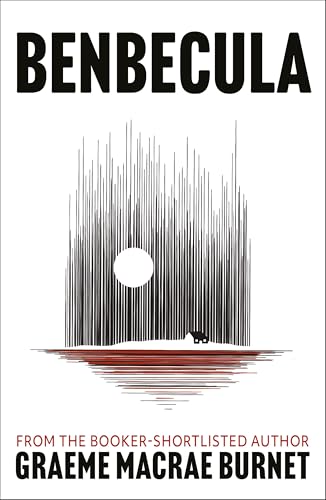 Benbecula by Graeme Macrae Burnet (Polygon)
On 9 July 1857, Angus MacPhee, a labourer from Liniclate on the island of Benbecula, murdered his father, mother and aunt. At trial in Inverness he was found to be criminally insane and confined in the Criminal Lunatic Department of Perth Prison.
Some years later, Angus’s older brother Malcolm recounts the events leading up to the murders while trying to keep a grip on his own sanity. Malcolm is living in isolation, ostracised by the community and haunted by this gruesome episode in his past.
From Graeme Macrae Burnet, the Booker-shortlisted author of His Bloody Project, comes a beguiling psychological novel set on a remote Scottish island. Based on a true story and drawing on the documentary evidence of the time, Burnet constructs a gripping narrative about madness, murder and the uncertain nature of the self.
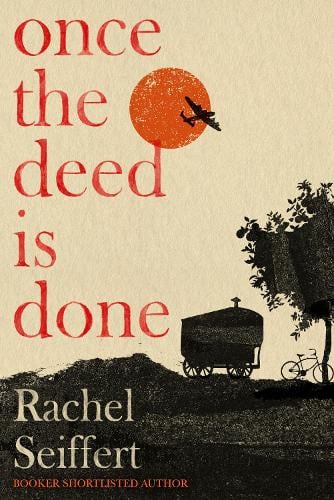 Once the Deed is Done by Rachel Seiffert (Virago)
Northern Germany, 1945. Dead of night and dead of winter, a boy hears soldiers and sees strangers – forced labourers – fleeing across the heathland by his small town: shawls and skirts in the snowfall. The end days are close, war brings risk and chance, and Benno is witness to something he barely understands.
Peace brings more soldiers – but English this time – and Red Cross staff officers. Ruth, on her first posting from London, is given charge of a refugee camp on the heathland, crowded with former forced labourers. As ever more keep arriving, she hears whispers, rumours of dark secrets about that snowy night.
The townspeople close ranks, shutting their mouths and minds to the winter’s events, but the town children are curious about the refugees on their doorstep, and Benno can’t carry his secret alone.
 Seascraper by Benjamin Wood (Viking)
Thomas lives a slow, deliberate life with his mother in Longferry, working his grandpa’s trade as a shanker. He rises early to take his horse and cart to the grey, gloomy beach to scrape for shrimp; spending the rest of the day selling his wares, trying to wash away the salt and scum, pining for Joan Wyeth down the street and rehearsing songs on his guitar. At heart, he is a folk musician, but it remains a private dream.
When a striking visitor turns up, bringing the promise of Hollywood glamour, Thomas is shaken from the drudgery of his days and begins to see a different future. But how much of what the American claims is true, and how far can his inspiration carry Thomas?
Haunting and timeless, this is the story of a young man hemmed in by his circumstances, striving to achieve fulfilment far beyond the world he knows.
~
I’ve only read Seascraper from this list, which I loved – in fact, it was one of my books of the year in 2025 – and I also have a copy of Benbecula, which I’m hoping to read soon. Of the remaining three, I’m not really looking forward to The Pretender as although it’s set in a period I enjoy, it seems to be written in the sort of style I often struggle with. I don’t know much about the other two but will be interested to see how I get on with them.
What do you think? Have you read any of these or would you like to read them?
The winner will be announced at the Borders Book Festival in Melrose on 12th June.
 She Reads Novels
Great to see Seascraper on there!
I’ve read all of them except Once the Deed is Done which is now moving up my TBR pile.
I enjoyed The Pretender. I had to read it twice as it was on the Winston Graham Historical Prize shortlist. I didn’t mind the style, I just thought it got a bit bogged down in the middle. (My fellow judges agreed it was too long.)
I’m glad to see The Matchbox Girl make the list, especially as it was one of my predictions. The quirky style of its narrator and dark subject matter won’t be for everyone though.
I thought Benbecula might make the list and I really enjoyed it.
Look forward to hearing your thoughts if you read any more of them.
I haven’t read any of these, but Alice Jolly always has the coolest premises; The Matchbox Girl does appeal.