Bloggers’ end-of-year posts have been appearing for a few weeks now and I’ve enjoyed reading them, but I like to leave compiling my own list until the end of December as there’s always a chance I might read something wonderful in the final days of the year. With only two days to go now, I know I won’t be finishing any more books in 2013 so I thought it would be safe to post my list today! And here they are: my favourite books of the year, in alphabetical order.

Aurora Floyd by Mary Elizabeth Braddon
(Read in March)
From my review: “Aurora Floyd, like Lady Audley’s Secret, is a Victorian sensation novel which means you can expect a story filled with mystery, murder and family secrets…It has been a few years since I last read anything by Mary Elizabeth Braddon and I had forgotten how much I like her writing.”
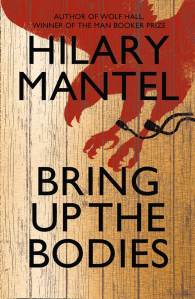
Bring up the Bodies by Hilary Mantel
(Read in July)
From my review: “By allowing us to follow events through Cromwell’s eyes, Mantel makes what to many of us is a familiar story feel like a fresh and interesting one – and in a world already filled with Tudor novels this is a real accomplishment!”
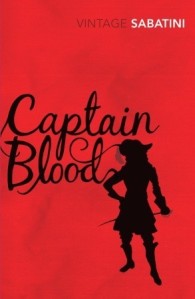
Captain Blood by Rafael Sabatini
(Read in July)
From my review: “With my general dislike of books set on ships I thought the seafaring elements might be too much for me. I was wrong. Captain Blood is another wonderful book…I recommend giving it a try even if pirate stories don’t sound appealing to you, as it’s worth reading this one just to meet Peter Blood!”
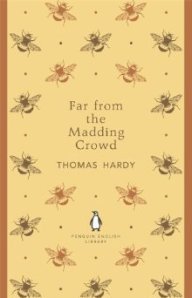
Far from the Madding Crowd by Thomas Hardy
(Read in May)
From my review: “Of all the Hardy novels that I’ve read, with the possible exception of Under the Greenwood Tree, this is the most pastoral, with lots of beautiful descriptions of the countryside and lots of information on farming and agriculture. I should now be able to shear sheep, hive bees, forecast the weather by watching the movements of slugs and toads, and deal with a fire in a hayrick! (Well, maybe not.)”

The Golem and the Djinni by Helene Wecker
(Read in August)
From my review: “As a first novel, The Golem and the Djinni was a very ambitious one but everything worked perfectly. There were so many things about this book that impressed me – the beautiful writing, the clever plot, the blending of fantasy with historical fiction, and most of all, the wonderful characterisation of both Chava and Ahmad.”

The Iron King by Maurice Druon
(Read in February)
From my review: “Originally published in the 1950s, this is the first in the seven-volume “Accursed Kings” series and tells the story of a fascinating period of French history. The Iron King was one of the most entertaining historical fiction novels I’ve read for a while…with a plot involving murder, torture, poisonings, court intrigue, and family feuds, there was always something happening.”
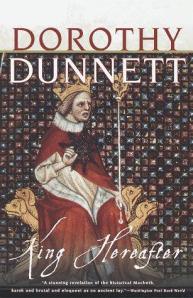
King Hereafter by Dorothy Dunnett
(Read in June)
From my review: “King Hereafter is set in eleventh-century Orkney and Scotland (known at that time as Alba) and is based around the idea that Macbeth, the historical King of Alba, and Thorfinn, Earl of Orkney, were the same person…Although the Lymond Chronicles are still my favourites, I can definitely see why some people would consider this Dorothy Dunnett’s best book. It’s amazingly detailed and well-researched, as well as being a very powerful and emotional story.”
Life After Life by Kate Atkinson
(Read in April)
From my review: “Life After Life is a very clever, complex novel; I was so impressed by it! With such an unusual and complicated plot it could have been a disaster, but it wasn’t; I thought everything worked perfectly and although I found it confusing at first, after the first few chapters I knew I was going to love the book.”
Like This, For Ever by S.J. Bolton
(Read in April)
From my review: “I found the mystery very difficult to solve – there were several times when I was convinced I knew who the murderer was, only to be proved wrong, wrong and wrong again! I was completely taken by surprise by most of the plot twists (and there are a lot of them). I should have remembered that nothing is ever as it seems in a Bolton novel and if things appear too obvious, it’s usually because they are.”
The Lions of Al-Rassan by Guy Gavriel Kay
(Read in August)
From my review: “Although this novel is set in a fictional land, the parallels with a real period of history made me feel that I was gaining a better understanding of medieval Spain. But as well as the history, there’s also a lot of drama and excitement throughout the novel…What I really loved about this book, though, was the portrayal of the three main characters and the relationships between them.”

The Midwich Cuckoos by John Wyndham
(Read in October)
From my review: “I wasn’t sure what to expect from this book, but The Midwich Cuckoos was probably the perfect type of science fiction for me – instead of being filled with too much action or violence, it’s a subtle, thought provoking portrayal of a small, seemingly normal community trying to cope with something that is threatening their way of life.”

The Painted Veil by W Somerset Maugham
(Read in March)
From my review: “I really didn’t expect to love this as much as I did. I’m so pleased to find that I was wrong! The Painted Veil is one of the best books I’ve read so far this year. I found Maugham’s writing much easier to read than I had thought it might be, but also filled with beauty, poignancy and emotion.”
The Private Memoirs and Confessions of a Justified Sinner by James Hogg
(Read in January)
From my review: “This, his most famous novel, is part horror story, part murder mystery and part gothic fiction, but it also incorporates elements of religion, Scottish folklore, the supernatural and even some humour and satire…this is one of the most fascinating and original classics I’ve read and I can’t believe it isn’t better known.”
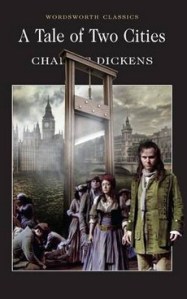
A Tale of Two Cities by Charles Dickens
(Read in November)
From my review: “This is the sixth Dickens novel I’ve read and my favourite so far. I think part of the reason I loved this book so much was that in many ways it was very different from the others I’ve read… I don’t want to say too much and spoil the story for anyone who hasn’t read it yet, but the ending is heartbreaking. This is the first Dickens novel that has made me cry!”
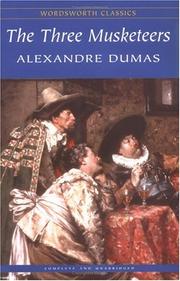
The Three Musketeers by Alexandre Dumas (re-read)
(Read in March)
From my review: “I love Alexandre Dumas and although The Three Musketeers is not my favourite of the novels of his that I’ve read I still think it’s a wonderful book with some great characters. I had forgotten enough so that I could be surprised by the twists and turns of the plot, but remembered just enough to be able to look forward to some of my favourite parts.”
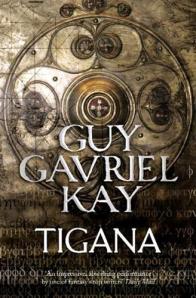
Tigana by Guy Gavriel Kay
(Read in June)
From my review: “This is the first book by Guy Gavriel Kay I’ve read, although I’ve been aware of his books for years and am now annoyed with myself for waiting so long to actually read one! I loved Tigana – not unreservedly, but enough to make it one of my books of the year so far.”

Twenty Years After by Alexandre Dumas
(Read in September)
From my review: “I found Twenty Years After a much more complex book than The Three Musketeers…but there’s still plenty of swashbuckling adventure and I definitely thought this book was just as much fun to read as the first one. As I expected, Twenty Years After has definitely been one of my most enjoyable reads of the year! The Vicomte de Bragelonne awaits…”
***
Have you read any of these books? What are the best books you’ve read this year?
This will be my final post of 2013 so I’d like to wish you all a Happy New Year!


 She Reads Novels