Nonfiction November: Week 5 – New to my TBR

The host for week 5 of Nonfiction November is Deb of Readerbuzz and here is this week’s topic:

It’s been a month full of amazing nonfiction books! Which ones have made it onto your TBR? Be sure to link back to the original blogger who posted about that book!

Here are some of the books I’ve seen other bloggers mention during Nonfiction November that I would be interested in reading:

Moonlight Express: Around the World by Night Train by Monisha Rajesh
(Frances at Volatile Rune)

An account of the author’s travels by sleeper train.

Monsterland by Nicholas Jubber
(Shelleyrae at Book’d Out)

A book exploring myths and legends about monsters.

The Notebook: A History of Thinking on Paper by Roland Allen
(Heather at Based on a True Story)

A history of the humble notebook.

Islands of Abandonment by Cal Flyn
(Margaret at BooksPlease)

A book exploring some of the world’s most abandoned places.

Raising Hare by Chloe Dalton
(Deb at Readerbuzz)

An account of raising an abandoned baby hare.
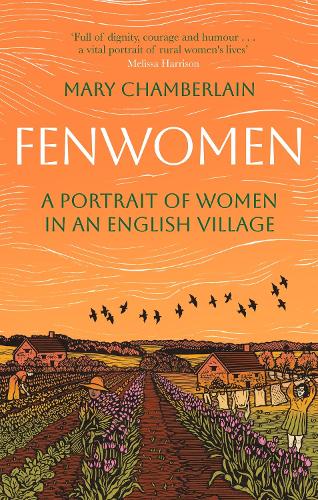
Fenwomen by Mary Chamberlain
(Kay at What? Me Read?)

A group of women look back at their lives in a village in the Cambridgeshire Fens.
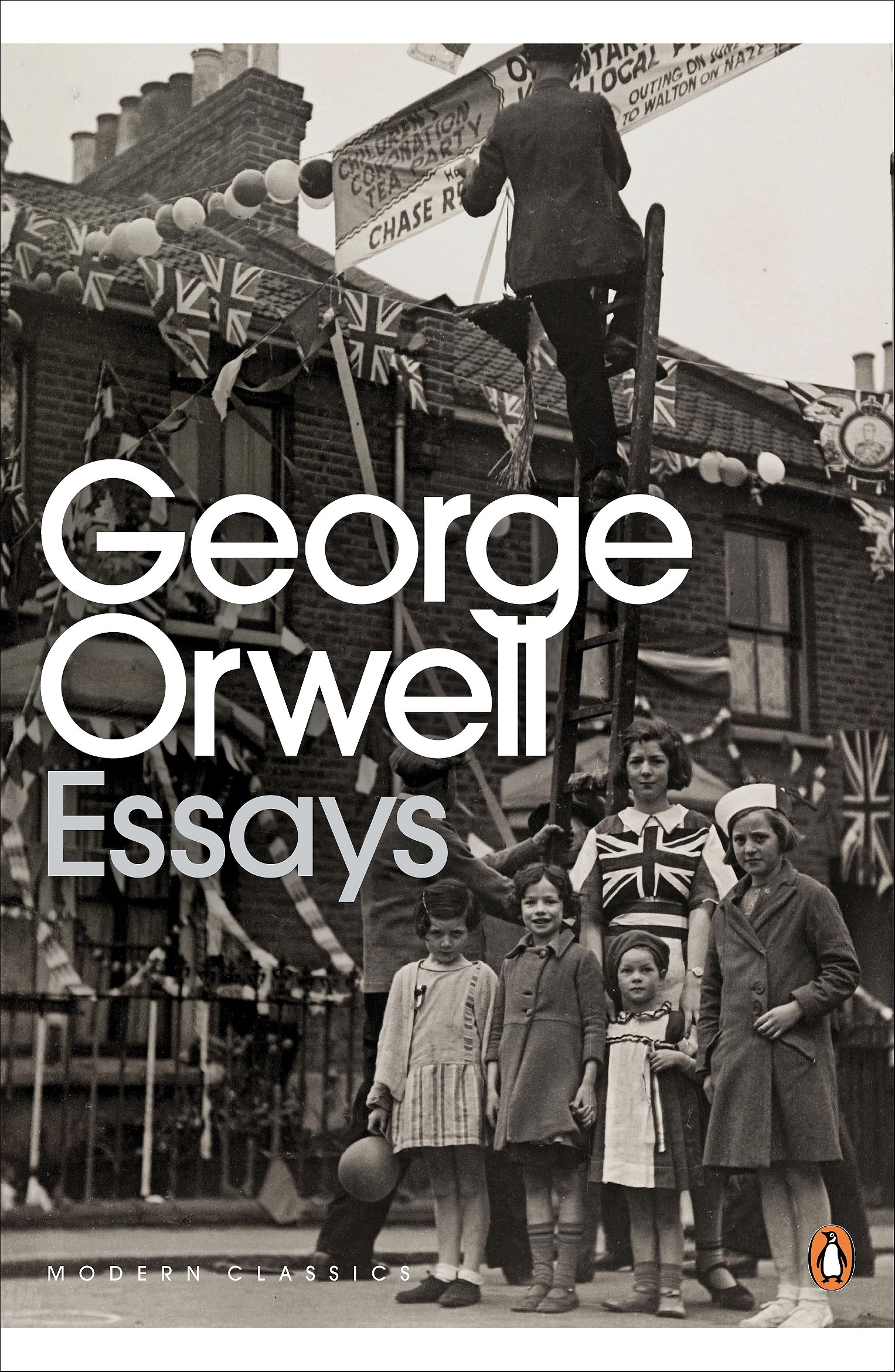
Essays by George Orwell
(Elle at Elle Thinks)

A collection of Orwell’s essays on a variety of subjects.
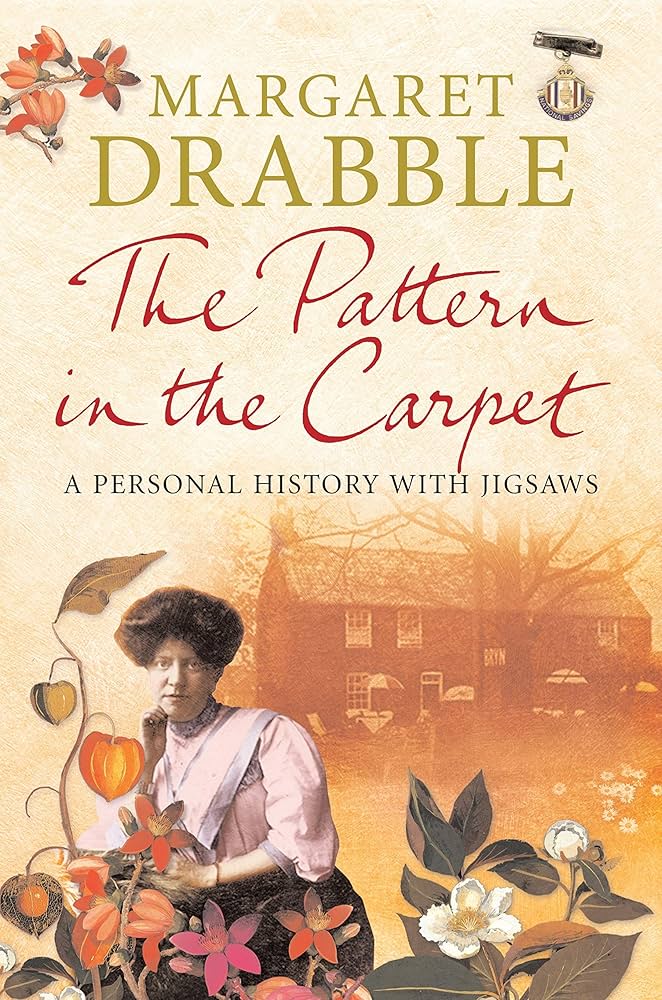
The Pattern in the Carpet by Margaret Drabble
(Margaret at BooksPlease)

A history of the jigsaw and Drabble’s own memories of completing jigsaws with her aunt as a child.
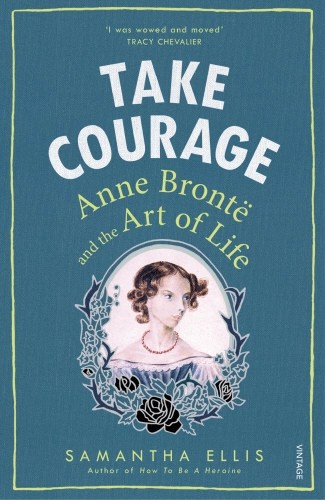
Take Courage by Samantha Ellis
(Cathy at What Cathy Read Next)

A look at the life and work of Anne Brontë.

~

Have you read any of these? What have you added to your TBR during Nonfiction November?

Nonfiction November: Week 4 – Diverse Perspectives

The host for week 4 of Nonfiction November is Rebekah of She Seeks Nonfiction and here is this week’s topic:

Nonfiction books are one of the best tools for seeing the world through someone else’s eyes. They allow us to get an idea of the experiences of people of all different ages, races, genders, abilities, religions, socioeconomic backgrounds, or even just people with different opinions than ours. Is there a book you read this year from a diverse author, or a book that opened your eyes to a perspective that you hadn’t considered? How did it challenge you to think differently?

I’ve only read seven nonfiction books this year and sadly only one of them includes diverse perspectives – so that’s the book I’m going to focus on here. It’s A History of England in 25 Poems by Catherine Clarke. In this book, Clarke selects twenty-five poems and uses them to explore England’s history, culture and identity, taking us from the 8th century right through to the modern day. As you would expect, many of the poems, particularly the older ones, are written by white Englishmen, but Clarke has also included some written by women and people of other nationalities and backgrounds. Here are some that stood out:

To the Right Honourable William, Earl of Dartmouth by Phillis Wheatley (1773)

Phillis Wheatley was the first African American woman to have her poems published. She was born in West Africa, where she was sold into slavery and bought by the Wheatley family of Boston. She was later emancipated after her first book of poetry was published. In 1773, the Earl of Dartmouth had recently been appointed secretary of state for the colonies and Phillis wrote him this poem to express her hope that he would be supportive of freedom and justice.

Hurricane Hits England by Grace Nichols (1996)

Grace Nichols is a Guyanese poet who moved to Britain in 1977. This poem is about the Great Storm of 1987, which she experienced while living in England, and how it brought back childhood memories of hurricanes in the Caribbean, helping her to form a connection between life in her new country and her homeland.

England’s Glory by Fleur Adock (1986)

Fleur Adcock spent most of her adult life in England but was born in New Zealand. In this poem, she looks at England’s north-south divide and explores cultural differences and stereotypes in a humorous way, using two different brands of matches to represent the characteristics of northerners and southerners.

Crumble-Hall by Mary Leapor (1751)

Mary Leapor is an English poet who, unusually for her time period, came from a working class background and worked as a kitchen maid. She died from measles at the age of just twenty-four but two volumes of her poetry were published posthumously. Crumble-Hall is a satire on the 18th century country house poem, written from a servant’s perspective.

~

Do you know any of these poems? And have you read any nonfiction this year that is written by a diverse author or includes unusual perspectives?

Nonfiction November: Week 3 – Book Pairings

I’m taking part in Nonfiction November this month and this week’s topic is one I always enjoy: book pairings! Our host for Week 3 is Liz of Adventures in Reading, Running and Working from Home and here is the prompt:

This week, pair up a nonfiction book with a fiction title. Maybe it’s a historical novel and the real history in a nonfiction version, or a memoir and a novel, or a fiction book you’ve read and you would like recommendations for background reading. Or maybe it’s just two books you feel have a link, whatever they might be. You can be as creative as you like!

For my nonfiction book, I’ve chosen Come, Tell Me How You Live by Agatha Christie, which I read earlier this year. It’s her memoir describing her trips to Syria in the 1930s accompanying her archaeologist husband, Max Mallowan, on digs. I can think of three fiction books that would make good pairs, so I have listed all three below.

Murder in Mesopotamia by Agatha Christie is the most obvious choice. It’s a Poirot mystery published in 1936 and is set on the site of an archaeological dig near Hassanieh, Iraq. Apparently Christie drew on her own experiences of visiting an excavation at Ur and she based some of the characters on people she and Max knew.

Crocodile on the Sandbank by Elizabeth Peters is the first in the Amelia Peabody mystery series and also features a narrator who participates in archaeological digs, this time in 19th century Egypt. I’ve enjoyed the first three books in the series and am looking forward to the next one.

The Gabriel Hounds by Mary Stewart isn’t about archaeology, but it is set in Syria – and also in Lebanon, where our narrator, Christy, goes to visit her eccentric Great-Aunt Harriet, a character based on the real-life adventurer and explorer Lady Hester Stanhope. I love Mary Stewart’s books and this is a very entertaining one!

~

Have you read any of these? Can you think of other novels about archaeology or set in Syria?

Nonfiction November: Week 2 – Choosing Nonfiction

This week’s prompt for Nonfiction November is hosted by Frances of Volatile Rune – and here it is:

There are many topics to choose from when looking for a nonfiction book. For example: Biography, Autobiography, Memoir, Travel, Health, Politics, History, Religion and Spirituality, Science, Art, Medicine, Gardening, Food, Business, Education, Music. Maybe use this week to challenge yourself to pick a genre you wouldn’t normally read? Or stick to what you usually like is also fine. If you are a nonfiction genre newbie, did your choice encourage you to read more?

I’m not very adventurous when it comes to nonfiction and tend to stick to the same few topics most of the time:

History e.g. The Brothers York by Thomas Penn; Powers and Thrones by Dan Jones

Memoir e.g. The Oaken Heart by Margery Allingham; A Chelsea Concerto by Frances Faviell

Biography e.g. Samuel Pepys: The Unequalled Self by Claire Tomalin; The Real Enid Blyton by Nadia Cohen

True crime e.g. The Wicked Boy by Kate Summerscale; Murder by the Book by Claire Harman

I don’t often read any nonfiction that falls outside of these categories, but I’m always open to trying new things and I think participating in Nonfiction November is a good way to find books on other topics that I might enjoy.

So what have I decided to read during Nonfiction November this year? First, I’m trying to finish The Eagle and the Hart by Helen Castor, a very long book that I’ve been reading for a few months but keep putting aside to read other things. It’s about the relationship between Richard II and Henry IV…so yes, another history book! I’ve also just started reading 100 Books to Live By by Joseph Piercy, which I have from NetGalley. I don’t seem to read much nonfiction about books and literature and I have no idea why!

~

How do you choose which nonfiction books to read? Do you stick to the same topics or do you like to challenge yourself to read something different?

Nonfiction November: Week 1 – My Year in Nonfiction

I’m taking part in Nonfiction November which starts today and is hosted by Heather of Based on a True Story, Frances of Volatile Rune, Liz of Adventures in Reading, Running and Working from Home, Rebekah of She Seeks Nonfiction and Deb of Readerbuzz.

This week, Heather has posted the following questions for us to answer:

Week 1 – Your Year in Nonfiction:

What books have you read?
What were your favorites?
Is there a topic you want to read about more?
What are you hoping to get out of participating in Nonfiction November?
I’m not someone who reads a huge amount of nonfiction, but this year I’ve read more of it than usual – seven books so far and I am in the middle of an eighth. Here are the links to my reviews:

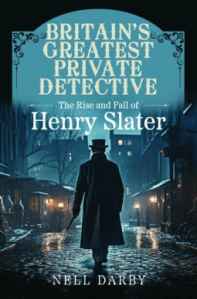
1. Britain’s Greatest Private Detective by Nell Darby
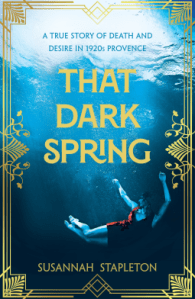
2. That Dark Spring by Susannah Stapleton
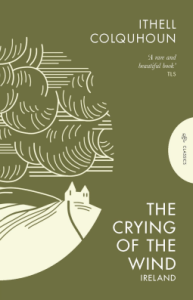
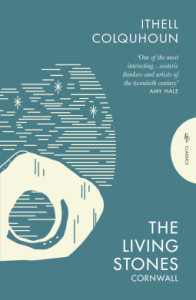
3. The Crying of the Wind: Ireland by Ithell Colquhoun
4. Come, Tell Me How You Live by Agatha Christie
5. Masquerade Balls in Regency Britain by Anne Glover
6. The Living Stones: Cornwall by Ithell Colquhoun
7. A History of England in 25 Poems by Catherine Clarke

These are all either history, true crime, memoirs or travel books, which isn’t very surprising as these are the topics I tend to always be drawn to when it comes to nonfiction. Of these seven books, my favourites are Christie’s Come, Tell Me How You Live, her account of accompanying her archaeologist husband on digs in Syria in the 1930s, and A History of England in 25 Poems, which I found fascinating (and much more of a history book than a poetry anthology).

I’m hoping that taking part in Nonfiction November will encourage me to read more nonfiction and find some new books and authors to add to my nonfiction TBR (which is much, much smaller than my fiction TBR).

Do you like to read nonfiction? Will you be joining in with Nonfiction November this year?

Nonfiction November: Week 5 – New to my TBR

Here’s the final weekly topic for this year’s Nonfiction November:

Week 5 (11/25-11/29) New To My TBR: It’s been a month full of amazing nonfiction books! Which ones have made it onto your TBR? Be sure to link back to the original blogger who posted about that book! (Deb)

~

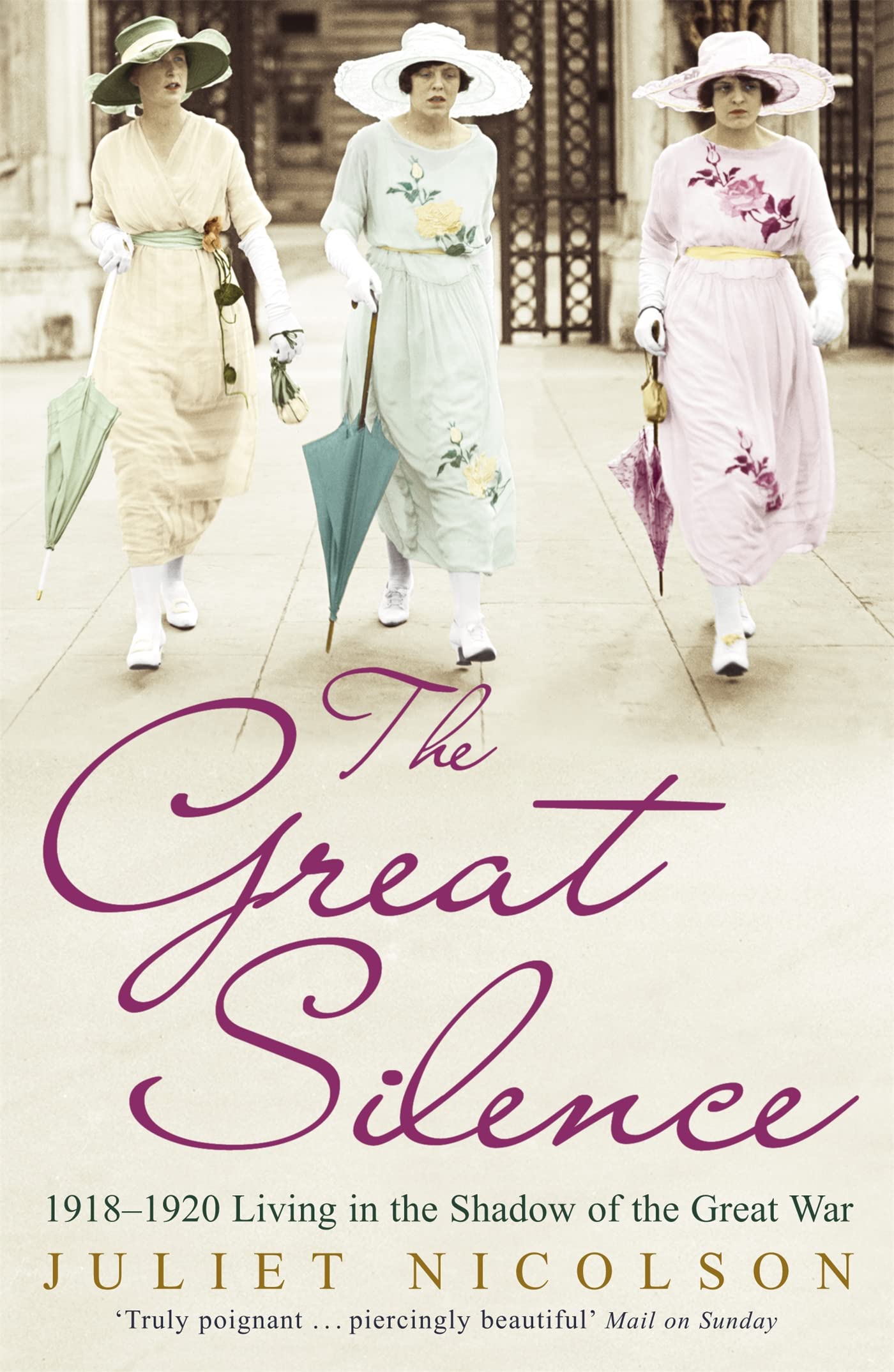
The Great Silence by Juliet Nicolson
(Lisa at Hopewell’s Public Library of Life)

The story of the period from 1918-1920, as people adjust to a world at peace following the end of the Great War.

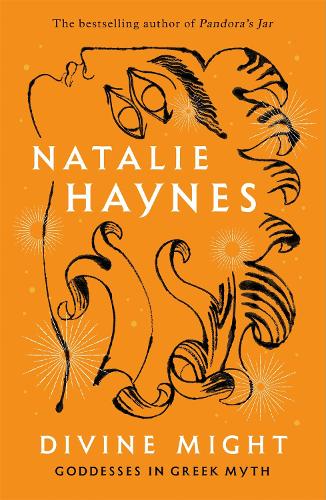
Divine Might by Natalie Haynes
(Stephanie at Bookfever)

I’ve read some of Natalie Haynes’ fiction, but this non-fiction book tells the stories of several Greek goddesses including Hera, Demeter and the Furies.

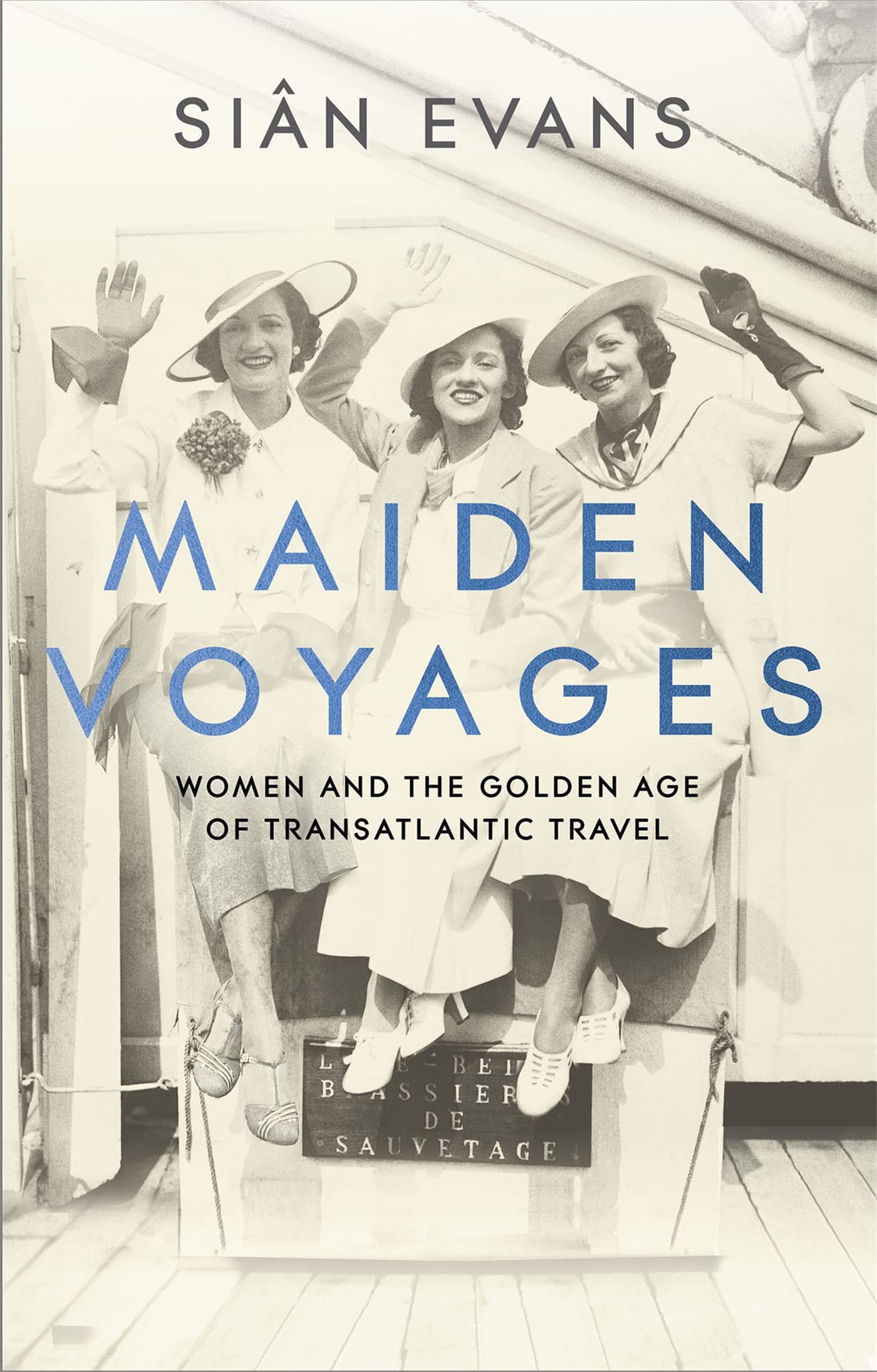
Maiden Voyages by Siân Evans
(Margaret at BooksPlease)

A book exploring the lives of women at sea during the Golden Age of transatlantic travel.

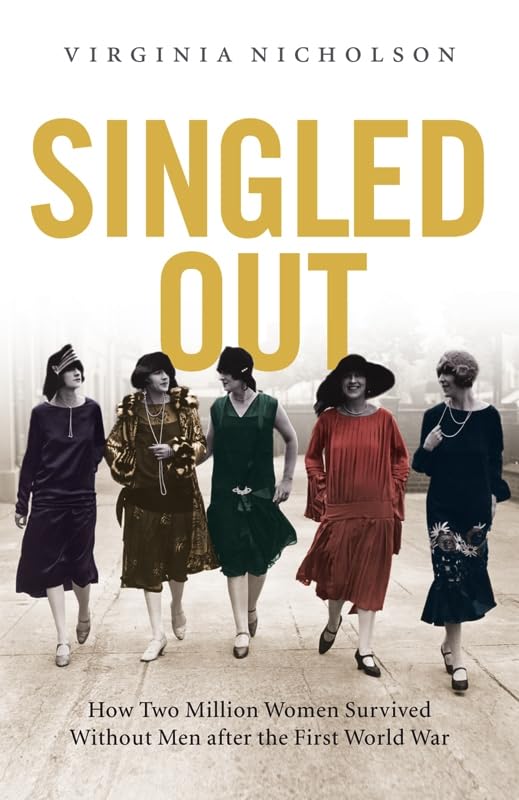
Singled Out by Virginia Nicholson
(Lisa at Hopewell’s Public Library of Life)

A book about the experiences of the two million ‘surplus’ women faced with remaining spinsters due to the loss of so many men during the First World War.

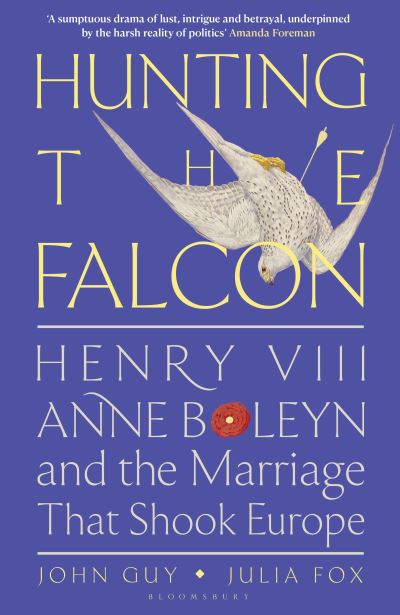
Hunting the Falcon by John Guy
(Kay at What? Me Read?)

The subtitle Henry VIII, Anne Boleyn and the Marriage That Shook Europe tells you what it’s about!

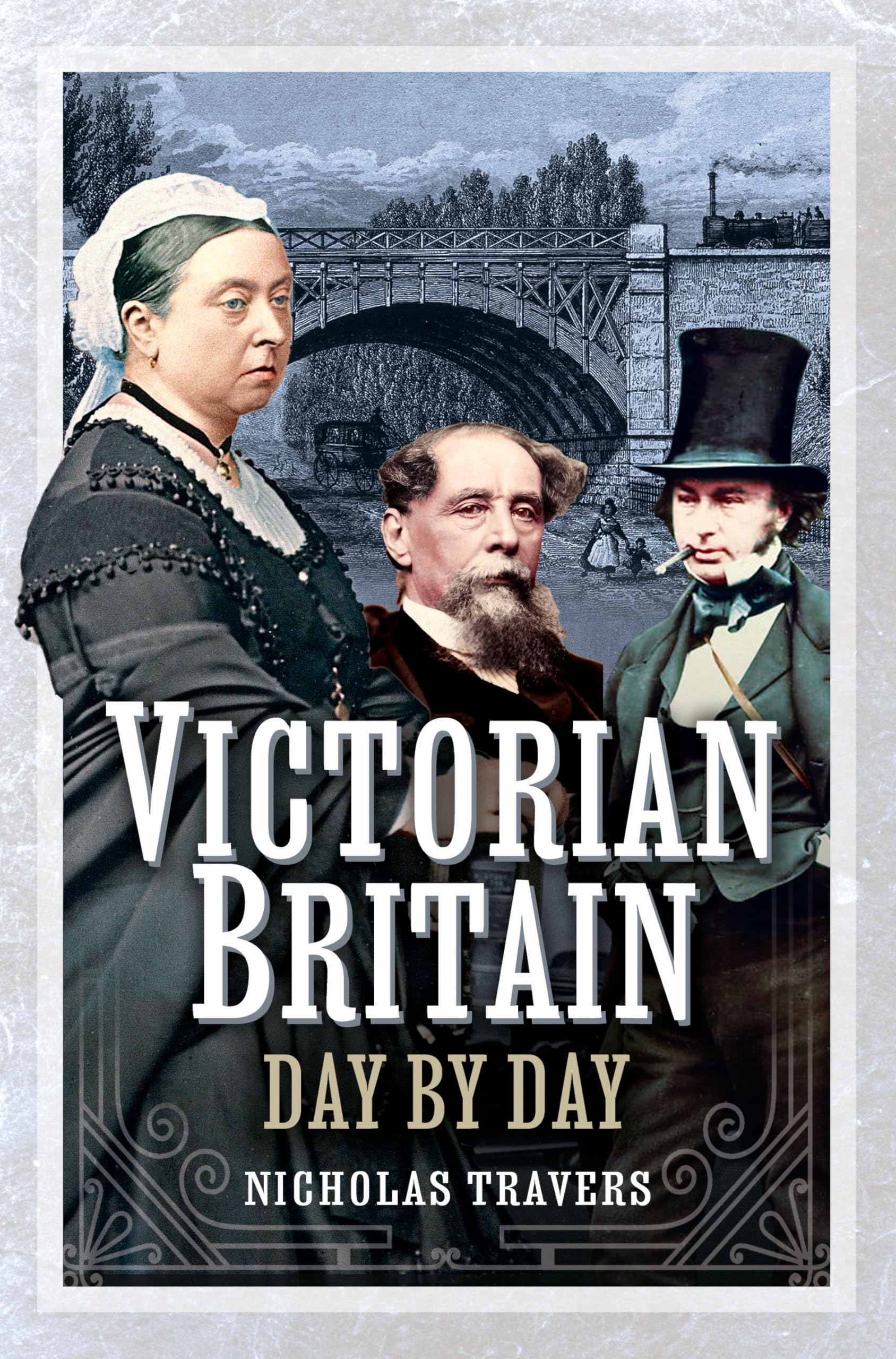
Victorian Britain Day by Day by Nicholas Travers
(Mallika at Literary Potpourri)

A collection of important events in Victorian history, arranged by the day of the year on which they occurred.

~

Have you read any of these? Did you take part in Nonfiction November and if so, what did you add to your TBR this month?

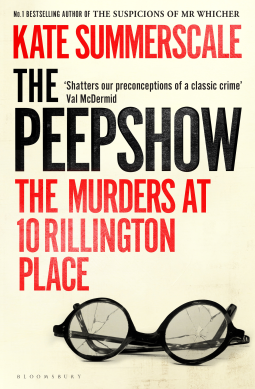
The Peepshow: The Murders at 10 Rillington Place by Kate Summerscale

When I first saw the title of Kate Summerscale’s new true crime book, I wondered if it dealt with the Thompson/Bywaters murder case, the subject of A Pin to See the Peepshow by F. Tennyson Jesse. Then I saw the subtitle and knew this was a book about a different crime – the John Reginald Christie murders at 10 Rillington Place in London. However, I was partly right, because Tennyson Jesse herself was actually involved in this case as well and appears in this book in her role as author and journalist.

In March 1953, John Reginald Christie was arrested following a seven-day manhunt after the bodies of three women were found in his kitchen alcove. The body of his wife, Ethel, was then discovered under the floorboards, as well as the remains of two more women in the garden. Christie admitted to being responsible for all of these deaths and was hanged in July 1953. However, just three years earlier, Timothy Evans, another tenant at the same address, was believed to have killed his wife and baby daughter and was also hanged. Evans had changed his story several times and after withdrawing a confession he had made to the police, he accused Christie of committing both murders. Did the jury get it wrong and hang an innocent man, allowing Christie to go on killing more people?

The Peepshow is a detailed and thorough account of the Rillington Place murders – sometimes a bit too detailed, for example where we are given the personal histories of the most minor of characters or a list of every single reported sighting of Christie in a seven day period. In general, though, it’s all interesting information that adds up to a full picture of not just the crime itself but also the state of British society in the early 1950s. Some of Christie’s victims were prostitutes or from deprived backgrounds and Summerscale spends a lot of time discussing their stories and the sequence of events that brought them into contact with their killer. She also explores the racist attitudes of the period – it seemed that many of the white residents of Rillington Place were so busy complaining about living amongst black people, they failed to notice that they were also sharing the building with at least one murderer. Other topics Summerscale touches upon include illegal abortions (Christie carried these out in his rooms at Rillington Place) and the poor living conditions in multiple-occupancy housing.

To give the book a more personal touch, Summerscale focuses on two people who were investigating the murders from different perspectives. One was Harry Procter, star reporter with the Sunday Pictorial, who arrived at Rillington Place to report on the discovery of the bodies in the kitchen – and remembered that three years earlier he had visited the same house to interview Christie about the Timothy Evans case. Now, with more information available, Procter became convinced that he – and the police – made a terrible mistake and that it was in fact Christie who was responsible for the murders of Beryl and baby Geraldine.

Procter’s theory was shared by the author Fryn Tennyson Jesse, who was researching the case for a new book in the Notable British Trials series. Fryn was dealing with morphine addiction and poor eyesight, but was determined to attend Christie’s trial, where she came to the same conclusion as Procter. However, there was very little appetite from the authorities to look again at the Evans case – the police didn’t want to admit that they failed to identify the correct culprit and it’s believed that the Tory government of the time didn’t want to cast doubt on the justice system as it would strengthen opposition to the death penalty. Although Timothy Evans has now been posthumously pardoned, it seems that we still don’t know for certain what happened to Beryl and Geraldine Evans and if you’re hoping for answers or lots of new evidence, you’re not going to find anything conclusive in The Peepshow. I was left feeling confused about the whole thing, which isn’t really Summerscale’s fault – the confusion was caused by both Evans and Christie confessing to various murders, then changing their stories – but it’s not very satisfying if you prefer everything to be neatly wrapped up at the end of a book.

I did find this an interesting read, although I think it needed more structure; it seemed to jump around a lot, from one topic to another and backwards and forwards in time, which stopped it from flowing as well as it could have done. Still, it was good to learn more about this complex true crime and the social conditions that may have contributed to it.

Thanks to Bloomsbury Circus for providing a copy of this book for review via NetGalley.