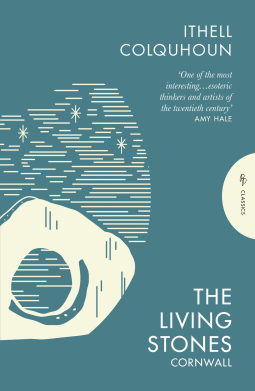
The Living Stones: Cornwall by Ithell Colquhoun

Earlier this year I enjoyed reading Ithell Colquhoun’s The Crying of the Wind, an account of the author’s travels around Ireland, so I decided to read her other travel book, The Living Stones, published two years later in 1957. This one is inspired by her visits to Cornwall in the late 1940s, where she came in search of escape from post-war London. As an artist, she wanted a suitable property to use as an occasional refuge where she could paint in peace and in 1949 she purchased Vow Cave, a small wooden studio with very basic living facilities.

Vow Cave (Colquhoun tells us that Vow is derived from vugha, the Cornish word for cave) is in the village of Lamorna on the Penwith peninsula a few miles from Penzance. Although she writes about the landscape, the surrounding countryside and some local places of interest, this book isn’t really a travelogue in the same sense as The Crying of the Wind, where the author described trips and excursions to different areas of Ireland. Instead, she explores the culture and history of Cornwall in general, with chapters devoted to separate topics, giving it almost the feel of a collection of short essays.

Lots of Cornish customs and rituals are discussed, ranging from the Gorsedh of Cornwall, or gathering of the bards, and the ‘Obby ‘Oss (hobby horse) festival in Padstow to the Furry Day celebrations which mark the arrival of spring (the name likely has nothing to do with fur and comes from the Cornish word for ‘fair’ or ‘feast’). There’s a chapter on traditional Cornish foods such as potato cakes, Cornish cream and the Cornish pasty, and another on folk medicine and witchcraft – Colquhoun has a particular interest in the occult. Some sections are fascinating, although there were others where I found my attention wandering.

Both books I’ve read by this author feel random and meandering, lacking in focus. I found that the best way to read them was in small doses, a few short chapters at a time alternating with other books, rather than straight through from beginning to end. As a pair, they’re definitely worth reading if you have any interest in Ireland or Cornwall, and I did learn a lot from them. Colquhoun has also written a novel, Goose of Hermogenes, which sounds intriguing!

Thanks to Pushkin Press Classics for providing a copy of this book for review via NetGalley.
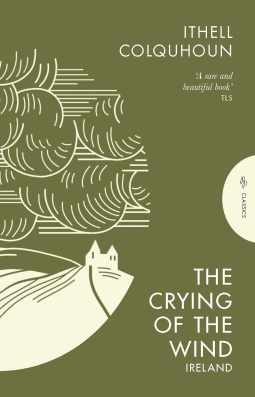
The Crying of the Wind: Ireland by Ithell Colquhoun

Ithell Colquhoun was a completely new name for me when I spotted this book on NetGalley recently, but I know now that she was a prominent British surrealist painter in the 1930-40s, as well as an occultist, poet and author of both fiction and non-fiction. The Crying of the Wind, originally published in 1955, describes her travels around Ireland and her impressions of the people she meets and places she visits. It’s the first of three travel books she wrote, with a book on Cornwall following in 1957 and then one on Egypt which has never been published.

Colquhoun bases herself near the village of Lucan on the River Liffey, to the west of Dublin. In each chapter, she sets out on a walk or an excursion by car to visit different parts of Ireland, including Glendalough, Connemara and Cashel. The structure seems a bit haphazard, with no real order or pattern to the places she visits, and the book definitely has the feel of a personal journal rather than something you could use to plan out your own travels. It’s an interesting book, though, and I did enjoy reading it. The descriptive writing is beautiful at times, as you would expect from a book written by a painter; here she describes the approach to Connemara’s Twelve Bens mountain range:

Across miles of mulberrydark bogland we drove towards them, the tawny of king ferns lining the ditches that bordered the road. Air of a wonderful transparency arched above us, blue washed with white gold. I did not regret our slow pace, enforced by the pot-holes in the road, since I could watch the mountains from gradually shifting angles.

Although Colquhoun includes some anecdotes about her encounters with Irish people, the way they live and the conversations she has with them, the main focus of her writing is on the beauty of the natural environment and on places of historical interest such as old churches, holy wells and remains of ancient forts and towers. She often laments the rate of progress and its effect on the natural world; when walking in the countryside, she is very aware of the noise of traffic on busy roads nearby and the sights of new housing developments and factory chimneys altering the landscape forever.

With her interest in the occult, Colquhoun spends a lot of time discussing the myths, legends and folklore of each place she visits. She believes in ghosts, spirits and supernatural beings and accepts their existence in a very matter-of-fact way.

Their forms vary; a friend described one she had seen on some downs in Dorsetshire as being ‘the size of a haystack, opaque but fluid at the edges, moving very quickly’; another is sometimes seen like a tower racing over wide sands on the north coast of Cornwall. I have myself seen in Cornwall one like a massive pillar of unknown substance, with filaments stretched from the top seemingly to hold it to the ground like the guy-ropes of a tent.

The Crying of the Wind is an unusual travel book, then, and also a fascinating one. I’ll look forward to reading her Cornwall book, The Living Stones, which is also available in a new edition from Pushkin Press.

Thanks to Pushkin Press Classics for providing a copy of this book for review via NetGalley.
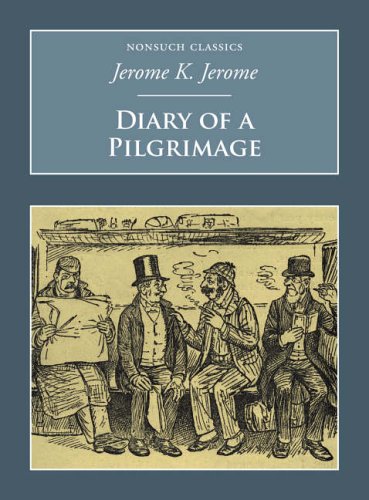
Diary of a Pilgrimage by Jerome K. Jerome

I ought, of course, to sit down in front of this diary at eleven o’clock at night, and write down all that has occurred to me during the day. But at eleven o’clock at night, I am in the middle of a long railway journey, or have just got up, or am just going to bed for a couple of hours. We go to bed at odd moments, when we happen to come across a bed, and have a few minutes to spare. We have been to bed this afternoon, and are now having another breakfast; and I am not quite sure whether it is yesterday or to-morrow, or what day it is.

Jerome K. Jerome’s hilarious Three Men in a Boat is one of my favourite novels from the late Victorian period. I have since tried several of his other books – Three Men on the Bummel, The Idle Thoughts of an Idle Fellow and now this one, Diary of a Pilgrimage – hoping to find another one as good, and although I’ve found them slightly disappointing in comparison, they are still amusing and entertaining. His books also tend to be much shorter than the average Victorian classic and are perfect if you need something light and uplifting between longer, more challenging reads.

Diary of a Pilgrimage, first published in 1891, is very similar to the Three Men books in structure and style. Our narrator, J, is off on his travels again, this time on a ‘pilgrimage’ to Germany to see the famous Passion Play at Oberammergau, a performance which has been regularly taking place there since the 17th century. Accompanied by his friend, known only as B, J travels first from London to Dover, then across the English Channel to Ostend and on to their destination by train. Along the way they stay in several hotels, visit some places of interest including Cologne Cathedral and, of course, find themselves in plenty of ridiculous and embarrassing situations.

Only a short section of the book is devoted to the Passion Play itself because, as J tells us, it has already been written about many times before. He spends much more time describing the places they pass through on the journey, the funny things that happen to them and the people they meet – such as the very boring man who never stops talking:

After the dog story, we thought we were going to have a little quiet. But we were mistaken; for, with the same breath with which he finished the dog rigmarole, our talkative companion added:

“But I can tell you a funnier thing than that -”

We all felt we could believe that assertion. If he had boasted that he could tell a duller, more uninteresting story, we should have doubted him; but the possibility of his being able to relate something funnier, we could readily grasp.

But it was not a bit funnier, after all. It was only longer and more involved. It was the history of a man who grew his own celery; and then, later on, it turned out that his wife was the niece, by the mother’s side, of a man who had made an ottoman out of an old packing-case.

A lot of J’s anecdotes involve his struggles to make himself understood in various foreign languages (he finds it particularly difficult to order an omelette) and the cultural differences he notices between Germany and England. The train journey also poses lots of problems, such as buying the right tickets, finding that other passengers have taken the best seats, and trying to interpret confusing timetables:

“Drat this 1.45! It doesn’t seem to go anywhere. Munich depart 1.45, and that’s all. It must go somewhere!”

Apparently, however, it does not. It seems to be a train that starts out from Munich at 1.45 and goes off on the loose. Possibly, it is a young, romantic train, fond of mystery. It won’t say where it’s going to. It probably does not even know itself. It goes off in search of adventure.

“I shall start off,” it says to itself, “at 1.45 punctually, and just go on anyhow, without thinking about it, and see where I get to.”

Diary of a Pilgrimage is not what I would describe as a ‘must-read classic’ but it’s a bit of light-hearted fun, which I think we all need now and then!

Dubrovnik

I probably haven’t been away long enough for anyone to have noticed my absence, but I’ve just returned from four days in Dubrovnik. It was the first time I’ve been to Croatia and I thought it was a beautiful country with some spectacular scenery. We were lucky enough to have good weather while we were there too.

I’ll have some books to tell you about soon, but while I finish writing my reviews I thought I’d leave you with some of my pictures…

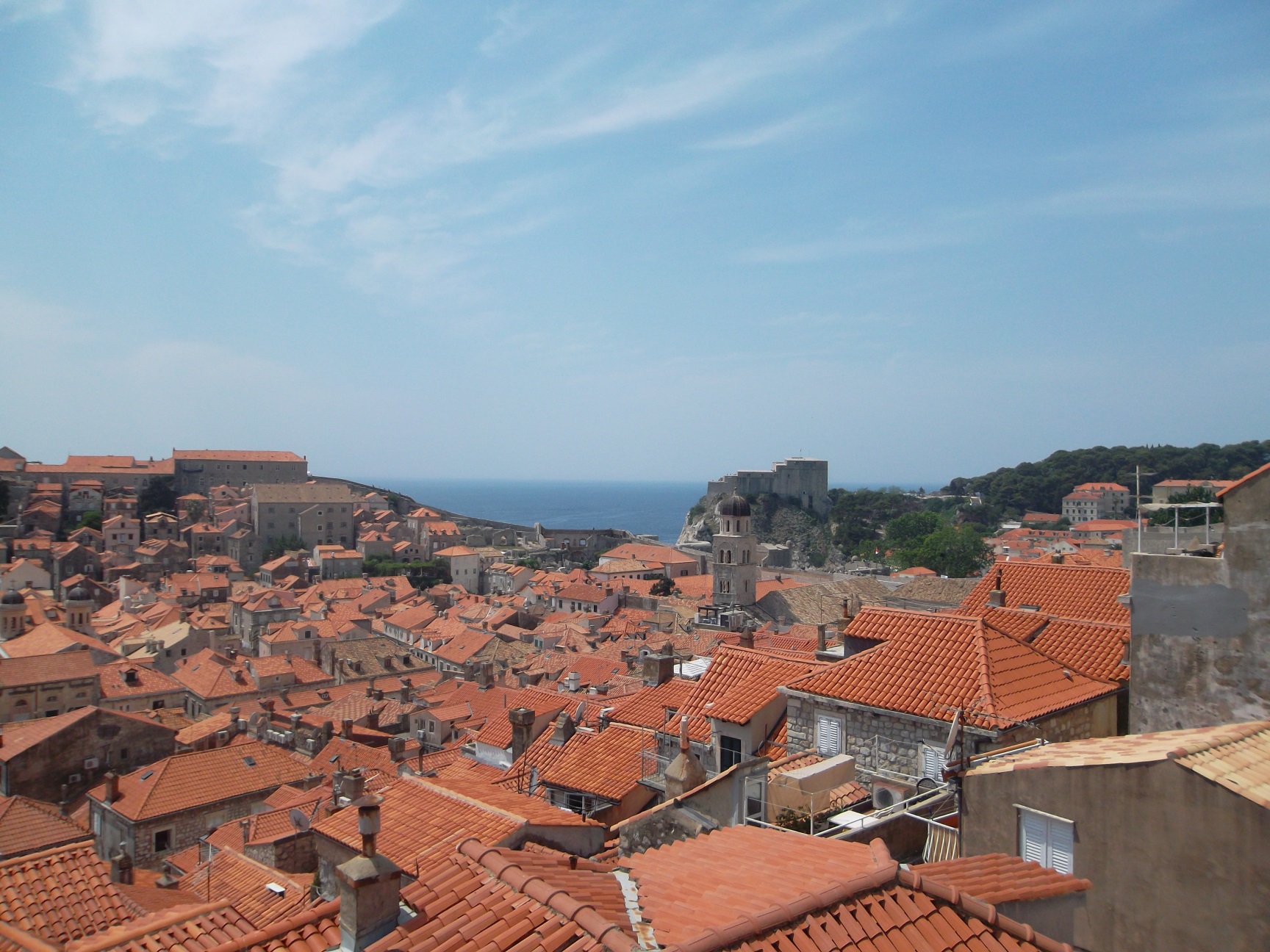
Rooftops of the Old Town

Dubrovnik Rooftops

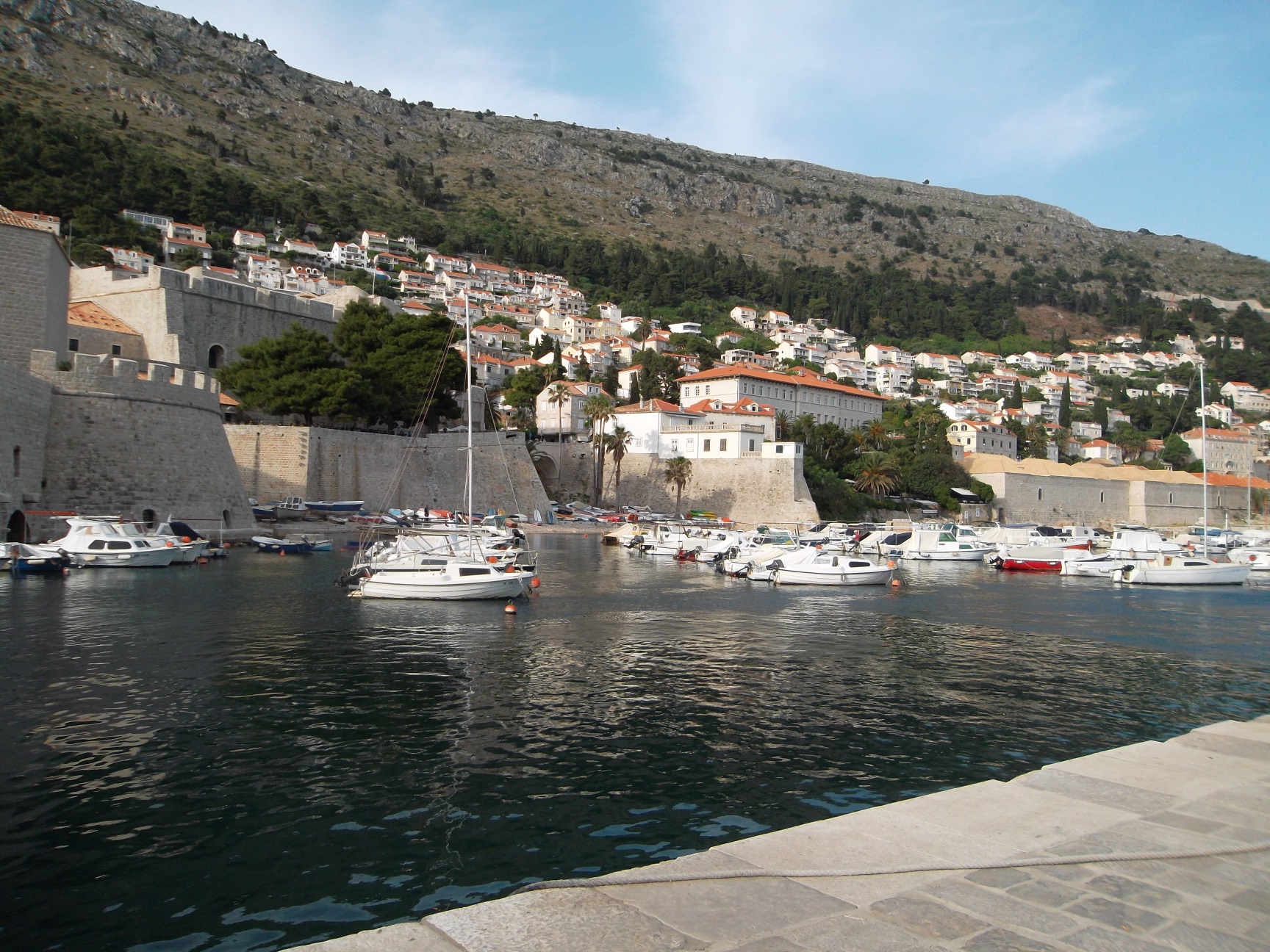
Old Town Harbour

City Harbour

Stradun (the main street), viewed from the city walls

Stradun

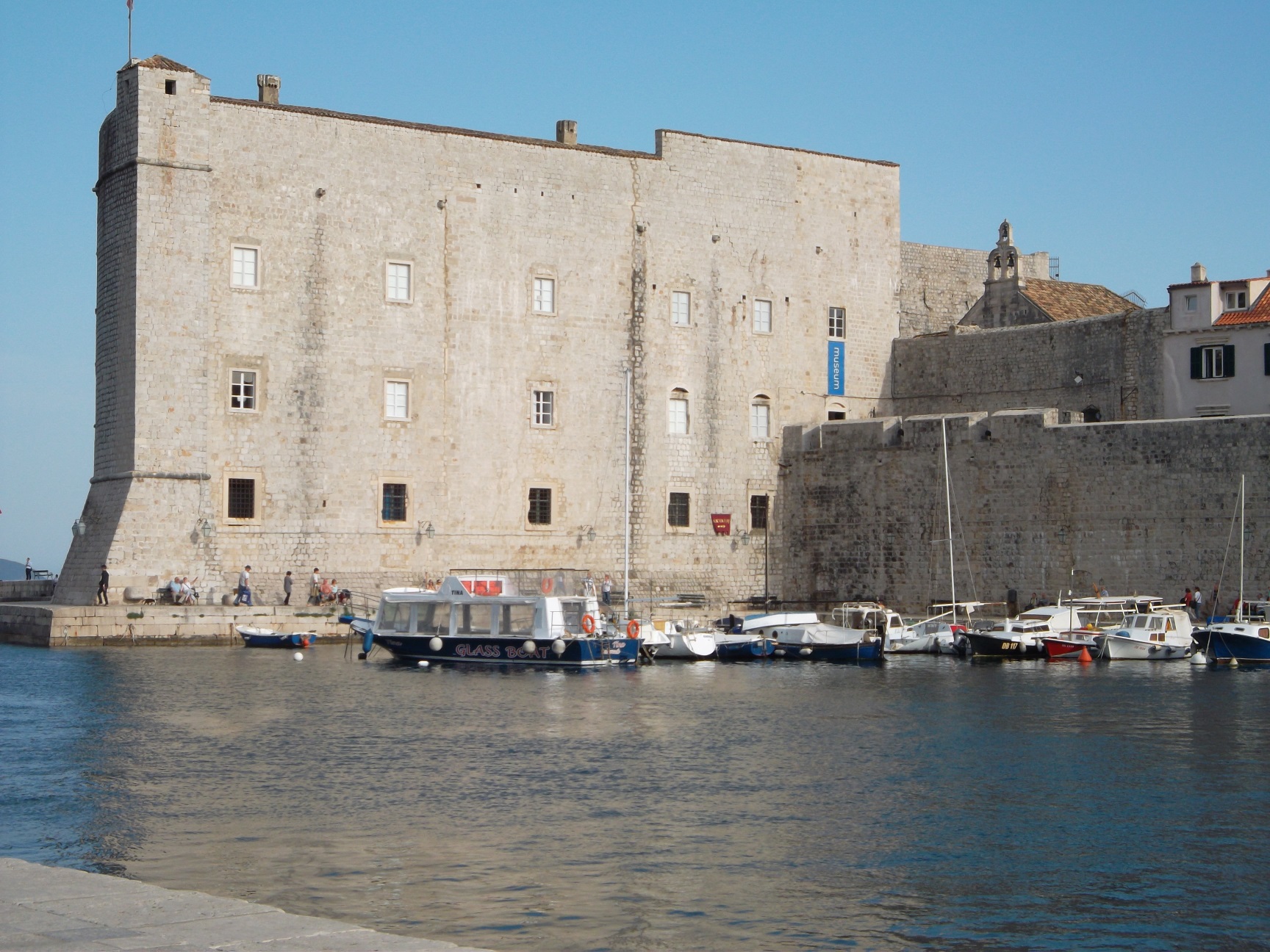
St John Fortress

St John Fortress

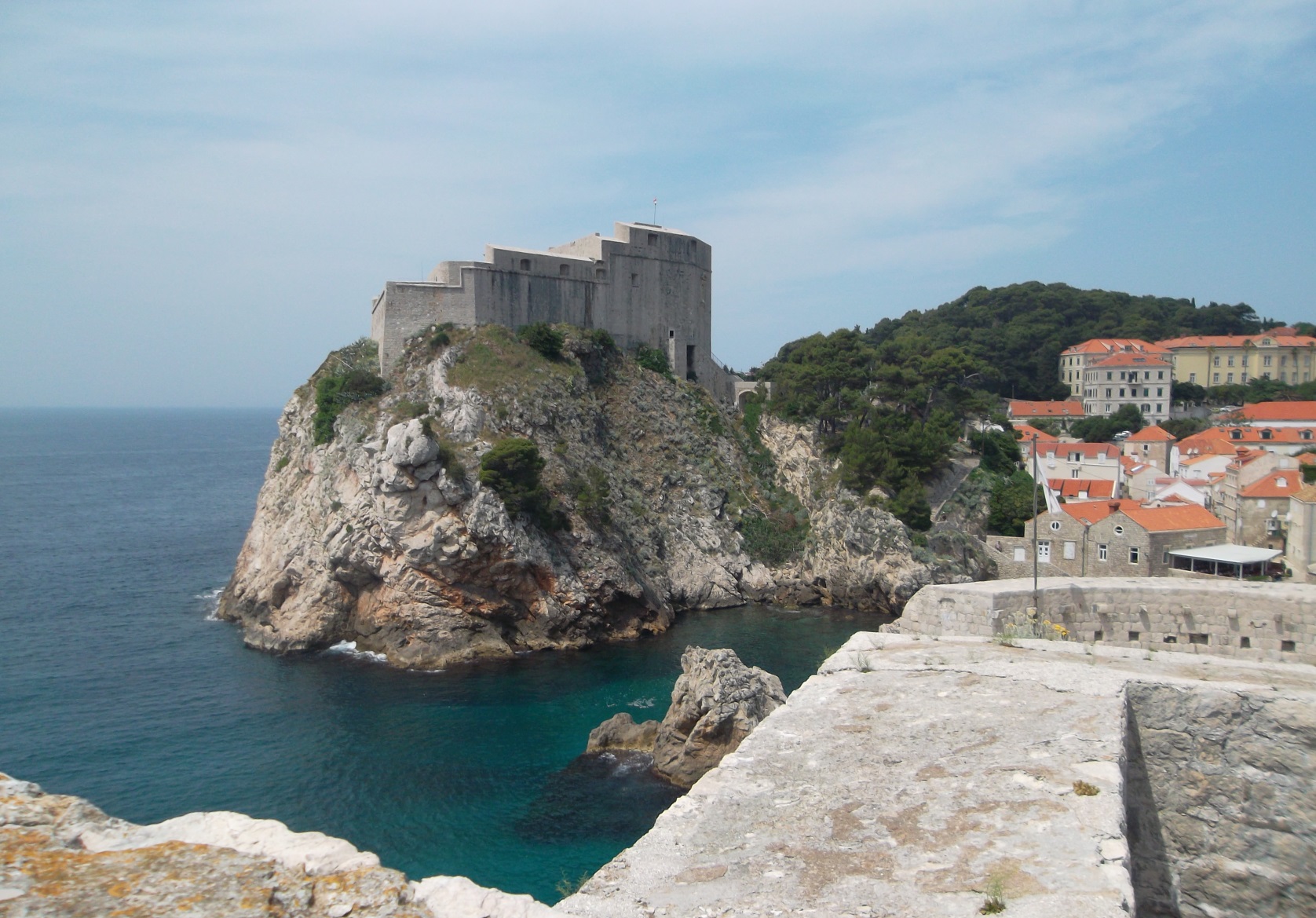
St Lawrence Fortress

St Lawrence Fortress

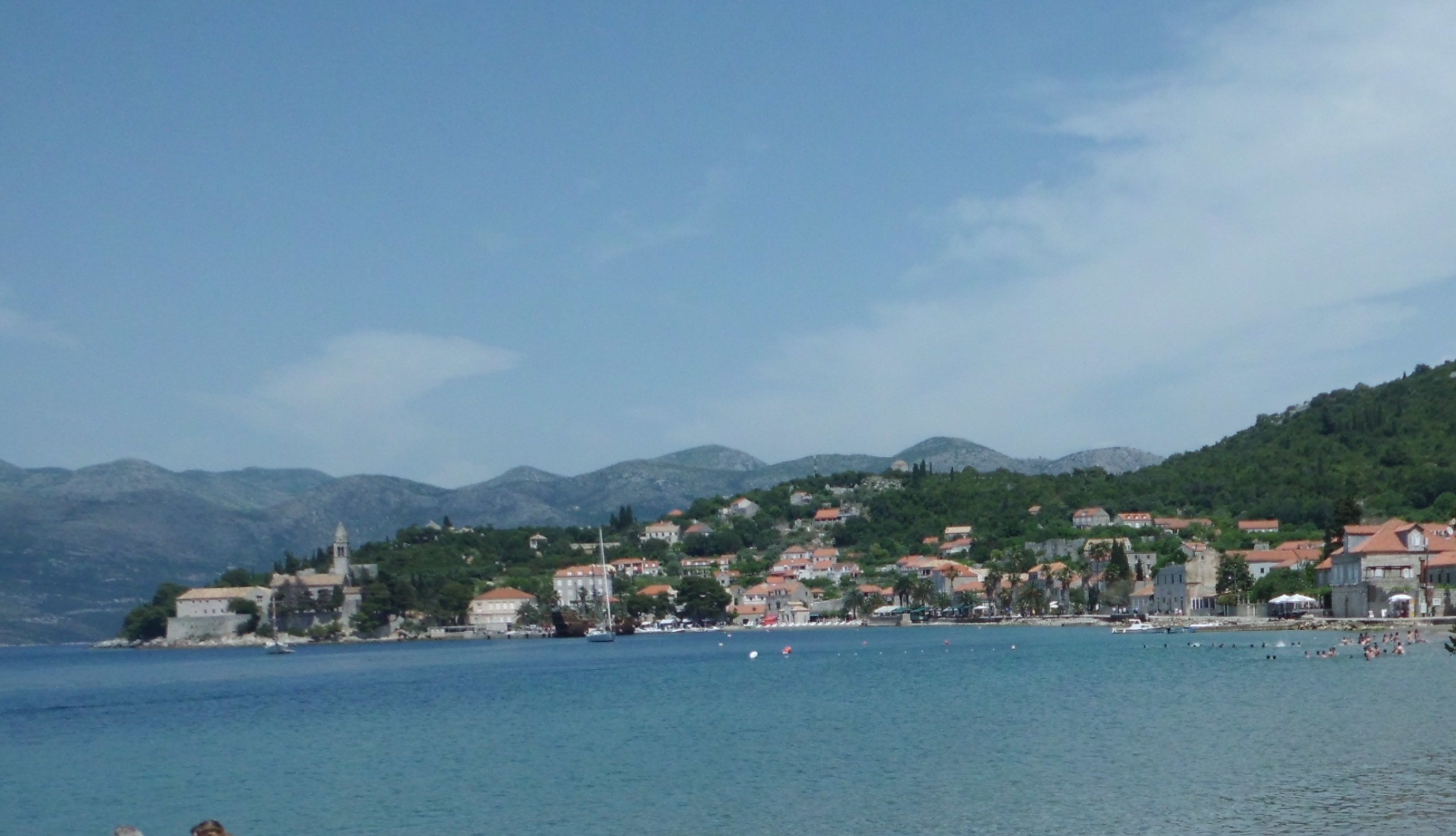
Lopud Island (one of the Elafiti Islands to the north-west of Dubrovnik)

Lopud Island

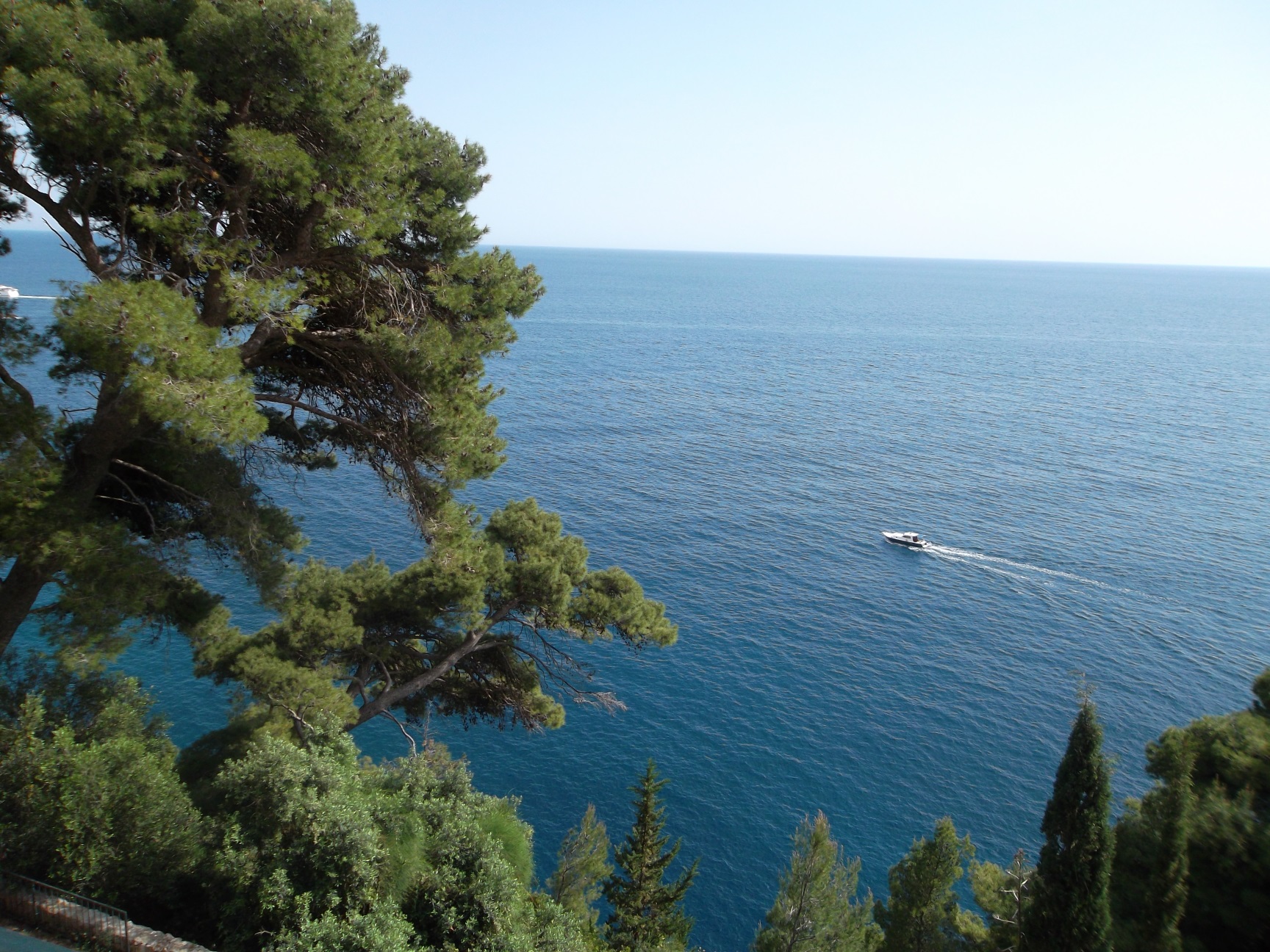
The beautiful Adriatic Sea

Adriatic Sea

I’ll be back to talk about books in a day or two – including one set in Croatia which I started reading on the plane!

An update…

Sorry for the unannounced disappearance last week! I’ve been to Venice for a few days and was meaning to post about it before I went but never got round to it.

I’m starting to catch up now with all your blog posts I’ve missed while I’ve been away, as well as writing about all the books I’ve been reading recently. But for now, I’ll leave you with some pictures from my trip to Venice. It’s the first time I’ve been and it’s as beautiful and unique as everybody says it is.

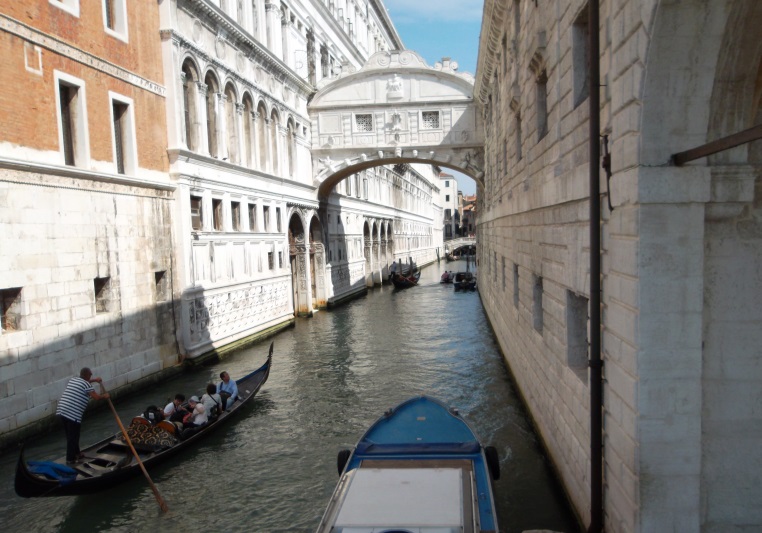
The Bridge of Sighs

Bridge of Sighs

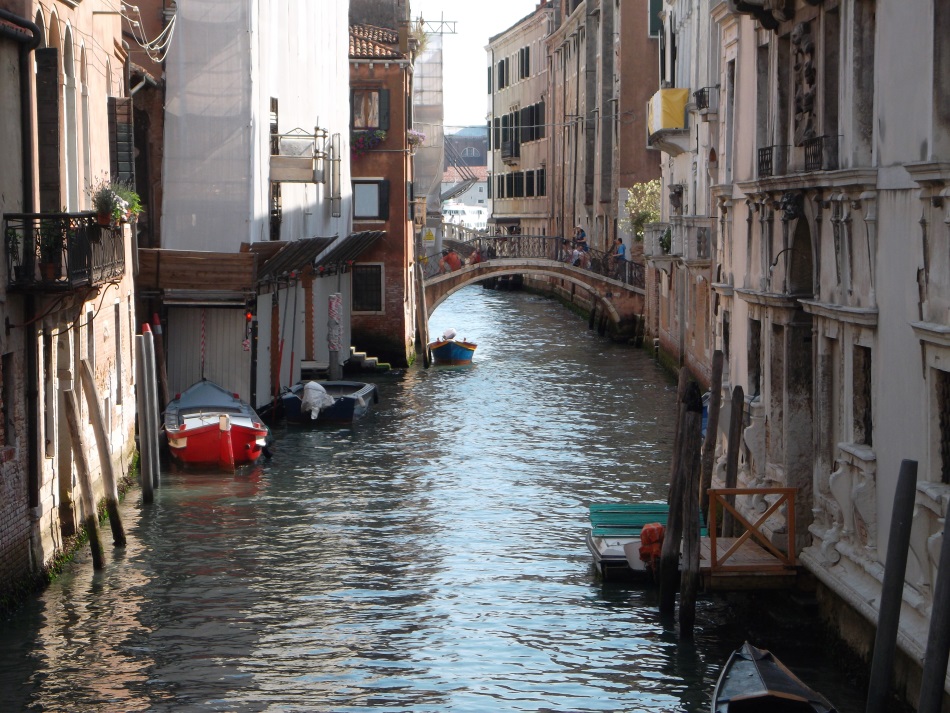
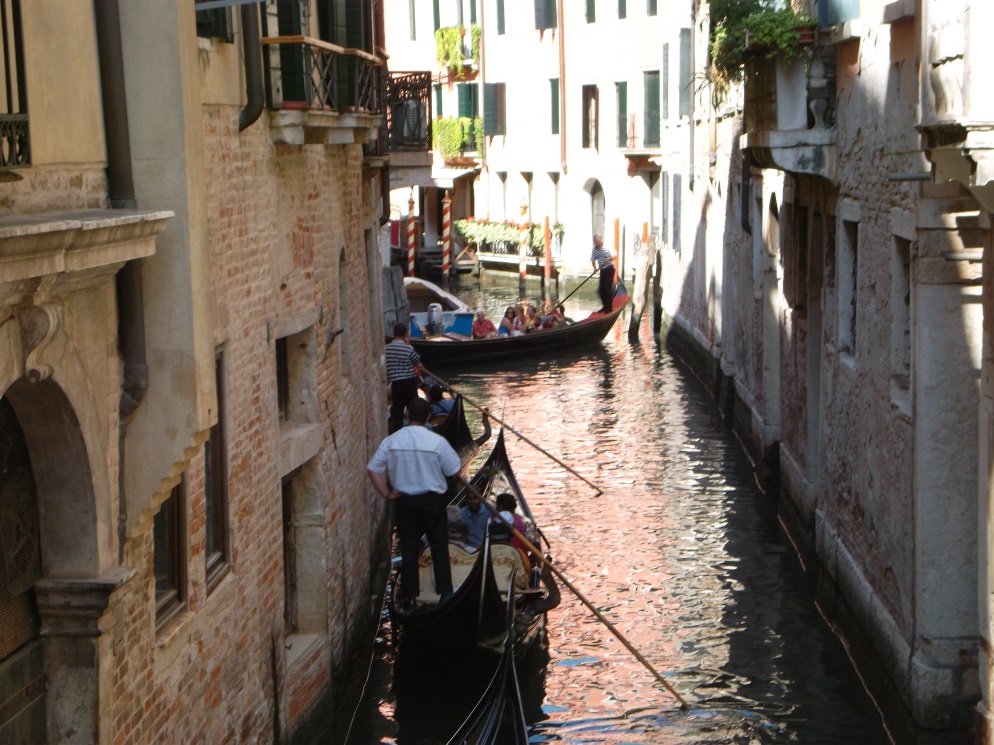
One of Venice’s many canals

Canal

Gondolas

Gondola

Gondolas 1

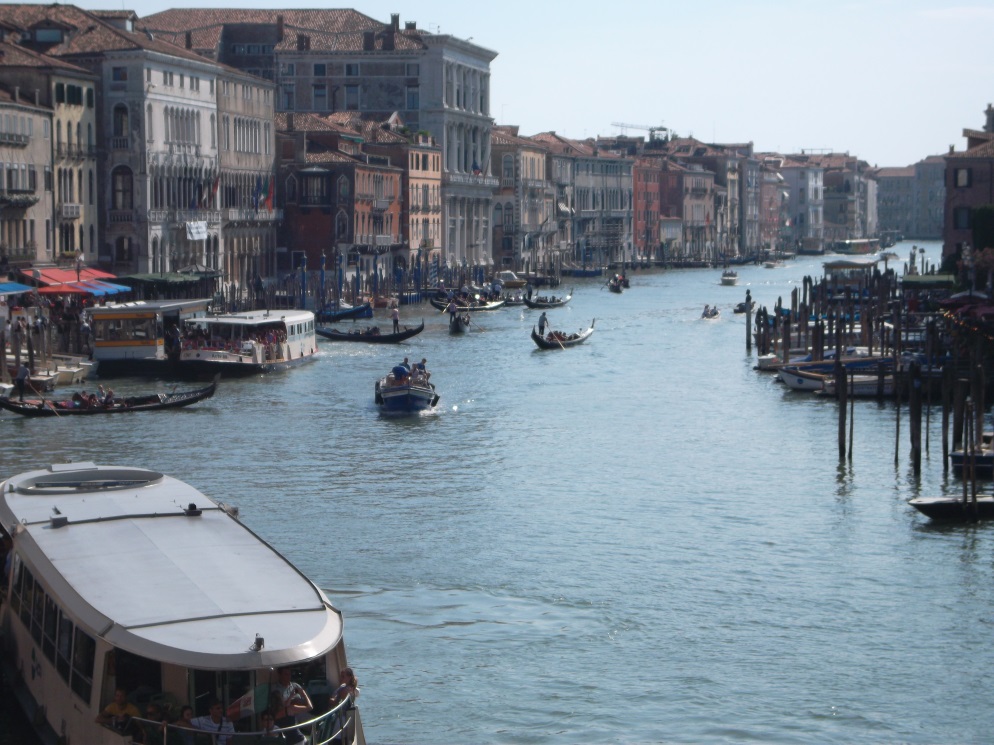
The Grand Canal

Grand Canal

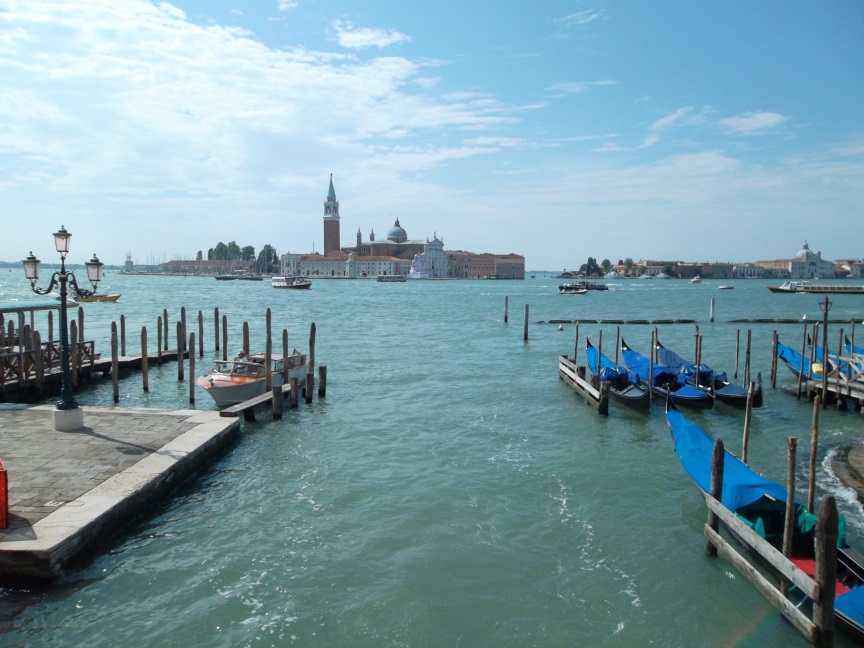
View across the lagoon to San Giorgio Maggiore

Lagoon

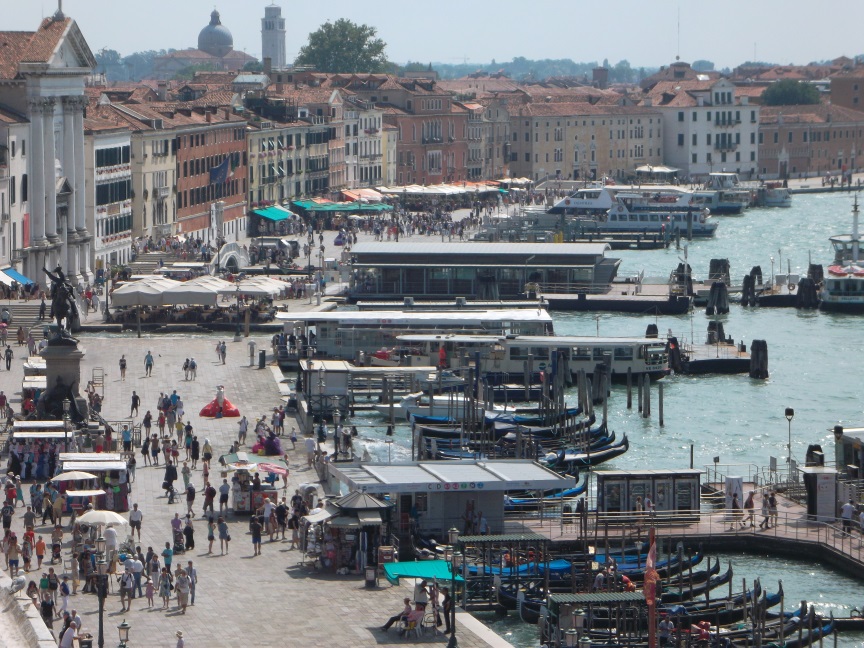
The waterfront near San Zaccaria

San Zaccaria

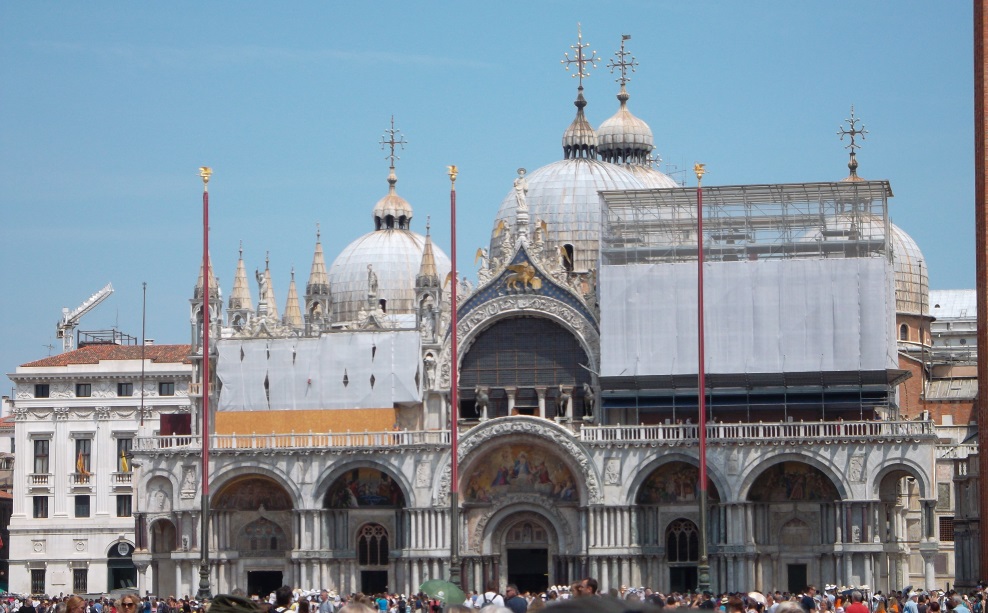
St Mark’s Basilica

St Marks Basilica

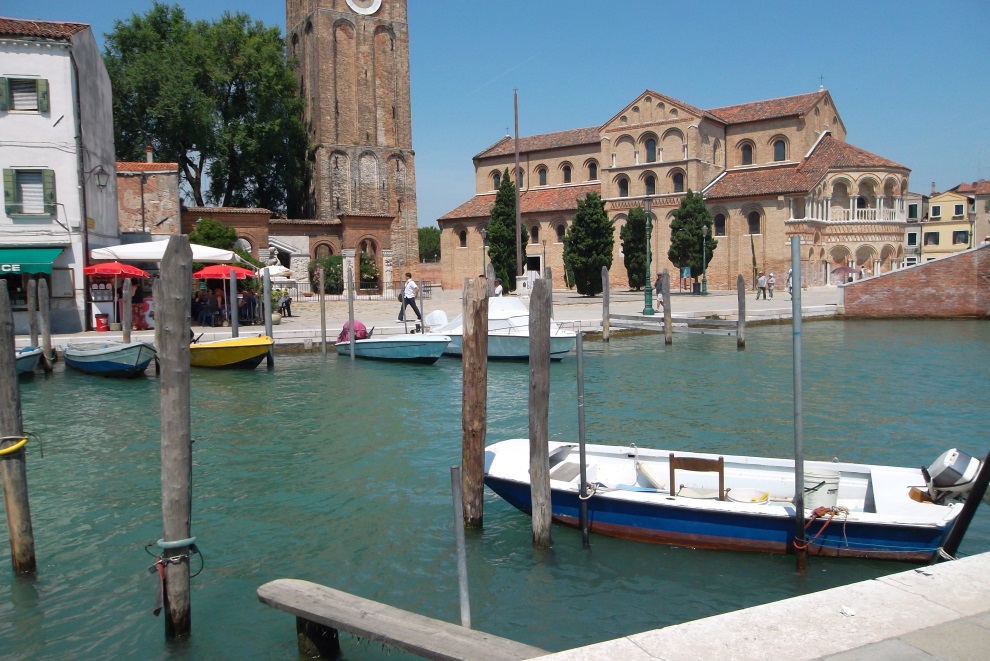
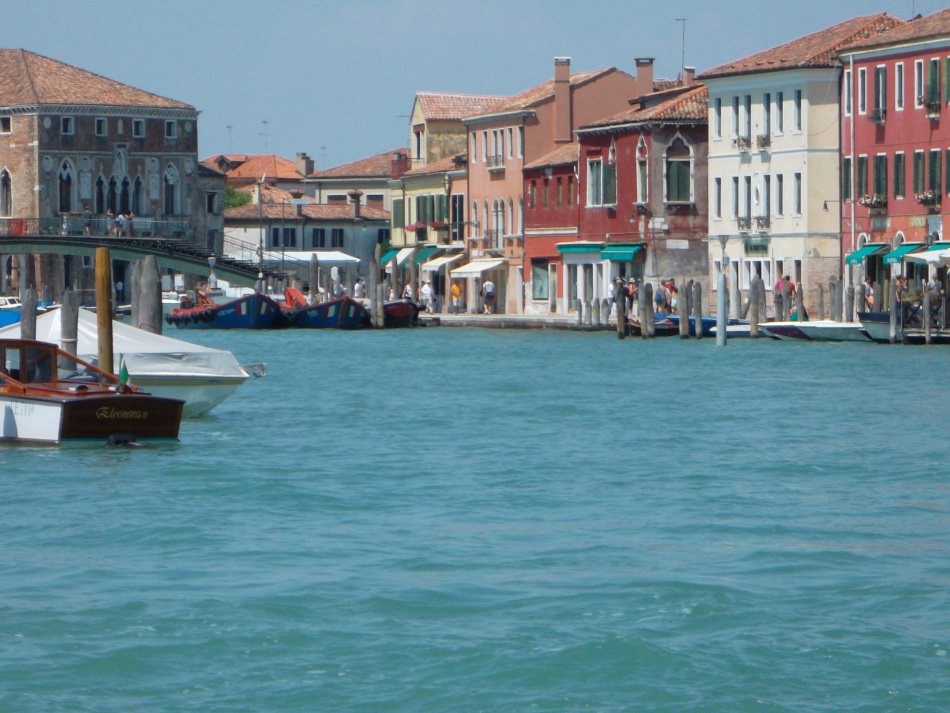
And two pictures taken on the island of Murano

Murano 1

Murano 2