Mothering Sunday by Graham Swift

I read this as part of my Walter Scott Prize Project (it was shortlisted in 2017) and yet again I am grateful to the Prize for pointing me in the direction of a book I would probably never have thought of picking up otherwise.

Mothering Sunday, in its original form, was a day when servants were given the day off work so that they could go home and visit their ‘mother church’ with their families. Jane Fairchild, the twenty-two-year-old heroine of Graham Swift’s novel, is an orphan, so when she is given a day’s holiday from her duties as a maid, she has no home to go to and no family to visit. Instead, she borrows a bicycle and rides across the English countryside to the big house nearby where her lover, Paul Sheringham, is waiting for her.

The book takes us through the course of that one single day in March 1924 – a day so warm and sunny it feels more like June, a day which begins with so much hope and happiness. But Jane shouldn’t really be here with Paul; he is engaged – to a much more ‘suitable’ girl than Jane – and the marriage is due to take place in just two weeks’ time. Their lovely, idyllic afternoon is cut short when Paul reluctantly gets dressed and goes to meet his future wife. Jane is left alone and what happens next is something that will stay with her for the rest of her life.

Mothering Sunday is a short novel, really more of a novella, but Graham Swift manages to pack a lot into those few pages. He has a lot to say – but always subtly and always ‘showing rather than telling’ – about relationships, about class differences and about a country still recovering from the effects of war. I particularly liked the way he handles the passing of time, describing the events of that March day in 1924 then moving smoothly and briefly forward to a later stage in Jane’s life to show how those events shape her future self.

My favourite aspect of the book, though, is Jane’s love of literature. Perhaps unusually for a servant in the 1920s, her reading has been encouraged by her employer, Mr Niven, who allows her to choose from his own shelves. The books she is most drawn to are the ones by Robert Louis Stevenson, Rudyard Kipling, H Rider Haggard, and her newest discovery, Joseph Conrad.

And later, much later in her life, she would say in interviews, in answer to a perennial (and tedious) question, ‘Oh boys’ books, adventure books, they were the thing. Who would want to read sloppy girls’ stuff?’

Her eyes might glint, her wrinkled face purse up a bit more. But then she might say, if she wanted to be less skittish, that reading those books then — ‘the war, you understand, the first one that is, was barely over’ — was like reading across a divide. So close, yet a great divide. Pirates and knights-in-armour, buried treasure and sailing ships. But they were the books she had read.

Although, as I’ve said, this is a short book, by the end of it I felt that I knew Jane Fairchild well. The limited number of characters – Jane, Paul and Mr Niven are the only ones with significant roles – gives the book a feeling of intimacy and the sense that we are there with Jane on that long-ago Mothering Sunday.

Graham Swift is not an author I had ever considered reading or thought that I would like, but based on this book, I could be interested in reading some of his others. Does anyone have any recommendations?
Walter Scott Prize Shortlist 2018

Following last month’s announcement of the 2018 longlist for the Walter Scott Prize for Historical Fiction, the shortlist has been revealed today. As you probably know by now, I am currently working my way through all of the shortlisted titles for this prize since it began in 2010 (you can see my progress here). There are six books on this year’s list and here they are:

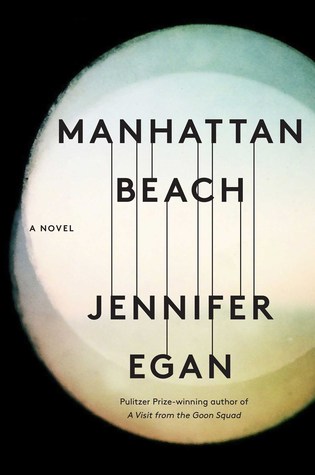
Manhattan Beach by Jennifer Egan

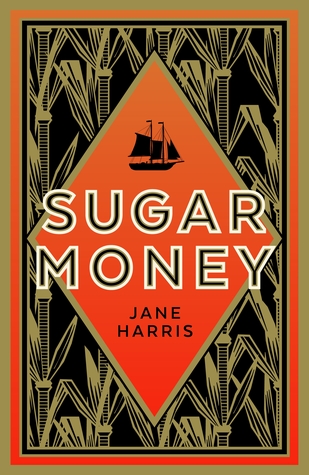
Sugar Money by Jane Harris

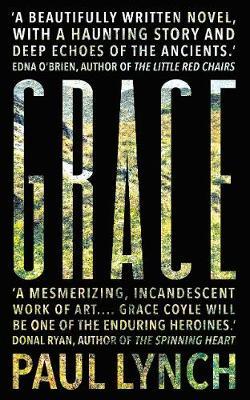
Grace by Paul Lynch

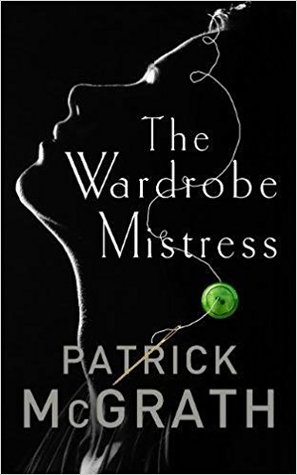
The Wardrobe Mistress by Patrick McGrath

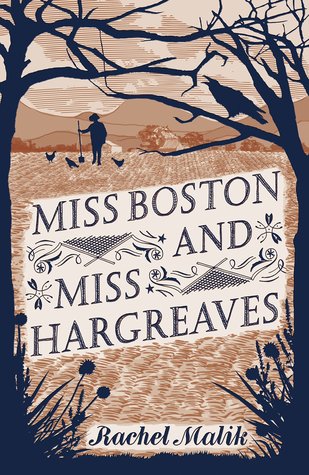
Miss Boston and Miss Hargreaves by Rachel Malik

The Gallows Pole by Benjamin Myers

~

I am currently halfway through Sugar Money, but haven’t read any of the other five books yet. If you’ve read them, please let me know what you thought. I’ll be reading them all eventually anyway, but which would you recommend I read first?

The winner will be announced in June.

More historical fiction to look out for

Today the Walter Scott Prize Academy has announced its annual list of twenty recommended historical fiction novels published in the UK, Ireland and Commonwealth in 2017. This is in addition to the prize longlist of thirteen books which was released a few weeks ago.

I don’t have any plans to try to read all of these books, but I thought I would list them here because this is such an intriguing selection of titles:

~

The Death of the Fronsac by Neal Ascherson (Apollo, UK)

Mrs Osmond by John Banville (Viking, UK)

Softness of the Lime by Maxine Case (Umuzi, South Africa)

He by John Connolly (Hodder & Stoughton, UK)

Larchfield by Polly Clark (Riverrun, UK)

Goblin by Ever Dundas (Saraband, UK)

The Water Beetles by Michael Kaan (Goose Lane Editions, Canada)

The Iron Age by Arja Kajermo (Tramp Press, Ireland)

My Beautiful Imperial by Rhiannon Lewis (Victorina Press, UK)

Soot by Andrew Martin (Corsair, UK)

Story Land by Catherine McKinnon (4th Estate, Australia)

Amah and the Silk-Winged Pigeons by Jocelyn Nullity (Inanna Publications, Canada)

See What I Have Done by Sarah Schmidt (Tinder Press, Australia)

A Boy in Winter by Rachel Seiffert (Virago, UK)

Speakeasy by Alisa Smith (Douglas & McIntyre, Canada)

A Reckoning by Linda Spalding (McClelland & Stewart, Canada)

The Secret Books by Marcel Theroux (Faber & Faber, UK)

The Esquimaux by Tom Tivnan (Silvertail Books, UK)

City of Crows by Chris Womersley (Picador, Australia)

The Photographer by Mieke Ziervoge (Salt, UK)

~

I do try to keep up to date with newly published historical fiction, but apart from Soot (which I have read and enjoyed), the only others on this list that I know anything about are Larchfield, Mrs Osmond and See What I Have Done. I haven’t even heard of most of the others!

What do you think? Have you read any of these books? Are there any that you think I need to read as soon as possible?

Walter Scott Prize – the 2018 longlist

I’ve mentioned before that I am attempting to read all of the books shortlisted for the Walter Scott Prize for Historical Fiction since the prize began in 2010. I am always looking for quality historical fiction and I have found the books nominated for this particular prize to be of a consistently high standard. You can see the progress I’ve made with this here – and I know there are other bloggers working on similar projects too, which is great to see.

The longlist for this year’s prize has just been announced and includes lots of intriguing titles. I’m not planning on trying to read the entire longlist – I’m waiting until the shortlist is announced – but I’m sure I will still be dipping into this list from time to time.

Here are the thirteen books on the 2018 longlist. I’ve only read two so far!

The Clocks in This House All Tell Different Times by Xan Brooks
Birdcage Walk by Helen Dunmore
Manhattan Beach by Jennifer Egan
The Last Man In Europe by Dennis Glover
Sugar Money by Jane Harris
Prussian Blue by Philip Kerr
The Draughtsman by Robert Lautner
Grace by Paul Lynch
The Wardrobe Mistress by Patrick McGrath
Miss Boston and Miss Hargreaves by Rachel Malik
The Gallows Pole by Benjamin Myers
The Horseman by Tim Pears
The Bedlam Stacks by Natasha Pulley

Of the two books I’ve already read, I enjoyed Birdcage Walk and I think its inclusion on the longlist is a nice tribute to Helen Dunmore, who died last year. I had a few problems with The Bedlam Stacks but I’m not surprised to see it listed here as I know most people who have read it loved it much more than I did.

Apart from Sugar Money, which is on my TBR and just waiting for the right time to be read, none of the others were books that I was planning to read – and there are a few that I haven’t even heard of! I obviously have some investigating to do.

Have you read any of the books on this year’s longlist? Which ones do you think will be on the shortlist in April?

Winner of the 2017 Walter Scott Prize for Historical Fiction

Following the revelation of the shortlist for this year’s Walter Scott Prize for Historical Fiction in March, the winner was announced at the Borders Book Festival in Melrose on Saturday. As some of you will know, I am currently attempting to work my way through all of the shortlisted titles since 2010, so I have a particular interest in following this particular prize.

The seven titles on the 2017 shortlist were:

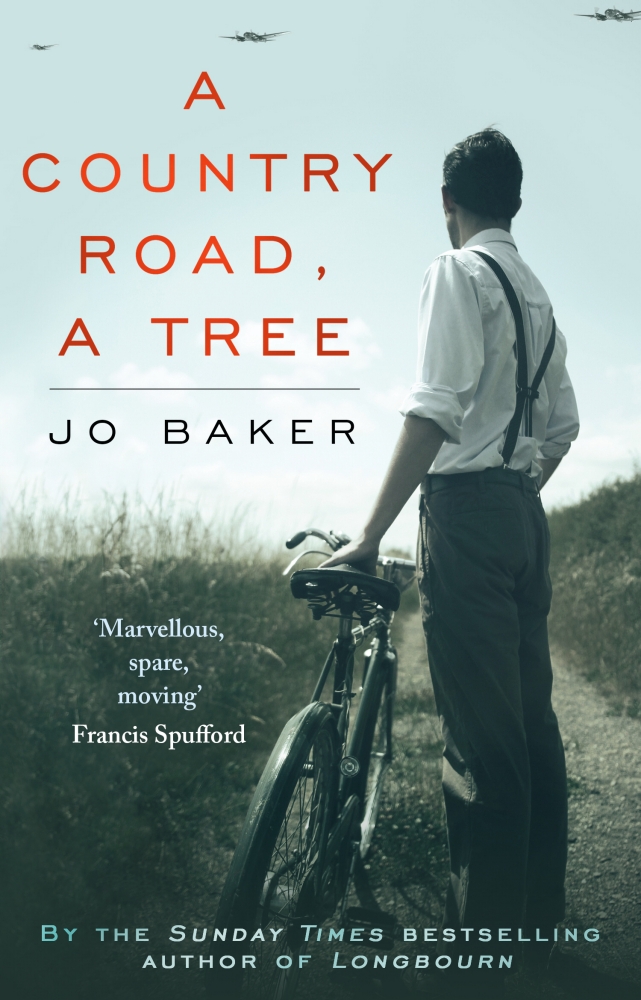
A Country Road, A Tree by Jo Baker
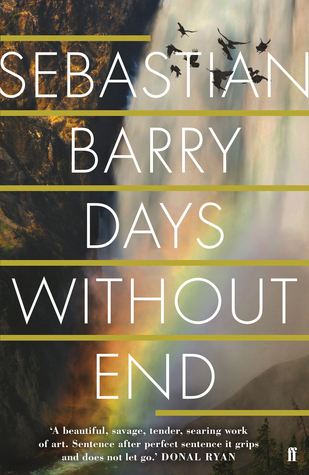
Days Without End by Sebastian Barry
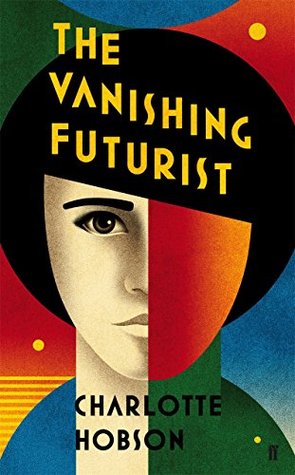
The Vanishing Futurist by Charlotte Hobson
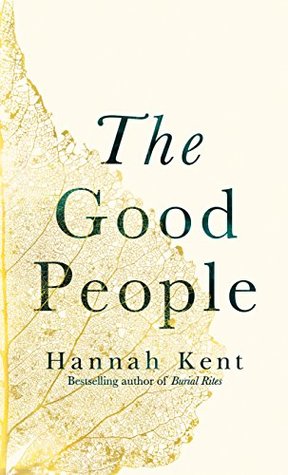
The Good People by Hannah Kent
Golden Hill by Francis Spufford
Mothering Sunday by Graham Swift
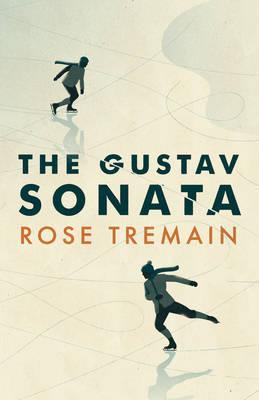
The Gustav Sonata by Rose Tremain

And the winner is…

Days Without End by Sebastian Barry!

This is the second time Sebastian Barry has won this prize (On Canaan’s Side in 2012 was the first). I haven’t yet managed to read all of the titles on this year’s shortlist, but Days Without End is one of the four that I have read and although it wasn’t my personal favourite, I did predict that it would probably win. I think it has a lot of the elements judges look for in a prize winner and, like all of Barry’s novels, it is beautifully written. In the words of the judging panel, “Eventually, Days Without End took the lead, for the glorious and unusual story; the seamlessly interwoven period research; and above all for the unfaltering power and authenticity of the narrative voice, a voice no reader is likely to forget.”

Have you read Days Without End? What did you think of it?

2017 Walter Scott Prize Shortlist

Following last month’s revelation of the 2017 longlist for the Walter Scott Prize for Historical Fiction, the shortlist has been announced today. As you probably know by now, I am currently working my way through all of the shortlisted titles for this prize since it began in 2010 (you can see my progress here). There are seven books on this year’s list and for once I’m off to a good start as I’ve already read three of them!

Here are the seven:

A Country Road, A Tree by Jo Baker

Days Without End by Sebastian Barry

The Vanishing Futurist by Charlotte Hobson

The Good People by Hannah Kent

Golden Hill by Francis Spufford

Mothering Sunday by Graham Swift

The Gustav Sonata by Rose Tremain

***

Of the three books that I’ve read, I loved Golden Hill and The Good People, and although I wasn’t a fan of Days Without End, Sebastian Barry’s writing is beautiful and I would say it has a good chance of winning. Of the four that I haven’t read, I already have a copy of The Gustav Sonata which I’m hoping to read soon, but I don’t know anything about the others. Have you read any of them? What do you think of this year’s shortlist?

The winner will be announced in June!

The Walter Scott Prize longlist 2017

I’ve mentioned before that I am attempting to read all of the books shortlisted for the Walter Scott Prize for Historical Fiction since the prize began in 2010. I am always looking for quality historical fiction and I have found the books nominated for this particular prize to be of a consistently high standard. You can see the progress I’ve made with this project here – Kay of What Me Read has also joined in and if anyone else wants to take part you’re very welcome!

The longlist for this year’s prize has just been announced and includes lots of intriguing titles. I’m not planning on trying to read the entire longlist – I’m waiting until the shortlist is announced – but I might still dip into this list from time to time.

Here are the thirteen books on the 2017 longlist.  As you can see, I’ve only read one so far.

days-without-endA Country Road, A Tree by Jo Baker
The Noise of Time by Julian Barnes
Days Without End by Sebastian Barry
Crane Pond by Richard Francis
The Dark Circle by Linda Grant
The Vanishing Futurist by Charlotte Hobson
The Good People by Hannah Kent
Minds of Winter by Ed O’Loughlin
The Essex Serpent by Sarah Perry
The Last Painting of Sara de Vos by Dominic Smith
Golden Hill by Francis Spufford
Mothering Sunday by Graham Swift
The Gustav Sonata by Rose Tremain

It doesn’t surprise me that Days Without End is on the list and it wouldn’t surprise me if it ends up as the winner. I didn’t enjoy it as much as the other Sebastian Barry books I’ve read, but it’s the sort of book that usually does very well as far as prizes are concerned. I’m delighted to see The Good People on the list as I read it recently and loved it (review coming soon) and also Golden Hill, which I just started reading yesterday.

Of the rest, I was already interested in reading The Gustav Sonata and The Essex Serpent, but I know little or nothing about most of the others.

Have you read any of the books on this year’s longlist? Which ones do you think deserve to be on the shortlist?

For the first time this year, the Walter Scott Prize Academy has also put together an additional list of twenty recommended novels. I won’t post the complete list here (you can see it on the Walter Scott Prize website) but I’m pleased to see mentions of Orphans of the Carnival and The Ashes of London, as well as several other novels I’ve read or am interested in. Lots of great ideas for future reading there!