Walter Scott Prize Shortlist 2018

Following last month’s announcement of the 2018 longlist for the Walter Scott Prize for Historical Fiction, the shortlist has been revealed today. As you probably know by now, I am currently working my way through all of the shortlisted titles for this prize since it began in 2010 (you can see my progress here). There are six books on this year’s list and here they are:

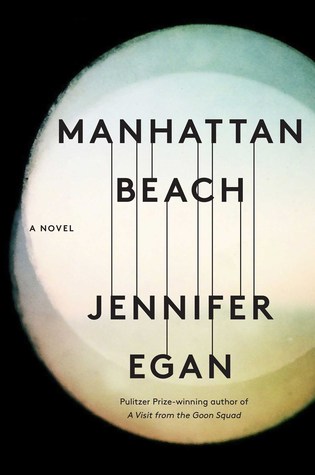
Manhattan Beach by Jennifer Egan

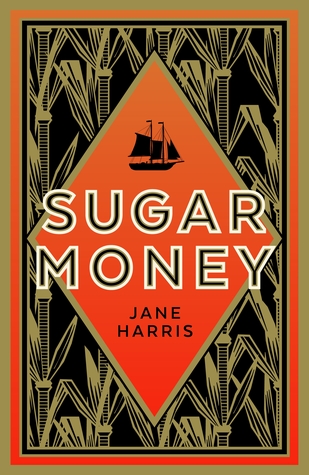
Sugar Money by Jane Harris

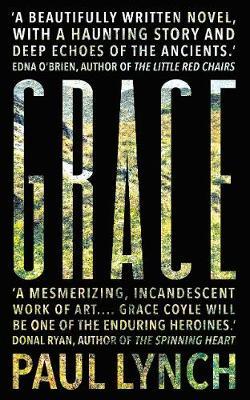
Grace by Paul Lynch

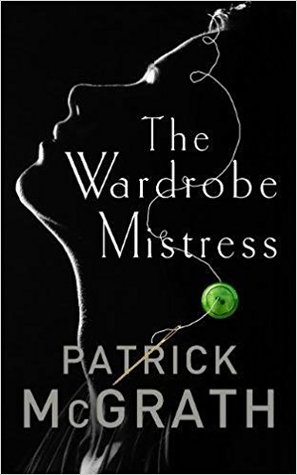
The Wardrobe Mistress by Patrick McGrath

Miss Boston and Miss Hargreaves by Rachel Malik

The Gallows Pole by Benjamin Myers

~

I am currently halfway through Sugar Money, but haven’t read any of the other five books yet. If you’ve read them, please let me know what you thought. I’ll be reading them all eventually anyway, but which would you recommend I read first?

The winner will be announced in June.

More historical fiction to look out for

Today the Walter Scott Prize Academy has announced its annual list of twenty recommended historical fiction novels published in the UK, Ireland and Commonwealth in 2017. This is in addition to the prize longlist of thirteen books which was released a few weeks ago.

I don’t have any plans to try to read all of these books, but I thought I would list them here because this is such an intriguing selection of titles:

~

The Death of the Fronsac by Neal Ascherson (Apollo, UK)

Mrs Osmond by John Banville (Viking, UK)

Softness of the Lime by Maxine Case (Umuzi, South Africa)

He by John Connolly (Hodder & Stoughton, UK)

Larchfield by Polly Clark (Riverrun, UK)

Goblin by Ever Dundas (Saraband, UK)

The Water Beetles by Michael Kaan (Goose Lane Editions, Canada)

The Iron Age by Arja Kajermo (Tramp Press, Ireland)

My Beautiful Imperial by Rhiannon Lewis (Victorina Press, UK)

Soot by Andrew Martin (Corsair, UK)

Story Land by Catherine McKinnon (4th Estate, Australia)

Amah and the Silk-Winged Pigeons by Jocelyn Nullity (Inanna Publications, Canada)

See What I Have Done by Sarah Schmidt (Tinder Press, Australia)

A Boy in Winter by Rachel Seiffert (Virago, UK)

Speakeasy by Alisa Smith (Douglas & McIntyre, Canada)

A Reckoning by Linda Spalding (McClelland & Stewart, Canada)

The Secret Books by Marcel Theroux (Faber & Faber, UK)

The Esquimaux by Tom Tivnan (Silvertail Books, UK)

City of Crows by Chris Womersley (Picador, Australia)

The Photographer by Mieke Ziervoge (Salt, UK)

~

I do try to keep up to date with newly published historical fiction, but apart from Soot (which I have read and enjoyed), the only others on this list that I know anything about are Larchfield, Mrs Osmond and See What I Have Done. I haven’t even heard of most of the others!

What do you think? Have you read any of these books? Are there any that you think I need to read as soon as possible?

Classics Club Spin #17: The result

The result of the latest Classics Club Spin has been revealed today – and I’m pleased with the book I’ll be reading. It wasn’t one I was particularly hoping for, but it’s by an author I love and I think I’m going to enjoy it.

The idea of the Spin was to list twenty books from my Classics Club list, number them 1 to 20, and the number announced today (Friday) represents the book I have to read before 30th April 2018. The number that has been selected is…

3

And this means the book I need to read is…

Desperate Remedies by Thomas Hardy

From Goodreads: “Cytherea has taken a position as lady’s maid to the eccentric arch-intriguer Miss Aldclyffe. On discovering that the man she loves, Edward Springrove, is already engaged to his cousin, Cytherea comes under the influence of Miss Aldclyffe’s fascinating, manipulative steward Manston.

Blackmail, murder and romance are among the ingredients of Hardy’s first published novel, and in it he draws blithely on the ‘sensation novel’ perfected by Wilkie Collins. Several perceptive critics praised the author as a novelist with a future when Desperate Remedies appeared anonymously in 1871. In its depiction of country life and insight into psychology and sexuality it already bears the unmistakable imprint of Hardy’s genius.”

~

Have you read Desperate Remedies? Did you take part in the Classics Spin? What will you be reading?

Classics Club Spin #17: My list

The Classics Club

I love taking part in the spins hosted by The Classics Club – this is the seventeenth and although I’ve missed one or two I think I’ve managed to participate in most of them. As I just recently started my second Classics Club list, I have plenty of books to choose from for this spin and I’ll be happy to read any of them.

Here are the rules for Spin #17:

* List any twenty books you have left to read from your Classics Club list.
* Number them from 1 to 20.
* On Friday 9th March the Classics Club will announce a number.
* This is the book you need to read by 30th April 2018

And here is my list:

Five Victorian Classics

1. Nicholas Nickleby by Charles Dickens
2. Jezebel’s Daughter by Wilkie Collins
3. Desperate Remedies by Thomas Hardy
4. The Cloister and the Hearth by Charles Reade
5. The Black Arrow by Robert Louis Stevenson

Five Classics in Translation

6. The Black Sheep by Honoré de Balzac
7. The White Guard by Mikhail Bulgakov
8. La Reine Margot by Alexandre Dumas
9. In a Dark Wood Wandering by Hella S Haasse
10. Germinal by Emile Zola

Five 20th Century Classics by Women

11. Don’t Look Now and Other Stories by Daphne du Maurier
12. That Lady by Kate O’Brien
13. Jane and Prudence by Barbara Pym
14. High Rising by Angela Thirkell
15. The Corn King and the Spring Queen by Naomi Mitchison

Five 20th Century Classics by Men

16. How Green Was My Valley by Richard Llewellyn
17. The Chrysalids by John Wyndham
18. The Grapes of Wrath by John Steinbeck
19. Claudius the God by Robert Graves
20. A Passage to India by EM Forster

~

Have you read any of these books? Which numbers do you think I should be hoping for on Friday?

Walter Scott Prize – the 2018 longlist

I’ve mentioned before that I am attempting to read all of the books shortlisted for the Walter Scott Prize for Historical Fiction since the prize began in 2010. I am always looking for quality historical fiction and I have found the books nominated for this particular prize to be of a consistently high standard. You can see the progress I’ve made with this here – and I know there are other bloggers working on similar projects too, which is great to see.

The longlist for this year’s prize has just been announced and includes lots of intriguing titles. I’m not planning on trying to read the entire longlist – I’m waiting until the shortlist is announced – but I’m sure I will still be dipping into this list from time to time.

Here are the thirteen books on the 2018 longlist. I’ve only read two so far!

The Clocks in This House All Tell Different Times by Xan Brooks
Birdcage Walk by Helen Dunmore
Manhattan Beach by Jennifer Egan
The Last Man In Europe by Dennis Glover
Sugar Money by Jane Harris
Prussian Blue by Philip Kerr
The Draughtsman by Robert Lautner
Grace by Paul Lynch
The Wardrobe Mistress by Patrick McGrath
Miss Boston and Miss Hargreaves by Rachel Malik
The Gallows Pole by Benjamin Myers
The Horseman by Tim Pears
The Bedlam Stacks by Natasha Pulley

Of the two books I’ve already read, I enjoyed Birdcage Walk and I think its inclusion on the longlist is a nice tribute to Helen Dunmore, who died last year. I had a few problems with The Bedlam Stacks but I’m not surprised to see it listed here as I know most people who have read it loved it much more than I did.

Apart from Sugar Money, which is on my TBR and just waiting for the right time to be read, none of the others were books that I was planning to read – and there are a few that I haven’t even heard of! I obviously have some investigating to do.

Have you read any of the books on this year’s longlist? Which ones do you think will be on the shortlist in April?

My favourite books of 2017

With only two days left of 2017, I think it should be safe to post my books of the year list now. I always enjoy putting this post together, looking back over my reading year and picking out favourites. As usual, the list I’ve come up with is a long one, though not as long as some from previous years! I’ve also given a special mention to some books which didn’t quite win a place on the list – and re-reads have their own separate section this year too.

Here they are, in the order that I read them:

~
The Red Sphinx by Alexandre Dumas (1865)

From my review: “Well, it may be only January but I think I already know one book which will be appearing on my books of the year list this December! Bearing in mind that this is a later Dumas novel, written towards the end of his career on the urging of his publishers, I was pleased to find, almost as soon as I started reading, that it was living up to my expectations!”
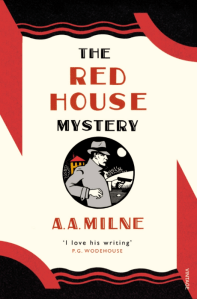
The Red House Mystery by AA Milne (1922)

From my review: “I had always thought of A.A. Milne solely as the author of the Winnie the Pooh stories and it had never occurred to me to wonder what else he had written. It turns out that The Red House Mystery, originally published in 1922, was his first and only detective novel – which is a shame, because it’s excellent.”
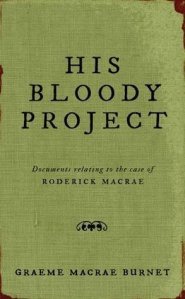
His Bloody Project by Graeme Macrae Burnet (2015)

From my review: “I loved His Bloody Project; although it’s not a traditional crime novel and there’s never any mystery surrounding the identity of the murderer, it’s the sort of book that leaves you with more questions at the end than you had at the beginning.”
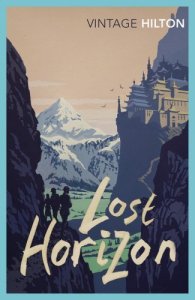
Lost Horizon by James Hilton (1933)

From my review: “I’m very happy with the way my reading is going so far this year. I’ve read some great books already and this is another one…It’s a fascinating story and very absorbing – I started it on a Saturday and was finished by Sunday; at just over 200 pages it’s a quick read but also the sort of book that leaves the reader with a lot to think about after the final page is turned.”

East of Eden by John Steinbeck (1952)

From my review: “I found East of Eden a surprisingly compelling read; I honestly hadn’t expected to love it as much as I did or to find myself wanting to turn the pages so quickly. I now feel much more enthusiastic about reading more Steinbeck…”

Golden Hill by Francis Spufford (2016)

From my review: “I would like to tell you more about the plot of Golden Hill, but I’m limited as to how much I can say without spoiling things for future readers. I think it’s enough to say that it’s a hugely entertaining story involving duels, card games, imprisonments and a chase across the rooftops of New York…There’s so much to love about this unusual, imaginative novel.”

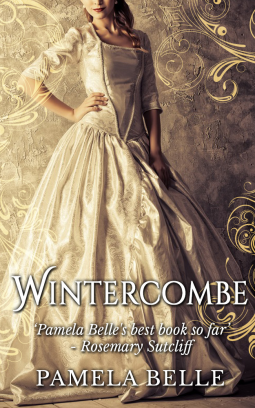
Wintercombe by Pamela Belle (1988)

From my review: “Although I was looking forward to reading it, I have to admit that after being so captivated by the adventures of the Heron family, I doubted whether I could possibly enjoy this book as much. Of course, I was wrong. What I found was another beautifully depicted setting, another moving story to become absorbed in and another set of characters to fall in love with (or to hate, as the case may be).”

I also loved the second book in the Wintercombe series, Herald of Joy.
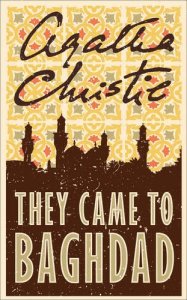
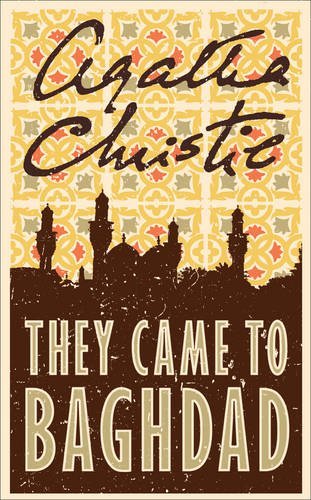
They Came to Baghdad by Agatha Christie (1951)

From my review: “This book is not one of Christie’s Poirot or Miss Marple mysteries – it’s a standalone and actually much more of a spy novel or thriller than a mystery. With an exciting plot involving kidnappings, conspiracies, impersonations, disguises and secret messages, I found it a lot of fun to read – one of those books I genuinely didn’t want to have to put down until I was finished!”
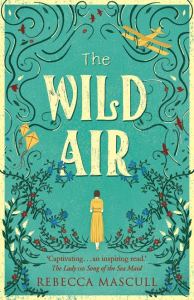
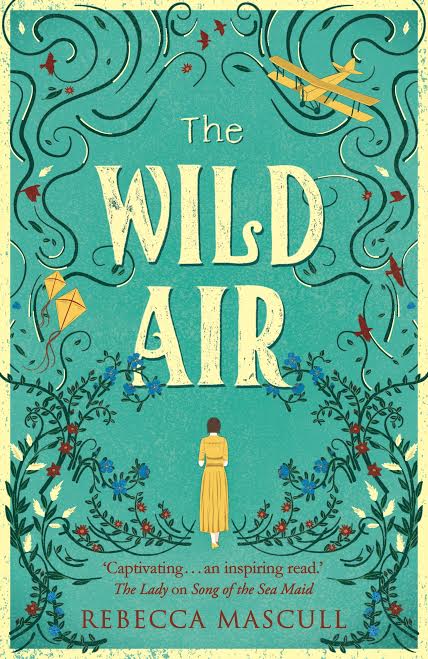
The Wild Air by Rebecca Mascull (2017)

From my review: “This wonderful story of a young woman with a passion for aviation is the first book I’ve read by Rebecca Mascull, but I enjoyed it so much I will certainly be going back to read her previous two novels. Set in the Lincolnshire town of Cleethorpes in the first two decades of the 20th century, The Wild Air is both fascinating and inspirational, with a heroine I loved and connected with immediately.”

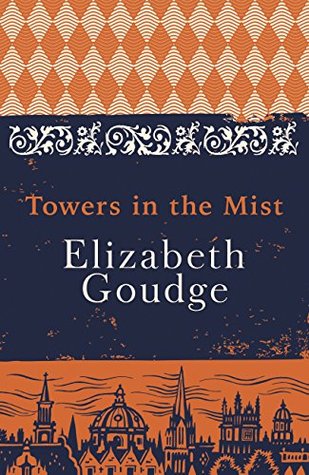
Towers in the Mist by Elizabeth Goudge (1937)

From my review: “Not all of Goudge’s novels are historical, but it’s the historical ones that I’ve been drawn to first. Towers in the Mist is set in Oxford in the Elizabethan period and, like the other two I’ve read, it’s a truly beautiful novel.”

Song of the Sea Maid by Rebecca Mascull (2015)

From my review: “Song of the Sea Maid is a wonderful exploration of what it was like to be a woman trying to forge a career in science in a period when it was not considered normal or socially acceptable to do so…There’s really nothing negative I can say about Song of the Sea Maid; even the use of first person present tense, which I often dislike, didn’t bother me – in fact, I barely noticed it because I found Dawnay’s voice so strong and real.”
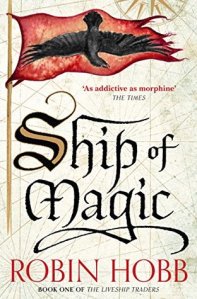
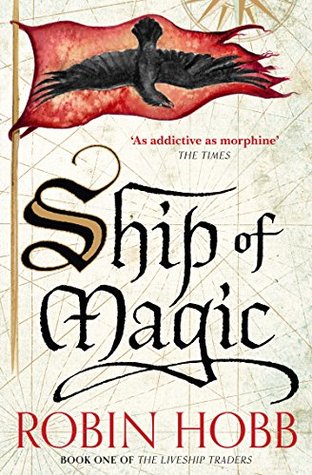
The Liveship Traders trilogy by Robin Hobb (Ship of Magic; The Mad Ship; Ship of Destiny)

From my review: “Having become quite attached to the characters and swept away by the story over the course of the three novels, I’m sorry to have come to the end..I loved the world Robin Hobb created here and I was impressed by her ability to handle multiple storylines and keep track of who knows what! Also, as someone who doesn’t read a lot of fantasy, I found the dragon element fascinating.”
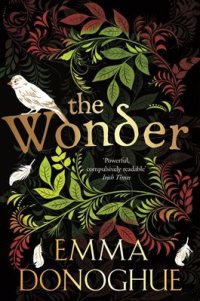
The Wonder by Emma Donoghue (2016)

From my review: “This is a fascinating exploration of the harm that can be done, often unintentionally, by superstition and a lack of understanding and the basic knowledge we take for granted today. I thought The Wonder was…well, wonderful. Highly recommended!”
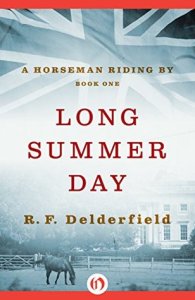
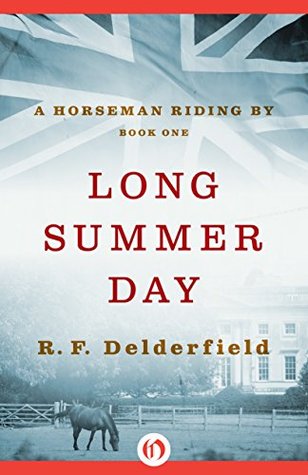
Long Summer Day by RF Delderfield (1966)

From my review: “Long Summer Day is one of my books of the year so far, without a doubt. It’s written in the sort of warm, comforting, old-fashioned style that I love, and despite its length I felt that the pages were going by very quickly because I was so absorbed in the lives of Paul and his friends – it’s one of those books where you truly feel as though you’ve escaped into another world for a little while!”

Soot by Andrew Martin (2017)

From my review: “You know when you can tell as soon as you start reading that you’re going to enjoy a book? That’s how I felt about Soot, Andrew Martin’s new historical mystery set in 18th century York. The plot, the characters, the atmosphere, the writing style…I loved them all!”
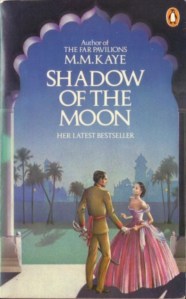
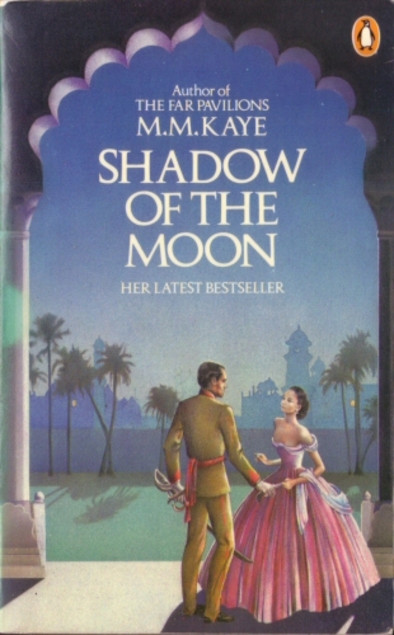
Shadow of the Moon by M.M. Kaye (1957)

From my review: “Whether or not the romance captures your imagination, though, I think there should be something in this novel to interest most readers…the fascinating historical background, the colourful portrait of another time and place or maybe the adventure (plenty of daring escapes, disguises, ambushes and secret meetings by moonlight). I loved it.”

~

Three of my reads this year were re-reads…and I loved all three:

Wuthering Heights by Emily Brontë (1847)
Rebecca by Daphne du Maurier (1938)
The Count of Monte Cristo by Alexandre Dumas (1844)

~

And these books deserve a special mention too:

The Bear and the Nightingale by Katherine Arden (2017)
A Gentleman in Moscow by Amor Towles (2016)
Under the Hog by Patrick Carleton (1937)
Conclave by Robert Harris (2016)
The Essex Serpent by Sarah Perry (2016)
Dead Woman Walking by Sharon Bolton (2017)
Chocky by John Wyndham (1968)
Lament for a Maker by Michael Innes (1938)
Voice of the Falconer by David Blixt (2010)

~

Have you read any of these books? Which books have you enjoyed reading in 2017?

The Classics Spin Number is…

4!

The result of the latest Classics Spin has been revealed today – and I’m happy with the book I’ll be reading!

The idea of the Spin was to list twenty books from my Classics Club list, number them 1 to 20, and the number announced by the club today (Friday) represents the book I have to read before 31st December 2017. The number that has been selected is 4, which means the book I need to read is…

Death Comes for the Archbishop by Willa Cather

I’m pleased with this as I’ve only read two books by Willa Cather so far and have been wanting to read more.

~

Did you take part in the Classics Spin? What will you be reading?