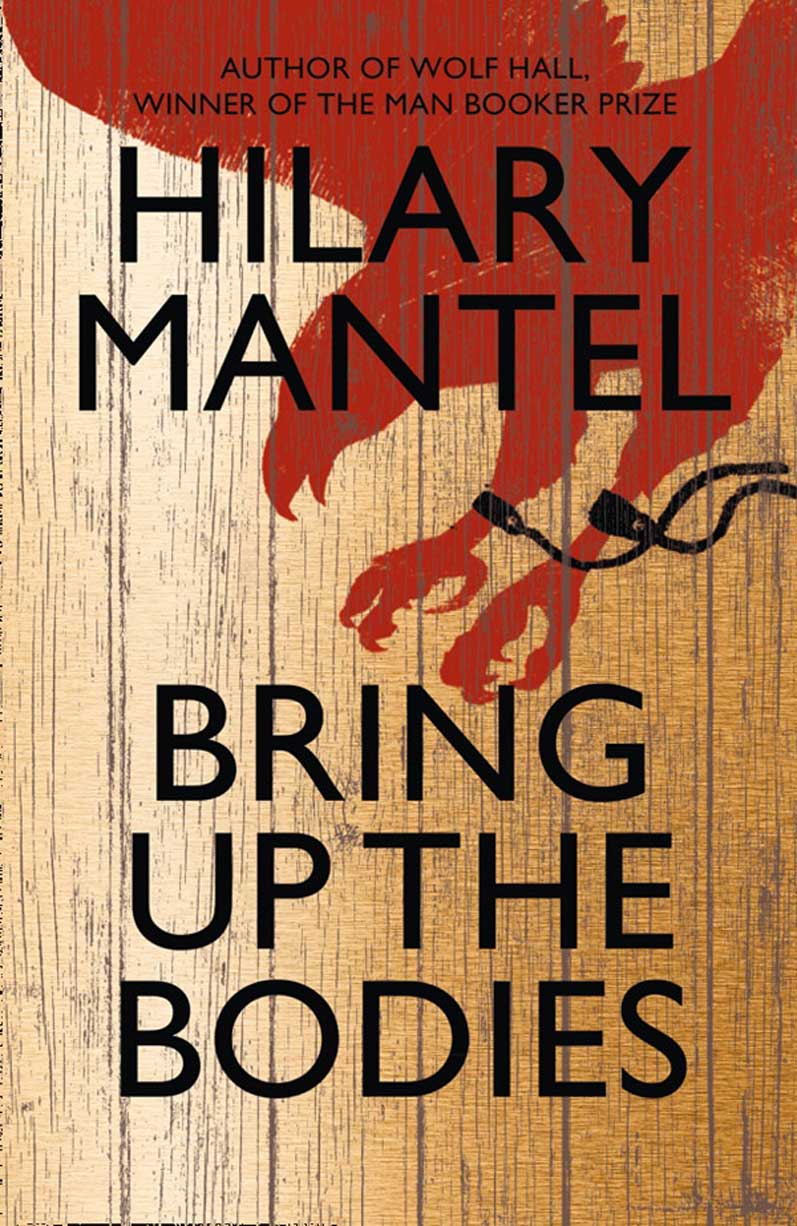
 This is the sequel to Wolf Hall and the second in a planned trilogy of novels telling the story of Thomas Cromwell, Henry VIII’s chief minister.
While Wolf Hall was concerned with Cromwell’s rise to power, the fall of Cardinal Wolsey and the process that led to Henry’s divorce from Katherine of Aragon, in Bring up the Bodies the King has grown dissatisfied with his second wife, Anne Boleyn, who has failed to give him a male heir, and he is now turning his attentions to Jane Seymour. Beginning in 1535, just after Wolf Hall ends, this book follows Cromwell as he attempts to find a solution to Henry’s problem. It’s not an easy task but Cromwell has already proven himself to be an expert at negotiating complex political situations and getting what he wants, while also trying to do what he believes is best for the King and for England.
I think most of us probably know what happened to Anne Boleyn and what her eventual fate would be, so I won’t say much more about the plot of this book. But although I’ve read about Anne Boleyn’s downfall many times before, I have never read about it from this perspective or in so much detail. By allowing us to follow events through Cromwell’s eyes, Mantel makes what to many of us is a familiar story feel like a fresh and interesting one – and in a world already filled with Tudor novels this is a real accomplishment!
I was intrigued by the suggestion that Cromwell had his own motives for plotting the demise of Anne and the men who were brought down with her. I don’t suppose we can ever know what thoughts were really going through Cromwell’s mind or what made him act the way he did, but Mantel’s theory was interesting. As in the previous book, Cromwell is a fascinating character and portrayed as neither a hero nor a villain. He’s ruthless, clever, ambitious and (in this book, at least) vengeful, but away from the court and the world of politics, we are shown a more human side to him. Through his relationship with his son, Gregory, and through his frequent memories of his wife and two daughters and his mentor Thomas Wolsey, who are all now dead, we see that he is also a man who loves his family and is loyal to his friends.
You could probably read Bring up the Bodies without having read Wolf Hall first, especially if you already have a good knowledge of Tudor history, but I would still recommend reading Wolf Hall before starting this one. It’s not completely necessary but will help you to understand Cromwell’s personality and how his mind works. You will also be introduced to the members of Cromwell’s large household (made up of extended family, servants and employees) and the other secondary characters who appear in this book.
Mantel’s novels are not easy reads but I did find this book much easier to read than Wolf Hall, maybe because I knew what to expect from her writing style this time. One criticism that I and many other readers had of Wolf Hall was regarding Mantel’s use of the pronoun ‘he’ without making it obvious who ‘he’ refers to. It was usually safe to assume that ‘he’ was Cromwell but it could still be confusing, especially when there were a lot of male characters in the same scene. In this book, Mantel still uses ‘he’ but sometimes clarifies it by adding ‘he, Cromwell’ which makes things easier to follow. I also found this a much quicker read than Wolf Hall, as it’s not as long and is faster paced and more focused on one subject – the fall of Anne Boleyn.
Now that I’ve caught up with the first two books in the trilogy, I can join those of you who are patiently (or maybe impatiently) awaiting the third one!







 She Reads Novels