 Henry VIII: The Heart and the Crown is the second book in Alison Weir’s new Tudor Rose trilogy: three novels exploring the lives of Elizabeth of York, Henry VIII and Mary I, three generations of the Tudor family. It also works as a companion to her earlier Six Tudor Queens series, which told the stories of Henry’s six wives.
This novel is quite unusual because it’s the first I’ve read by Weir to be written from a male perspective. So many of today’s historical fiction authors are choosing to focus on historical women, particularly those who have been forgotten or neglected, I feel that famous male figures like Henry VIII are currently less ‘fashionable’ subjects. As there’s also been so much written about him in the past, I wondered whether this book would have anything new to offer.
The novel takes us through Henry’s life in chronological order, beginning with his childhood and his unexpected change in status after the death of his older brother and then moving on to look at his six marriages, the religious changes that took place during his reign and all the political intrigue of the Tudor court. His relationships with advisers such as Cardinal Wolsey, Thomas More and Thomas Cromwell – and his court jester, Will Somers – are covered, as well as his rivalry with King Francis I of France and finally his declining health and his death in 1547.
I remember mentioning in some of my Six Tudor Queens reviews that Weir’s depiction of Henry was surprisingly positive throughout that series. All six of his wives are shown to have some genuine love and affection for him and his cruel actions are usually excused as being the fault of somebody else. She portrays him in a similar way in this book, showing how easily he is manipulated by people around him and trying to make him a more sympathetic character than you would usually expect, while not ignoring his obvious flaws – his jealousy, insecurity and hot temper. Weir does a particularly good job of showing how important it was to Henry to have a legitimate heir to carry on the Tudor dynasty founded by his father and the panic that he felt every time he suffered an illness or accident, knowing that if he died he would be leaving the future of his kingdom at risk.
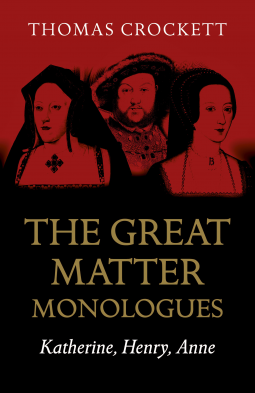
Another unusual thing about this book is that I somehow found it both too long and too short at the same time! I read it on my Kindle, but the paper version has over 600 pages, so it’s a big book and not one that can be read very quickly. On the other hand, the six novels in the Six Tudor Queens series were all nearly as long and this single book on Henry has to cover a lot of the same information, so I felt that it didn’t really have the same level of depth, particularly where Henry’s later wives were concerned. About half of the book is devoted to Henry’s marriage to Katherine of Aragon and the ‘Great Matter’ that arises when he attempts to have the marriage annulled so he can marry Anne Boleyn. This means his relationships with his other four wives are squeezed into the remainder of the book, along with major events like the sinking of the Mary Rose, which is covered in just a few paragraphs.
Overall, I found this an interesting read, if a bit dry at times, but I don’t really feel that I learned anything new from it – and, as I’ve said, a lot of the material is repeated from the earlier six novels. If you don’t have much knowledge of Henry VIII and the Tudors, though, I think this would be a good alternative to non-fiction to start you on your journey and introduce you to this period of history. Be aware that the US title of this book is The King’s Pleasure: A Novel of Henry VIII – I don’t want anyone to buy the same book twice!
Thanks to Headline Review for providing a copy of this book for review via NetGalley.

This is book 39/50 for the 2023 Historical Fiction Reading Challenge.


 She Reads Novels