It’s the first Saturday of the month which means it’s time for another Six Degrees of Separation, hosted by Kate of Books are my Favourite and Best. The idea is that Kate chooses a book to use as a starting point and then we have to link it to six other books of our choice to form a chain. A book doesn’t have to be connected to all of the others on the list – only to the one next to it in the chain.
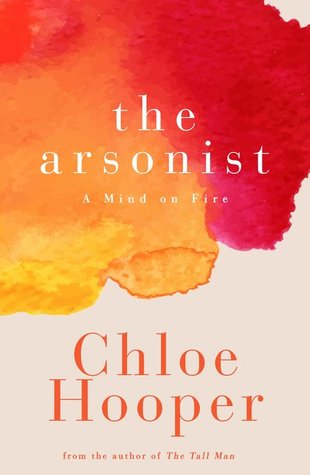
This month we begin with The Arsonist by Chloe Hooper. I haven’t read this book – in fact, it isn’t out in the UK until the end of May – but it does sound like an interesting Australian true-crime book about ‘Black Saturday’, the day in February 2009 when a man lit two fires in Victoria’s Latrobe Valley.
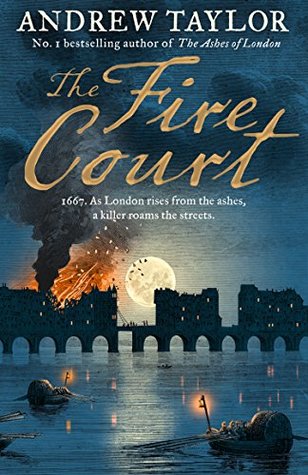
For my first link, I have chosen another book on a fire-related subject, although this one is fiction: The Fire Court by Andrew Taylor, a historical mystery set in the aftermath of the Great Fire of London. This is part of a series featuring the characters of Cat Lovett and James Marwood (I used the first book, The Ashes of London, in a previous Six Degrees post) and the next book, The King’s Evil, is on my shelf waiting to be read soon.
My next link is to another historical crime novel written by an author whose name is Andrew. He is Andrew Hughes and the book is The Convictions of John Delahunt. Set in Dublin in the 1840s, this is a dark, atmospheric novel with an unusual and intriguing narrator. I remember loving it.

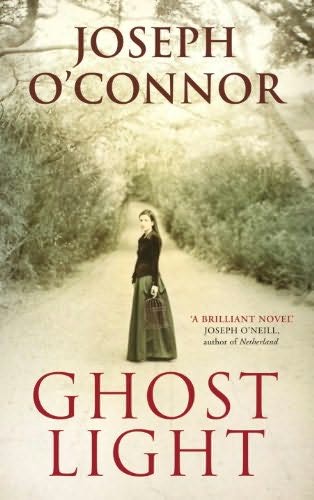
Another book set at least partly in Dublin – in the early twentieth century this time – is Ghost Light by Joseph O’Connor, the story of the Irish actress Molly Allgood and her relationship with the playwright John Millington Synge. I thought this was a beautifully written novel, but I still haven’t read any of Joseph O’Connor’s other books yet.
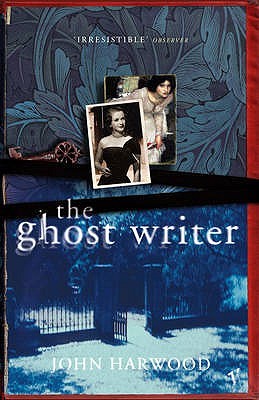
Despite the title, Ghost Light is not actually a ghost story. A novel with the word ‘ghost’ in the title that really does feature ghosts is The Ghost Writer by John Harwood. The main character discovers that his great-grandmother, Viola Hatherley, was a writer of ghost stories and some of the tales she had supposedly written are incorporated into the plot.
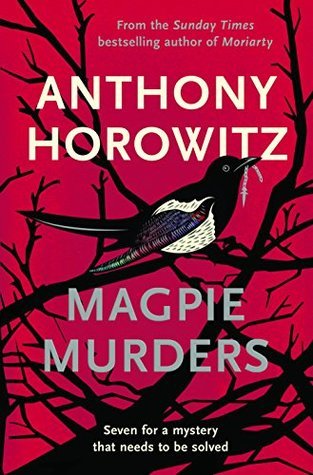
This leads me to another book which uses the story-within-a-story concept, but in a very different way: the wonderful Magpie Murders by Anthony Horowitz. The novel includes, almost in its entirety, an Agatha Christie-style murder mystery written by a fictional author called Alan Conway.
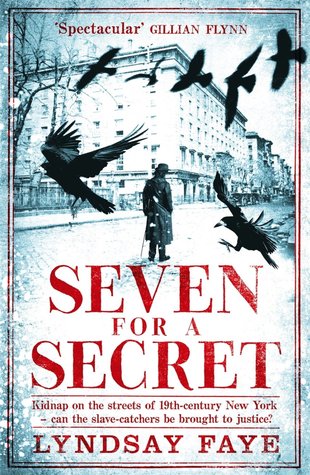
My final link is to Seven for a Secret by Lyndsay Faye, the middle book in her Timothy Wilde trilogy which I loved and was sorry to see come to an end. It can be linked to the previous book in the chain in two ways – as well as having birds pictured on the cover, the title refers to the famous rhyme about magpies (One for sorrow, two for joy, three for a girl, four for a boy, five for silver, six for gold, seven for a secret never to be told).
And that’s my chain for this month! Have you read any of the books I’ve mentioned?
In April we will be starting with How to be Both by Ali Smith.

 She Reads Novels