Uprooted by Naomi Novik

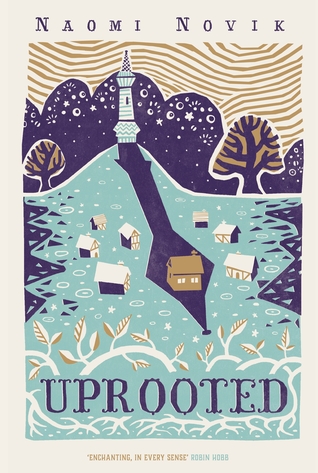
Uprooted Naomi Novik is best known for her Temeraire series set during an alternate version of the Napoleonic Wars in which dragons are used in aerial combat. After reading the first Temeraire book in March I was delighted when I unexpectedly received a review copy of Novik’s new novel. While Uprooted is not a Temeraire story, it does have a Dragon…but not of the winged, fire-breathing variety. The Dragon in Uprooted is a wizard – the most powerful wizard in the kingdom. Which kingdom? Well, we aren’t really told, but it does resemble Poland in the 16th century.

Our narrator, Agnieszka, lives in Dvernik, a village on the edge of a dark and sinister forest known only as the Wood. The villagers rely on the Dragon to defend them from the horrors that lurk in the Wood, but his protection comes at a price: every ten years the Dragon selects a seventeen-year-old girl from the village and takes her away to live with him in his tower. Nobody knows what happens to the girls during their time with the Dragon, but when they return ten years later they have changed and are unwilling to go back to their old lives in the village.

The year Agnieszka turns seventeen is a Dragon-year and she waits anxiously with the other girls her age while he makes his choice. Everyone thinks it will be the beautiful Kasia, Agnieszka’s best friend, but the Dragon has other ideas and it is Agnieszka herself who ends up in his tower. At first she has no idea what the Dragon wants from her and spends most of her time trying to avoid him, but it’s not long before she discovers why she was chosen. As Agnieszka learns more about the wizard and his magic, the evil forces within the Wood continue to grow stronger and soon she and the Dragon must work together to save the kingdom.

Uprooted is a wonderfully imaginative fantasy novel. When I first began to read, I thought it felt like a fairy tale retelling – there were definitely some elements of Beauty and the Beast as well as some references to Eastern European folklore – but very soon it started to develop into something original and different. There was a lot to love about the book and although it wasn’t as flawlessly brilliant as it seemed to be at first, I would highly recommend it both to fantasy fans and to those like me who only dip into fantasy occasionally.

I found the ways in which magic is used in the novel particularly interesting, as there are so many different types performed by the Dragon and various other characters. These range from the Dragon’s meticulous, almost scientific methods to the more natural, instinctive magic found in the old spellbooks of the great witch, Jaga. Agnieszka learns a lot about magic while living in the Dragon’s tower; it was fascinating and I was slightly disappointed when the scope of the story broadened and the action moved first to court and then to other parts of the kingdom.

The relationship between Agnieszka and the Dragon is well written, particularly in the first half of the book, but a lot of time is also spent on exploring the strong female friendship between Agnieska and her best friend, Kasia. There’s also a romantic thread to the story but this does not form a big part of the plot, which could be either a good thing or a bad thing depending on how you feel about romance. Personally I would have liked this aspect of the novel to have been developed in a little bit more depth as it seemed to be neglected halfway through as a very long and drawn out magical battle took centre stage instead.

The most memorable thing about Uprooted, though, was the role played by the Wood. When people talk about books, they often say that the setting felt almost like a character. With this book, it wouldn’t be an exaggeration to say that the setting really is a character. The Wood is portrayed as not just a collection of trees, but as a strong evil presence – an intelligent living entity with thoughts, feelings and desires. I found it genuinely creepy and menacing and the fact that it isn’t human makes it an unforgettable fantasy villain.

I’m not sure whether Naomi Novik is going to write more books set in this world. There is the potential for more, but the way Uprooted ended suggests that it will remain a standalone. Either way I’m happy – and I still have the rest of the Temeraire series to read!

Thanks to Pan Macmillan for providing a copy of this book for review.

The Morning Gift by Eva Ibbotson

The Morning Gift This is not the first Eva Ibbotson novel I’ve read – I have previously read Madensky Square and The Secret Countess, both of which I enjoyed – but I’ve been particularly looking forward to this one as so many Ibbotson readers speak so highly of it.

The novel opens in Vienna and introduces us to Ruth Berger, the twenty-year-old daughter of a professor of Zoology, whose life revolves around music, nature and her cousin Heini, the concert pianist she has always expected to marry. When the Nazis invade Austria in 1938, Ruth and her family are forced to flee but while her parents make it to safety in London, Ruth is left behind due to a problem with her student visa. A friend of her father’s, the British scientist Professor Quinton Somerville, comes to the rescue with the suggestion that Ruth marries him as a way of getting to London. Once Ruth is safely in England, the marriage can be annulled.

Of course, things don’t go exactly as planned and dissolving their marriage of convenience proves to be harder than they expected. Ruth becomes a student at Thameside University and finds herself in Quin’s class where it will be impossible for them to avoid each other as the lawyers have advised. While she and Quin struggle with the growing attraction they feel for each other, another complication arrives in the form of Heini who has made his way to England and expects Ruth to marry him as soon as possible. Will Ruth and Quin’s secret marriage be discovered?

The Morning Gift is a lovely, romantic story; it took me a while to get into it as the beginning was quite slow, but I became completely absorbed in the story somewhere in the middle and although it was really quite predictable, I still didn’t want to stop reading until I’d found out how things would end for Ruth and Quin. But there is more to this book than just the romance; among other things, it also offers insights into what life was like for a family who escaped persecution in Austria just in time and took refuge in London. This aspect of the novel is based on the author’s personal experiences – her own mother had to flee Vienna and Eva joined her at Belsize Park in London, where the Berger family live in the novel.

I also liked the academic setting and all the little scientific references that are dropped into the story as Ruth studies for her Zoology degree. I particularly enjoyed the descriptions of the field course at Bowmont, Quin’s estate in Northumberland. Ruth takes genuine pleasure in the natural beauty of her surroundings – the waves tumbling against the cliffs, the smell of vanilla drifting from a gorse bush, the sound of a curlew calling – and I loved seeing the Northumberland coast through her eyes.

I liked both Ruth and Quin, but there’s also a good selection of strong secondary characters: the other refugees who meet for tea and cakes in the Willow Tea Rooms; Ruth’s Uncle Mishak who copes with his wife’s death by planting radishes; Quin’s formidable Aunt Frances who will do anything to prevent Bowmont being given to the National Trust; and Ruth’s fellow students at the university, especially Verena Plackett, the closest thing to a villain in this novel. There are many more – too many to mention here – but all of them have something to add to the story.

I did enjoy The Morning Gift but it’s probably my least favourite of the three Ibbotson novels I’ve read so far. There was nothing in particular that I disliked about this book (apart from the slow start); it’s just that I preferred The Secret Countess and Madensky Square. I’m looking forward to continuing to work through the rest of Ibbotson’s novels!

Thanks to the publisher for providing a review copy via NetGalley.

Looking back at May and forward to June

May has been a better reading month for me than April was. I read nine books, most of which I enjoyed, and have written about five of them; I’ll be posting my thoughts on the other four in the next few weeks.

The Invention of Fire The first book I read in May was a non-fiction one – Piu Marie Eatwell’s The Dead Duke, His Secret Wife and the Missing Corpse. I was pleased to find that the book was as fascinating as the title suggested! I then read The Invention of Fire by Bruce Holsinger, the sequel to A Burnable Book which I read last year. Both novels are historical thrillers following the adventures of John Gower, 14th century poet and ‘trader in secrets’.

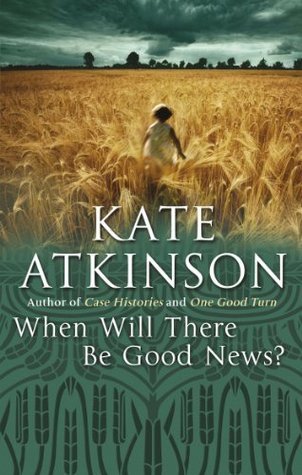
My next read was also part of a series…When Will There Be Good News?, the third in Kate Atkinson’s Jackson Brodie series. Having loved the first three, I’m now looking forward to reading the fourth book in the series.

A Country Doctor’s Notebook by Mikhail Bulgakov was the book chosen for me in the last Classics Club Spin. It was very different from the only other Bulgakov novel I’ve read (The Master and Margarita) but I really enjoyed it for its humour and its insights into life in a remote Russian hospital.

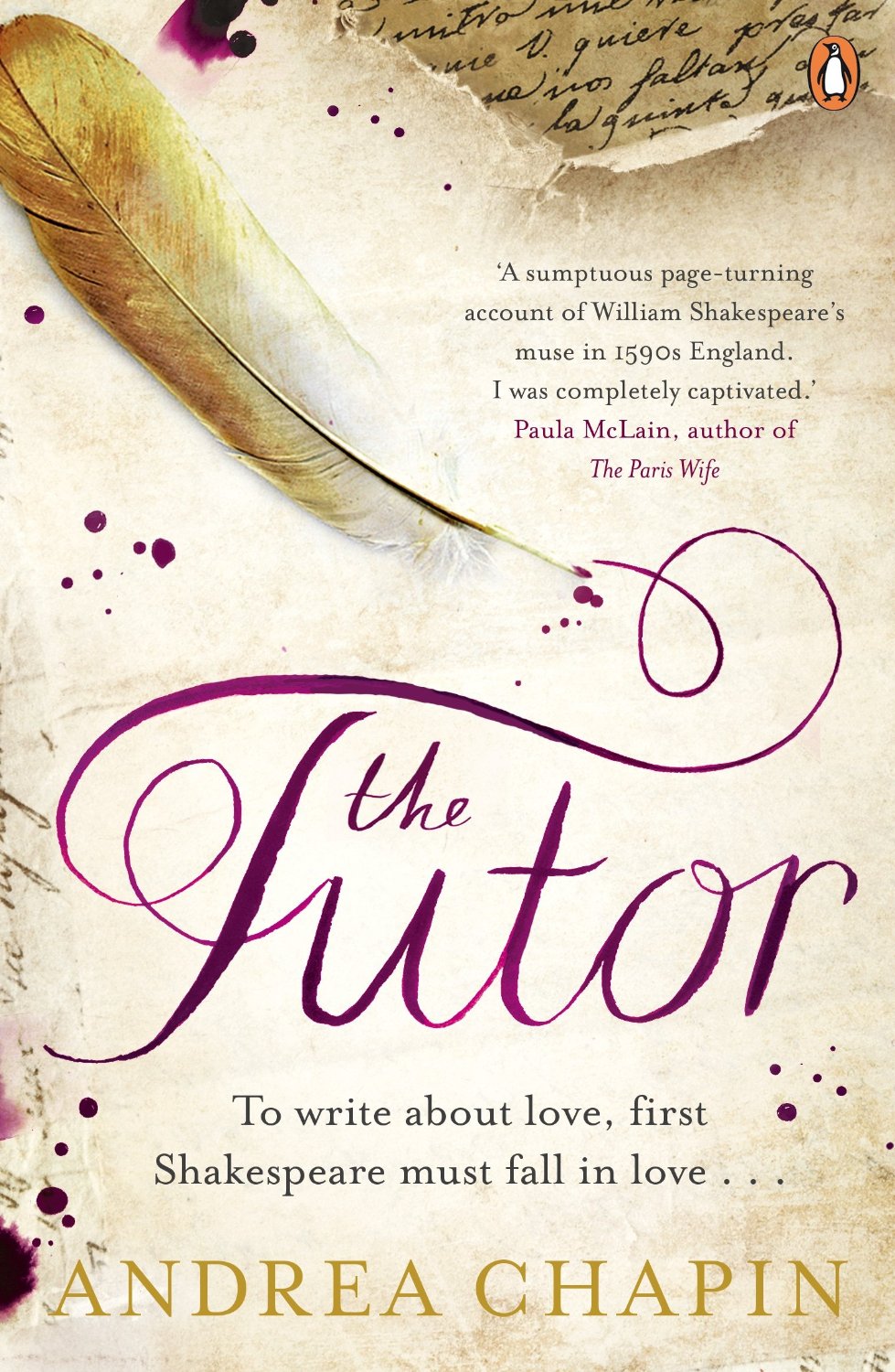
thetutor Back in March I signed up for the Once Upon a Time challenge. I knew this really would be a challenge for me as the genres it covers (fairy tale, folklore, fantasy and mythology) are not ones that I often read, but I’ve finally read a book that counts – Uprooted by Naomi Novik. I won’t say too much about that book here as I’m hoping to post a review soon. I also still need to tell you about The Tutor, Andrea Chapin’s new novel about William Shakespeare. I welcomed Andrea to my blog in April to talk about her research for the novel, so it was good to have an opportunity to read the book for myself.

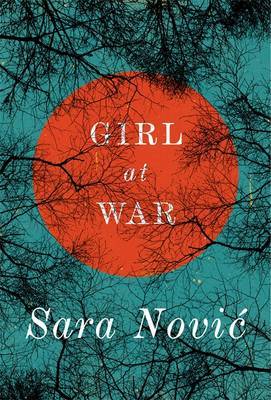
In the middle of May I visited Dubrovnik and this inspired me to pick up Sara Nović’s new novel, Girl at War, a book set in Croatia during the Yugoslavian wars in the 1990s. Also this month, I read The Chosen Queen, the first in a trilogy of historical novels by Joanna Courtney telling the stories of three women who played an important role in the Norman Conquest. And my final May read was The Morning Gift by Eva Ibbotson, which I enjoyed, though maybe not quite as much as the other Ibbotson novels I’ve read.

Plans for June

As we move into June, I am in the middle of two books by two authors who are very different but both of whom I would name among my favourites: Alexandre Dumas (The Vicomte de Bragelonne) and Sharon Bolton (Little Black Lies). I want to concentrate on finishing these two books first, but I have also set myself a little challenge for June…to read the three plays on my Classics Club list. They are:

Doctor Faustus by Christopher Marlowe
Cyrano de Bergerac by Edmond Rostand
The Importance of Being Earnest by Oscar Wilde

I struggle with plays and have been avoiding reading these, so it would be nice to be able to cross them off my list!

Another thing I would like to do in the next few months is try some of the books on Ancient Rome that were recommended to me in the comments section of my last Historical Musings post. I have compiled a list of all the suggestions which you can see here – feel free to add more!

What are you hoping to read in June?

The Chosen Queen by Joanna Courtney

The Chosen Queen In 1066, one of the most famous years in English history, three men were fighting for the throne of England: Harold Godwinson, the powerful Earl of Wessex; Harald Hardrada, the king of Norway; and William, Duke of Normandy. All three men had wives and in this new historical fiction trilogy, Joanna Courtney explores the lives of these three Queens of the Conquest.

The Chosen Queen is the first book to be published in the trilogy and follows the story of Edyth Alfgarsdottir, daughter of Alfgar, Earl of Mercia, and granddaughter of Lady Godiva. When Alfgar falls out of favour with the current King of England, Edward the Confessor, in the year 1055, the family are exiled to Wales. It is here that the fourteen-year-old Edyth meets and falls in love with the man who becomes her first husband – Griffin, King of all Wales. With unrest in the south of Wales, the chance of Viking invasions and the constant threat from the English side of the border, Griffin’s life is dangerous and uncertain – as he says to Edyth, he could be king for another twenty years or for just a few more hours.

When Edyth’s time as Queen of Wales eventually comes to an end, she finds herself back in England where she becomes caught up in the battle for the English crown. The childless King Edward has died, leaving Harold Godwinson as his successor, but neither Harald Hardrada of Norway nor Duke William of Normandy is willing to accept this. The new king needs a strong queen by his side, and Edyth, with her experience of the Welsh court and her family ties to both Mercia and Northumbria, is the ideal choice. The only problem is, Harold already has a wife…Edyth’s beloved friend, Svana.

The Chosen Queen is a fairly light historical novel and some readers may feel that there’s too much focus on Edyth’s romantic relationships, but I still found it quite an emotional and gripping read. It probably helped that I know very little about the Norman Conquest so most of Edyth’s story was new to me. With the story being told from a feminine perspective, I particularly enjoyed the portrayal of Edyth’s relationship with Svana, Harold’s handfast wife who befriends her as a child. Svana’s marriage to Harold took place outside the Catholic Church, which meant there was nothing to prevent Edyth from also marrying him, and the novel explores how both women may have felt about this.

Whenever I read historical fiction, I like to know how much of the book is based on fact and how much has been invented, so an author’s note is always appreciated. At the end of The Chosen Queen there’s not only an author’s note, but also a section giving further details on some of the historical figures, events and terms mentioned in the book (this is in addition to a map and two family trees at the front of the novel). It seems that some artistic licence has been taken (there is no evidence of a friendship between Edyth and Svana for example), but this is understandable when writing about a time period so far into the past; only a limited amount of factual information is available, so some imagination is obviously needed to fill in the gaps.

What I don’t understand was why it was necessary to change so many of the characters’ names. The original names are listed in an appendix together with the modernised forms found in the book and while I can maybe see the sense in referring to Harold’s first wife as Svana rather than Eadyth Swanneck (to avoid confusion with the story’s other Edyth), changing Gunnhild, Siward and Burgheard to Hannah, Ward and Brodie felt unnecessary and pulled me out of the 11th century. I like to feel fully immersed in the time period I’m reading about and that never really happened while I was reading this book. Accuracy is important to me, but it’s not the only thing I look for in a novel – I also look for a good story, and I do think Joanna Courtney has a lot of talent as a storyteller. She made me care about Edyth and she kept me turning the pages until I reached the end.

After finishing this book, I checked Joanna Courtney’s website for details of the other two novels in the trilogy. The second will be about Harald Hardrada’s wife Elizaveta of Kiev and the third will be about Matilda of Flanders, wife of William the Conqueror – two more women I know nothing about!

Thanks to Pan Macmillan for providing a copy of this book for review.

When Will There Be Good News? by Kate Atkinson

When Will There Be Good News It seems that everyone is talking about Kate Atkinson’s new novel, A God in Ruins, at the moment – and that’s definitely a book I would like to read soon, as I loved Life After Life – but I’m also still working through her Jackson Brodie series, of which this book, When Will There Be Good News?, is the third.

The story opens with a tragedy: the murder of a mother and two of her three children as they walk home through the countryside on a beautiful summer’s day. Six-year-old Joanna, who witnesses the brutal attack, is the sole survivor. Thirty years later, Joanna is living in Edinburgh where she is now a doctor with a successful practice and mother of a beloved baby son. She has managed to put the horrors of her childhood behind her and build a new life for herself, but how will she react when she hears that the man who murdered her family is about to be released from prison?

Another character with a troubled past is sixteen-year-old Reggie (short for Regina) Chase, Joanna’s ‘mother’s help’. Reggie is alone in the world apart from her criminal brother, Billy, and the only bright spots in her life are her friendship with Joanna and her love of ancient literature (she has left school but is continuing to study Greek and Latin in private sessions with an eccentric retired teacher, Ms MacDonald). When Joanna and her baby disappear, Reggie is sure something terrible must have happened and she can’t understand why nobody else seems to be worried.

Like the previous two books in this series (Case Histories and One Good Turn), the plot is built around coincidences, chance encounters and interlinking storylines. This is how our old friend Jackson Brodie is brought into the story; accidentally boarding a train heading north towards Edinburgh instead of south to London, he finds himself caught up in a rail disaster which brings him into contact not only with Reggie but also with Detective Chief Inspector Louise Monroe, one of his love interests from One Good Turn. It was nice to meet Jackson and Louise again, but the real star of this book is Reggie, possibly my favourite character to appear in the series so far.

I find Kate Atkinson’s books very quick, addictive reads – despite enjoying them so much that I don’t really want to reach the end, I just can’t seem to read them slowly! As I’ve mentioned before, her books are not conventional crime novels. Crimes are committed and investigated, but the focus tends to be on the impact the crimes have on the characters, and the events and relationships that arise as a result. Each time I’ve finished a Jackson Brodie novel I’ve found that it’s not the plot I remember, but the characters. They are so well developed and so human, with hopes and dreams, likes and dislikes, doubts and worries that any reader will be able to identify with.

This is probably the darkest book of the series so far, with so many tragedies, disasters and accidents that I could certainly understand why it was given the title When Will There Be Good News? The book is not without some humour and lighter moments, though, so don’t let that put you off reading it! I now have only one more Jackson Brodie novel to read (Started Early, Took My Dog), but I may be tempted to read A God in Ruins first – or is there another Kate Atkinson book you think I really need to read without delay?

Girl at War by Sara Nović

Girl at War When I visit another country I like to read something, if possible, set in the place I’m going to. I read Girl at War on my recent trip to Dubrovnik and while the Croatia portrayed in the novel was (thankfully) very different from the one I was visiting, it was good to learn a little bit about its history and what it was like to live there during one of the most turbulent periods in the country’s past.

The story begins in 1991, just as Croatia declares independence from Yugoslavia and becomes a country at war. Our narrator is ten-year-old Ana Jurić, who lives in Zagreb with her parents and baby sister; just a normal child whose life revolves around going to school and playing football with her best friend, Luka. With the outbreak of civil war comes big changes and suddenly Ana finds herself running for shelter during air raids, coping with food and water shortages, and wondering how her little sister will get the medical treatment she so desperately needs. But things are about to get even worse, and when a tragedy tears Ana’s world apart, she is forced to experience unimaginable atrocities that no child should ever have to face.

Ten years later, the war is over and Ana is living in New York where she is studying literature at university. She has chosen not to reveal the truth about her childhood to anyone – not even to her boyfriend – but her painful memories are still very close to the surface. Ana finally makes the decision that before she can move on with her life she will have to return to Croatia…but what will she find when she gets there and how will she come to terms with the horrors of her past?

It’s hard to believe that Girl at War is Sara Nović’s first novel; I found it a very compelling, moving and emotional story. I particularly enjoyed the early chapters, describing Ana’s life at the onset of war – child narrators don’t always work for me, but in this case seeing war through the eyes of a ten-year-old girl was very effective and the perfect way to tell the story. The end of the first section was unforgettable and one of the most harrowing moments I’ve read in fiction for some time. Jumping forward ten years to Ana’s life as a student in America was slightly disappointing as I really wanted to stay in Croatia and follow Ana’s wartime experiences, but I understood why the author chose to do that and I was pleased that the gaps were filled in later.

Before starting this novel, I knew very little about the war in Yugoslavia; I was still at school when it began and although I can remember seeing it on the news, I think I was just too young to have really understood what it was all about. Reading Girl at War hasn’t added very much to my knowledge of the reasons for the war or the politics behind it, but what it did do very successfully was show me what it’s like to be an innocent child caught up in conflict and how the emotional effects of those experiences never completely go away.

As I approached the final chapters of this novel, I was prepared to say that this was one of the best books I’d read so far this year. Sadly, though, I thought it was let down by a poor ending which felt abrupt and unresolved, and I finished the book feeling sorry that Ana’s story hadn’t been given a more satisfying conclusion. Despite this, I would still recommend reading Girl at War for its emotional impact and fascinating insights into a traumatic period of history. I’ll be looking out for future novels by Sara Nović.

Dubrovnik

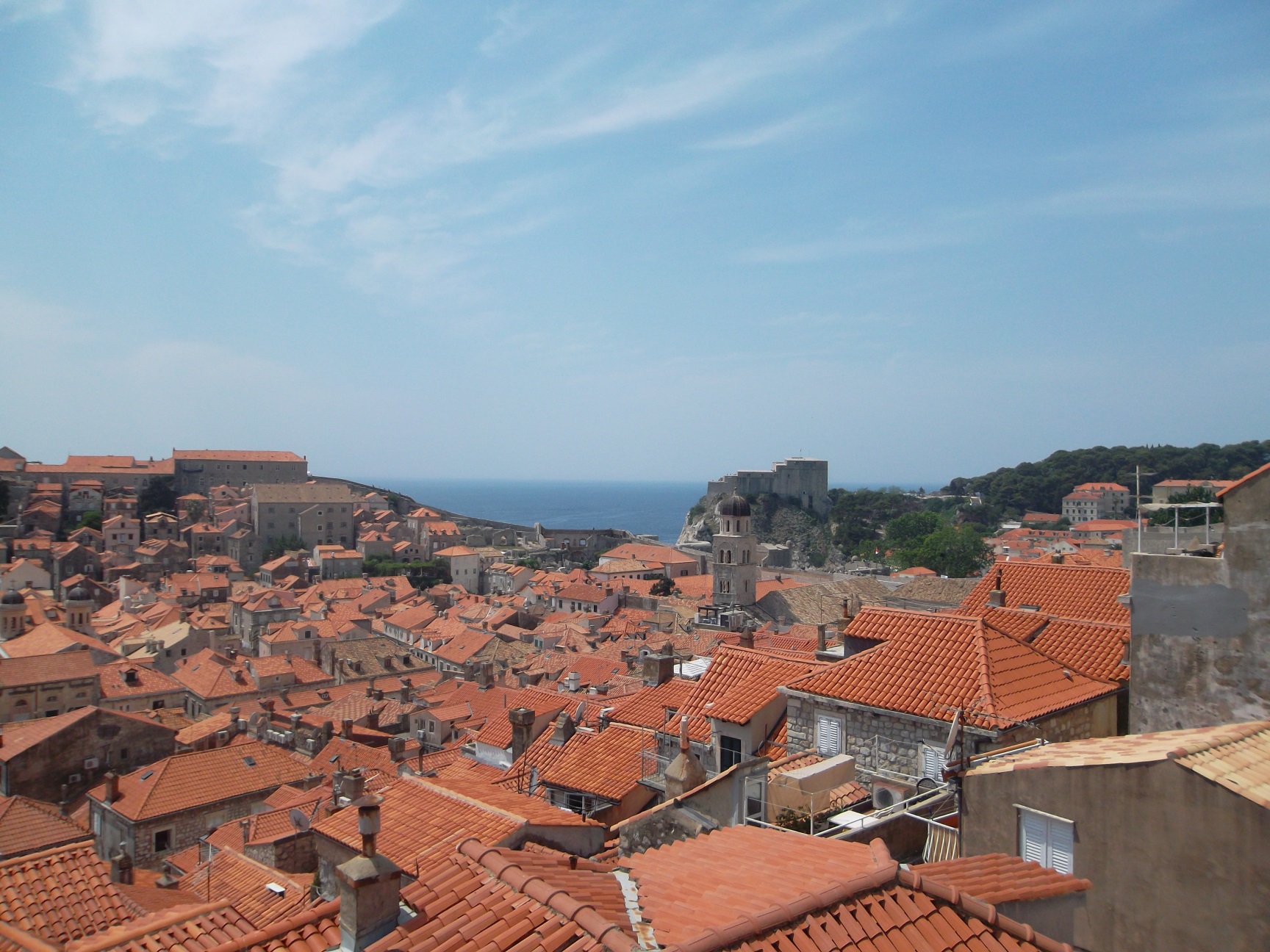
I probably haven’t been away long enough for anyone to have noticed my absence, but I’ve just returned from four days in Dubrovnik. It was the first time I’ve been to Croatia and I thought it was a beautiful country with some spectacular scenery. We were lucky enough to have good weather while we were there too.

I’ll have some books to tell you about soon, but while I finish writing my reviews I thought I’d leave you with some of my pictures…

Rooftops of the Old Town

Dubrovnik Rooftops

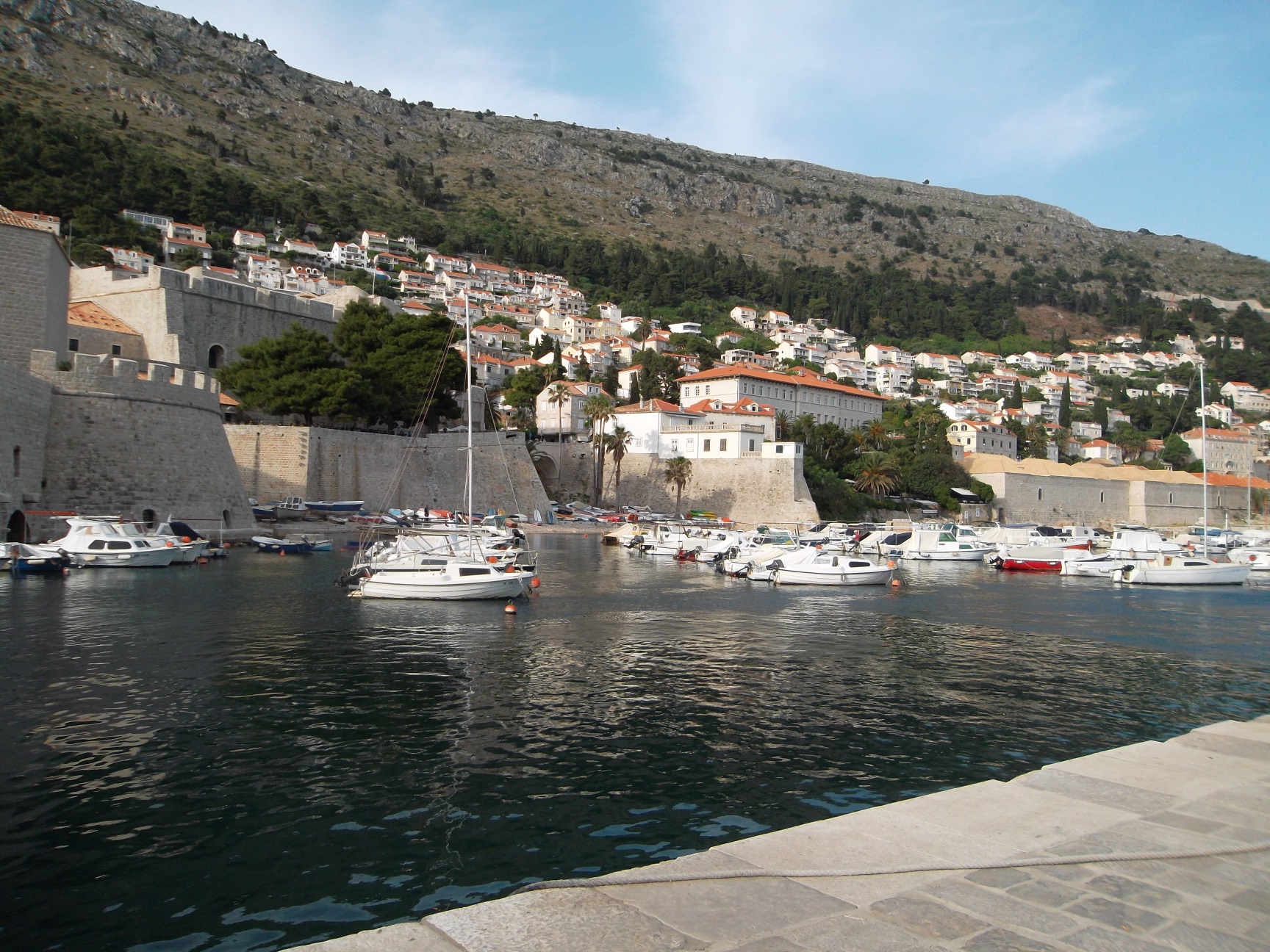
Old Town Harbour

City Harbour

Stradun (the main street), viewed from the city walls

Stradun

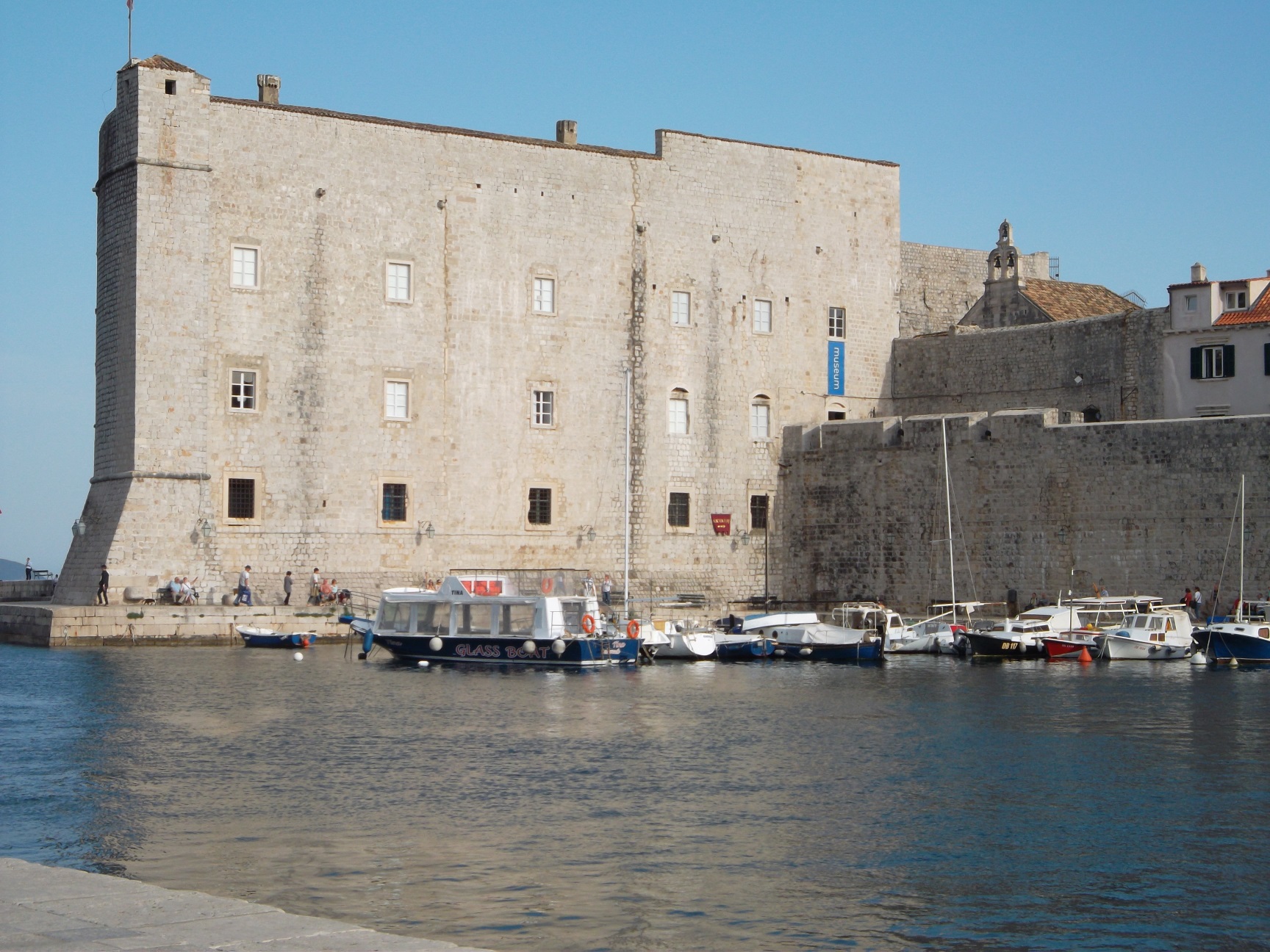
St John Fortress

St John Fortress

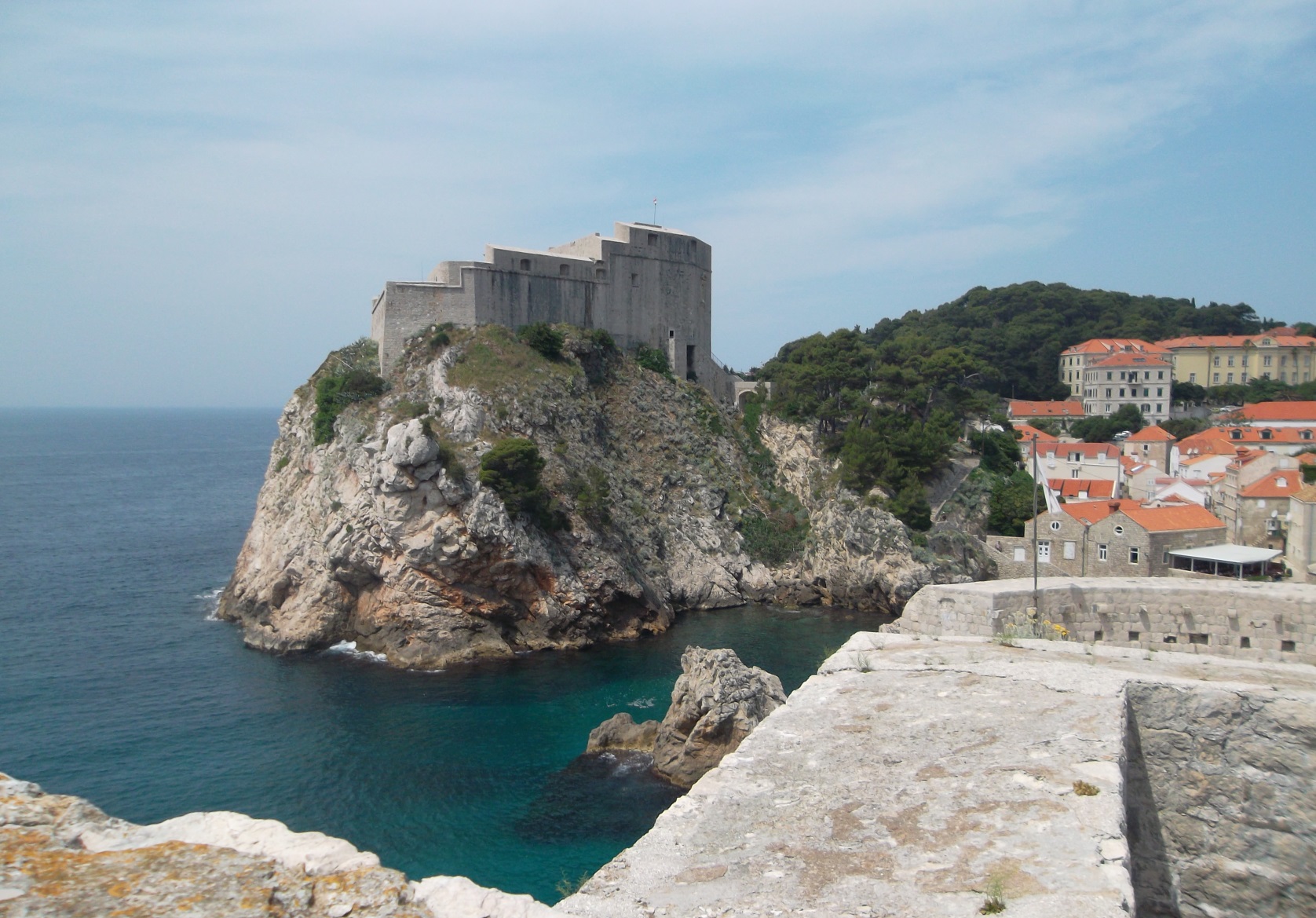
St Lawrence Fortress

St Lawrence Fortress

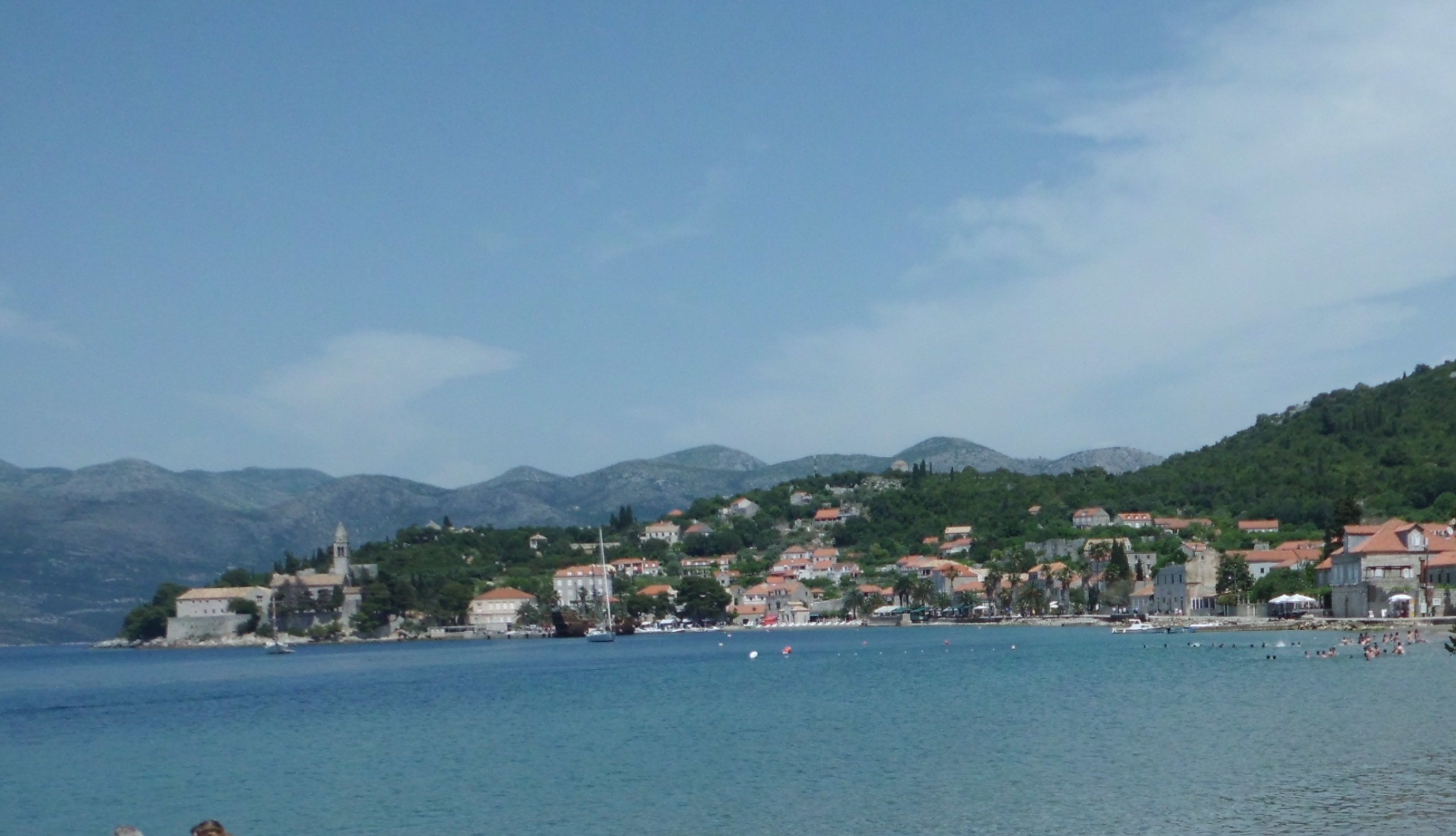
Lopud Island (one of the Elafiti Islands to the north-west of Dubrovnik)

Lopud Island

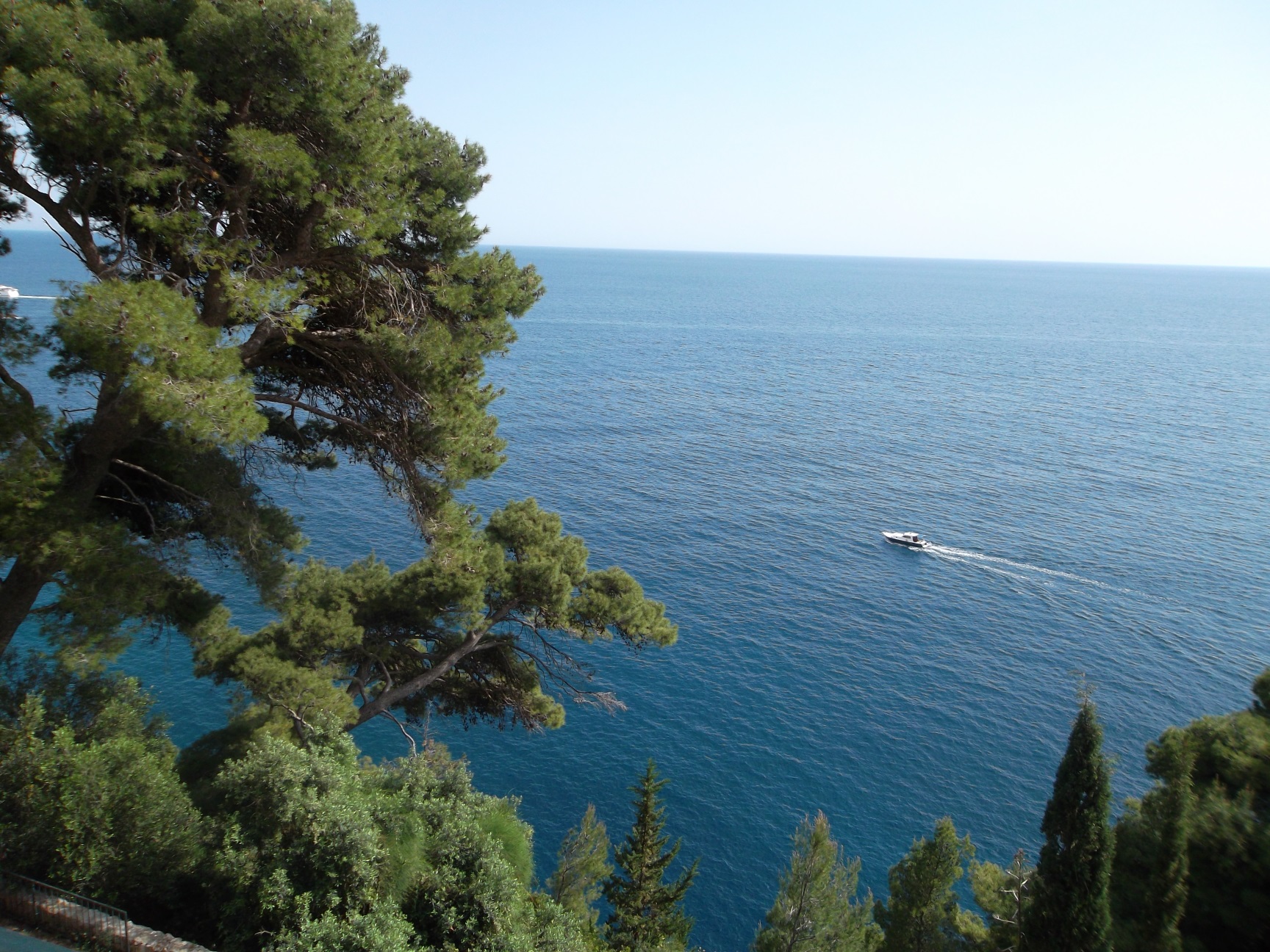
The beautiful Adriatic Sea

Adriatic Sea

I’ll be back to talk about books in a day or two – including one set in Croatia which I started reading on the plane!