My Commonplace Book: April 2025

A selection of quotes and pictures to represent April’s reading:

commonplace book
noun
a book into which notable extracts from other works are copied for personal use.

~

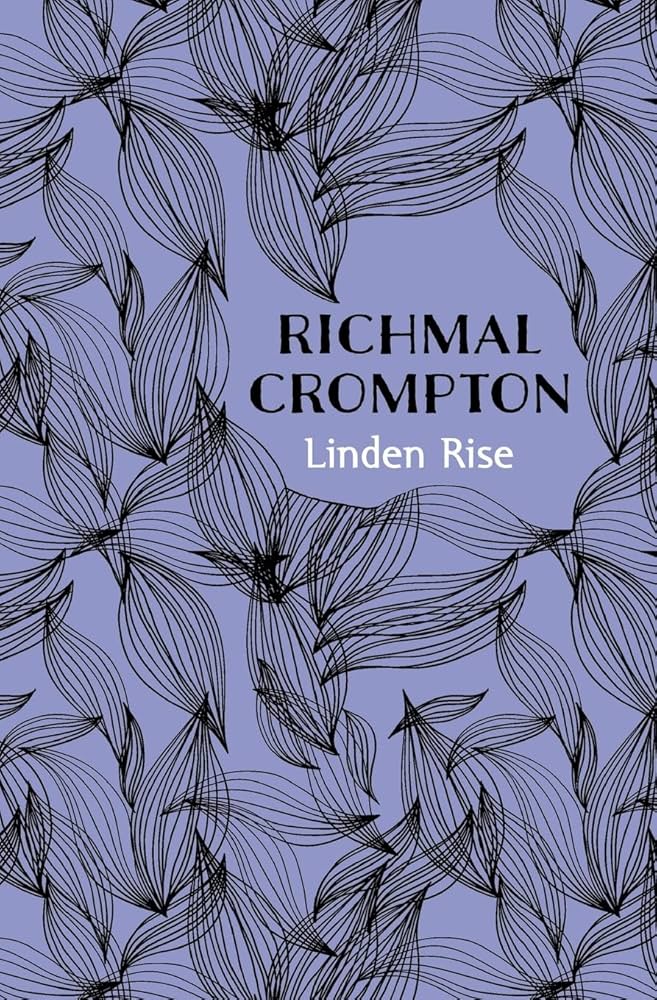
“What on earth made you bring all those books with you?” said Edmund, looking up from his model, with a note of impatience in his voice. “They’re far more than you can possibly read in the time we’re going to be here.”

“I know,” said Richard, “but I like to choose the book I’m going to read from a lot of other books. That’s half the fun of reading.”

Linden Rise by Richmal Crompton (1952)

~

London in the Great Smog of 1952

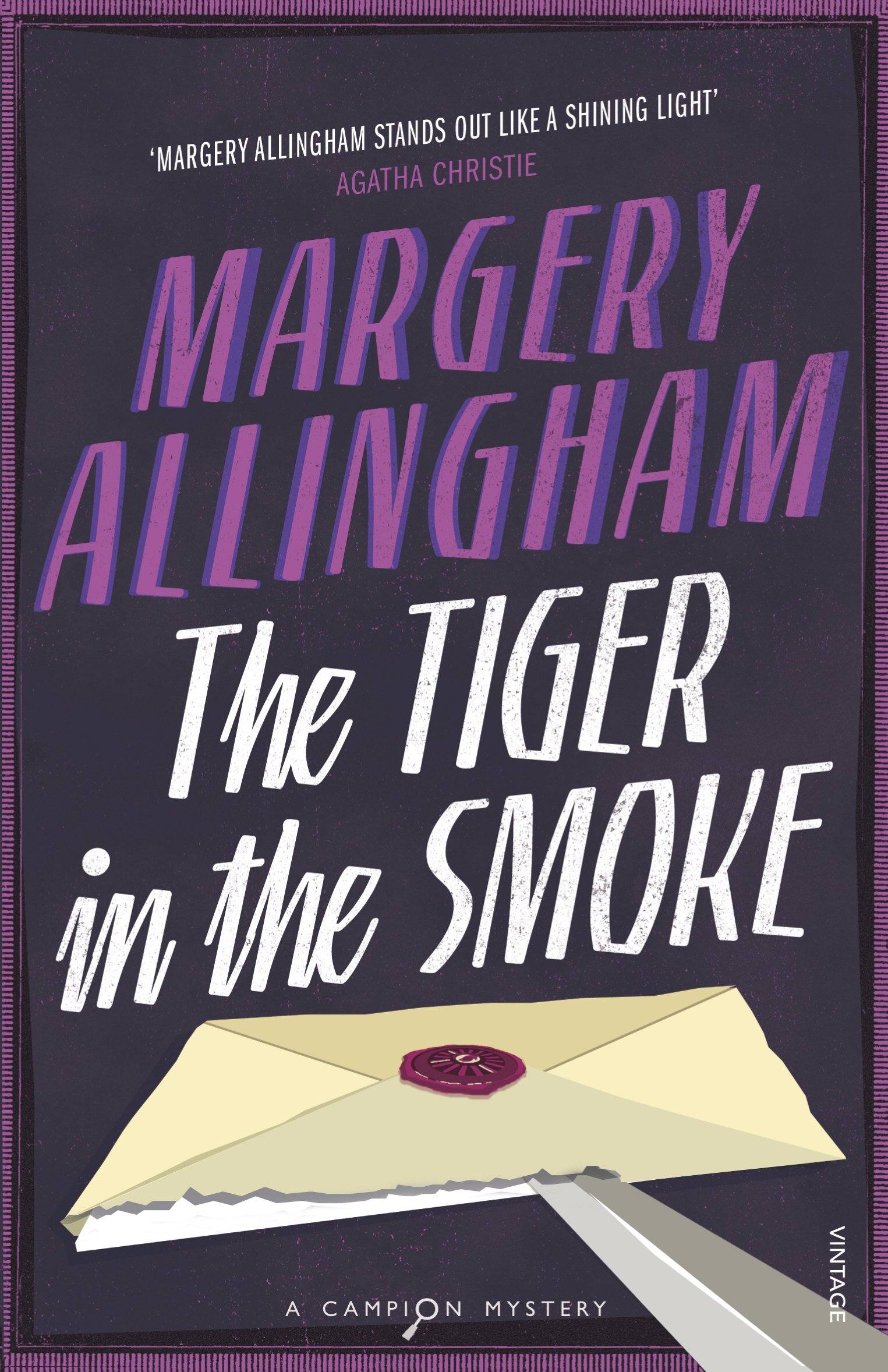
“Lying wastes more time than anything else in the modern world.”

The Tiger in the Smoke by Margery Allingham (1952)

~

‘But that leaves us with a bit of a problem,’ Dr Sarah said. ‘We can’t sit idly by and let such a thing happen. No matter the rights and wrongs of it. Do you see?’

The Edinburgh Murders by Catriona McPherson (2025)

~

Les Baux-de-Provence, France

Each day had its own page, which Olive Branson had used not only for her appointments, in themselves scarce, but also to record books she wanted to read and observations about the weather. Here and there, the diary turned into a commonplace book, with short passages in French that had caught her eye.

That Dark Spring by Susannah Stapleton (2025)

~

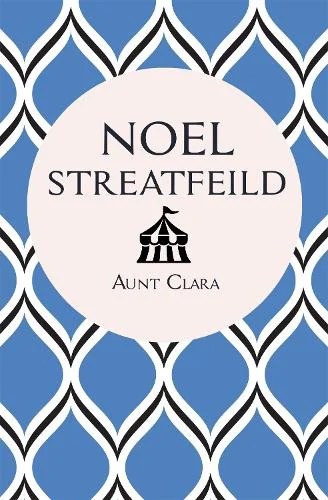
When Clara had proved right about the drifting back, George blamed her. Blaming inwardly is annoying when the one blamed is ignorant that blaming is taking place.

Aunt Clara by Noel Streatfeild (1952)

~

People are complicated; most people do some good things and some bad things.

The Six Murders of Daphne St Clair by MacKenzie Common

~

Favourite book read this month:

The Tiger in the Smoke

Authors read for the first time this month:

Susannah Stapleton, MacKenzie Common

Countries visited in my April reading:

England, France, Scotland, US, Canada

~

Reading notes: April was a slower reading month for me, compared to the first three months of the year, and it was mainly devoted to reading books for the 1952 Club. Reading less means I’ve had time to start catching up with my backlog of reviews, although I still have some left to post.

I somehow have seven books from NetGalley all with publication dates in May and have so far only read one of them, so that’s what I’ll have to concentrate on for the next few weeks. Otherwise, I don’t have any other reading plans for May and will just see where my mood takes me.

What did you read in April? Do you have any plans for May?

Top Ten Tuesday: Books with House in the title

This week’s topic for Top Ten Tuesday (hosted by That Artsy Reader Girl) is “Books with the Word “[Insert Word Here]” in the Title”. I picked the word House as I’ve reviewed a lot more than ten books with that word in the title, which meant I had plenty to choose from and could cover a range of genres.

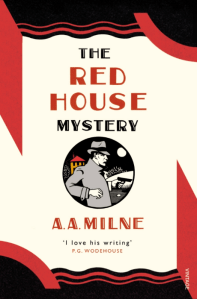
1. The Red House Mystery by A.A. Milne – Published in 1922, this is Milne’s only detective novel (although he did also write a spoof, Four Days’ Wonder). It’s a lot of fun and I wish he had written more of them!

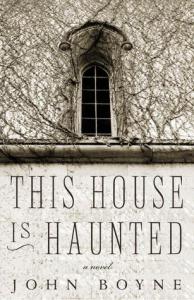
2. This House is Haunted by John Boyne – A wonderfully entertaining and atmospheric ghost story set in Victorian England and featuring a governess who takes a position at a house which appears to be haunted.

3. The Valentine House by Emma Henderson – This dual time period novel is set in the French Alps and follows several generations of the Valentine family from 1914 to 1976.

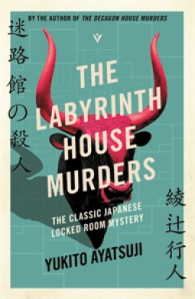
4. The Labyrinth House Murders by Yukito Ayatsuji – An imaginative Japanese crime novel set in a house built in a labyrinth design and inspired by the Minotaur myth. I enjoyed this much more than The Decagon House Murders by the same author (which could also have been on this list).

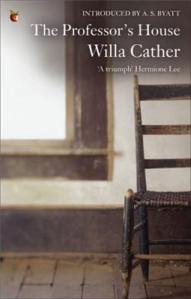
5. The Professor’s House by Willa Cather – Moving house causes Professor Godfrey St Peter to reflect on his life and his memories of a former student. This was my first Willa Cather book and I found it slow but beautifully written.

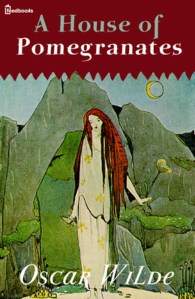
6. A House of Pomegranates by Oscar Wilde – A collection of four fairy tales by Oscar Wilde. Although each one has a moral, they are also very entertaining! The stories are quite dark in places (like many fairy tales), but I think they’re suitable for both children and adults.

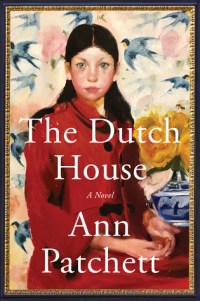
7. The Dutch House by Ann Patchett – The story of a brother and sister and their connection to the house in Philadelphia where they grew up. I hadn’t expected to enjoy this as much as I did!

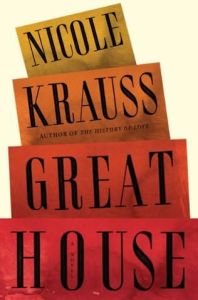
8. Great House by Nicole Krauss – A novel made up of four separate stories, linked by an antique writing desk that once belonged to a Chilean poet. The desk touches the lives of each of the main characters in some way and you need to read all four stories to fully understand how they are connected.

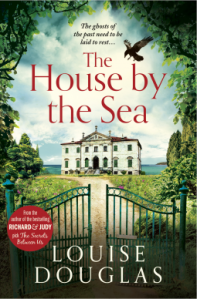
9. The House by the Sea by Louise Douglas – Our narrator inherits a house in Sicily and intends to sell it until she discovers it’s hiding some intriguing secrets. This book combines mystery and romance with some beautiful descriptive writing.

10. The House on the Strand by Daphne du Maurier – This time travel novel is set in the author’s beloved Cornwall and moves between the 1960s and the 14th century. I love du Maurier and this is one of my favourites.

~

Have you read any of these? Which other books with House in the title have you read?

Aunt Clara by Noel Streatfeild – #1952Club

My final book for the 1952 Club being hosted this week by Simon and Karen is one of Noel Streatfeild’s adult novels. I loved Streatfeild as a child but came to her books for adults just a few years ago. So far I’ve enjoyed The Winter is Past and Caroline England and hoped that her 1952 novel, Aunt Clara, would be another good one.

Before we meet the title character, Streatfeild introduces us to Simon Hilton, a wealthy, curmudgeonly man approaching his eightieth birthday, who lives in London with his valet, Henry. Simon has never married, but has five nieces and nephews, most of whom now have children and grandchildren of their own. None of them care much for Simon – and the feeling is mutual – but they all have their eyes on his money and don’t want to risk being disinherited. The old man is looking forward to celebrating his birthday in August and when he receives a stream of letters from various family members suggesting that he switch his party to July instead as it would be more convenient for them, Simon is furious. Feeling disrespected and insulted, he decides to teach them all a lesson!

A few weeks after his birthday party (which was held in August, despite his family’s complaints), Simon dies and everyone gathers for the reading of the will. To their shock and disgust, they hear that everything has been left to Clara, Simon’s sixty-two-year-old niece. Clara is one of the only people in the family who is not greedy and selfish: she looked after her parents until their deaths, sacrificing her own chance of marriage in the process; she is always ready to help her siblings and their children whenever they call on her; she carries out work for charity and sees only the best in everyone else. It may seem that Simon has rewarded her for her goodness, but the bequests include some odd things to leave to a religious, teetotal spinster in her sixties – a small brothel, The Goat in Gaiters pub, Simon’s racehorses and racing greyhounds, a fairground game called Gamblers’ Luck, and two children from a circus. Is Simon playing one last cruel joke from beyond the grave?

I enjoyed Aunt Clara, although I felt that the plot jumped around too much in the second half of the book, making it a bit difficult to follow, particularly as there are so many characters to keep track of as well. It’s fascinating to see how Clara deals with her unusual inheritance, though; she’s endearingly naive and innocent, oblivious to Simon’s malicious humour, and considers each of his bequests to be a ‘sacred trust’. Her efforts to care for each of the people or things entrusted to her eventually begin to give her a different perspective on life and on things she’s always viewed as sins, such as drinking and gambling. She also has to contend with the rest of the Hilton family, who switch their attentions to her, hoping to get their hands on some of her newly gained wealth!

As I’ve mentioned, there are far too many characters – and only a few of the family members are drawn with any depth. One character who does jump out of the pages, though, is Henry, Simon’s manservant, a no-nonsense Cockney who sees the goodness in Clara and takes her under his wing. Henry is present throughout the book and speaks in dialect, including a lot of rhyming slang, which I found a bit tiring to read after a while. Aunt Clara isn’t my favourite of the Streatfeild novels I’ve read so far, then, but I think there’s a lot more to like than to dislike. I was interested to find that it was made into a film starring Margaret Rutherford in 1954. Has anyone seen it?

The Tiger in the Smoke by Margery Allingham – #1952Club

I’ve read a lot of Margery Allingham’s books but, maybe surprisingly, not many of the Albert Campion ones and not the book that is often described as her best, The Tiger in the Smoke. When I saw that it was published in 1952, it seemed an ideal choice for this week’s 1952 Club, hosted by Karen and Simon.

The Tiger in the Smoke is the fourteenth novel in the Albert Campion series – although Campion himself barely appears in it. Despite the exotic title, the Tiger refers to an escaped prisoner, Jack Havoc, and the Smoke is a nickname for London. At the beginning of the book, we meet Meg, who has believed herself to be a war widow since her husband, Major Martin Elginbrodde, was reported dead in Normandy during the D-Day landings. Meg has recently become engaged to another man, Geoffrey Levett, but has started receiving mysterious photographs which seem to show that Martin is still alive. As a thick fog descends on London, Meg asks her cousin Albert Campion and Chief Inspector Charlie Luke to help her find out who is sending the photos and what they mean.

The connection between all of this and the escape of Jack Havoc – whom Campion’s friend Superintendent Oates describes as ‘a truly wicked man’ – is not immediately obvious, but gradually becomes clear as the story progresses. First, though, we meet a gang of ex-Army men trying to make a living as a band of street musicians, all with some kind of disability or war injury. They are also criminals and associates of Havoc, so portraying them all with disabilities is something I’m sure a modern author would avoid, even if Allingham got away with it in the 1950s. Havoc himself is a great villain, surrounded by a real aura of danger due to his unpredictability and ruthlessness.

This book is much more of a thriller than a mystery. In fact, there’s very little mystery at all, beyond the question of who is responsible for the photographs and how Martin Elginbrodde is linked to Havoc and his gang. There’s nothing for the reader to really try to solve, so you just have to sit and watch as the story unfolds. This probably explains why we see so little of Campion, as there’s not much for him to do from an investigative point of view. I have to admit that I was quite happy with his absence as I’ve found so far that I tend to prefer Allingham’s books without Campion to the ones with him – although having said that, this is one of the later books in the series and he seems to have matured a lot since the earliest book I’ve read (Mystery Mile).

I loved the atmospheric descriptions of London in the fog in the first half of the book, with the limited visibility making it easier for the criminals to avoid capture. Allingham finds so many evocative ways to describe the fog and it really adds to the sense of tension and confusion. I’m pleased I decided to read this one for 1952 Club – and I have another Campion novel, The China Governess, on the TBR which I hope to get to soon as well.

Linden Rise by Richmal Crompton – #1952Club

My first book for this week’s 1952 Club (hosted by Karen of Kaggsy’s Bookish Ramblings and Simon of Stuck in a Book) is Richmal Crompton’s Linden Rise. Crompton is much better known for her Just William series for children, but she also wrote a large number of adult novels of which this is one. I’ve previously read two others, Family Roundabout and The Old Man’s Birthday, both of which I enjoyed, so I hoped for a similar experience with this one.

The novel begins in 1892 with fifteen-year-old Tilly Pound arriving at Linden Rise, a cottage in the village of Priors Green. The Culverton family from London have taken the cottage for the summer and Tilly has been employed as housemaid – her first job. Despite their money and comfortable, privileged lives, the Culvertons are not a happy family: Mr Culverton is having an affair with another woman and his wife is fully aware of it, leading to a tense and unloving marriage. Edmund, the eldest child, is Tilly’s age, a serious, humourless boy, very unlike his carefree younger brother, Richard. There are also two girls – pretty, selfish Althea, and the youngest, Vere, who is considered sullen and miserable and is largely ignored by the rest of the family.

As Tilly settles into her new role, the Culvertons come to rely on her more than they know, and when they return to Linden Rise permanently several years later, she comes back to work for them again, this time as head housekeeper and cook. A lot has changed in the intervening years and Tilly isn’t impressed with the direction in which some of the family members’ lives have gone, so she decides to do what she can to put things right.

As you would expect from an author more famous for her children’s stories, Crompton’s child characters are very well drawn and I think that’s why I enjoyed the first part of this book more than the later sections. She knows the sort of conversations children have, the things that are important to them, the eyes through which they look at the world, and how unthinkingly cruel they can sometimes be. Once the children have all grown into young adults and the focus is mainly on their romantic relationships, I felt that the book seemed to lose its charm a little bit. I did love Tilly, though, who remains very much the same throughout the book – reliable, practical and never afraid to speak her mind.

Linden Rise has a lot to say about parenting, a theme that is also an important part of Family Roundabout. Mr Culverton, preoccupied with the other woman in his life, is largely an absent father who barely appears in the novel. Mrs Culverton also shows little interest in the raising of her children, engaging a governess, Miss Maple (another character I loved), for their first summer at Linden Rise. Mrs Culverton makes it clear that she only feels pride in two of her children – ironically, the two most unpleasant ones, Edmund and Althea – while the other two, Richard and Vere, frustrate her with their refusal to conform and behave as she expects them to. I felt so sorry for Vere in particular; Richard at least has a happy nature and doesn’t really care what people think of him, but Vere struggles with feelings of rejection and abandonment even as an adult.

Despite the serious topics the novel covers, there’s also some humour – and a happy ending, at least for some of the characters! I didn’t enjoy this book quite as much as the others I’ve read by Crompton, but I did like it and I’m glad I chose to read it for 1952 Club.

~

Some 1952 books previously read and reviewed on my blog:

East of Eden by John Steinbeck
They Do It with Mirrors by Agatha Christie
The Merry Mistress by Philip Lindsay
Excellent Women by Barbara Pym
The Birds & Other Stories by Daphne du Maurier

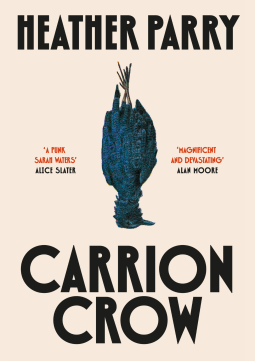
Carrion Crow by Heather Parry

Freedom always comes at a price, that much she had learned, and a confinement was a small sacrifice for the reward of being able to set the rest of her life exactly as she wanted it.

I’ve never read anything quite like this book and am not sure I’ll be able to describe it adequately, but I’ll do my best! It’s not Heather Parry’s first novel – she has written a previous one, Orpheus Builds a Girl – but it’s the first I’ve read and I didn’t really know what to expect.

Marguerite Périgord, who lives in London with her mother, Cécile, has just become engaged to George Lewis, a man thirty-five years her senior. Although he’s a respectable solicitor and Marguerite is sure he’ll make her happy, Cécile disapproves of the engagement because Mr Lewis comes from a humble background and doesn’t have a lot of money. Telling her that if she really must go ahead with the marriage, she first needs an education on how to be a good wife, Cécile locks Marguerite in a tiny attic room with a sewing machine and a copy of Mrs Beeton’s Book of Household Management. Although it seems obvious to the reader that Cécile’s true intentions are simply to keep her daughter hidden away to prevent the marriage, Marguerite is sure she’ll be released as soon as she has made enough progress.

The rest of the novel follows Marguerite through the period of her confinement in the attic, while also giving us some glimpses into Cécile’s own history and her relationship with the man who was Marguerite’s father. The Cécile sections of the book do help to explain how she became the woman she is and why she so desperately wants to stop her daughter from making the same mistakes she did – but at the same time, her treatment of Marguerite is inhumane and cruel. Even more chilling is the way Marguerite just seems to accept that she has been sent into the attic for her own good and makes no attempt to escape. She tells herself that it will all be worth it in the end when she completes her ‘training’ and can become the perfect wife to Mr Lewis.

If Marguerite already seems mentally unstable when she enters the attic, she becomes even more so as her confinement continues. With little to occupy her mind and only a crow nesting in the roof above for company, she becomes obsessed with her own body and the changes she sees in it as she remains shut away from the fresh air outside and the meals delivered to the attic become smaller and more sporadic. The book gradually becomes stiflingly claustrophobic, as well as increasingly disturbing and uncomfortable to read. It reminded me at times of Charlotte Perkins Gilman’s The Yellow Wallpaper or Virginia Andrews’ Flowers in the Attic, although more gruesome than either. As Marguerite is an unreliable narrator and it’s sometimes difficult to know what’s real and what’s imaginary, the ending of the book both confused and surprised me, and I was left with the overall impression that I’d read something very powerful.

This is not a book that I could really say I ‘enjoyed’, but I do recommend it as long as you’re prepared for something very, very dark and unsettling!

Thanks to Doubleday for providing a copy of this book for review via NetGalley.

The Walter Scott Prize Shortlist 2025

The shortlist for the 2025 Walter Scott Prize for Historical Fiction has been announced today! Thanks to this prize, I have discovered lots of great books and authors over the last few years and always look out for the longlists and shortlists; in fact, trying to read all of the shortlisted titles since the prize began in 2010 is a personal project of mine (you can see my progress here).

There are six books on today’s shortlist, chosen from the longlist of twelve revealed back in February. Here are the six (blurbs all taken from Amazon):

The 2025 Walter Scott Prize Shortlist

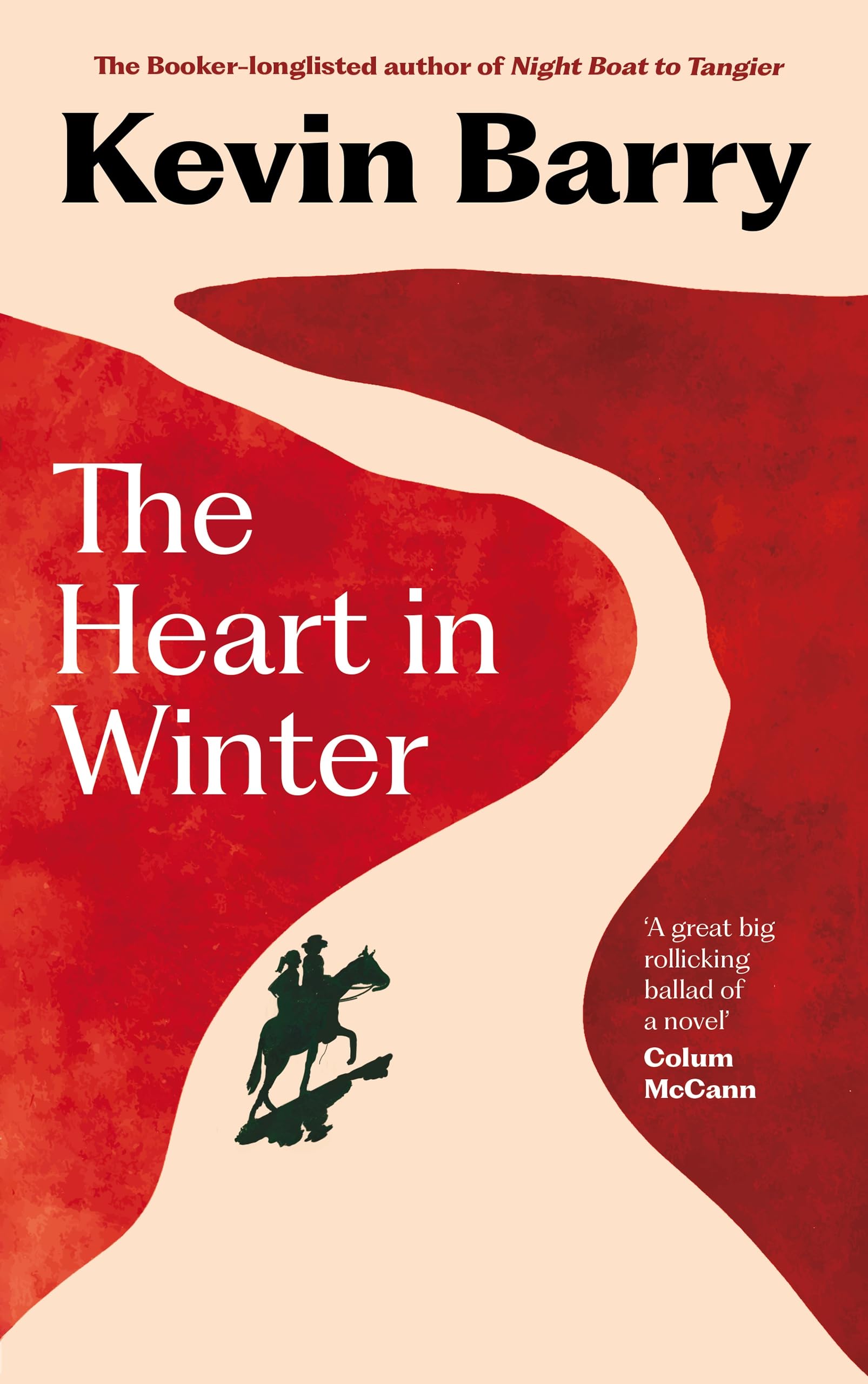
The Heart in Winter by Kevin Barry (Canongate)

October, 1891. Butte, Montana. A hard winter approaches across the Rocky Mountains. The city is rich on copper mines and rampant with vice and debauchery among a hard-living crowd of immigrant Irish workers.

Here we find Tom Rourke, a young poet and balladmaker, but also a doper, a drinker and a fearsome degenerate. Just as he feels his life is heading nowhere fast, Polly Gillespie arrives in town as the new bride of the devout mine captain Long Anthony Harrington.

A thunderbolt love affair takes spark between Tom and Polly and they strike out west on a stolen horse, moving through the badlands of Montana and Idaho. Briefly an idyll of wild romance perfects itself. But a posse of deranged Cornish gunsmen are soon in hot pursuit of the lovers, and closing in fast . . .
The Mare by Angharad Hampshire (Northodox Press)

Hermine Braunsteiner was the first person to be extradited from the United States for Nazi war crimes. Hermine was one of a few thousand women to work as a female concentration camp guard. Prisoners nicknamed her ‘the Mare’ because she kicked people to death. When the camps were liberated, Hermine escaped and fled back to Vienna.

Many years later, she met Russell Ryan, an American man holidaying in Austria. They fell in love, married and moved to New York, where she lived a quiet life as an adoring suburban housewife, beloved friend and neighbour. No one, not even her husband, knew the truth of her past, until one day a New York Times journalist knocked on their door, blowing their lives apart.

The Mare tells Hermine and Russell’s story for the first time in fiction. It explores how an ordinary woman could descend so quickly into evil, examining the role played by government propaganda, ideology, fear and cognitive dissonance, and asks why her husband chose to stay with her despite discovering what she had done.
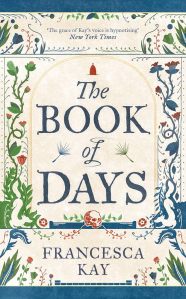
The Book of Days by Francesca Kay (Swift Press)

ANNO DOMINI 1546.

In a manor house in England a young woman feels the walls are closing around her, while her dying husband is obsessed by his vision of a chapel where prayers will be said for his immortal soul.

As the days go by and the chapel takes shape, the outside world starts to intrude. But as the old ways are replaced by the new, the people of the village sense a dangerous freedom.

The Book of Days is a beautifully written novel of lives lived in troubled times and the solace to be found in nature and the turning seasons.
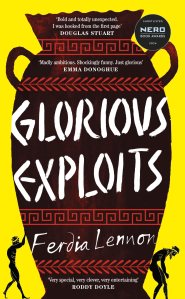
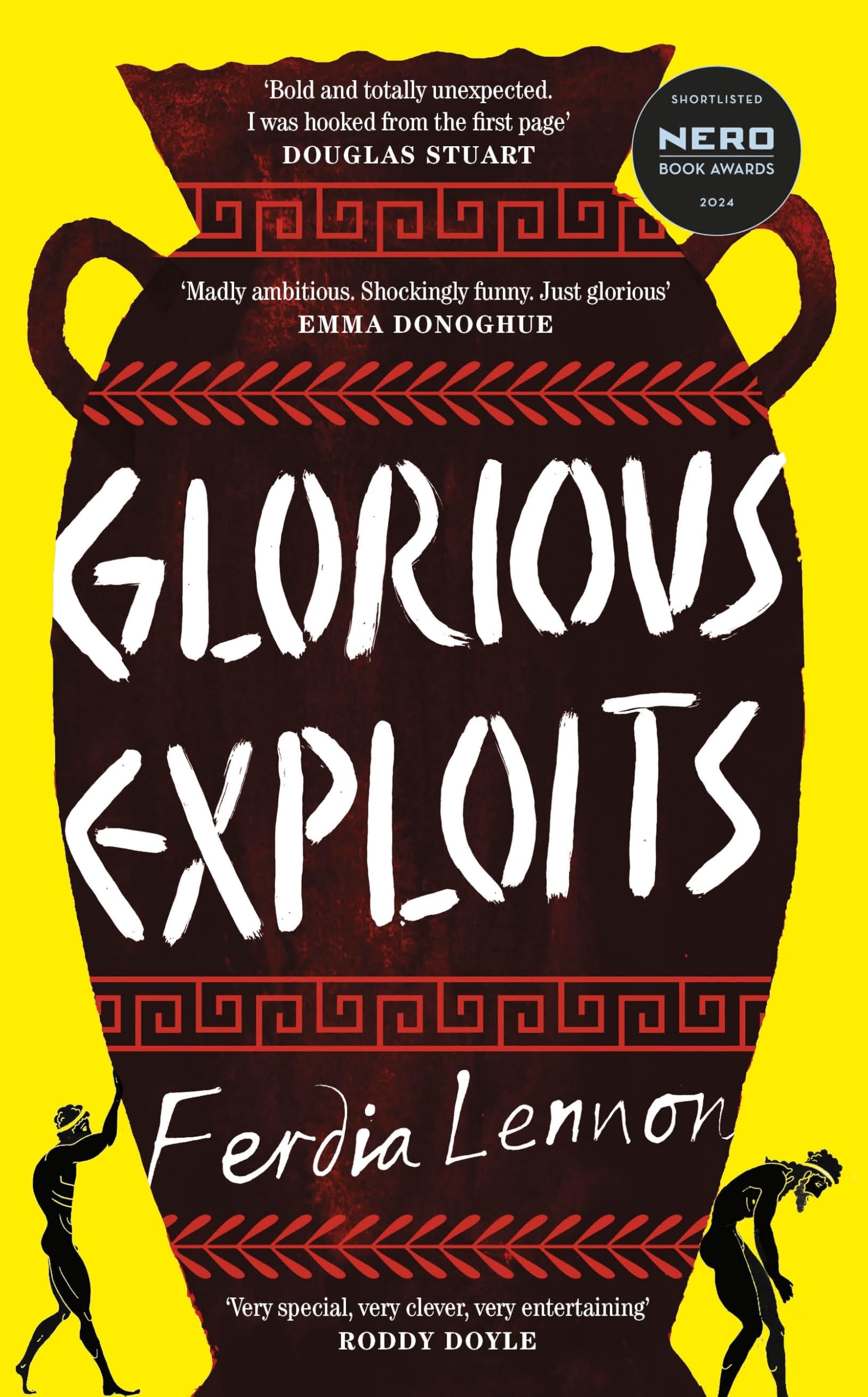
Glorious Exploits by Ferdia Lennon (Fig Tree)

Ancient Sicily. Enter GELON: visionary, dreamer, theatre lover. Enter LAMPO: feckless, jobless, in need of a distraction.

Imprisoned in the quarries of Syracuse, thousands of defeated Athenians hang on by the thinnest of threads.

They’re fading in the baking heat, but not everything is lost: they can still recite lines from Greek tragedy when tempted by Lampo and Gelon with goatskins of wine and scraps of food.

And so an idea is born. Because, after all, you can hate the invaders but still love their poetry. It’s audacious. It might even be dangerous. But like all the best things in life – love, friendship, art itself – it will reveal the very worst, and the very best, of what humans are capable of.

What could possibly go wrong?
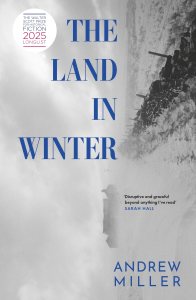
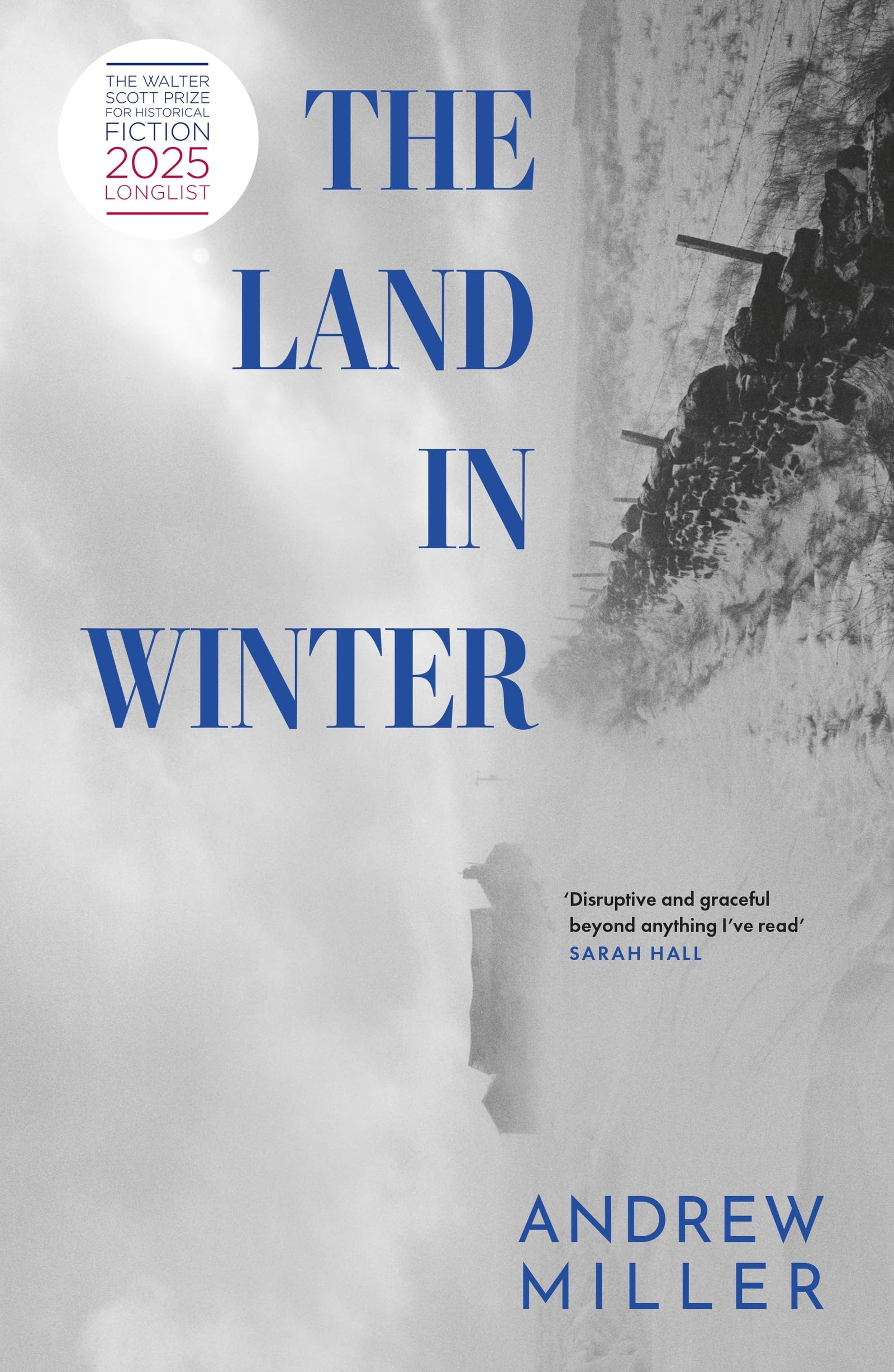
The Land in Winter by Andrew Miller (Sceptre)

December 1962, the West Country.

In the darkness of an old asylum, a young man unscrews the lid from a bottle of sleeping pills. In the nearby village, two couples begin their day. Local doctor, Eric Parry, mulling secrets, sets out on his rounds, while his pregnant wife sleeps on in the warmth of their cottage.

Across the field, in a farmhouse impossible to heat, funny, troubled Rita Simmons is also asleep, her head full of images of a past life her husband prefers to ignore. He’s been up for hours, tending to the needs of the small dairy farm he bought, a place where he hoped to create a new version of himself, a project that’s already faltering.

There is affection – if not always love – in both homes: these are marriages that still hold some promise. But when the ordinary cold of an English December gives way to violent blizzards – a true winter, the harshest in living memory – the two couples find their lives beginning to unravel.

Where do you hide when you can’t leave home? And where, in a frozen world, can you run to?

The Safekeep by Yael van der Wouden (Viking)

It is fifteen years after the Second World War, and Isabel has built herself a solitary life of discipline and strict routine in her late mother’s country home, with not a fork or a word out of place. But all is upended when her brother Louis delivers his graceless new girlfriend, Eva, at Isabel’s doorstep – as a guest, there to stay for the season…

In the sweltering heat of summer, Isabel’s desperate need for control reaches boiling point. What happens between the two women leads to a revelation which threatens to unravel all she has ever known.

~

I’ve only read one of these – The Heart in Winter – and although I didn’t like it much, I’m not at all surprised to see it on the shortlist and won’t be surprised if it’s the overall winner. I’m sorry that the other two books I had read from the longlist, Clear by Carys Davies and Mother Naked by Glen James Brown, didn’t make the shortlist as I enjoyed both of them much more! Glorious Exploits and The Safekeep are already on my TBR. I’m not sure I like the sound of The Mare, but am interested in reading The Land in Winter and The Book of Days.

What do you think? Have you read any of these or would you like to read them?

The winner will be announced at the Borders Book Festival in Melrose in June.