For Week 4 of Nonfiction November, we are asked to consider the following questions:
(Nov. 19 to 23) – Reads Like Fiction (hosted by Rennie at What’s Nonfiction?): Nonfiction books often get praised for how they stack up to fiction. Does it matter to you whether nonfiction reads like a novel? If it does, what gives it that fiction-like feeling? Does it depend on the topic, the writing, the use of certain literary elements and techniques? What are your favorite nonfiction recommendations that read like fiction? And if your nonfiction picks could never be mistaken for novels, what do you love about the differences?
I don’t really expect nonfiction to feel like fiction, so I tend to approach it in a different frame of mind and hoping to gain different things from it. The type of nonfiction I read most often is history and I think there does need to be a distinction between historical nonfiction and historical fiction.
When I read historical fiction I want the author to create a realistic and convincing historical setting which has been thoroughly researched and to stick to the facts as far as possible regarding things such as dates, outcomes of battles, major events, the clothes people would have worn and the food they would have eaten. However, I also want to be entertained by a good story which will take me through a range of emotions and I want the author to bring the characters to life, showing me how they thought, how they felt and what they said. When writing fiction, the author can obviously use their imagination to do these things, but with nonfiction it’s more difficult and sometimes impossible.
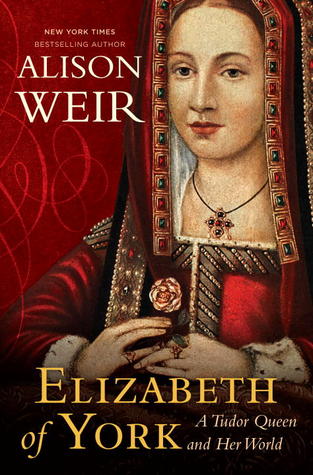
In Alison Weir’s biography of Elizabeth of York, for example, because there is a limit to what we can know about Elizabeth from a distance of five hundred years, there are lots of occasions where she speculates on what Elizabeth might have done or thought and uses the words ‘probably’ and ‘maybe’. This is obviously much more of a problem with nonfiction than with fiction, and although I did enjoy that book overall, I would have preferred to stick to the known facts.

Going back to the questions posed at the beginning of this post, I think there are definitely certain literary elements and techniques that can be used to give a book a more fiction-like feeling. The Plantagenets by Dan Jones is a good example: I mentioned in my review that “instead of just telling us that Henry I’s son died in a shipwreck, he describes the sails of the ship billowing in the wind, the shouts of the crew and the freezing water pouring into the ship.” This sort of detail can add life and colour and make a nonfiction book feel more like a novel.
I think it does depend on the type of nonfiction, though. Autobiographies and memoirs can often feel much more fictional than an impersonal biography of a historical figure; the author is writing about his or her own life, so they can draw on firsthand experience, they can talk about their thoughts, words and actions, and they probably don’t need to resort to imagination or speculation to fill in gaps.

One book that I think gets the fiction/nonfiction balance right and that has an element of autobiography is Wild Swans by Jung Chang. I described it in my review as “the most riveting non-fiction book I’ve ever read – I kept thinking ‘I’ll just read a few more pages’ then an hour later I was still sitting there unable to put the book down.” Because Jung Chang is writing about her own family history – her grandmother, her mother and herself – Wild Swans has a personal feel which gives it the sort of power and emotion I love in fiction. Knowing that it is a true story makes it an even more moving and compelling read.
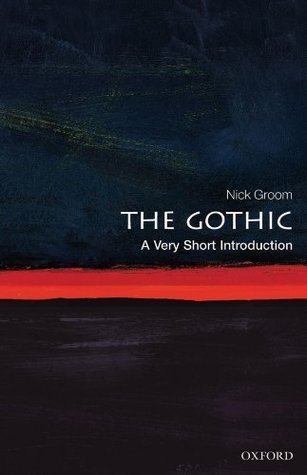
At the other end of the scale are books that could never be mistaken for fiction and aren’t intended to be, such as reference books and books of facts and figures. Books like The Gothic: A Very Short Introduction and The Renaissance: The Best One-Hour History feel nothing like novels and I wouldn’t expect or want them to!
~
What are your opinions on this? Does it matter to you whether nonfiction reads like a novel?




 She Reads Novels