Historical Musings #40: Reading Dorothy Dunnett

Welcome to my monthly post on all things historical fiction. After doing something slightly different in June with an attempt at completing the I-Spy book cover challenge, I’m returning to my guides to individual authors and their work. Previously I have written about Elizabeth Chadwick, Anya Seton and Edward Rutherfurd; this month it’s the turn of one of my absolute favourite authors of historical fiction – Dorothy Dunnett. If you have been following my blog for a while, you will probably have noticed that I never miss an opportunity to mention Dunnett’s novels and how wonderful they are, so you won’t be surprised to hear that she is the author I have been most looking forward to featuring here.

Dorothy Dunnett was born in Dunfermline, Scotland, in 1923 and died in 2001. You can find out more about her life and work at the Dorothy Dunnett Society website.

I read my first Dunnett novel in February 2012 and just over a year later I had read all fifteen of her historical novels – the six books that form her Lymond Chronicles, the eight in her other series, The House of Niccolò, and her standalone novel, King Hereafter. She also wrote a series of contemporary mystery novels, but I am still working through those, and for the purposes of this post I will concentrate on her historical fiction only.

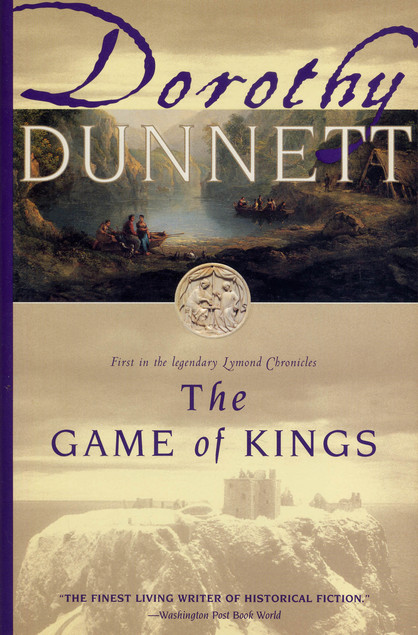
If you’ve never read Dunnett before you will be wondering where you need to begin. My recommendation would be to start in the same place that I started – with The Game of Kings, the first book in the Lymond Chronicles. I have seen some people suggest that Niccolò Rising is more accessible and easier to read, and perhaps it is, but I personally didn’t find it quite the stunning, unforgettable read that The Game of Kings was.

The Lymond Chronicles

This series of six novels, published between 1961 and 1975, follow the adventures of Scottish nobleman Francis Crawford of Lymond in 16th century Europe and beyond. Here are my reviews of the books:
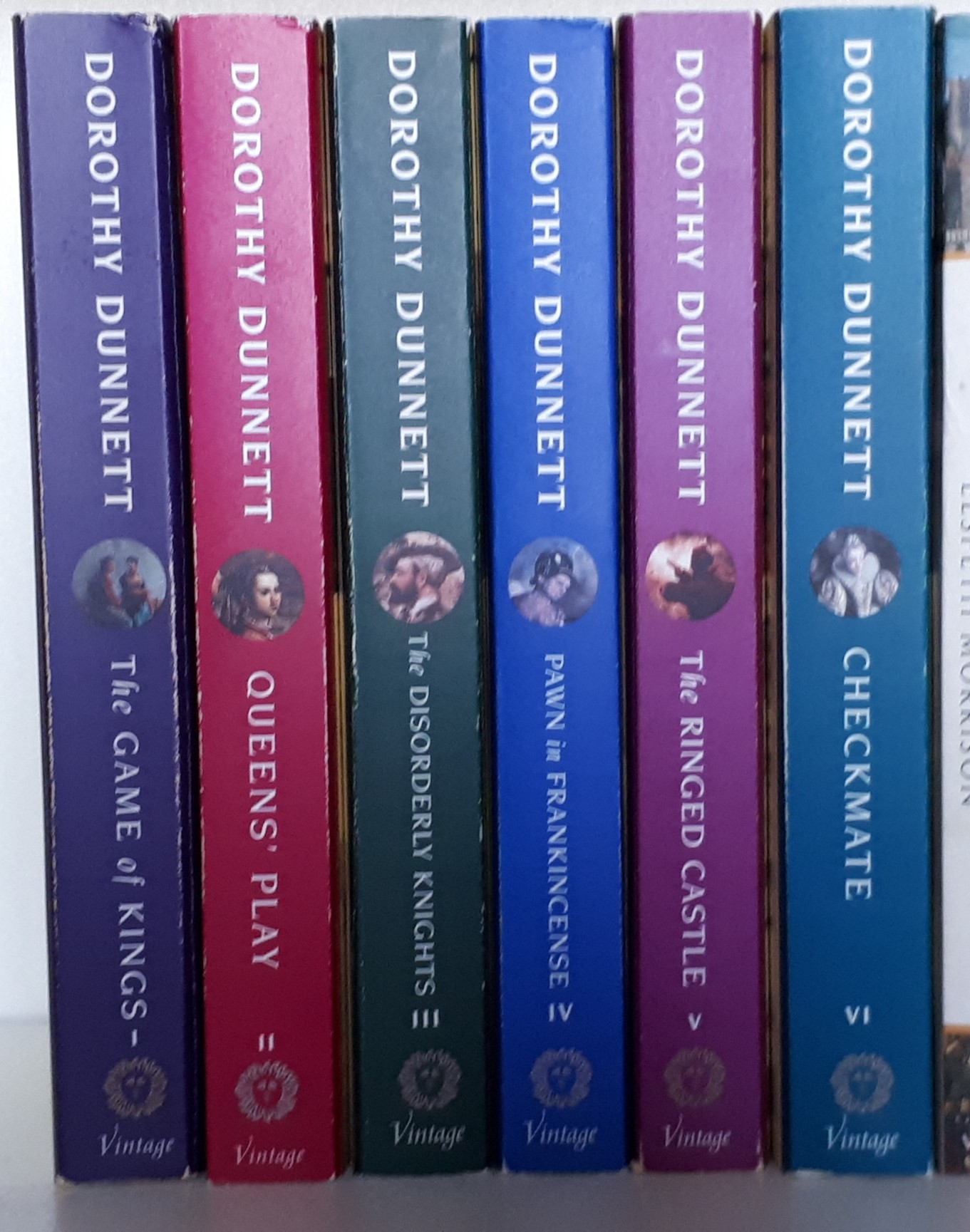
The Game of Kings
Queens’ Play
The Disorderly Knights
Pawn in Frankincense
The Ringed Castle
Checkmate

I think my comments on finishing the series back in April 2012 say everything that needs to be said:

“For anyone who has yet to read these books, I can promise you that although they’re not the easiest of reads, it’s definitely worth making the effort and getting to know Francis Crawford of Lymond, one of the most complex, charismatic, fascinating characters you’re ever likely to meet in literature. Working through the six books of the Lymond Chronicles has been one has been one of the greatest experiences in my lifetime of reading.”

The House of Niccolò

Dunnett’s second series, published from 1986 to 2000, is longer and, if such a thing is possible, even more complex and intricately plotted. It follows the rise in fortunes of Nicholas de Fleury, whom we first meet as a dyer’s apprentice in 15th century Bruges.

This is what I had to say after finishing the last book in 2013. As you can see, I did love this series too, but not quite as much:

“I’ve really enjoyed working my way through this series, but the House of Niccolò hasn’t had quite the same effect on me as the Lymond Chronicles, mainly because Nicholas himself, to me, is a less appealing character than Lymond – though I know others will disagree…Still, I did love the series as a whole and am looking forward to reading all the books again and looking out for some of the things I know I missed during the first read.”

The eight books, again with links to my reviews, are:

Niccolò Rising
The Spring of the Ram
Race of Scorpions
Scales of Gold
The Unicorn Hunt
To Lie With Lions
Caprice and Rondo
Gemini

Dunnett’s own advice was apparently to read The Lymond Chronicles first then The House of Niccolò, then Lymond again in order to pick up on the links between the two series (and they are linked in some very clever ways, although I won’t say any more about that here). I can almost guarantee you will want to read Dunnett’s books more than once anyway. There are so many layers that it’s impossible to fully understand everything the first time and re-reading will allow you to pick up on some of the things you missed.

The Dorothy Dunnett Companion and The Dorothy Dunnett Companion II

The amount of time and effort you want to put into reading these books depends on how much you’re hoping to get out of them. If, like me, you find that you want to shed more light on the literary allusions, fragments of poetry and appearances by real historical figures, both famous and obscure, help is at hand – the two-volume Dorothy Dunnett Companion provides translations, explanations, maps and sources.

King Hereafter

Dunnett’s only standalone historical novel is based around the idea that Macbeth, the 11th century King of Alba (Scotland), and Thorfinn, Earl of Orkney, were one and the same. King Hereafter is the result of a huge amount of research and as with all of Dunnett’s novels the writing is excellent. I can’t recommend this book highly enough!

My review of King Hereafter from 2013.

~

I have attempted to give a good overview of Dunnett’s work here, without going into too much detail. I hope I’ve succeeded! Next month I will be choosing another historical fiction author to feature, but for now I look forward to hearing your thoughts on Dorothy Dunnett…

Have you read any of her novels? If not, would you like to? And if you have, how did you discover them? Which of her books are your favourites? What can you say to encourage new readers to try Dunnett for the first time?
The Last Pier by Roma Tearne

This is the second novel I have read by Roma Tearne and very different from the first I read, The Swimmer, which was the story of a woman’s relationship with a Tamil refugee from Sri Lanka. I had the impression that all of her books covered similar themes of immigration, asylum and conflict in Sri Lanka, so I was surprised when I picked up The Last Pier, one of her more recent novels from 2015, and found that it was set on a fruit farm in rural England just before the start of World War II.

It’s the summer of 1939 and Cecily Maudsley is thirteen years old – that difficult age, no longer a young child but not an adult yet either. Cecily watches enviously as Rose, her beautiful sixteen-year-old sister, becomes the centre of attention that summer and catches the eye of every man in Suffolk, it seems. But Rose’s life is not as perfect as it appears; we learn in the very first chapter that a tragedy is going to take place – and that Cecily will be blamed for it.

The Last Pier is a novel in which secrets, revelations and surprises play an important part, so I will have to be careful not to say too much. Some of the secrets take a long time to be revealed; in fact, Cecily herself only uncovers the whole truth twenty-nine years later when she returns to England after a long absence. Part of the novel is written from the perspective of the young Cecily, giving an account of the events of 1939 as they happen, and part from the perspective of the older Cecily, remembering moments from the past. The way Roma Tearne handles the passing of time is very effective, moving between past and present to unveil the clues that we must put together before the full picture can be seen – but it also means the story feels very fragmented, which can be confusing at times.

There’s plenty of suspense as we wait to find out exactly what happens to Rose and who is responsible for it, and there is a feeling of danger and foreboding which hangs over the whole novel. At the same time, the outbreak of war is approaching, bringing with it the sense that very soon the lives of all of the Maudsleys will be changed forever. The novel covers an aspect of the Second World War which I haven’t read about very often – the fate of Italian people who were living in Britain at the beginning of the war – and this is explored through the story of the Molinello family who had arrived in Suffolk from Tuscany more than a decade earlier and opened an ice cream parlour not far from the Maudsleys’ farm. The two families have become very close over the years and, when Italy’s role in the war causes the Molinellos to be regarded with suspicion, the Maudsleys find that their fortunes have become entwined with their Italian friends’.

Cecily is particularly interested in what happens to the Molinello family because she is in love with Carlo, one of the Molinello sons. However, it seems to her that Carlo, like everyone else, only has eyes for Rose. As Cecily’s jealousy increases, she begins to watch Rose’s movements, following her when she can and eavesdropping on conversations. She also becomes curious about Robert Wilson, a stranger who claims to have been sent to Suffolk on government business, to carry out a survey of the farmland in preparation for the war. By watching and listening, Cecily picks up lots of little pieces of information about Rose, about Mr Wilson and about everyone else on the farm, but she lacks the maturity and experience to be able to understand the implications of what she has discovered.

Roma Tearne writes so well from the point of view of a teenage girl. I could really feel Cecily’s confusion as she tries to make sense of the things she has learned, her frustration at not quite being able to grasp what is going on, and her envy towards her sister, who appears to have everything Cecily wants and doesn’t have. I loved this beautifully written novel and I’m pleased that I’ve been reminded of Roma Tearne’s books, seven years after reading The Swimmer. I’m looking forward to reading some of her others.

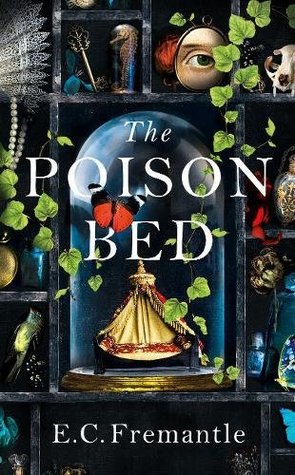
The Poison Bed by E. C. Fremantle

The Poison Bed is a slight change of direction for Elizabeth Fremantle. She has previously written four conventional historical fiction novels set in the Tudor and Elizabethan periods, telling the stories of Katherine Parr (Queen’s Gambit), Katherine and Mary Grey (Sisters of Treason), Penelope Devereux (Watch the Lady) and Arbella Stuart and Aemilia Lanyer (The Girl in the Glass Tower). This, her latest novel, also features the story of a strong and fascinating woman, but includes additional elements of mystery and suspense which give the book the feel of a psychological thriller at times. It’s not entirely different from her other books, but different enough that she obviously felt a slight change in name was appropriate.

The novel opens in 1615 with Frances Howard and her husband Robert Carr imprisoned in the Tower of London, accused of the murder of Thomas Overbury. Overbury had been a friend of Robert’s, but was opposed to his marriage to Frances – is this why he had to die, or could there be another reason? There is certainly plenty of evidence to link both Frances and Robert with his poisoning, but in order to discover the truth, we must go back to the beginning of their relationship and follow the chain of events that led to Overbury’s death.

Robert and Frances take turns to tell their side of the story in alternating chapters headed ‘Him’ and ‘Her’. Robert’s is written as a straightforward first person narrative, while Frances relates her story to a young wet nurse who is sharing her room in the Tower to help take care of her newborn baby. In this way we get to know both main characters, as well as their friends, family members and rivals – but it’s important to remember that at the court of King James I, nobody is ever exactly as they seem.

As one of the ambitious and powerful Howard family, Frances could be seen as a pawn, pushed into making one advantageous marriage after another – first to Robert Devereux, Earl of Essex, and then to Robert Carr. Yet Frances is an intelligent young woman with a mind of her own; she is prepared to do what is necessary to take control of her destiny…but would this include murder?

Robert Carr is the king’s favourite – some would say the king’s lover – and this has enabled him to rise to a much higher position at court than he could otherwise have hoped to achieve. Robert (at least as he is depicted by Fremantle) does not really have the strength of character to take advantage of this, but others, such as Frances’s scheming great-uncle, see getting close to Robert as a way of wielding influence over the king. Robert denies any involvement in Thomas Overbury’s murder, but is he telling the truth?

While Robert and Frances, as our narrators and protagonists, are always at the heart of the novel, there are other interesting characters to get to know too. I particularly liked the portrayal of James I and his relationship with Robert, but I also enjoyed the elements of black magic in the story and the roles played by the astrologer Simon Forman and the physician’s widow Anne Turner. There’s a lot going on in this novel, which makes it quite a gripping read. I found the first half more enjoyable than the second, which is when the thriller aspect becomes more dominant, but that’s just my personal preference.

The Poison Bed, in case you’re wondering, is based on a true story – you can find plenty of information on the Overbury Scandal online – but the interpretation of the characters and their motives is Fremantle’s own. If all of this is new to you, I would recommend not looking up any of the facts until after you’ve finished the novel as it’s a story packed with twists, turns and surprises. I have read about the same events before, in Marjorie Bowen’s The King’s Favourite from 1938, but this is a very different book, with a fresh and different approach. I love the cover too!

It seems that the author is currently writing another historical crime novel under the E.C. Fremantle name called The Honey and the Sting. I’m curious to see what it is about.

This is book 3/20 of my 20 Books of Summer.

Top Ten Tuesday: Best Books I’ve Read In 2018 (So Far)

We’re into the second half of the year now, but this week’s Top Ten Tuesday – hosted by That Artsy Reader Girl – asks us to look back on the first six months of 2018 and list our favourite books of the year so far.

I found it easy enough to pick out ten books from my 2018 reading, although there were a few others I would have included if I hadn’t been limited to ten. Maybe some of them will appear on my final end-of-year list in December, when I don’t have to restrict myself to a certain number! For now, here is my list of ten, not in any particular order:

~

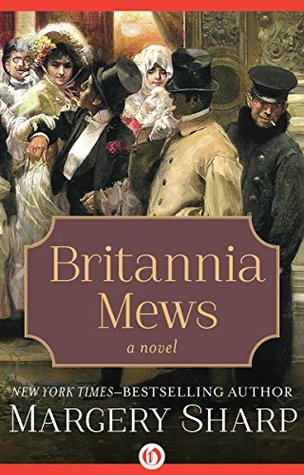
1. Britannia Mews by Margery Sharp

~

2. The Crowded Street by Winifred Holtby

~

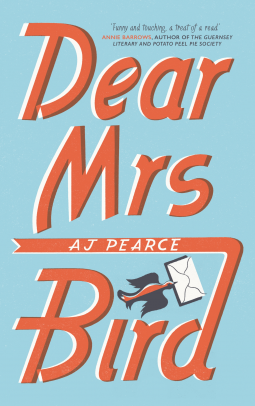
3. Dear Mrs Bird by AJ Pearce

~

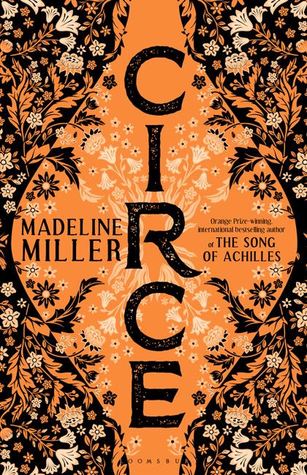
4. Circe by Madeline Miller

~

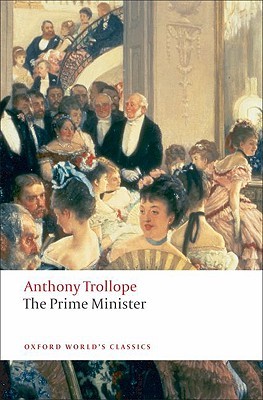
5. The Prime Minister by Anthony Trollope

~

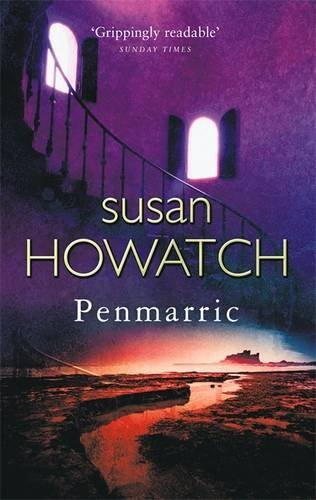
6. Penmarric by Susan Howatch (reread)

~

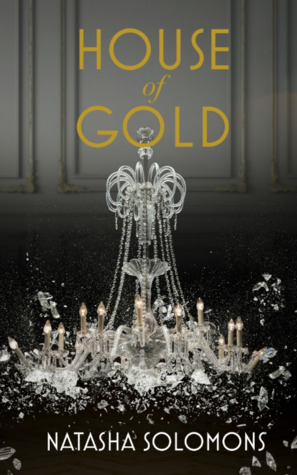
7. House of Gold by Natasha Solomons

~

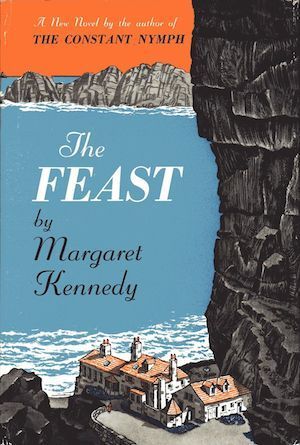
8. The Feast by Margaret Kennedy

~

9. The Winds of Heaven by Monica Dickens

~

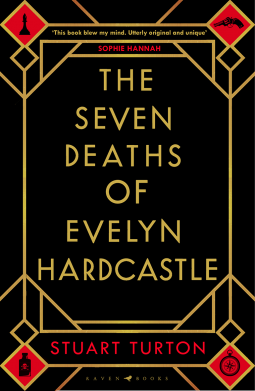
10. The Seven Deaths of Evelyn Hardcastle by Stuart Turton

~

Have you read any of these? What are the best books you’ve read in the first six months of the year?

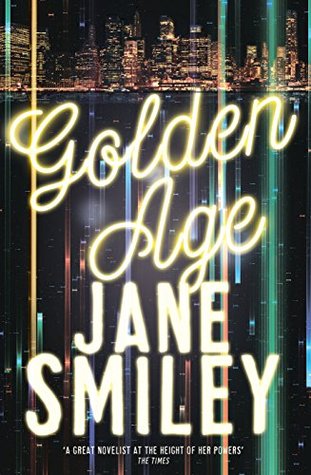
Golden Age by Jane Smiley

This is the final book in Jane Smiley’s Last Hundred Years trilogy which follows the lives of one American family, the Langdons, throughout the twentieth century and beyond. Although I did enjoy the trilogy as a whole, I’m also very pleased to have reached the end of it – the three books are so long there were times when I felt I’d been reading them for a hundred years!

Golden Age is written in the same format as the first two volumes, with one chapter devoted to each year. Beginning in 1987 this time, we are taken right through to 2019. As the book was published in 2015, this means that the final few chapters are set in Jane Smiley’s future – not far enough into the future to feel like science fiction, but things definitely become slightly dystopian as the rate of climate change rapidly increases to an alarming level, creating dry, dusty landscapes and water shortages. She doesn’t correctly predict Donald Trump’s presidency, but then, I don’t think there are many people who would have seen that coming.

I started reading Golden Age shortly after finishing the previous novel, Early Warning, which was a good idea as the Langdon family tree is now enormous with four or five generations all living at the same time. Some of the characters have been with us from the beginning – Henry, Claire and Andy are still around and I enjoyed catching up with them again – but I found it difficult to keep track of the younger characters (even with the family tree to refer to) and even more difficult to form any kind of connection with them. There were just too many new people to get to know and not enough time devoted to any of them.

For the same reason, it would be impossible for me to mention everything that happens in the book here, but a few storylines that stood out were: the continuing rivalry between twins Richie and Michael as one becomes a politician and the other begins to speculate on Wall Street; Joe’s son, Guthrie, leaving the Langdon farm in Iowa to go and fight in Iraq; Andy’s amazing strength in the face of betrayal and her willingness to embrace new technology in her old age; and Henry, who thought he was destined to grow old alone, finding late in life that he is wanted and needed after all.

I don’t regret reading the whole of this trilogy as I did enjoy getting to know at least some of the family members and learning some American history along the way (even if a lot of the politics in this one did go over my head), but I also thought the three books became progressively less engaging and less enjoyable as the geographical scope grew wider and the distance between reader and characters increased. If you think you might be interested, I would strongly recommend starting at the beginning with Some Luck and deciding whether you like it enough to want to continue.

Six Degrees of Separation: From Tales of the City to Wolf Hall

It’s the first Saturday of the month which means it’s time for another Six Degrees of Separation, hosted by Kate of Books are my Favourite and Best. The idea is that Kate chooses a book to use as a starting point and then we have to link it to six other books of our choice to form a chain. A book doesn’t have to be connected to all of the others on the list – only to the one next to it in the chain.

The starting point this month is Tales of the City by Armistead Maupin. I haven’t read it, but it seems that it is set in San Francisco.

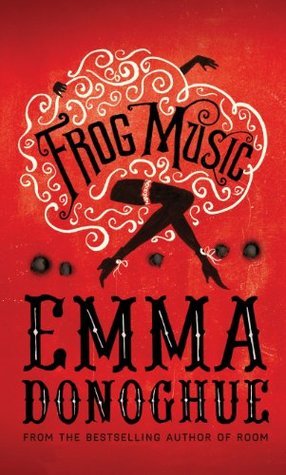
Sometimes when I’m not familiar with the first book, I find it very difficult to get started with the chain, but this time I could think of several different directions to take. I eventually decided to go with books set in San Francisco; I can think of a few options, but the one I’ve chosen is Frog Music by Emma Donoghue. I remember really enjoying this novel, based on a true crime which happened in the 1870s.

The story takes place during a heatwave. We are in the middle of one now here in the UK. It’s been too hot for me, actually, but it is nice to be able to sit outside and read for a while when I get home from work. Thinking of other books that are set during long, hot summers, the first that comes to mind is Case Histories by Kate Atkinson, one of her Jackson Brodie mysteries in which a child goes missing while sleeping in a tent in the garden.

I’ve enjoyed everything I’ve read by Kate Atkinson so far. The first book I read by her was Life After Life, in which Ursula Todd begins her life over and over again. The name Ursula makes me think of one of my recent reads, The Illumination of Ursula Flight by Anna-Marie Crowhurst, the story of a young woman in Restoration England – and that is the next book in my chain.

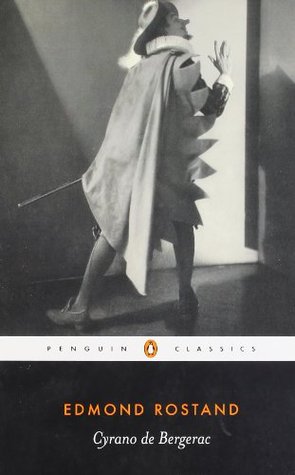
The Illumination of Ursula Flight has an unusual structure, with part of the story being told in the form of scripts from plays. I don’t read plays very often, but one that I did enjoy was French poet and playwright Edmond Rostand’s Cyrano de Bergerac. At one point during the first act, Cyrano fights a duel while composing a ballad at the same time.

I love a good fictional swordfight! Thinking of others that I’ve read, one of the most memorable is the one that takes place towards the end of The Game of Kings by Dorothy Dunnett. Unfortunately I can’t say any more about that wonderful scene, as to tell you who it involves or how it came about would most certainly mean spoiling the story!

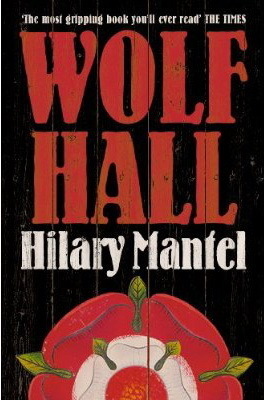
The Game of Kings appeared on my list of favourite books read in 2012. Looking back at my 2012 list, it seems that I read some great books that year – and, in particular, some great historical fiction novels. One of these was Wolf Hall by Hilary Mantel, the first of her excellent novels on the life of Thomas Cromwell, and this brings my chain for this month to an end.

Have you read any of the books in my chain? Did you take part yourself this month?

In August, we are going to begin with Atonement by Ian McEwan.

Six in Six: The 2018 Edition

We’re halfway through the year and the Six in Six meme, hosted by Jo of The Book Jotter, is back! I think this is the perfect way to reflect on our reading over the first six months of the year. The idea of Six in Six is to choose six categories (Jo has provided a list to choose from or you can come up with new topics of your own if you prefer) and then try to fit six of the books or authors you’ve read this year into each category. It’s not as easy as it sounds, but it’s fun to do.

As I have read more than thirty-six books this year, I have managed to avoid any overlap between categories. However, there are some books which I could have placed in more than one category. I had to do some rearranging, but this is what I’ve come up with:

***

Six books set in countries other than my own:

Oman – The English Girl by Katherine Webb
Algeria and Iceland – The Sealwoman’s Gift by Sally Magnusson
Grenada and Martinique – Sugar Money by Jane Harris
Sri Lanka – The Sapphire Widow by Dinah Jefferies
Spain – Court of Lions by Jane Johnson
Thailand and Australia – The Pearl Sister by Lucinda Riley

***

Six books with a touch of mystery or suspense:

Traitor by David Hingley
The Seven Deaths of Evelyn Hardcastle by Stuart Turton
Death in Cyprus by MM Kaye
There Came Both Mist and Snow by Michael Innes
The Coffin Path by Katherine Clements
The Fire Court by Andrew Taylor

***

Six authors read for Jane’s Birthday Book of Underappreciated Lady Authors:

Britannia Mews by Margery Sharp
The Brimming Cup by Dorothy Canfield Fisher
Someone at a Distance by Dorothy Whipple
The Feast by Margaret Kennedy
The Winds of Heaven by Monica Dickens
Diary of a Provincial Lady by EM Delafield

***

Six tales of war and conflict:

The Oaken Heart by Margery Allingham (World War II)
The Winter Prince by Cheryl Sawyer (English Civil War)
Marry in Haste by Jane Aiken Hodge (Peninsular War)
Dear Mrs Bird by AJ Pearce (World War II)
House of Gold by Natasha Solomons (World War I)
A Falling Star by Pamela Belle (Monmouth Rebellion)

***

Six series started, finished or continued:

The Pallisers (The Prime Minister by Anthony Trollope)
Last Hundred Years Trilogy (Early Warning by Jane Smiley)
Six Tudor Queens (Jane Seymour: The Haunted Queen by Alison Weir)
Nigel Strangeways mysteries (The Dreadful Hollow by Nicholas Blake)
Golden Apple Trilogy (For the Immortal by Emily Hauser)
Brother Cadfael (A Morbid Taste for Bones by Ellis Peters)

***

Six beautiful covers:

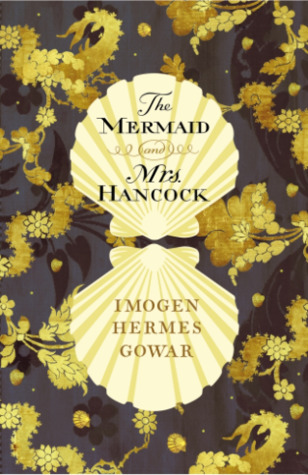
The Mermaid and Mrs Hancock by Imogen Hermes Gowar

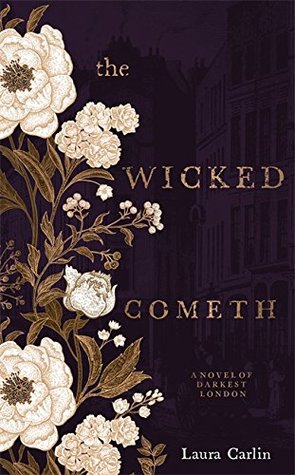
The Wicked Cometh by Laura Carlin

The Illumination of Ursula Flight by Anna-Marie Crowhurst

Circe by Madeline Miller

The Girl in the Tower by Katherine Arden

The Poison Bed by EC Fremantle

***

Have you taken part in Six in Six this year – or would you like to give it a try? See Jo’s post for more details on how to take part.