My favourite books of 2022

With only a few days of 2022 remaining, it’s time to look back on my favourite books of the year. Before I started to put this list together, I thought it would be a very short one; although I enjoyed my reading this year, I didn’t feel that I had read many books that really stood out as exceptionally good. However, I’ve ended up struggling to narrow the list down! It was obviously a much better year than I thought it was.

In no particular order, here are my books of 2022:
In a Lonely Place by Dorothy B. Hughes (1947)

This is the third year in a row Dorothy B. Hughes has won a place on my books of the year list! I loved this dark, atmospheric novel as much as I loved The Expendable Man in 2020 and Ride the Pink Horse in 2021.

From my review: “I had high hopes for this novel and it certainly didn’t disappoint! All three of the books I’ve read by Hughes have been so much more than just straightforward crime novels; she takes us right inside the minds of her characters and although they may be damaged, unhappy and not the most pleasant of people, she makes them feel believable and real, if not exactly sympathetic!”
The Romantic by William Boyd (2022)

This is the first book I’ve read by William Boyd and what a great one I picked to start with! It tells the story of Cashel Greville Ross, following him through his life from birth to death as he befriends the Romantic Poets in Italy, searches for the source of the Nile, joins the army in Sri Lanka and uncovers family secrets in Ireland.

From my review:The Romantic is a long novel, but I read most of it in one weekend because it was so gripping I couldn’t bear to put it down. Although the story never becomes bogged down with historical or geographical detail, it’s still completely immersive and I loved every minute I spent in Cashel’s world.”
That Bonesetter Woman by Frances Quinn (2022)

I loved this novel about a female bonesetter in the 18th century. Our heroine, Durie Proudfoot, is based on the real-life Sally Mapp and is a wonderful character. I never stopped hoping she would find happiness and a way to do the job she loved.

From my review: “This is a fascinating novel, particularly as it’s loosely based on the lives of real people…Poor Durie experiences one setback after another, but her passion for bonesetting and helping those in pain really shines through.”
The Dark by Sharon Bolton (2022)

I don’t read a lot of contemporary crime these days, but I always make an exception for Sharon Bolton. The Dark was the long-awaited fifth book in the Lacey Flint series and I loved it! I also enjoyed Bolton’s other novel published in 2022 – The Buried – but for the purposes of this list I decided to restrict myself to one book per author.

From my review: “She’s back! After an eight year absence – during which time Sharon Bolton has written several excellent standalone crime novels – Lacey Flint has returned in possibly her darkest and most dangerous case yet. It’s the fifth book in the series and after such a long wait, I’m pleased to report that I think it’s as good, maybe even better, than the previous four.”
A Pin to See the Peepshow by F. Tennyson Jesse (1934)

I had wanted to read this book for years and got round to it at last this summer! It’s based on the 1922 Thompson-Bywaters case and is a fascinating novel – not really the crime story I’d expected (not until near the end, anyway), but that didn’t matter at all.

From my review: “I loved this book, although I had expected the crime element to play a bigger part; the section of the novel based on the events of the Thompson-Bywaters case only takes up around 100 pages out of 464. The rest of the book is really a character study of Julia Almond and an exploration of the world in which she lives. Jesse spends a lot of time building this up, but I never felt that a word was wasted – every detail seemed necessary…”
The Wolf Den by Elodie Harper (2021)

Ancient Rome is not usually a favourite setting of mine, but I found this novel about a group of prostitutes working in a Pompeii brothel completely absorbing. I need to hurry up and read the second book before the last in the trilogy is published next year.

From my review: “I loved following Amara around the bustling, vibrant city, going into the shops, taverns and bathhouses, taking part in the Vinalia festivities and watching the gladiators in the amphitheatre…Elodie Harper doesn’t shy away from having bad things happen to her characters, but there’s some warmth and humour in the novel too.”
Booth by Karen Joy Fowler (2022)

I loved this fictional biography of the 19th century theatrical family the Booths, which focuses not just on John Wilkes Booth, but also on his parents, brothers and sisters.

From my review: “I enjoyed learning about a group of historical figures I’d previously known almost nothing about – I particularly liked the parts about the colourful theatrical careers of Edwin and Junius Brutus – and every time I picked the book up I looked forward to finding out what would happen to the family next.”
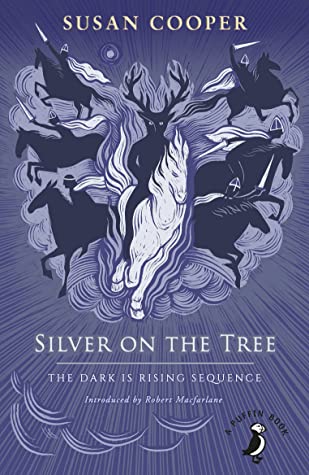
Silver on the Tree by Susan Cooper (1977)

I loved all five books in Susan Cooper’s The Dark is Rising sequence and read the final one, Silver on the Tree, early in 2022. I can’t decide which book in the series is my favourite, as they are all so good! This one blends Arthurian legend with Welsh folklore and even some time travel.

From my review: “Although I’m sorry to have come to the end of the series, I enjoyed every minute of it. This particular novel is the perfect finale, bringing together all the characters and storylines from the first four books as we head towards the great, decisive battle between the forces of the Dark and the Light.”
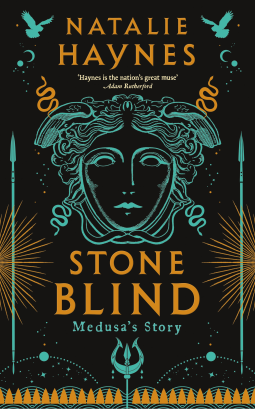
Stone Blind by Natalie Haynes (2022)

I’ve read a few retellings of Greek myths this year, but this is the one I enjoyed most. It’s the story of Medusa, which made a nice change from novels about the Trojan War!

From my review:Stone Blind is subtitled Medusa’s Story but is actually written from the perspectives of many different characters, all coming together to tell the tale of the Gorgon Medusa and Perseus’ quest to capture her head…I can’t really say anything negative about this book.”
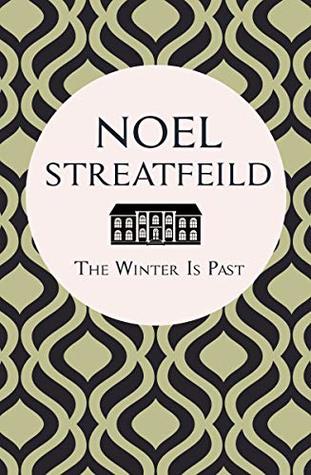
The Winter is Past by Noel Streatfeild (1940)

I read this adult novel by a favourite childhood author of mine in early December with snow falling outside – and I couldn’t have chosen a better time of year to read it!

From my review: “I loved this book; it’s very character-driven but with just enough plot to keep the story moving forward. I always find it fascinating to read books set during the war that were actually written before the war was over – it puts a very different perspective on things, when neither the characters nor the author have any idea how long it will last or how bad things are going to get.”
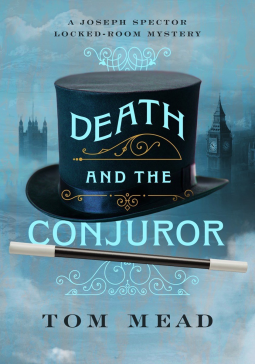
Death and the Conjuror by Tom Mead (2022)

I loved this detective novel set in the 1930s that felt as though it could really have been written in the 1930s! I’m looking forward to the second book in the series, coming next year.

From my review:Death and the Conjuror is a homage to the great locked room mysteries of the Golden Age and a clever and entertaining novel in its own right…As with any good mystery novel, there are plenty of suspects, an assortment of clues and lots of red herrings!”
The Twyford Code by Janice Hallett (2022)

A book written almost entirely in the form of transcripts of audio files recorded on an iPhone is the sort of book I would usually hate – but not this time! I enjoyed the story and loved the little puzzles, codes and word games incorporated into the plot.

From my review: “It’s always a nice feeling when you start to read a book and can tell after just a few pages that it’s going to be one of your books of the year…I loved this book and on reaching the end, I wanted to go back to the beginning and read it all again to look for all the clues I’d missed the first time.”
The Eagle of the Ninth by Rosemary Sutcliff (1954)

Having read several of Rosemary Sutcliff’s adult novels, I finally read the book for which she’s probably most famous. Although this is described as a children’s book, I think it’s one of those novels that can be enjoyed by anyone of any age. It’s also the second book set in the Roman period on my list.

From my review: “I wasn’t sure whether I would love this book the way everyone else seems to have done…Of course, I needn’t have worried; The Eagle of the Ninth is a beautifully written novel with wonderfully vivid and colourful descriptions, a gripping plot inspired by historical fact, a very likeable young hero and even a touch of romance – what’s not to love?”
Blue Water by Leonora Nattrass (2022)

I loved this sequel to last year’s Black Drop. It works as a standalone and is an excellent historical mystery which takes place during a long sea voyage. I often struggle to stay interested in books with a nautical setting, but had no problems with this one!

From my review: “Well, I enjoyed Black Drop but this second book is even better! With almost the entire story taking place at sea and therefore with a limited number of characters, the mystery has a ‘locked room’ feel and kept me guessing until the end.”
4.50 from Paddington by Agatha Christie (1957)

I took part in the Read Christie 2022 challenge this year and read seven Agatha Christie novels. I enjoyed all of them, but this Miss Marple mystery from 1957 was my favourite, I think. Honourable mentions to After the Funeral and The Man in the Brown Suit.

From my review: “I found this a particularly enjoyable Miss Marple novel – probably in my top two or three…We never find out exactly what leads Miss Marple to identify the correct suspect. However, I didn’t have a problem with this. The solution does make sense, even if we don’t know how she arrived at it, and the culprit was actually the person I suspected myself (again, not based on any real evidence – just a hunch!).”
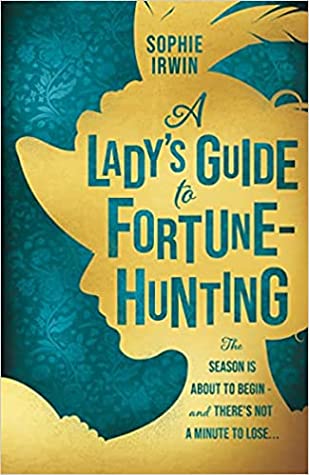
A Lady’s Guide to Fortune-Hunting by Sophie Irwin (2022)

I didn’t expect to enjoy this Regency romance so much; I thought it would be very light and frothy and derivative of other authors. But although it is obviously strongly influenced by Heyer and Austen, I found it witty, entertaining and different enough to be a great read in its own right. I’m looking forward to Sophie Irwin’s second Lady’s Guide coming next year.

From my review: “Although I could predict from early in the novel how it was going to end, that didn’t make it any less fun to read. Sophie Irwin throws just about everything into the story that you would expect to find in a Regency romance: balls, dinner parties, trips to the theatre and the Vauxhall Pleasure Gardens, carriage rides, notorious gambling dens, elopements to Gretna Green and encounters with highwaymen.”

The Clockwork Girl by Anna Mazzola (2022)

Inspired by the scandal of ‘The Vanishing Children of Paris’ in 1750 and the technological advances in the creation of clockwork dolls and automata at that time, this is a fascinating novel set just a few decades before the French Revolution.

From my review:The Clockwork Girl is Anna Mazzola’s third novel and, I think, her best so far. Not only is the cover beautiful, the setting is also wonderfully dark and atmospheric and the story is fascinating…an engaging and unusual novel that I thoroughly enjoyed reading.”
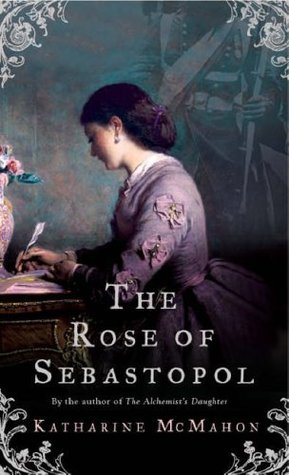
The Rose of Sebastopol by Katharine McMahon (2007)

This book had been waiting on my shelf for years and I finally got round to reading it this August. Set during the Crimean War, it’s the story of a young woman who travels to the battlefields in search of her cousin who set out to join Florence Nightingale and become a nurse.

From my review: “If I had known I was going to enjoy this book so much I would certainly have made time for it before now…I was impressed by the way McMahon has us thinking we know which characters we’re supposed to like or dislike, then turns everything around and makes us think again.”

~

And that’s my list for this year! What did you enjoy reading in 2022?

Historical Fiction Reading Challenge: Wrapping up 2022 and signing up for 2023!

I don’t take part in many year-long reading challenges as I prefer to just join in with shorter reading events these days. However, there is one that I like to participate in every year – and that is the Historical Fiction Reading Challenge, hosted by Marg at The Intrepid Reader. This is not really much of a ‘challenge’ for me, but I still enjoy linking my reviews to the monthly challenge posts, seeing what other participants are reading and discovering new historical fiction novels and bloggers. This year, Marg has also been posting monthly statistics so we can see which books and authors are getting lots of reviews!

Before I post the details of the 2023 challenge, I want to look back at what I achieved in 2022.

I had signed up at the ‘Prehistoric’ level, which meant reading 50+ historical fiction novels during the year. I managed to read 64 (about half of my total number of books read this year) and here they are:

1. The Key in the Lock by Beth Underdown
2. A Terrible Kindness by Jo Browing Wroe
3. The Silver Wolf by JC Harvey
4. I, Mona Lisa by Natasha Solomons
5. The Leviathan by Rosie Andrews
6. The Rebel Daughter by Miranda Malins
7. The Queen’s Lady by Joanna Hickson
8. The House of Footsteps by Mathew West
9. The Clockwork Girl by Anna Mazzola
10. The Reindeer Hunters by Lars Mytting
11. Go Tell the Bees That I am Gone by Diana Gabaldon
12. The Sunken Road by Ciarán McMenamin
13. Booth by Karen Joy Fowler
14. Mrs England by Stacey Halls
15. Traitor in the Ice by KJ Maitland
16. The Stone Rose by Carol McGrath
17. The Toll-Gate by Georgette Heyer
18. The Eagle of the Ninth by Rosemary Sutcliff
19. Theatre of Marvels by Lianne Dillsworth
20. The Vanished Days by Susanna Kearsley
21. The Fugitive Colours by Nancy Bilyeau
22. The Dance Tree by Kiran Millwood Hargrave
23. A Lady’s Guide to Fortune-Hunting by Sophie Irwin
24. In Place of Fear by Catriona McPherson
25. Winchelsea by Alex Preston
26. Fortune by Amanda Smyth
27. The Second Sight of Zachary Cloudesley by Sean Lusk
28. The Diamond Eye by Kate Quinn
29. Privilege by Guinevere Glasfurd
30. The Colour Storm by Damian Dibben
31. Godmersham Park by Gill Hornby
32. The Trial of Lotta Rae by Siobhan MacGowan
33. Joan by Katherine J. Chen
34. Death and the Conjuror by Tom Mead
35. Elizabeth of York: The Last White Rose by Alison Weir
36. That Bonesetter Woman by Frances Quinn
37. The Fortune Men by Nadifa Mohamed
38. The Bewitching by Jill Dawson
39. The Night Ship by Jess Kidd
40. The Magician by Colm Tóibín
41. The Flight Portfolio by Julie Orringer
42. Haven by Emma Donoghue
43. The Blood Flower by Alex Reeve
44. The Mirror and the Light by Hilary Mantel
45. The Wolf Den by Elodie Harper
46. The Rose of Sebastopol by Katharine McMahon
47. Act of Oblivion by Robert Harris
48. Hawker and the King’s Jewel by Ethan Bale
49. All the Broken Places by John Boyne
50. The Bookseller of Inverness by SG MacLean
51. The Hidden Palace by Dinah Jefferies
52. In the Shadow of Queens by Alison Weir
53. The Romantic by William Boyd
54. The Drums of War by Michael Ward
55. Ashes in the Snow by Oriana Ramunno
56. Blue Water by Leonora Nattrass
57. Cup of Gold by John Steinbeck
58. The Winter Garden by Nicola Cornick
59. Blue Postcards by Douglas Bruton
60. The Secret of Matterdale Hall by Marianne Ratcliffe
61. The Ladies of Missalonghi by Colleen McCullough
62. Nights of Plague by Orhan Pamuk
63. The Darlings of the Asylum by Noel O’Reilly
64. Shadows and Strongholds by Elizabeth Chadwick – review to follow

Here are the rules for the 2023 challenge, taken from Marg’s blog:

Everyone can participate! If you don’t have a blog you can post a link to your review if it’s posted on Goodreads, Facebook, or Amazon, or you can add your book title and thoughts in the comment section if you wish.

Any sub-genre of historical fiction is accepted (Historical Romance, Historical Mystery, Historical Fantasy, Young Adult, History/Non-Fiction, etc.)

During the following 12 months you can choose one of the different reading levels:

20th Century Reader – 2 books
Victorian Reader – 5 books
Renaissance Reader – 10 books
Medieval – 15 books
Ancient History – 25 books
Prehistoric – 50+ books

You can sign up for the challenge here. I will be aiming for Prehistoric again in 2023. Let me know if you’re planning to take part too!

Merry Christmas!

Just a quick post to wish a very Merry Christmas to those who celebrate it – and for those who don’t, I hope you have a lovely day anyway!

Thank you to everyone who has read, liked or commented on my reviews throughout the year. It’s very much appreciated! Have a great Christmas and I’ll be back soon with one or two more posts before the end of the month.

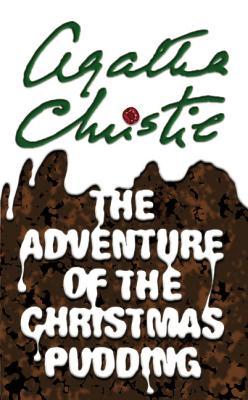
The Adventure of the Christmas Pudding by Agatha Christie

The December prompt for Read Christie 2022 is ‘a story containing precious jewels’ and the book chosen for the group read is Hercule Poirot’s Christmas. I read that one a few years ago, so decided to try The Adventure of the Christmas Pudding instead. This is a collection of six short stories and although only the first one contains precious jewels and has a festive theme, I thoroughly enjoyed reading all six of them!

Agatha Christie herself selected the stories for this collection and the first five in the book are Poirot mysteries. In the title story, The Adventure of the Christmas Pudding, Poirot joins the Lacey family at their country house, supposedly to experience a ‘typical English Christmas’. However, unknown to the family, he has another motive for attending their Christmas celebrations – he is hoping to track down a precious ruby stolen from a foreign prince. Although I felt that the title gave away part of the mystery – it’s obvious that the pudding is going to have some significance – there are still some twists before the full solution becomes clear. And I loved the Lacey children who decide to present Poirot with a murder as a special Christmas treat!

The Adventure of the Christmas Pudding was apparently inspired by Christie’s own memories of spending Christmas at Abney Hall, her sister’s home in Cheshire (presumably without the stolen jewels and murders). The other four Poirot stories in this collection are not set at Christmas, but are equally enjoyable to read. The Mystery of the Spanish Chest, in which a dead body is found in a chest after a party, is excellent. I had no idea who the culprit was or how the crime was carried out and I loved watching the plot unfold. The Under Dog, where Poirot investigates the death of a man who has been hit on the head with a club, is another good one. It’s quite complex and involved and I think it could easily have been developed into a full length novel.

The next two stories are quite unusual. In Four and Twenty Blackbirds, a man who usually dines in the same restaurant every Tuesday and Thursday without fail suddenly turns up on a Monday and asks for food he has never ordered before. Poirot is intrigued, particularly when he hears three weeks later that the man has died after an accidental fall downstairs. I found part of the solution easy to guess, but again there’s more to this story than it would seem at first! Then, in The Dream, Poirot is summoned by an elderly millionaire who is having a recurring dream in which he shoots himself with a revolver. When the old man does actually die a few days later in exactly the manner he has described, Poirot is called back to investigate. I loved this one – it’s very cleverly done!

After all of these Poirot mysteries, it was nice to see Miss Marple make an appearance in the final one, Greenshaw’s Folly. In this story, the elderly Miss Greenshaw, the current owner of the house known as Greenshaw’s Folly, is murdered in the garden just after making a new will. Miss Marple is brought into the mystery by her nephew Raymond West, whose niece has been working at the house, and through her usual methods – a knowledge of human nature and trying to decide who the various suspects remind her of – she proceeds to solve the mystery.

Overall, this is a great collection and I hope I’ve managed to give you a taste of each story without spoiling them too much. I’m looking forward to taking part in Read Christie 2023 next year!

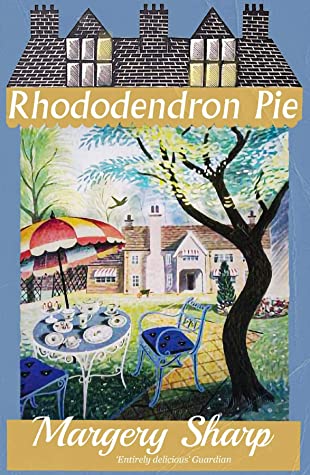
Rhododendron Pie by Margery Sharp – #DeanStreetDecember

This month, Liz of Adventures in Reading, Running and Working from Home is hosting Dean Street Press December. Margery Sharp’s first novel, Rhododendron Pie, had been out of print for years and was notoriously difficult to find before being reprinted by Dean Street Press in 2021. As I’ve previously enjoyed some of her other books I decided to read it for this month’s event.

First published in 1930, Rhododendron Pie is the story of Ann Laventie, who grows up in the Sussex countryside with her parents and two older siblings. The Laventies are a wealthy and accomplished family who consider themselves intellectual, artistic and refined; their neighbours, however, see them as cold and snobbish. Ann herself doesn’t fit in with the rest of the family – unlike her brother Dick, a sculptor, and sister Elizabeth, a writer, she hasn’t yet discovered where her own talents lie and doesn’t believe herself to be special or superior in any way. The more time she spends with the Gayfords, the large, cheerful, down-to-earth family who live nearby, the more she becomes aware of how different her own home life is.

The title of the book refers to the tradition in the Laventie household of presenting the children with birthday pies filled not with fruit but with inedible flowers. Aesthetically beautifully and appreciated by the rest of the family, but not by Ann:

“Every year she has hoped against hope, and every year the lovely inedible petals have cheated her. For she has a fundamental, instinctive conviction that they are out of place. Flowers are beautiful in gardens…and in houses, of course…but in a pie you want fruit. Apples. Hot and fragrant and faintly pink, with lots of juice…and cloves. She wished there had been apples in her pie.”

Although Ann loves her family and admires their intellectual brilliance, it’s her secret longing for the ordinary, conventional things in life that drives the story forward. When Dick and Elizabeth move to London and Ann goes to visit them there, her knowledge and experience of the world widens and she becomes more aware of what she really wants and what will make her happy.

It took me a while to get into this book, but once I did it was very enjoyable. I loved Ann and found it interesting to watch the internal conflict play out between her true nature and the values and prejudices that have been instilled into her as a result of her upbringing. Although there’s some romance in the book – Ann has two very different love interests and it’s quite easy to predict which one she’ll choose! – it never really becomes the main focus and is just one aspect of the story, along with the exploration of intellectual snobbery, the class system and the difficulties of finding your place in the world.

As I’d hoped, this was a good choice for Dean Street December and I’ll see if I have time for another book before the end of the month.

Historical Musings #76: Books to look out for in 2023

Now that 2022 is almost over, it’s time to look ahead to the historical fiction being published in 2023. I’ve listed below a selection of books that have caught my attention for one reason or another – some are review copies I’ve received (and in a few cases have already read), some are new books by authors I’ve previously enjoyed and others just sounded interesting. 2023 looks like being a great year for historical fiction and I hope there’s something here that appeals to you.

Dates provided are for the UK and were correct at the time of posting.

January

A Marriage of Fortune by Anne O’Brien (19th January) – Set during the Wars of the Roses, this is the sequel to The Royal Game and continues the story of the women of the Paston family.

For Thy Great Pain Have Mercy On My Little Pain by Victoria MacKenzie (19th January) – A novella describing a meeting in 1413 between Julian of Norwich and Margery Kempe, two English mystics and authors.

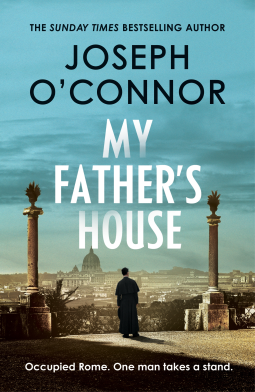
My Father’s House by Joseph O’Connor (26th January) – Based on a true story, an Irish priest in Vatican City helps people escape from the Nazis.

February

The Whispering Muse by Laura Purcell (2nd February) – Laura Purcell’s new Gothic novel is set in a theatre in Victorian London, where an actress is said to have made a pact with Melpomene, the muse of tragedy.

Weyward by Emilia Hart (2nd February) – This book weaves together the stories of three women from different time periods who share a connection to witchcraft.

March

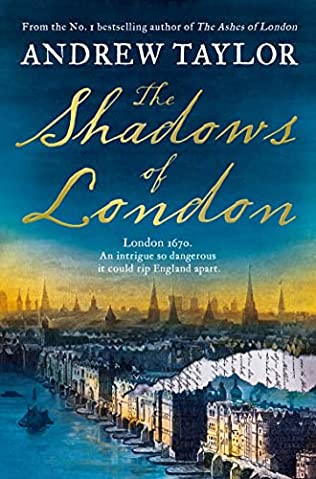
The Shadows of London by Andrew Taylor (2nd March) – The sixth book in Taylor’s excellent Marwood and Lovett mystery series set in the years following the Great Fire of London.

Lady MacBethad by Isabelle Schuler (2nd March) – The story of Gruoch, the real-life queen who was the inspiration for Shakespeare’s Lady Macbeth. Having read several other books about Macbeth and Gruoch/Groa, I’ll be interested to see how this one compares.

The Secrets of Hartwood Hall by Katie Lumsden (30th March) – A Victorian Gothic novel about a young woman who becomes a governess at an isolated country house.

April

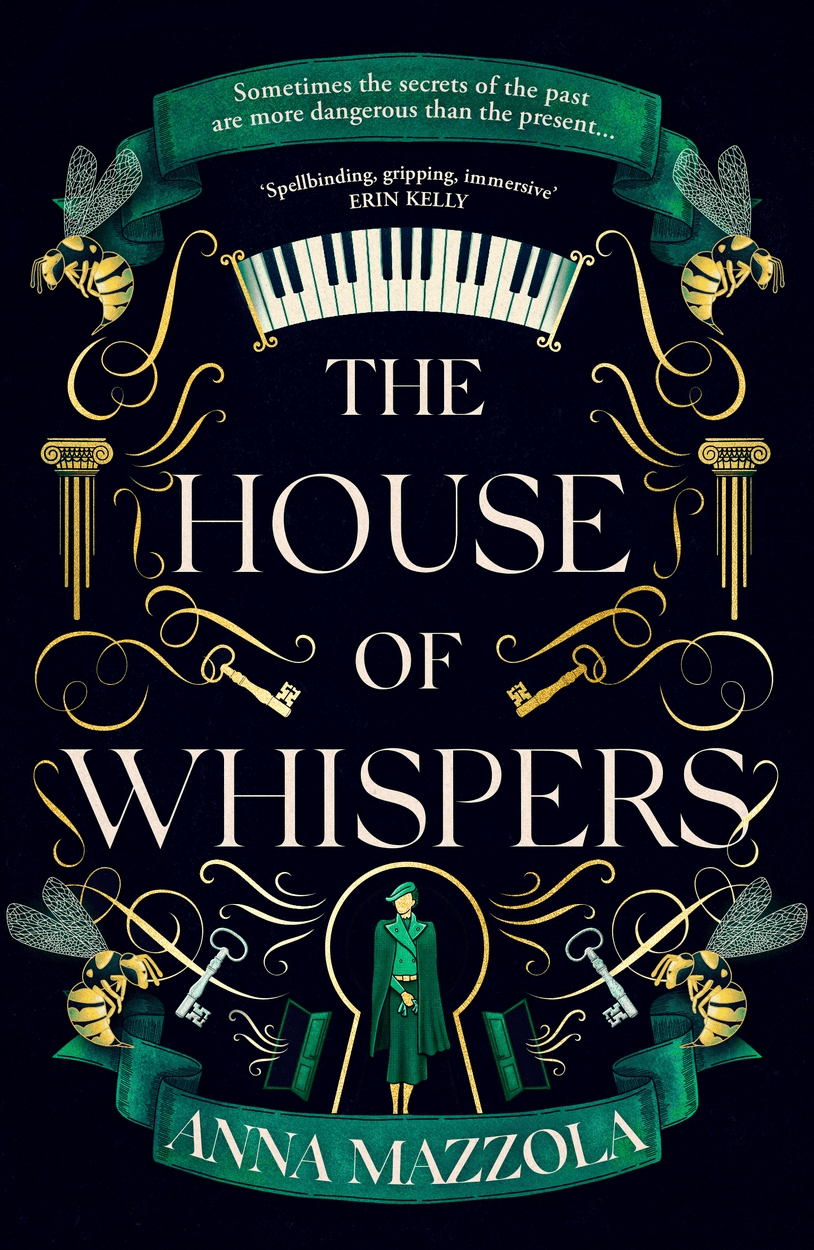
The House of Whispers by Anna Mazzola (6th April) – I’ve read all of Anna Mazzola’s previous novels and each one has been very different from the one before. This new book is set in Rome in 1938.

The King’s Jewel by Elizabeth Chadwick (13th April) – The new novel from Elizabeth Chadwick is set in 11th century Wales and tells the story of Nesta, daughter of Prince Rhys of Deheubarth.

Rivers of Treason by KJ Maitland (13th April) – The third book in the Daniel Pursglove mystery series sees Daniel returning to his childhood home in Yorkshire and falling under suspicion of murder.

Homecoming by Kate Morton (13th April) – A modern day journalist discovers a family connection with an unsolved murder case in 1950s Australia. I’ve enjoyed some of Kate Morton’s previous books but not others, so I’ll be interested to see what this one is like.

Prize Women by Caroline Lea (27th April) – Set in Canada during the Great Depression, this is the story of two women who become involved in the contest known as The Great Stork Derby.

May

Atlas: The Story of Pa Salt by Lucinda Riley and Harry Whittaker (11th May) – The final book in the Seven Sisters series, completed by Lucinda Riley’s son after her death in 2021. I can’t wait to find out the truth about Pa Salt at last!

A Lady’s Guide to Scandal by Sophie Irwin (11th May) – I loved Sophie Irwin’s A Lady’s Guide to Fortune-Hunting and her second novel, another one set in the Regency period, sounds just as entertaining!

Henry VIII: The Heart and the Crown by Alison Weir (11th May) – After writing a series of novels from the perspectives of Henry VIII’s six wives, now Alison Weir is going to give us Henry’s side of the story.

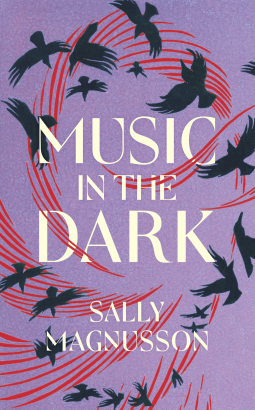
Music in the Dark by Sally Magnusson (11th May) – The new novel by Scottish author Sally Magnusson explores the lives of two people during the Highland Clearances of 1854.

The Ghost Theatre by Mat Osman (11th May) – This sounds like a very unusual novel about children in a theatrical troupe in Elizabethan London.

The Stolen Crown by Carol McGrath (18th May) – Following her recent She-Wolves trilogy, Carol McGrath goes further back in time for her new novel which tells the story of Henry I’s daughter Matilda and the period known as The Anarchy.

Mrs Porter Calling by AJ Pearce (25th May) – The third book in Pearce’s series about Emmy Lake, who works for Woman’s Friend magazine during World War II. I still need to catch up with the second one!

June

The Last Lifeboat by Hazel Gaynor (8th June) – Set in 1940, this new book by Hazel Gaynor tells the story of the evacuees sent away by sea during the war.

Disobedient by EC Fremantle (8th June) – A new EC Fremantle book is always something to look forward to and this one, about the 17th century artist Artemisia Gentileschi, sounds great.

The Square of Sevens by Laura Shepherd-Robinson (22nd June) – I’d been hoping for a third book in the Harry and Caro Corsham mystery series, but this new book about a fortune-teller in Georgian England could be even better!

The Other Side of Mrs Wood by Lucy Barker (22nd June) – This one sounds fun – it’s described as an ‘irresistible historical comedy about two rival mediums in Victorian London’.

July

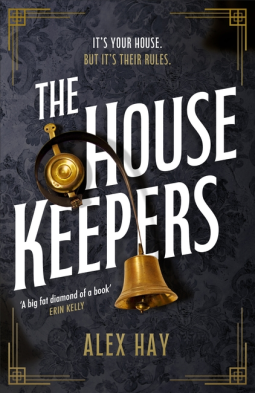
The Housekeepers by Alex Hay (6th July) – An intriguing-sounding debut novel in which a group of servants plan to carry out a daring heist in a grand London house in 1905.

Lady Tan’s Circle of Women by Lisa See (6th July) – I usually love Lisa See’s books and this one is about the life of Tan Yunxian, a Chinese physician during the Ming dynasty.

The Murder Wheel by Tom Mead (11th July) – I loved Tom Mead’s first Golden Age-style mystery novel, Death and the Conjuror, and I’m pleased to see that he’s written another one, again featuring the magician Joseph Spector.

August

Fair Rosaline by Natasha Solomons (3rd August) – The second novel in this list with a Shakespeare connection, this is the story of Rosaline, the woman Romeo loved before beginning his tragic romance with Juliet.

Night Train to Marrakech by Dinah Jefferies (31st August) – The third book in the Daughters of War trilogy is going to be set in 1960s Morocco. I’m looking forward to finding out how the story ends.

October

Menewood by Nicola Griffith (3rd October) – The long-awaited sequel to Hild, this book will continue the story of St Hilda of Whitby. The first book was beautifully written and I’ve been looking forward to this one for years!

November

The Temple of Fortuna by Elodie Harper (23rd November) – This will be the final book in Elodie Harper’s trilogy set in ancient Pompeii. I loved The Wolf Den but still need to read the middle book.

December

The Witch’s Daughter by Imogen Edwards-Jones (7th December) – The sequel to The Witches of St Petersburg is set in 1916 and follows the story of Princess Militza’s daughter Nadezhda as the Russian Revolution approaches.

~

Are you interested in reading any of these? What else have I missed?

The Winter is Past by Noel Streatfeild

Noel Streatfeild is an author I loved as a child but I’ve never tried any of her adult books until now. There are plenty to choose from but I decided on her 1940 novel The Winter is Past (although here in the UK, winter is currently very much with us – we’ve had snow, ice and freezing temperatures all week, where I am!). It occurred to me after I started reading that I should probably have saved this book for next year’s 1940 Club – it’s worth keeping this one in mind if you’re wondering what to read for that event.

Anyway, The Winter is Past begins by introducing us to the Laurence family, who have lived at Levet, a beautiful English country house, since the 18th century. The current head of the family, Bill Laurence, has brought his new wife, Sara, home to Levet for the first time, but it immediately becomes clear that she’s not going to fit in. Nannie, who nursed several generations of Laurence children and is still an important part of the household, disapproves of Sara’s background as an actress – and when Bill’s upper-class mother Lydia comes to stay, Sara feels even more out of place. After suffering a miscarriage, she decides that her marriage is not working and that she needs to get away for a while, but with the outbreak of World War II she is forced to stay at Levet and make the best of things.

Another family whose lives have been thrown into turmoil by the war are the Vidlers. While Mr Vidler stays at home in London, his wife and their three young children – Rosie, Tommy and baby Herbert – are evacuated and taken in by the Laurences. Life at Levet comes as a culture shock for the working-class Vidlers, but they do their best to adapt, with varying success! When the cold weather arrives and the house is cut off from the village by snow, this disparate group of people will have to work together to get through the winter.

I loved this book; it’s very character-driven but with just enough plot to keep the story moving forward. I always find it fascinating to read books set during the war that were actually written before the war was over – it puts a very different perspective on things, when neither the characters nor the author have any idea how long it will last or how bad things are going to get. What little plot there is deals with the events of the winter of 1939-40 and although the book ends with another five years of war still to come, there’s already a sense that the lives of the characters have changed irrevocably and the way of life each of them has always known is disappearing forever.

My favourite characters were Mr and Mrs Vidler who, despite not leading a privileged life like the Laurences, possess things that money can’t buy – love, happiness and contentment – and rather than feeling inferior to Sara, Lydia and the others, look on them with sympathy and pity. The children, in the countryside for the first time, have more mixed emotions; they aren’t too pleased about the regular baths and formal mealtimes, but Tommy is captivated by the thought of making things grow in the garden and Rosie is amazed to discover that real ducks don’t wear sailor suits like Donald! It’s not surprising that Streatfeild writes about children so convincingly, considering she’s better known as a children’s author, but her adult characters are well developed too, even if some of them are difficult to like. She does come close to stereotyping with the maid Irene who has what we would probably call learning difficulties today, but that’s my only criticism and she does make up for it by giving Irene a heart of gold.

This was the perfect book to read in December, with snow on the ground outside, and I’m looking forward to reading more of Streatfeild’s adult novels next year. If you’ve read any of them let me know which ones you would recommend!