Top Ten Tuesday: Authors I discovered in 2021

This week’s Top Ten Tuesday (hosted by That Artsy Reader Girl) gives us a chance to look back at our 2021 reading and pick out ten authors we read for the first time last year. I have listed below a mixture of new-to-me authors I loved and others I’m still not sure about.

~
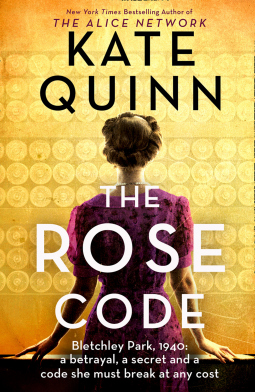
1. Kate Quinn – I read The Rose Code in 2021 and loved it; in fact it was one of my books of the year. I want to read her new one, The Diamond Eye, which is being published in March, but she also has plenty of earlier novels for me to explore.

2. Leïla Slimani – I chose to read The Country of Others because I thought it would be interesting to read a book set in 1940s Morocco written by a French-Moroccan author. I did find it interesting, but it was also very bleak and depressing. I’m not sure whether I’ll try more of Slimani’s books.

3. Jennifer Saint – I really enjoyed Ariadne and am looking forward to starting my review copy of Jennifer Saint’s new book, Elektra, in which she tells the stories of three more women from Greek mythology.
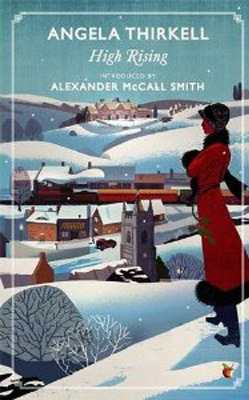
4. Angela ThirkellHigh Rising had been on my Classics Club list for years and I eventually picked it up last summer. I don’t think Thirkell is going to become a favourite author, but I found a lot to like in this book and will try to read the second one in the series soon.
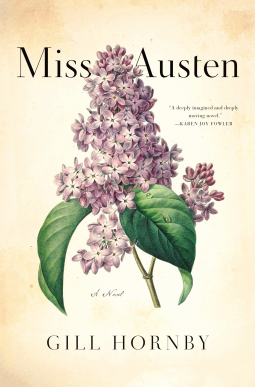
5. Gill Hornby – I read Miss Austen just before Christmas and really enjoyed it. Her earlier novels don’t appeal to me, but her next one, due out this year, is also Austen-inspired so I’m definitely interested in reading it.

6. Joan Aiken – I had been meaning to try Joan Aiken’s books for years and finally got round to it in 2021 with her 1976 Gothic novel Castle Barebane. I’m hoping to read more of her work soon.
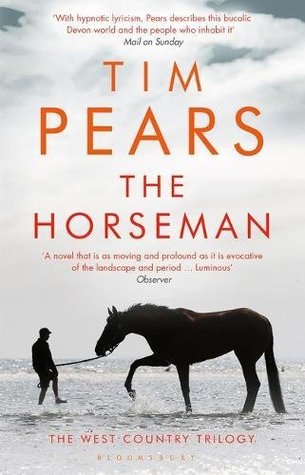
7. Tim Pears – I read The Horseman, the first in Tim Pears’ West Country Trilogy, in 2021 and hoped that I would love it and want to read the rest of the trilogy immediately. However, although I thought it was beautifully written I found it very slow and am unsure whether to continue.
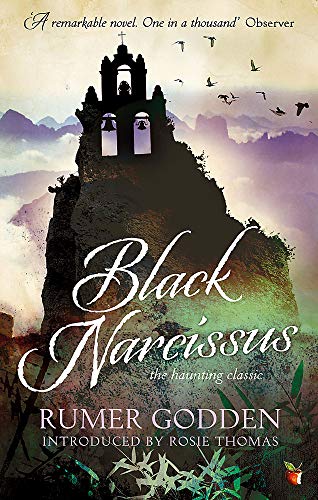
8. Rumer GoddenBlack Narcissus was one of my final reads of 2021. Although I didn’t love it as much as I’d hoped to, I found it interesting and atmospheric and I’m planning to read more by Rumer Godden.
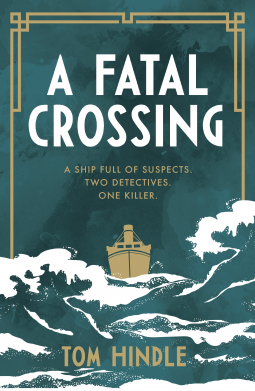
9. Tom Hindle – I loved Tom Hindle’s debut novel, A Fatal Crossing, which I reviewed last week but read towards the end of 2021, hence its inclusion on this list. I can’t wait to see what he writes next.
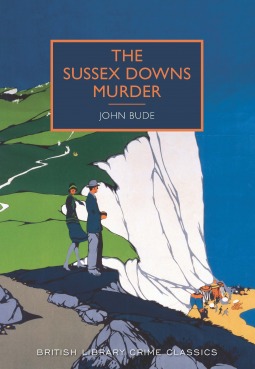
10. John Bude – I read The Sussex Downs Murder last year and enjoyed it, although I found the mystery too easy to solve. British Library Crime Classics have published a lot of Bude’s other crime novels, so I will probably try another one.

~

Have you read any of these authors? Which new (or new-to-you) authors did you discover last year?

Top Ten Tuesday: Most Recent Additions to my Book Collection

This week’s Top Ten Tuesday (hosted by That Artsy Reader Girl) asks us for the ten most recent additions to our book collections.

Here are mine:

1. The Wolf Den by Elodie Harper – I’ve seen this novel set in ancient Pompeii mentioned on a lot of best of 2021 lists, so I’ve added it to my TBR.

2. The Appeal by Janice Hallett – I am currently reading Janice Hallett’s new mystery novel, The Twyford Code, and before I was even halfway through I knew I wanted to read her previous book too. The Appeal sounds just as good, so I have high hopes for it.

3. Go Tell the Bees That I am Gone by Diana Gabaldon – I loved the earlier books in Diana Gabaldon’s Outlander series but have been disappointed with the more recent ones. Still, having come this far with the series I am committed to finishing it now! This is the ninth and newest book, which was published just before Christmas.

4. The Story of the British Isles in 100 Places by Neil Oliver – This was an unexpected Christmas present. I’ve seen some very positive reviews of this guide to one hundred of Britain’s historic sites, so I’ll look forward to dipping into it soon.

5. The Inugami Curse by Seishi Yokomizo – My favourite of several Japanese crime authors I’ve tried over the last few years. I enjoyed The Honjin Murders and The Village of Eight Graves and am looking forward to meeting detective Kosuke Kindaichi again in this one.

6. The Dark Queens by Shelley Puhak – The most recent book I received for review via NetGalley. This is a biography of two Early Medieval French queens, Brunhild and Fredegund. I know nothing at all about these queens or the Merovingian dynasty they belonged to, so I think this will be a fascinating read.

7. Traitor in the Ice by KJ Maitland – This is the second book in Maitland’s Daniel Pursglove mystery series, after last year’s The Drowned City. The series is set in the 17th century and follows Pursglove’s attempts to uncover a Catholic conspiracy.

8. The Fugitive Colours by Nancy Bilyeau – Another NetGalley book. This is a sequel to Bilyeau’s The Blue, which I really enjoyed, and continues the story of Genevieve Planché, a young Huguenot woman in the 18th century.

9. In a Lonely Place by Dorothy B Hughes – Two of Hughes’ other novels have won places on my best books of the year lists in both 2021 and 2020. I’m hoping this will be another one that I’ll love!

10. The Sugar Pavilion by Rosalind Laker – This was a free Kindle book listed in a recent Lume Books newsletter. I have enjoyed some of Rosalind Laker’s books but others not so much, so I’ll see what I think of this one, set during the French Revolution.

~

Have you read any of these? What are the most recent additions to your book collection?
Six Degrees of Separation: From Rules of Civility to Giant’s Bread

It’s the first Saturday of the month – and of 2022 – which means it’s time for another Six Degrees of Separation, hosted by Kate of Books are my Favourite and Best. The idea is that Kate chooses a book to use as a starting point and then we have to link it to six other books of our choice to form a chain. A book doesn’t have to be connected to all of the others on the list – only to the one next to it in the chain.

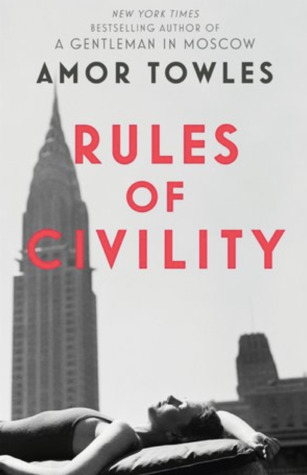
This month we are starting with Rules of Civility by Amor Towles. I haven’t read it, but I did enjoy Towles’ A Gentleman in Moscow, so maybe I should try this one. Here’s what it’s about:

This sophisticated and entertaining first novel presents the story of a young woman whose life is on the brink of transformation. On the last night of 1937, twenty-five-year-old Katey Kontent is in a second-rate Greenwich Village jazz bar when Tinker Grey, a handsome banker, happens to sit down at the neighboring table. This chance encounter and its startling consequences propel Katey on a year-long journey into the upper echelons of New York society — where she will have little to rely upon other than a bracing wit and her own brand of cool nerve. With its sparkling depiction of New York’s social strata, its intricate imagery and themes, and its immensely appealing characters, Rules of Civility won the hearts of readers and critics alike.

~

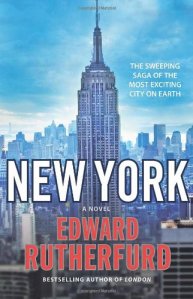
I had trouble getting started with this month’s chain, but finally settled on New York as my first link. I can think of several books I’ve read that are set in New York, but I’ve chosen the most obvious one: New York by Edward Rutherfurd (1). This very long but fascinating novel tells the story of New York from its early years as a 17th century Dutch trading post right through to the present day, exploring some of the key events and important historical figures from the city’s history.

In New York, Rutherfurd focuses on several generations of one fictional family, the Masters, who are merchants and bankers. Another novel about a banking family is House of Gold by Natasha Solomons (2). The family in this book, which is set in Europe before and during World War I, are the Goldbaums, who are fictional but loosely based on the real-life Rothschilds. I really enjoyed this one and am looking forward to reading more of Natasha Solomons’ books (I have only read this one and The Novel in the Viola so far).

Gold makes me think of silver and leads me to The Silver Pigs by Lindsey Davis (3), the first book in the Marcus Didius Falco mystery series. This book is set in Rome and Britannia in the year 70 AD and follows Falco as he investigates a conspiracy involving a secret stockpile of silver ingots known as ‘silver pigs’. Ancient Rome is not one of my favourite historical periods and I wasn’t thrilled with the audiobook version I listened to either, but I found it interesting enough to want to continue with the series (in print format, I think).

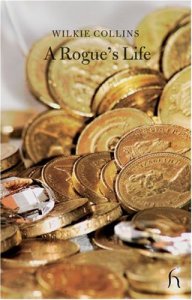
The Silver Pigs has a silver coin on the cover. Using that as my next link takes me to the Hesperus Press edition of A Rogue’s Life by Wilkie Collins (4), which has lots of coins on the cover. Collins is one of my favourite Victorian authors and although this novella-length book about the money-making schemes of a loveable young rogue is not the best example of his work, I still thought it was a lot of fun to read.

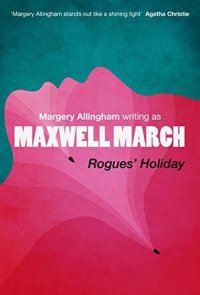
The word ‘rogue’ brings me to my next book, Rogues’ Holiday by Maxwell March (5). This book is great fun too; first published in 1935, it’s a thriller in which a Scotland Yard Inspector stumbles upon a group of criminals while taking a two-week break in a seaside hotel. Maxwell March is a pseudonym of Margery Allingham, the Golden Age crime novelist best known for her Albert Campion mystery series.

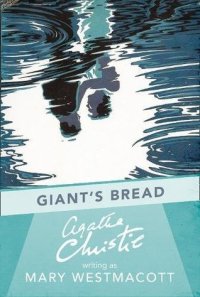
Agatha Christie was another Golden Age Queen of Crime who wrote under a pseudonym. Giant’s Bread (6) is one of six novels published under the name Mary Westmacott. I found this story about a young man’s love of music entirely different from Christie’s detective novels, but just as enjoyable in its own way. I’m sure I’ll be reading more of her Mary Westmacott books.

~

And that’s my first chain of the year! My links this month included: New York, bankers, precious metals, coins, rogues and authors with pseudonyms.

In February we will be starting with No One Is Talking About This by Patricia Lockwood.

Six Degrees of Separation: From Ethan Frome to Murder Under the Christmas Tree

It’s the first Saturday of the month which means it’s time for another Six Degrees of Separation, hosted by Kate of Books are my Favourite and Best. The idea is that Kate chooses a book to use as a starting point and then we have to link it to six other books of our choice to form a chain. A book doesn’t have to be connected to all of the others on the list – only to the one next to it in the chain.

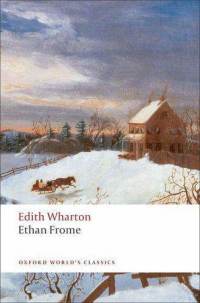
This month we are beginning with the classic novella Ethan Frome by Edith Wharton. I’ve read this one and liked it, although it’s still the only book I’ve read by Wharton. Here’s what it’s about:

Ethan Frome works his unproductive farm and struggles to maintain a bearable existence with his difficult, suspicious and hypochondriac wife, Zeena. But when Zeena’s vivacious cousin enters their household as a ‘hired girl’, Ethan finds himself obsessed with her and with the possibilities for happiness she comes to represent. In one of American fiction’s finest and most intense narratives, Edith Wharton moves this ill-starred trio towards their tragic destinies.

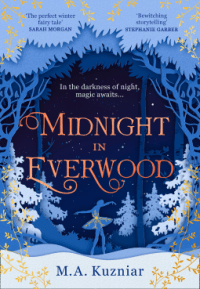
It’s been ten years since I read Ethan Frome, but I still remember the atmospheric setting of Starkfield, Massachusetts with its cold, harsh winters. My first link, then, is to a recent read which is also set in winter, Midnight in Everwood by MA Kuzniar (1). This is a retelling of ETA Hoffmann’s The Nutcracker and follows aspiring ballerina Marietta as she hides inside a grandfather clock on Christmas Eve and steps out into the enchanting world of Everwood. The descriptions of snow-covered landscapes are lovely, but I was disappointed with the writing style and the general lack of depth.

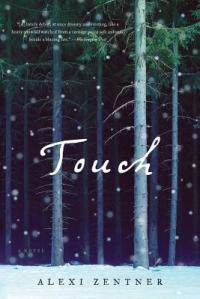
Another book with a very strong sense of place – and another wintry setting – is Touch by Alexi Zentner (2). This is a beautifully written novel about three generations of a family who live in a Canadian gold mining and logging town. There are elements of the supernatural and we meet lots of creatures from Canadian and Inuit folklore – sea witches, golden caribou, wood spirits and water monsters – but although I’m not always a fan of magical realism, I thought it worked well here.

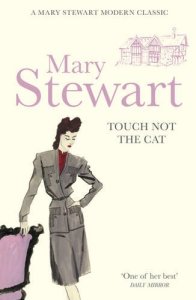
I could easily have continued with the winter theme, but I like to have some variety in my chains so I’m going to link instead to another book with the word ‘touch’ in the title: Touch Not the Cat by Mary Stewart. This is one of Stewart’s later novels, published in 1976, and tells the story of Bryony Ashley who returns to her ancestral home, Ashley Court, to investigate after her father dies under suspicious circumstances leaving her a cryptic message warning her of danger. I enjoyed this book, although it’s not one of my favourites by Stewart.

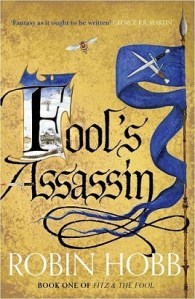
Bryony Ashley, the heroine of Touch Not the Cat is able to communicate with an unidentified secret lover using telepathy. In Robin Hobb’s fantasy novel Fool’s Assassin (4), the characters use two forms of magic known as the Skill and the Wit in order to form telepathic connections with other people and animals. It’s a great book, but if you’re new to Robin Hobb don’t start with this one – it’s part of a much longer series and you really need to start at the beginning with Assassin’s Apprentice.

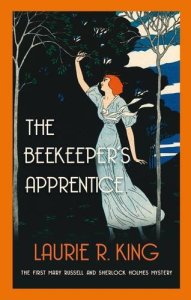
Although Fool’s Assassin is the fourteenth book in the sequence and therefore reacquaints us with lots of old friends, it also introduces a fascinating new character, Bee, and a large part of the story is written from her perspective. Her name makes me think of The Beekeeper’s Apprentice by Laurie R King (5). This mystery novel teams up a teenage orphan, Mary Russell, with Arthur Conan Doyle’s famous detective, Sherlock Holmes, who has retired to the countryside to keep bees. It’s the first in a series, of which I’ve still only read two!

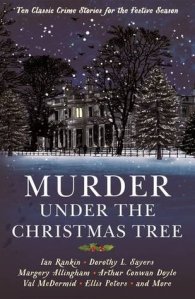
There’s a Sherlock Holmes story included in the anthology Murder Under the Christmas Tree edited by Cecily Gayford (6). This Christmas-themed collection features stories by classic crime authors including Dorothy L Sayers, Edmund Crispin and Margery Allingham, as well as more recent authors such as Val McDermid and Ian Rankin. I think this book brings my chain to an appropriate end!

~

And that’s my chain for December. My links have included wintry settings, the word ‘touch’, telepathic connections, bees and Sherlock Holmes!

Next month we’ll be starting with Rules of Civility by Amor Towles.

Top Ten Tuesday: Ten books to read if you love the Brontës

This week’s topic for Top Ten Tuesday (hosted by Jana at That Artsy Reader Girl) is “Books to Read If You Love/Loved X (X can be a genre, specific book, author, movie/TV show, etc)”.

I have chosen to list ten books with connections to the Brontë family – a mixture of non-fiction, historical fiction, classics and retellings! These are all books that I have read and reviewed on my blog.

1. The Taste of Sorrow by Jude Morgan – My favourite of the ten books listed here, this is a beautifully written fictional biography of Charlotte, Emily and Anne with strong characterisation bringing all three sisters to life.

2. Wide Sargasso Sea by Jean Rhys – This is probably one of the best-known Brontë-inspired novels, giving a voice to Mr Rochester’s wife Bertha, and has become a modern classic in its own right.

3. Sanctuary by Robert Edric – A fictional account of the life of Branwell Brontë, a young man who starts out with so much potential only to find himself living in the shadow of his sisters.

4. Ill Will by Michael Stewart – In the middle of Wuthering Heights, Heathcliff disappears for three years. This novel imagines what may have happened to him during that time. An interesting idea, but the anachronistic language ruined this book for me!

5. The Madwoman Upstairs by Catherine Lowell – A contemporary novel about a young American woman who is the last living descendant of the Brontë family and finds herself searching for the lost Brontë literary estate.

6. Dark Quartet by Lynne Reid Banks – Another fictional biography of Charlotte, Emily, Anne and Branwell, published in the 1970s. There’s a sequel covering the final years of Charlotte’s life, but I haven’t read that one yet.

7. Jane Steele by Lyndsay Faye – Part historical crime/part Jane Eyre retelling, this is the story of Jane Steele, a murderer whose life seems to mirror that of the heroine of her favourite Brontë novel. I loved all the Jane Eyre parallels, but found the crime aspect less successful.

8. Nelly Dean by Alison Case – A retelling of Wuthering Heights with a focus on the life of the housekeeper Nelly Dean. I didn’t enjoy this as much as I’d hoped; I liked Nelly, but her story wasn’t as interesting as Cathy and Heathcliff’s – which is why Emily Brontë wrote that book and not this one!

9. The Infernal World of Branwell Brontë by Daphne du Maurier – Another book about Branwell Brontë, but a non-fiction one this time – and written by another of my favourite authors! Several of du Maurier’s novels also show a strong Brontë influence.

10. Mr Rochester by Sarah Shoemaker – This version of Jane Eyre is written from the perspective of Mr Rochester. I enjoyed the earlier sections of the novel that imagine Rochester’s childhood and time in Jamaica, but the final part – retelling the familiar events of Jane Eyre – didn’t work as well.

~

What do you think? Have you read any of these? What other books have you read that are about or inspired by the Brontës?

Six Degrees of Separation: From What Are You Going Through to Tomorrow

It’s the first Saturday of the month which means it’s time for another Six Degrees of Separation, hosted by Kate of Books are my Favourite and Best. The idea is that Kate chooses a book to use as a starting point and then we have to link it to six other books of our choice to form a chain. A book doesn’t have to be connected to all of the others on the list – only to the one next to it in the chain.

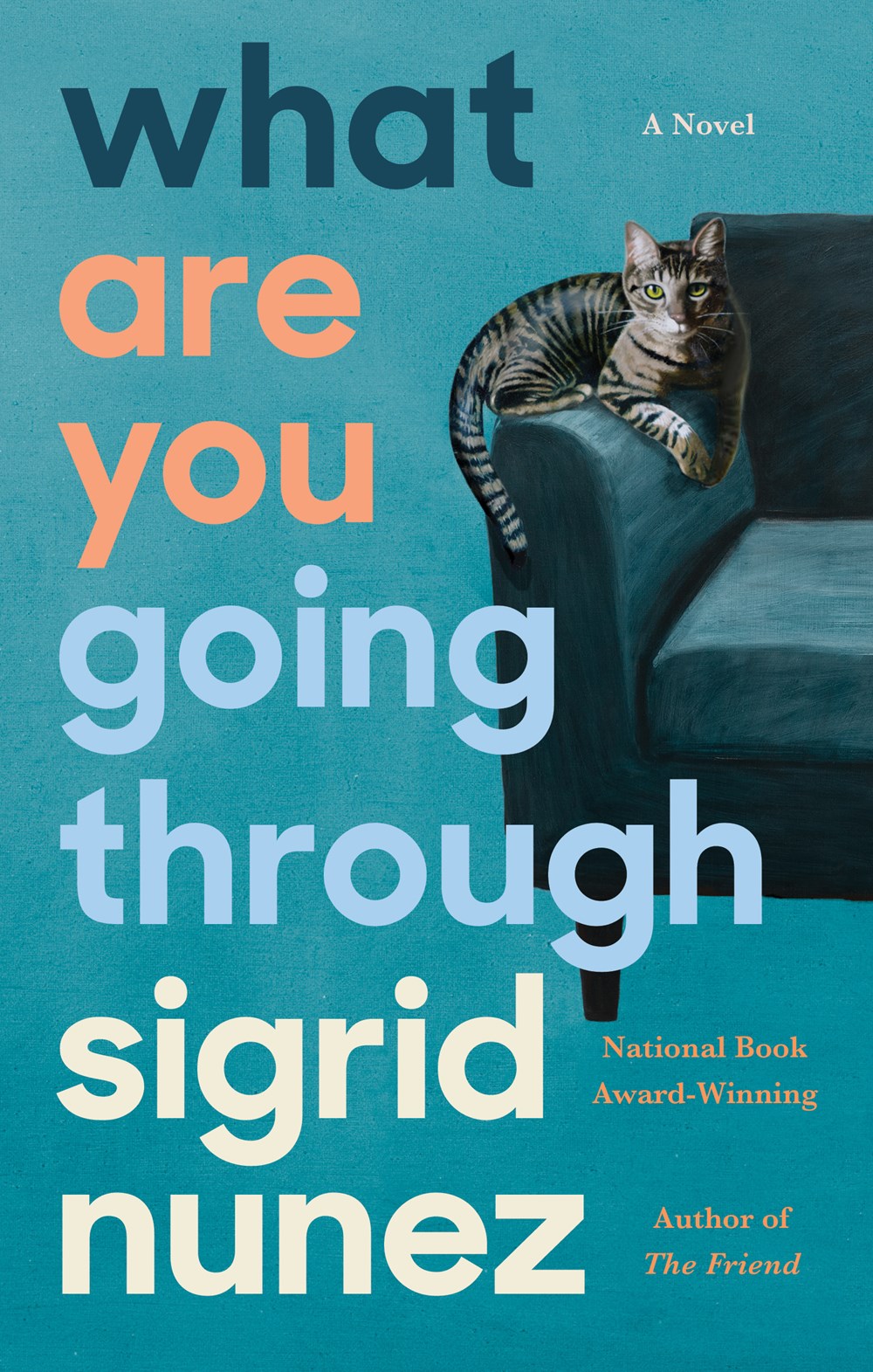
This month we are beginning with What Are You Going Through by Sigrid Nunez. I haven’t read it and although it does sound interesting, I don’t think it’s my kind of book and I have no plans to read it. Here’s what it’s about:

A woman describes a series of encounters she has with various people in the ordinary course of her life: an ex she runs into by chance at a public forum, an Airbnb owner unsure how to interact with her guests, a stranger who seeks help comforting his elderly mother, a friend of her youth now hospitalized with terminal cancer. In each of these people the woman finds a common need: the urge to talk about themselves and to have an audience to their experiences. The narrator orchestrates this chorus of voices for the most part as a passive listener, until one of them makes an extraordinary request, drawing her into an intense and transformative experience of her own.

In What Are You Going Through, Nunez brings wisdom, humor, and insight to a novel about human connection and the changing nature of relationships in our times. A surprising story about empathy and the unusual ways one person can help another through hardship, her book offers a moving and provocative portrait of the way we live now.

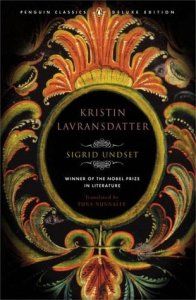
I often struggle to come up with a first link when the starting book is not one that I’ve read and doesn’t have any obvious similarities to other books I’ve read. I’m afraid I’m just going to have to find a connection through the author’s name and link to Kristin Lavransdatter by Sigrid Undset (1). This is actually a trilogy published between 1920 and 1922, but the edition I read included all three in one very long book of over 1000 pages. However, I thought it was definitely worth the time and effort it took to read this fascinating, tragic story of a young woman’s life in 14th century Norway. Sigrid Undset was awarded the 1928 Nobel Prize in Literature “principally for her powerful descriptions of Northern life during the Middle Ages”.

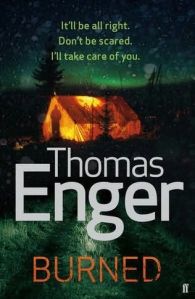
I read Kristin Lavransdatter in a very readable English translation by Tiina Nunnally. Another book by a Norwegian author and originally published in Norwegian is Burned by Thomas Enger (2), translated by Charlotte Barslund. This is the first in a crime series set in Oslo and featuring the journalist Henning Juul. Although I enjoyed it, with a few reservations, I never continued with the rest of the series or any of Thomas Enger’s other books. Maybe I should.

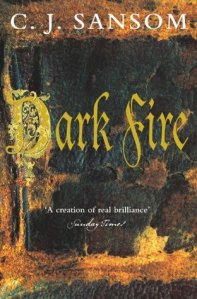
The title Burned makes me think of other titles to do with flames and fires. Dark Fire (3) is the second book in CJ Sansom’s Shardlake mystery series set in Tudor England. ‘Dark Fire’ refers to Greek Fire, a weapon said to be able to destroy a ship in minutes, and in this book Shardlake is searching for the secret formula to produce more of the weapon, while also trying to clear a young girl of a murder accusation. I have read all of the Shardlake novels apart from the newest one and enjoyed them all; this one introduces one of my favourite characters in the series, Jack Barak.

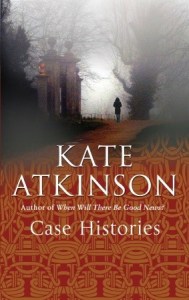
Dark Fire is set during the summer heatwave of 1540. Case Histories by Kate Atkinson (4) opens during a summer heatwave in 1970 during which a little girl disappears while sleeping in a tent in the garden. Private detective Jackson Brodie – who features in another four Atkinson novels after this first one – investigates this and two other historical cases which at first seem to be completely unrelated. As a mystery novel I don’t think this one was particularly strong, but I loved the characters and their personal stories.

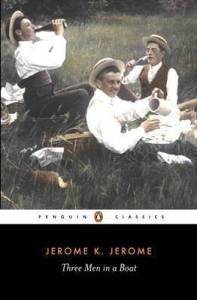
A very different scene involving a tent appears in Three Men in a Boat by Jerome K Jerome (5). This is such a funny, entertaining book; I sometimes pick it up and re-read a few pages if I need to cheer myself up! It follows the adventures of three men who take a boat trip along the River Thames, where everything that can go wrong does go wrong – including a disastrous attempt to put up a tent in the rain!

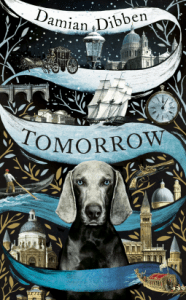
The full title of the above book is Three Men in a Boat (To Say Nothing of the Dog), a reference to the dog Montmorency who accompanies the men on their trip. Tomorrow by Damien Dibben (6) also features a dog – in fact, the narrator is a dog! He’s also over two hundred years old and Tomorrow tells the story of how he and his owner came to live for such a long time, describing some of the events they have witnessed and places they have visited along the way, from the court of Versailles to the battlefield of Waterloo. I can’t really say that I loved this book, but it was certainly different!

~

And that’s my chain for November! My links have included the name Sigrid, Norwegian translations, ‘fiery’ titles, heatwaves, tents and dogs.

In December we’ll be starting with the classic novella Ethan Frome by Edith Wharton, a book I have actually read for once!

Six Degrees of Separation: From The Lottery to The Haunting of Hill House

It’s the first Saturday of the month which means it’s time for another Six Degrees of Separation, hosted by Kate of Books are my Favourite and Best. The idea is that Kate chooses a book to use as a starting point and then we have to link it to six other books of our choice to form a chain. A book doesn’t have to be connected to all of the others on the list – only to the one next to it in the chain.

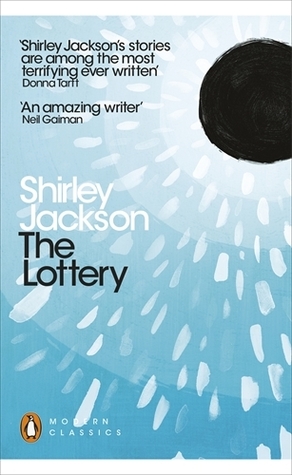
This time we’re beginning with The Lottery, a story by Shirley Jackson. I hadn’t read it, but when I saw how short it was and that it was available online, I managed to read it in preparation for this month’s post. Here’s what it’s about:

In a small American town, the local residents are abuzz with excitement and nervousness when they wake on the morning of the twenty-seventh of June. Everything has been prepared for the town’s annual tradition — a lottery in which every family must participate, and no one wants to win.

“The Lottery” stands out as one of the most famous short stories in American literary history. Originally published in The New Yorker, the author immediately began receiving letters from readers who demanded an explanation of the story’s meaning. “The Lottery” has been adapted for stage, television, radio and film.

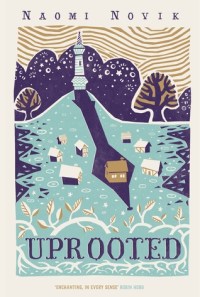
The story reminded me of Uprooted by Naomi Novik (1), which also features a lottery (of sorts) that nobody really wants to win. In this book, a seventeen-year-old girl from a village on the edge of a sinister wood is selected once every ten years to go and live in a tower with a mysterious and powerful wizard known as the Dragon. What happens to the girls while living in the Dragon’s tower is unknown, except that they return ten years later changed by their experiences. I really enjoyed this book and its blend of fairy tales, magic and folklore.

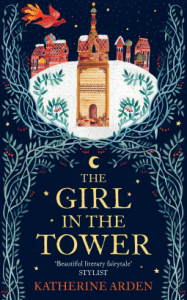
Another book about a girl in a tower is…The Girl in the Tower by Katherine Arden! (2) This is the second novel in the wonderful Winternight trilogy, a fantasy series set in medieval Russia. Like Uprooted the story is grounded in mythology and folklore and we meet such fascinating characters as Morozko the frost-demon, Koschei the Deathless, and the legendary Firebird.

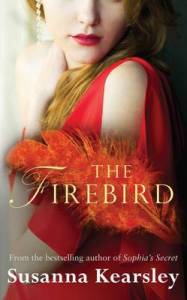
The Firebird (3), one of my favourite novels by Susanna Kearsley, traces the history of a wooden carving of a firebird which once belonged to Empress Catherine of Russia. The story takes us from a castle in Scotland to a convent in Belgium and finally to eighteenth century St Petersburg and a community of Jacobites working to gather support in Russia to restore the deposed Stuart kings to the British throne.

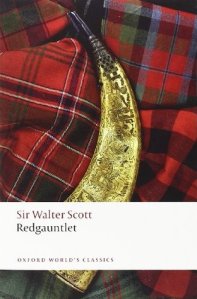
In Redgauntlet by Sir Walter Scott (4), Darsie Latimer and his friend, Alan Fairford, find themselves caught up in a fictional third Jacobite Rebellion. Told through a mixture of letters, diary entries and first person narratives, this is an entertaining read but knowing that the rebellion never actually happened took away some of the suspense. The novel also features a ghost story called Wandering Willie’s Tale – it’s worth reading Redgauntlet for this story alone!

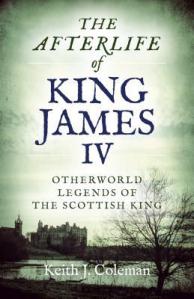
This same ghost story is one of several myths and legends explored in The Afterlife of King James IV by Keith J Coleman (5), a non-fiction book about the death of the Scottish King who was killed at the Battle of Flodden in 1513. Before I read this book I’d had no idea there were so many conspiracy theories surrounding the fate of James IV, most of which seem to have arisen from the fact that the body removed from the battlefield was not wearing a chain the king was known to have worn around his waist. In the book, Coleman examines some of these theories as well as discussing the ghostly apparitions and prophecies said to have predicted the outcome of the battle.

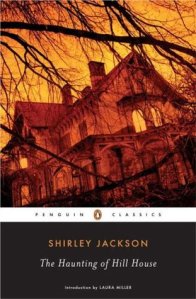
Staying with the ghostly theme, I’m able to bring the chain full circle by linking to another Shirley Jackson book, The Haunting of Hill House (6). I didn’t enjoy this one as much as We Have Always Lived in the Castle, the only other Jackson novel I’ve read, but I did love the ambiguity of the story: how much of the ghostly activity at Hill House is real and how much is in the mind of the protagonist? It’s not a typical haunted house story and leaves you with a lot to think about.

~

And that’s my chain for October! My links included lotteries, towers, the Russian firebird, Jacobite Rebellions, Wandering Willie and ghostly phenomena.

In November we’ll be starting with What Are You Going Through by Sigrid Nunez.