Diary of a Pilgrimage by Jerome K. Jerome

I ought, of course, to sit down in front of this diary at eleven o’clock at night, and write down all that has occurred to me during the day. But at eleven o’clock at night, I am in the middle of a long railway journey, or have just got up, or am just going to bed for a couple of hours. We go to bed at odd moments, when we happen to come across a bed, and have a few minutes to spare. We have been to bed this afternoon, and are now having another breakfast; and I am not quite sure whether it is yesterday or to-morrow, or what day it is.
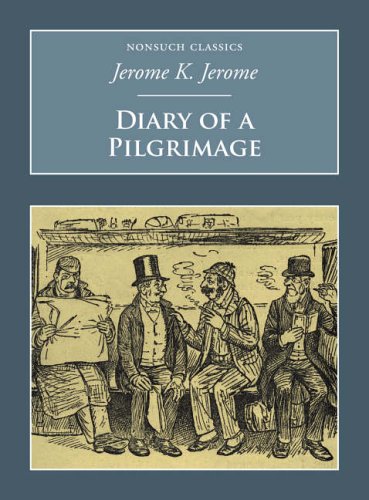
Jerome K. Jerome’s hilarious Three Men in a Boat is one of my favourite novels from the late Victorian period. I have since tried several of his other books – Three Men on the Bummel, The Idle Thoughts of an Idle Fellow and now this one, Diary of a Pilgrimage – hoping to find another one as good, and although I’ve found them slightly disappointing in comparison, they are still amusing and entertaining. His books also tend to be much shorter than the average Victorian classic and are perfect if you need something light and uplifting between longer, more challenging reads.

Diary of a Pilgrimage, first published in 1891, is very similar to the Three Men books in structure and style. Our narrator, J, is off on his travels again, this time on a ‘pilgrimage’ to Germany to see the famous Passion Play at Oberammergau, a performance which has been regularly taking place there since the 17th century. Accompanied by his friend, known only as B, J travels first from London to Dover, then across the English Channel to Ostend and on to their destination by train. Along the way they stay in several hotels, visit some places of interest including Cologne Cathedral and, of course, find themselves in plenty of ridiculous and embarrassing situations.

Only a short section of the book is devoted to the Passion Play itself because, as J tells us, it has already been written about many times before. He spends much more time describing the places they pass through on the journey, the funny things that happen to them and the people they meet – such as the very boring man who never stops talking:

After the dog story, we thought we were going to have a little quiet. But we were mistaken; for, with the same breath with which he finished the dog rigmarole, our talkative companion added:

“But I can tell you a funnier thing than that -”

We all felt we could believe that assertion. If he had boasted that he could tell a duller, more uninteresting story, we should have doubted him; but the possibility of his being able to relate something funnier, we could readily grasp.

But it was not a bit funnier, after all. It was only longer and more involved. It was the history of a man who grew his own celery; and then, later on, it turned out that his wife was the niece, by the mother’s side, of a man who had made an ottoman out of an old packing-case.

A lot of J’s anecdotes involve his struggles to make himself understood in various foreign languages (he finds it particularly difficult to order an omelette) and the cultural differences he notices between Germany and England. The train journey also poses lots of problems, such as buying the right tickets, finding that other passengers have taken the best seats, and trying to interpret confusing timetables:

“Drat this 1.45! It doesn’t seem to go anywhere. Munich depart 1.45, and that’s all. It must go somewhere!”

Apparently, however, it does not. It seems to be a train that starts out from Munich at 1.45 and goes off on the loose. Possibly, it is a young, romantic train, fond of mystery. It won’t say where it’s going to. It probably does not even know itself. It goes off in search of adventure.

“I shall start off,” it says to itself, “at 1.45 punctually, and just go on anyhow, without thinking about it, and see where I get to.”

Diary of a Pilgrimage is not what I would describe as a ‘must-read classic’ but it’s a bit of light-hearted fun, which I think we all need now and then!
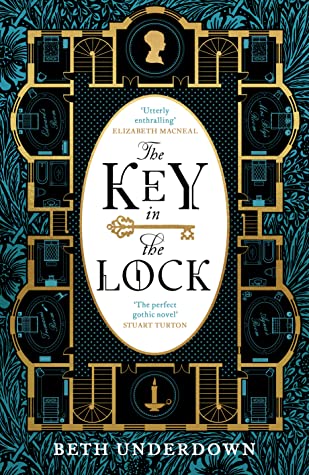
The Key in the Lock by Beth Underdown

The Key in the Lock is Beth Underdown’s second novel. Her first, The Witchfinder’s Sister, was a fascinating historical novel set during the Manningtree witch trials of 1645; this new book sounded very different, but I still wanted to give it a try.

The novel opens in 1918, with Ivy Boscawen trying to come to terms with the death of her son, Tim, shot dead in the trenches of the Western Front. Ivy is desperate to know exactly what happened to Tim, but after speaking to some of his fellow soldiers what she discovers about her son’s death makes her feel even more distressed. Worse still, the loss of Tim triggers memories of another boy, William Tremain, who died thirty years earlier in a fire at the Great House in Polneath, Cornwall. Ivy, whose father was the Polneath doctor at the time, has been haunted by William’s tragic death ever since and has never been able to shake off her feelings of guilt about her actions in the aftermath of the fire.

With Ivy as the narrator, the novel moves back and forth in time between 1918 and 1888, gradually shedding light on the mysteries surrounding both deaths. Family secrets are uncovered, wills are read, inquests are held, clandestine meetings take place and identities are revealed – yet this is not really the exciting, suspenseful Gothic novel I had been hoping for. It moves along at a very slow pace and although I was enjoying it enough to want to read on to the end, I never felt fully engaged with either the plot or the characters.

There is an advantage to the slow pace, however, which is that it gives the reader a chance to try to solve some of the mysteries and guess some of the secrets before Ivy does. It’s a complex story, with lots of pieces that only begin to fall into place towards the end and there were points where I felt confused, particularly as the two timelines often seem to merge together. A chapter heading may indicate that we are in 1918, but after a few paragraphs Ivy starts to remember the events of 1888 again and it’s not always clear which period we are reading about. Also, the ‘key in the lock’ of the title turns out to be several keys to several locks in several doors and I struggled to keep track of the significance of them all.

I did like the atmosphere Beth Underdown creates and the attention to period detail; I never felt that the language or attitudes were too modern. She also writes very convincingly about Ivy’s grief for her lost son, her sense of guilt over what happened at the Great House, and the terrible misunderstandings and assumptions that have persisted for thirty years. It’s a very sad story, where lives are taken too early, acts of kindness go unappreciated until it’s almost too late and wicked deeds go unpunished for too long. An interesting read, but with a tighter focus I think it could have been a much better book.

Thanks to Pigeonhole for the opportunity to read this book.

This is book 1/50 read for the Historical Fiction Reading Challenge 2022.

Top Ten Tuesday: Most Recent Additions to my Book Collection

This week’s Top Ten Tuesday (hosted by That Artsy Reader Girl) asks us for the ten most recent additions to our book collections.

Here are mine:

1. The Wolf Den by Elodie Harper – I’ve seen this novel set in ancient Pompeii mentioned on a lot of best of 2021 lists, so I’ve added it to my TBR.

2. The Appeal by Janice Hallett – I am currently reading Janice Hallett’s new mystery novel, The Twyford Code, and before I was even halfway through I knew I wanted to read her previous book too. The Appeal sounds just as good, so I have high hopes for it.

3. Go Tell the Bees That I am Gone by Diana Gabaldon – I loved the earlier books in Diana Gabaldon’s Outlander series but have been disappointed with the more recent ones. Still, having come this far with the series I am committed to finishing it now! This is the ninth and newest book, which was published just before Christmas.

4. The Story of the British Isles in 100 Places by Neil Oliver – This was an unexpected Christmas present. I’ve seen some very positive reviews of this guide to one hundred of Britain’s historic sites, so I’ll look forward to dipping into it soon.

5. The Inugami Curse by Seishi Yokomizo – My favourite of several Japanese crime authors I’ve tried over the last few years. I enjoyed The Honjin Murders and The Village of Eight Graves and am looking forward to meeting detective Kosuke Kindaichi again in this one.

6. The Dark Queens by Shelley Puhak – The most recent book I received for review via NetGalley. This is a biography of two Early Medieval French queens, Brunhild and Fredegund. I know nothing at all about these queens or the Merovingian dynasty they belonged to, so I think this will be a fascinating read.

7. Traitor in the Ice by KJ Maitland – This is the second book in Maitland’s Daniel Pursglove mystery series, after last year’s The Drowned City. The series is set in the 17th century and follows Pursglove’s attempts to uncover a Catholic conspiracy.

8. The Fugitive Colours by Nancy Bilyeau – Another NetGalley book. This is a sequel to Bilyeau’s The Blue, which I really enjoyed, and continues the story of Genevieve Planché, a young Huguenot woman in the 18th century.

9. In a Lonely Place by Dorothy B Hughes – Two of Hughes’ other novels have won places on my best books of the year lists in both 2021 and 2020. I’m hoping this will be another one that I’ll love!

10. The Sugar Pavilion by Rosalind Laker – This was a free Kindle book listed in a recent Lume Books newsletter. I have enjoyed some of Rosalind Laker’s books but others not so much, so I’ll see what I think of this one, set during the French Revolution.

~

Have you read any of these? What are the most recent additions to your book collection?

Historical Musings #70: My Year in Historical Fiction – 2021

Welcome to my monthly post on all things historical fiction. For my first Musings post of the year, I am looking back at the historical fiction I read in 2021 and have put together my usual selection of charts and lists! I have kept the same categories I’ve used for the previous five years so that it should be easy to make comparisons and to see if there have been any interesting changes in my reading patterns and choices (my 2020 post is here, 2019 here, 2018 here, 2017 here and 2016 here).

Before I begin, just a reminder that I do actually read other genres but haven’t included those books in these stats!

~

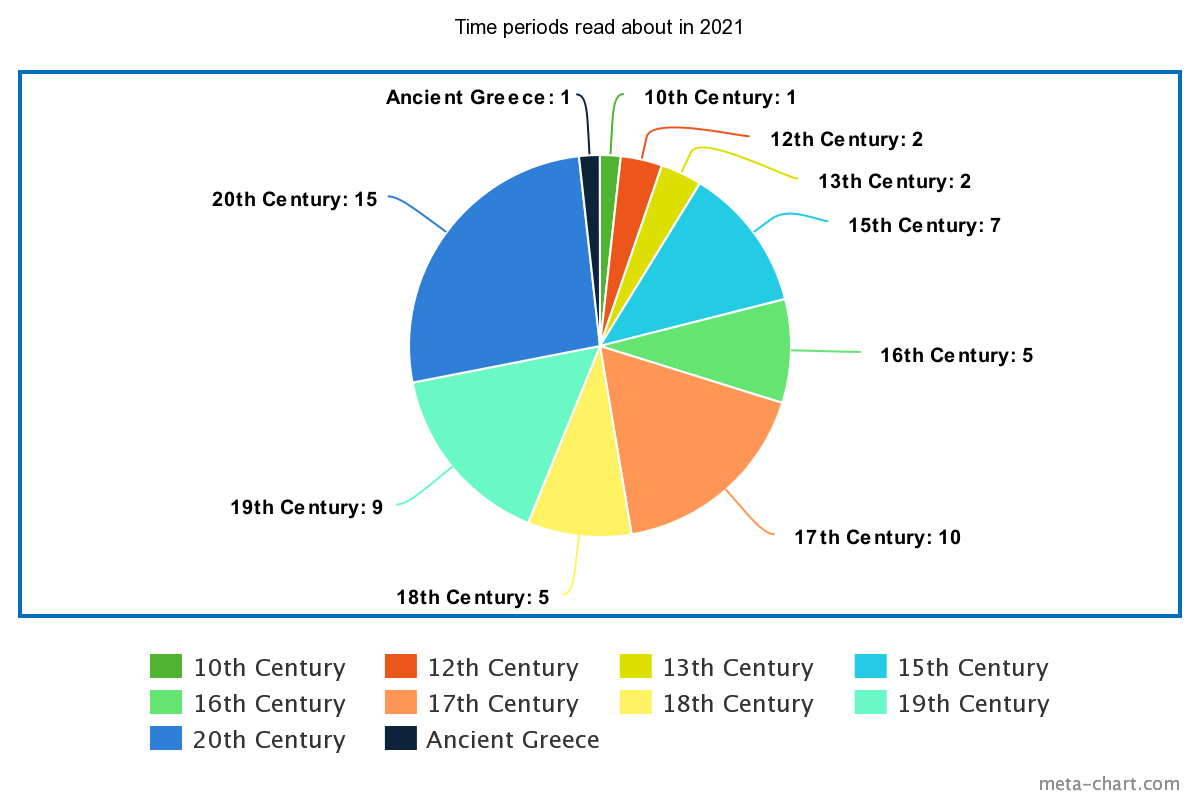
Time periods read about in 2021

In 2020, the 17th century was the most popular time period for my historical fiction reading; I still read a lot of 17th century novels in 2021, but the 20th century was the clear winner this time.

Of the 15 books I read set in the 20th century, 7 took place during World War II, one during World War I and the rest in other decades.

~

39% of the historical fiction authors I read in 2021 were new to me.

This is more than the previous year’s 32%, but obviously I’m still most drawn to books by authors I’ve previously read and enjoyed.

Here are three books I’ve read by new-to-me historical fiction authors in 2021:

Red Adam’s Lady by Grace Ingram
Cecily by Annie Garthwaite
Fallen by Lia Mills

~

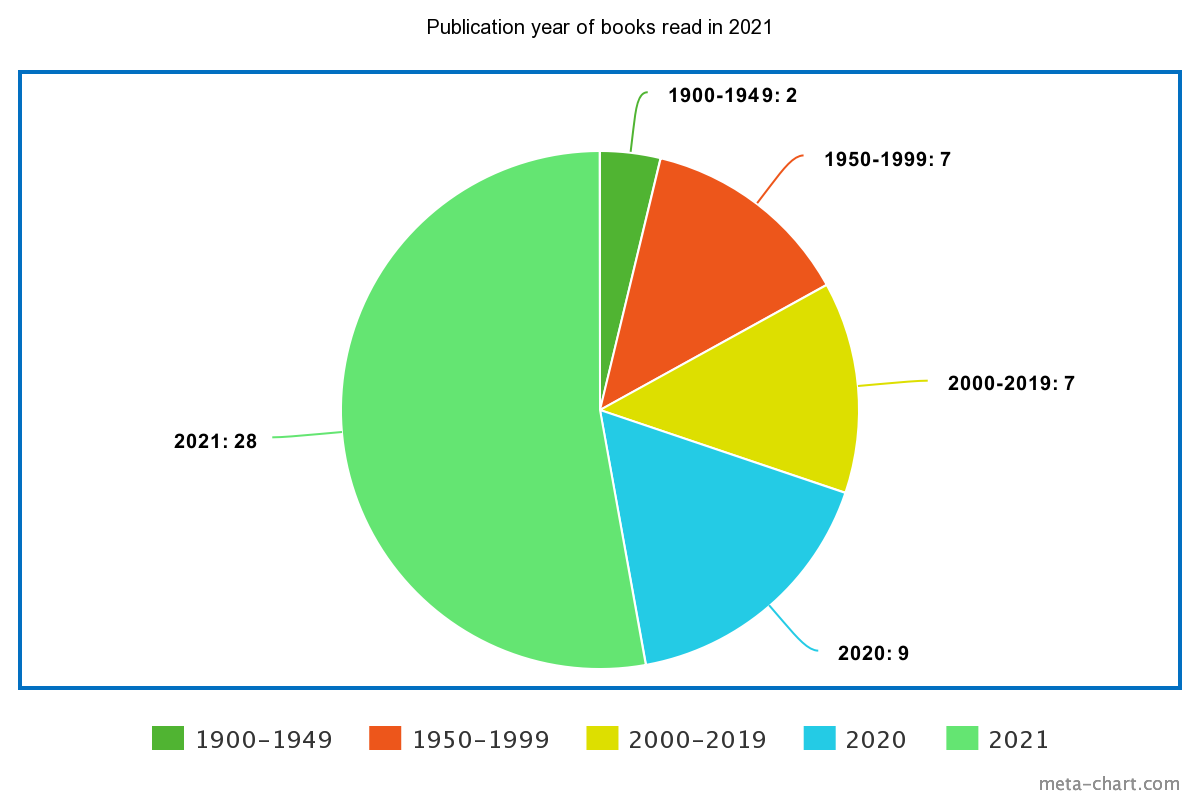
Publication dates of books read in 2021

I’m still mostly reading new or recently released historical fiction, which is due mainly to the temptations of NetGalley. I really want to read more older books this year.

The two oldest historical fiction novels I read in 2021 were St Martin’s Summer by Rafael Sabatini (1909) and I Will Repay by Baroness Orczy (1906).

~

10 of my historical reads in 2021 were historical mysteries.

Here are three of the historical mysteries I read last year:

Black Drop by Leonora Nattrass
The Royal Secret by Andrew Taylor
Rags of Time by Michael Ward

~

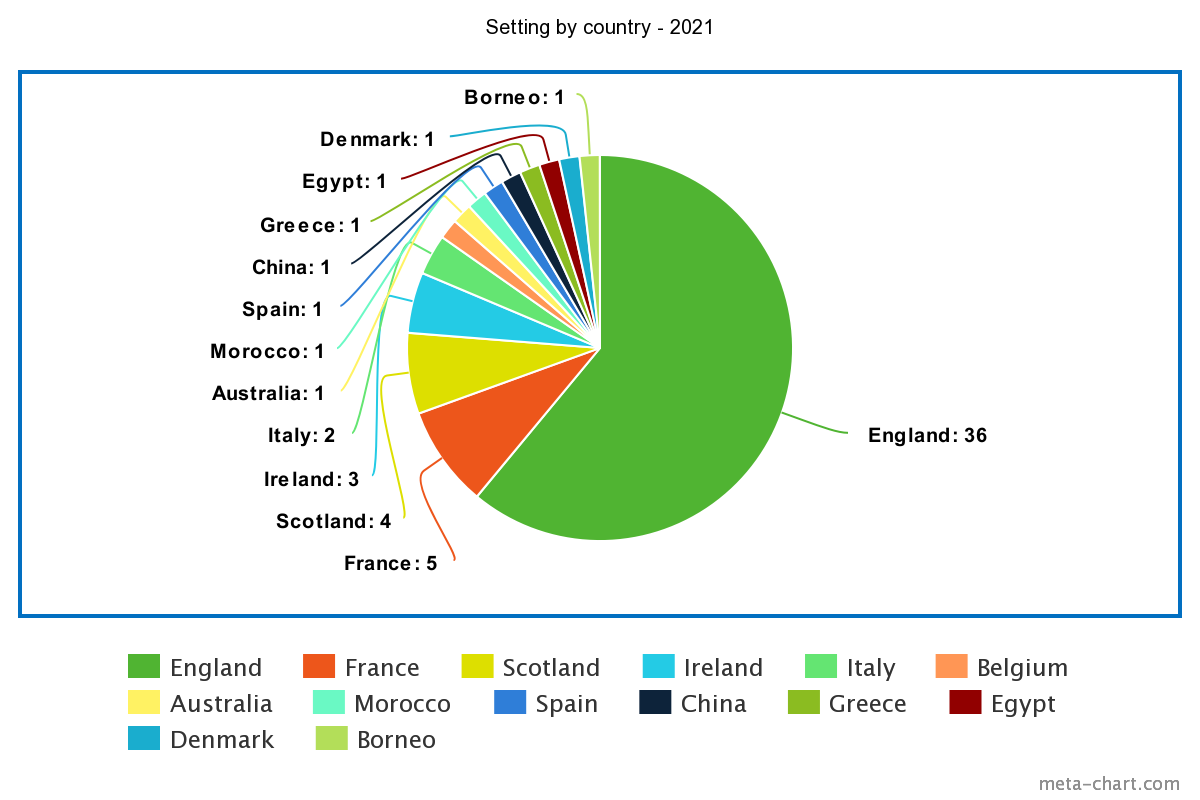
I read historical fiction set in 14 different countries in 2021.

I’m disappointed with this, as 14 is the smallest number of countries I’ve read about in my yearly historical fiction reads since 2017. As usual, more than half of the books I read were set in my own country, England, but France, Scotland and Ireland were the next most popular settings. I say this every year, but I’m determined to read about a wider range of countries in 2022!

Three books I read last year set in countries other than my own:

The Country of Others by Leïla Slimani (Morocco)
Ashes by Christopher de Vinck (Belgium)
Still Life by Sarah Winman (Italy)

~

Four historical men I read about in 2021:

John Milton (The Protector by SJ Deas)
William Fowler (Rose Nicolson by Andrew Greig)
Baldwin IV of Jerusalem (The Land Beyond the Sea by Sharon Penman)
William de Valence (A Marriage of Lions by Elizabeth Chadwick)

Four historical women I read about in 2021:

Margaret Mautby Paston (The Royal Game by Anne O’Brien)
Frances Griffiths (The Cottingley Secret by Hazel Gaynor)
Katharine Parr (Katharine Parr, the Sixth Wife by Alison Weir)
Frances Cromwell (The Puritan Princess by Miranda Malins)

~

What about you? Did you read any good historical fiction last year? Have you read any of the books or authors I’ve mentioned here and have you noticed any patterns or trends in your own reading?

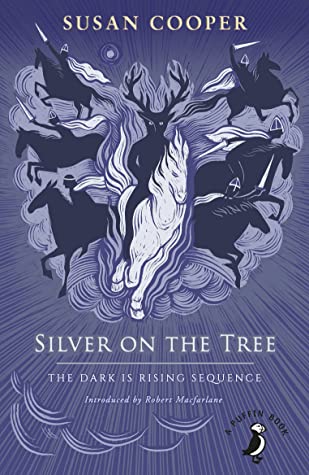
Silver on the Tree by Susan Cooper

Silver on the Tree is the fifth and final book in Susan Cooper’s The Dark is Rising sequence and although I’m sorry to have come to the end of the series, I enjoyed every minute of it. This particular novel is the perfect finale, bringing together all the characters and storylines from the first four books as we head towards the great, decisive battle between the forces of the Dark and the Light. If you are new to the series, I would recommend starting with the first book, Over Sea, Under Stone; don’t start with this one, or I think you’ll be very confused!

Silver on the Tree, like the previous book The Grey King, is set mostly in Wales, where Will Stanton and his friend Bran Davies are searching for the mysterious Lady who holds the knowledge that will set the final part of their quest in motion.

‘Until the Lady comes,’ Merriman said. ‘And she will help you to the finding of the sword of the Pendragon, the crystal sword by which the final magic of the light shall be achieved, and the Dark put at last to flight. And there will be five to help you, for from the beginning it was known that six altogether, and six only, must accomplish this long matter. Six creatures more and less of the earth, aided by the six Signs’.

Will and Bran, together with their wise, elderly mentor Merriman Lyon, make up three of the six who are needed to complete the quest. The other three are Simon, Jane and Barney, the Drew children who appeared in some of the earlier novels and who happen to be visiting Wales with their parents. The six are soon united and each has a part to play in the adventures to come.

The Arthurian elements which were introduced in the previous books are stronger here – we finally meet King Arthur himself; there’s a glimpse of the Battle of Badon, the conflict between the Britons and Anglo-Saxons in which he was said to be involved; and there are appearances by other characters who sometimes appear in Arthurian legend, such as Gwion (or Taliesin) the bard. Welsh folklore also plays a part and the children have some chilling encounters with creatures such as the afanc, a Welsh lake monster, and a terrifying horse known as the Mari Lwyd! These are both used as agents of the Dark, along with the more commonplace but equally sinister (in this context) black mink and polecat.

The fantasy sequences in the novel are very well done, particularly an episode where Will and Bran travel through the Lost Lands in search of the crystal sword and meet the legendary king, Gwyddno Garanhir. Meanwhile, the Drew children find themselves transported through time, to a 19th century shipyard and then to the Welsh stronghold of Owain Glyndwr. Back in the ‘real world’, we are reacquainted with the other members of the Stanton family, mainly Will’s brothers, Stephen and James, who have an unpleasant encounter with a racist bully. This part of the story felt out of place at first, but I think it was intended to show how the Dark can find its way into the world through those who are susceptible to evil. Will reflects later that maybe ‘the Dark can only reach people at extremes – blinded by their own shining ideas, or locked up in the darkness of their own heads’.

I still have the same complaint I had after reading some of the previous books – that the tasks are solved too easily and the correct solutions just ‘come’ to Will and the others without them having to put too much effort into it. However, I know this series is intended for younger readers, so maybe I was expecting too much. Apart from that, I loved Silver on the Tree and the whole of The Dark is Rising and just wish I could have discovered these books as a child!

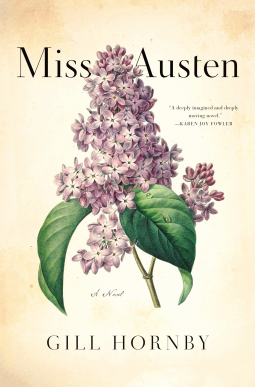
Miss Austen by Gill Hornby

The final book I read in 2021 was one that I very much enjoyed: Gill Hornby’s Miss Austen. The title character is not, as you might expect, the famous novelist Jane Austen, but her elder sister Cassandra. Cassandra, who outlived Jane by nearly thirty years, is known to have burned many of her sister’s letters, although we don’t know exactly why she did this. In this fictional version of Cassandra Austen’s story, Hornby explores a possible reason for the destruction of the letters, while also giving us a glimpse into the lives of Cassandra, Jane and the rest of the Austen family.

The novel opens in 1840 with Cassandra, now an elderly woman, arriving at Kintbury, home of the Fowles, the family of her long-dead fiancé. Following the death of the Reverend Fowle, his daughter Isabella has been left to pack up her parents’ belongings so that a new reverend can move in. Cassandra believes that the letters she and Jane wrote to their friend Eliza Fowle (Isabella’s mother) must still be in the house somewhere and she is determined to find them and remove them before they can be made public.

The story unfolds through the letters Cassandra discovers at Kintbury (not the real letters, of course, as they were destroyed) and through Cassandra’s memories of her younger days. The narrative moves back and forth in time as she remembers the loss of Tom Fowle, the man she should have married, her relationship with Jane and the lives they both led as single women. In the 1840s storyline, we also get to know Isabella, another spinster, and this provides some further insights into what it means to be an unmarried woman in the early 19th century: the lack of security; the pressures created by failing to conform to society’s expectations; and the feeling of being a burden to other family members.

This is a quiet, domestic novel, but I was never bored. There is an authentic period feel and although Hornby doesn’t try to imitate Jane Austen’s writing exactly, the language used generally feels suitable for the time. I enjoyed the occasional references to Jane’s novels, some of which we see her working on and others which the characters read to each other for entertainment. There’s an interesting suggestion that Jane based Mary Bennet in Pride and Prejudice on her sister-in-law, Mary Austen. Most of all, I enjoyed learning a little bit about Cassandra and the world in which she lived.

I had never come across Gill Hornby before, but it seems that not only is she the sister of the writer Nick Hornby, she is also married to one of my favourite authors, Robert Harris! Her earlier novels sound very different and don’t really appeal to me, but I’ve discovered that she has a new book out later this year – Godmersham Park, about a governess in the Austen household. I will be looking out for that one.

Six Degrees of Separation: From Rules of Civility to Giant’s Bread

It’s the first Saturday of the month – and of 2022 – which means it’s time for another Six Degrees of Separation, hosted by Kate of Books are my Favourite and Best. The idea is that Kate chooses a book to use as a starting point and then we have to link it to six other books of our choice to form a chain. A book doesn’t have to be connected to all of the others on the list – only to the one next to it in the chain.

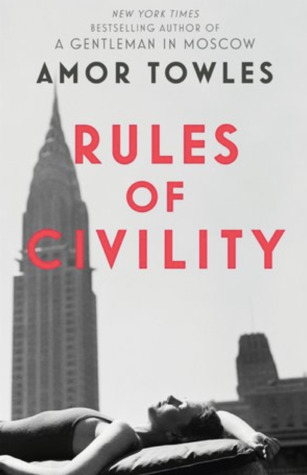
This month we are starting with Rules of Civility by Amor Towles. I haven’t read it, but I did enjoy Towles’ A Gentleman in Moscow, so maybe I should try this one. Here’s what it’s about:

This sophisticated and entertaining first novel presents the story of a young woman whose life is on the brink of transformation. On the last night of 1937, twenty-five-year-old Katey Kontent is in a second-rate Greenwich Village jazz bar when Tinker Grey, a handsome banker, happens to sit down at the neighboring table. This chance encounter and its startling consequences propel Katey on a year-long journey into the upper echelons of New York society — where she will have little to rely upon other than a bracing wit and her own brand of cool nerve. With its sparkling depiction of New York’s social strata, its intricate imagery and themes, and its immensely appealing characters, Rules of Civility won the hearts of readers and critics alike.

~

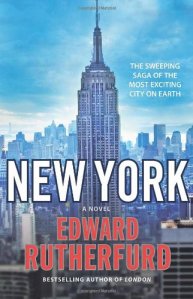
I had trouble getting started with this month’s chain, but finally settled on New York as my first link. I can think of several books I’ve read that are set in New York, but I’ve chosen the most obvious one: New York by Edward Rutherfurd (1). This very long but fascinating novel tells the story of New York from its early years as a 17th century Dutch trading post right through to the present day, exploring some of the key events and important historical figures from the city’s history.

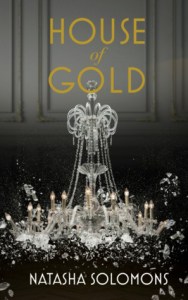
In New York, Rutherfurd focuses on several generations of one fictional family, the Masters, who are merchants and bankers. Another novel about a banking family is House of Gold by Natasha Solomons (2). The family in this book, which is set in Europe before and during World War I, are the Goldbaums, who are fictional but loosely based on the real-life Rothschilds. I really enjoyed this one and am looking forward to reading more of Natasha Solomons’ books (I have only read this one and The Novel in the Viola so far).

Gold makes me think of silver and leads me to The Silver Pigs by Lindsey Davis (3), the first book in the Marcus Didius Falco mystery series. This book is set in Rome and Britannia in the year 70 AD and follows Falco as he investigates a conspiracy involving a secret stockpile of silver ingots known as ‘silver pigs’. Ancient Rome is not one of my favourite historical periods and I wasn’t thrilled with the audiobook version I listened to either, but I found it interesting enough to want to continue with the series (in print format, I think).

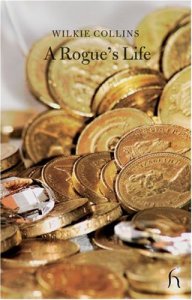
The Silver Pigs has a silver coin on the cover. Using that as my next link takes me to the Hesperus Press edition of A Rogue’s Life by Wilkie Collins (4), which has lots of coins on the cover. Collins is one of my favourite Victorian authors and although this novella-length book about the money-making schemes of a loveable young rogue is not the best example of his work, I still thought it was a lot of fun to read.

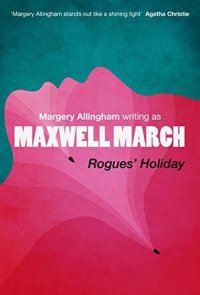
The word ‘rogue’ brings me to my next book, Rogues’ Holiday by Maxwell March (5). This book is great fun too; first published in 1935, it’s a thriller in which a Scotland Yard Inspector stumbles upon a group of criminals while taking a two-week break in a seaside hotel. Maxwell March is a pseudonym of Margery Allingham, the Golden Age crime novelist best known for her Albert Campion mystery series.

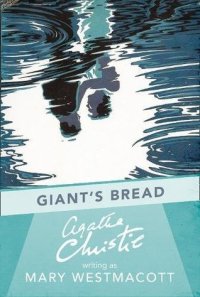
Agatha Christie was another Golden Age Queen of Crime who wrote under a pseudonym. Giant’s Bread (6) is one of six novels published under the name Mary Westmacott. I found this story about a young man’s love of music entirely different from Christie’s detective novels, but just as enjoyable in its own way. I’m sure I’ll be reading more of her Mary Westmacott books.

~

And that’s my first chain of the year! My links this month included: New York, bankers, precious metals, coins, rogues and authors with pseudonyms.

In February we will be starting with No One Is Talking About This by Patricia Lockwood.