Top Ten Tuesday: From One to Ten

This week’s topic for Top Ten Tuesday (hosted by Jana at That Artsy Reader Girl) is “Books with Numbers in the Title”. I’m sure a similar topic has come up before, but I didn’t take part that time so thought I’d join in today – and to make things more difficult, I have chosen a different title for each number from one to ten and have only used books that I have read and reviewed!

One Night in Winter by Simon Sebag Montefiore – There were a few books I could have used for number one, but I’ve chosen this thriller set in Stalin’s Moscow at the end of World War II and based on a true story.

Two on a Tower by Thomas Hardy – This is a lesser known Hardy novel, but I still really enjoyed this story of Lady Viviette Constantine and her love for the young astronomer, Swithin St Cleeve.

Three Singles to Adventure by Gerald Durrell – I avoided the more obvious choices here, such as The Three Musketeers and Three Men in a Boat and went with this non-fiction account of Durrell’s expedition to Guyana in 1950. I loved the descriptions of the animals and birds he finds there and the funny anecdotes about things that happen to Durrell and his companions during the journey.

The Four Emperors by David Blixt – Ancient Rome has never been one of my favourite periods to read about, but this novel brought to life the Rome of AD 69, the year in which four different emperors ruled in quick succession.

Five Little Pigs by Agatha Christie – This 1942 Poirot mystery is slightly unusual in that Poirot is trying to solve a crime that took place many years before the story begins. It’s one of several Christie novels with a title based on a children’s rhyme!

Daisy Jones and the Six by Taylor Jenkins Reid – I didn’t think this would be my kind of book, but I enjoyed it much more than I expected to. Written in a documentary style, it tells the story of a fictional 1970s rock band.

The Seven Sisters by Lucinda Riley – I had several choices for number seven too, but I decided on this one, the first in Lucinda Riley’s Seven Sisters series. Each book in the series tells the story of one of seven adopted sisters and in this first novel we meet the eldest, Maia, as she traces her family history back to Brazil during the creation of the statue of Christ the Redeemer.

Around the World in Eighty Days by Jules Verne – I’m cheating slightly here as I don’t seem to have read any books with ‘eight’ in the title. Anyway, I enjoyed this classic tale of a man who sets out to prove that it’s possible to travel round the entire world in eighty days – although it seemed such a waste to visit so many different countries and not have time to actually explore any of them!

Nine Coaches Waiting by Mary Stewart – I love Mary Stewart! This wonderful Gothic suspense novel set in France was the first of her books that I read and probably still my favourite.

Ten-Second Staircase by Christopher Fowler – This is the fourth novel in Fowler’s Bryant and May series about a pair of elderly detectives who work for the Peculiar Crimes Unit. In this book, Arthur Bryant and John May are on the trail of a mysterious serial killer dressed as an 18th century highwayman.

~

Have you read any of these books? Could you put your own ‘one to ten’ together?

Historical Musings #68: Historical fiction in translation

Welcome to this month’s post on all things historical fiction.

August was Women in Translation Month, a popular event in the book blogging calendar, and although I was only able to join in with one book – The Country of Others by Leïla Slimani, set in Morocco in the 1940s and 50s – I thought it would be interesting for this month’s Musings to look at some of the other historical fiction novels I have read in translation. I’ve read plenty of older classics, many of which I’ve reviewed on my blog, but sadly very few recent books published within the last ten years or so. Here is everything I could find in my blog archives, although I might have missed one or two (and for the purposes of this list, I am referring to books that have been translated from their original language into English, not from English into other languages):

French to English:

Maurice Druon – The Accursed Kings series (translated by Humphrey Hare)
Alexandre Dumas – The Three Musketeers and sequels (translated by William Barrow); The Black Tulip (Franz Demmler); The Red Sphinx (Lawrence Ellsworth)
Victor Hugo – The Hunchback of Notre-Dame (translated by Isabel F. Hapgood); Les Miserables (Norman Denny)
Madame de Lafayette – The Princess of Cleves (unknown translator)
Robert Merle – The Brethren (translated by T Jefferson Kline)
George Sand – Mauprat (translated by Stanley Young)
Olivier Barde-Cabuçon – Casanova and the Faceless Woman (translated by Louise Rogers Lalaurie)
Leïla Slimani – The Country of Others (translated by Sam Taylor)

Italian to English:

Umberto Eco – The Name of the Rose (translated by William Weaver)
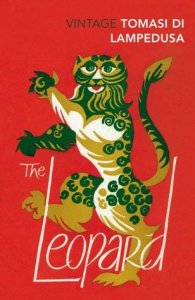
Giuseppe Tomasi di Lampedusa – The Leopard (translated by Archibald Colquhoun)

German to English:

Oliver Pötzsch – The Beggar King (translated by Lee Chadeayne)

Norwegian to English:

Lars Mytting – The Bell in the Lake (translated by Deborah Dawkin)
Sigrid Undset – Kristin Lavransdatter (translated by Tiina Nunnally)

Catalan to English:

Rafel Nadal Farreras – The Last Son’s Secret (translated by Mara Faye Lethem)

Spanish to English:

Isabel Allende – The Japanese Lover (translated by Nick Caistor and Amanda Hopkinson); A Long Petal of the Sea (Caistor and Hopkinson)

Russian to English:

Boris Pasternak – Doctor Zhivago (translated by Max Hayward and Manya Harari)
Leo Tolstoy – War and Peace (translated by Pevear and Volokhonsky)

Dutch to English:

Hella S Haasse – In a Dark Wood Wandering (translated by Lewis C Kaplan)
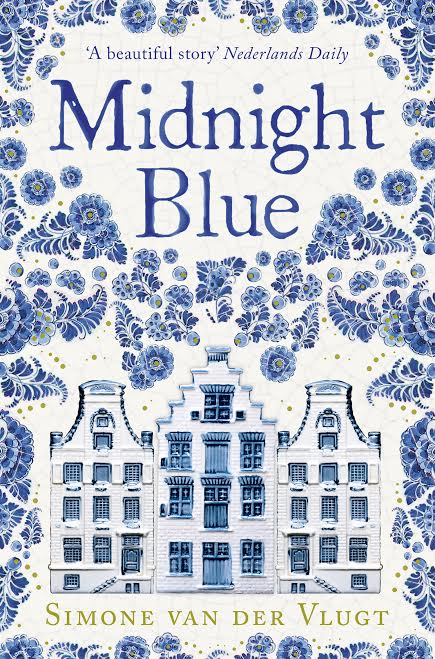
Simone van der Vlugt – Midnight Blue (translated by Jenny Watson)

~

Have you read any of these? Can you recommend any other historical fiction novels in translation, particularly anything recent?

There’s a Goodreads list here with 295 books and an interesting article here on the particular challenges of translating historical fiction.

~

My current historical reading:

I have just finished two novels, both long ones which have occupied most of my reading time for the last couple of weeks: Katharine Parr, the Sixth Queen by Alison Weir and Daughters of War by Dinah Jefferies. I’m also in the middle of an even longer non-fiction book, Powers and Thrones by Dan Jones, which is fascinating but has a lot of information to take in and absorb. As I wanted something lighter to read alongside this, I have just started The Mummy Case by Elizabeth Peters, the third book in her Amelia Peabody mystery series featuring a female Victorian Egyptologist. It will count towards the RIP XVI challenge. After this, I have review copies of two new September releases which I would like to read before the end of the month: The Royal Game by Anne O’Brien and A Marriage of Lions by Elizabeth Chadwick.

New to my historical TBR in the last few weeks:

The Splendour Before the Dark by Margaret George, the sequel to The Confessions of Young Nero, which I read a few years ago, and Pour the Dark Wine by Deryn Lake, a novel about the Seymour family (the ebook was free on Amazon last week). Also, The Vanished Days by Susanna Kearsley and Theatre of Marvels by Lianne Dillsworth, both via NetGalley and due to be published in 2022.

~

Have you read any good historical novels lately? And what are your thoughts on historical fiction in translation?

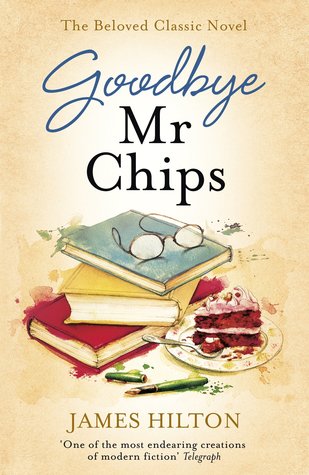
Goodbye, Mr Chips by James Hilton

Since reading James Hilton’s Lost Horizon, which I loved, I have wanted to try more of his work – and although it’s taken me a few years, I’ve finally read another of his books! If I’d known how short Goodbye, Mr Chips was I would have tried to read it before now; there are only about 120 pages in my edition, so it’s a very quick read.

Before starting the book, I thought I already knew the story because I’ve seen two of the adaptations – the 1939 one and the 1969 musical version (both of which I enjoyed). The earlier film is much more faithful to the book, but neither follow the original story exactly and there are incidents in both that don’t appear in Hilton’s text. The novella tells the story of Mr Chipping, a quiet, unassuming teacher, and follows his career at the fictional Brookfield School over a period of many decades. Chipping – or Mr Chips as the boys call him – teaches Greek and Latin and, as the years go by and the world begins to change around him, he gains a reputation for being old-fashioned and traditional, reluctant to embrace new teaching methods and belonging to an earlier time. We first meet him as an old man – the sort of old man people struggle to imagine ever being young:

…white-haired and only a little bald, still fairly active for his years, drinking tea, receiving callers, busying himself with corrections for the next edition of the Brookfeldian Directory, writing his occasional letters in thin, spidery, but very legible script. He had new masters to tea, as well as new boys. There were two of them that autumn term, and as they were leaving after their visit one of them commented: “Quite a character, the old boy, isn’t he? All that fuss about mixing the tea — a typical bachelor, if ever there was one.”

Of course, Mr Chips was young once and the boys would have been surprised to learn that he wasn’t always a bachelor. Back in 1896, at the age of forty-eight he had married Katherine Bridges – and although their time together was tragically short, Katherine’s kind heart and sense of humour had a profound effect on Chips, leaving him a better person and changing his outlook on life.

The story is told in a series of flashbacks, with the elderly Mr Chips looking back on his life and career, remembering not only the happy days of his marriage to Katherine, but also the more difficult times he has lived through, such as the First World War. It’s a nostalgic and sentimental book, but quite a sad and poignant one too. I found it too short to be completely satisfying and I think this is one of the few occasions where I would say I preferred the film – either of them – to the book, but I did still enjoy it and am looking forward to reading Random Harvest, the other James Hilton novel I have on my TBR.

This is book 23/50 read from my second Classics Club list.

Carmilla by Sheridan Le Fanu

My first book for this year’s RIP challenge is Irish author Joseph Sheridan Le Fanu’s classic vampire novella, Carmilla. First published in 1872, it is thought to have influenced Bram Stoker’s Dracula, which came more than twenty years later, and is one of the earliest examples of vampire fiction (although John Polidori’s The Vampyre and Byron’s Fragment of a Novel were written earlier still).

My previous experience with Le Fanu has been limited to his Victorian Gothic novel, Uncle Silas, and one of his short stories, Laura Silver Bell, both of which I read ten years ago. I’ve always intended to read more of his work, so when I saw Carmilla available through NetGalley (a new Deluxe Edition is being published by Pushkin Press this week) it seemed the perfect opportunity.

The story is narrated by nineteen-year-old Laura, who lives in a lonely castle in Styria, Austria, with only her father and governesses for company. Laura longs for a friend her own age and it seems she may get her wish when a young woman is injured in a carriage accident near the castle. Her name is Carmilla and her mother, who is desperate to continue on her journey, asks Laura’s father to take care of her daughter until she returns. Laura is delighted to have Carmilla staying with them, but also feels uneasy, because she has seen Carmilla before – in a dream that has haunted her since her childhood.

As this is a very short book, if I say much more I will be giving away the entire plot – and anyway, as I’ve already said that this is a vampire novel, you can probably guess what Carmilla really is and how the rest of the story will unfold. For the modern day reader there are no big surprises here, although I’m sure that at the time when it was published, as one of the first of its kind, it would have felt much more original and shocking. However, there are still plenty of things that make this book an entertaining and worthwhile read.

First of all, it’s interesting to read Carmilla while keeping in mind its place in history and its influence on later vampire fiction – there are some very obvious similarities with Dracula and Anne Rice has cited it as an inspiration for her Vampire Chronicles. It can also be read as an early example of a lesbian romance; although the constraints of 19th century fiction prevent Le Fanu from being too explicit, the relationship between Laura and Carmilla is clearly based upon physical attraction and we learn that Carmilla always chooses young women as her prey. Finally, with its sinister atmosphere, remote castle setting and other elements of classic Gothic literature, it’s the perfect choice if you’re taking part in the RIP event or just looking for something dark and spooky to read as we head towards Halloween!

Thanks to Pushkin Press for providing a copy of this book for review via NetGalley.

Book 1 read for R.I.P XVI

Six Degrees of Separation: From Second Place to The Leopard

It’s the first Saturday of the month which means it’s time for another Six Degrees of Separation, hosted by Kate of Books are my Favourite and Best. The idea is that Kate chooses a book to use as a starting point and then we have to link it to six other books of our choice to form a chain. A book doesn’t have to be connected to all of the others on the list – only to the one next to it in the chain.

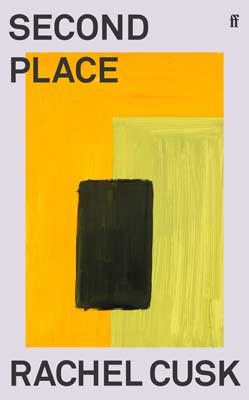
This month we’re beginning with Second Place by Rachel Cusk. I haven’t read it and probably never will, but here’s what it’s about:

A woman invites a famed artist to visit the remote coastal region where she lives, in the belief that his vision will penetrate the mystery of her life and landscape. Over the course of one hot summer, his provocative presence provides the frame for a study of female fate and male privilege, of the geometries of human relationships, and of the struggle to live morally between our internal and external worlds. With its examination of the possibility that art can both save and destroy us, Second Place is deeply affirming of the human soul, while grappling with its darkest demons.

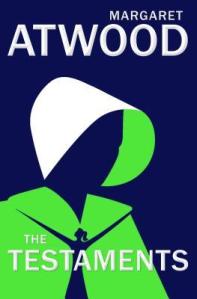
Second Place has been longlisted for this year’s Booker Prize. I haven’t read any of the other titles on the longlist either, although there are plenty of authors on there that I’ve read in the past such as Kazuo Ishiguro, Damon Galgut, Nadifa Mohamed and Francis Spufford. The last Booker Prize winner I read was The Testaments by Margaret Atwood (1), which shared the prize in 2019. It’s a sequel to her earlier novel, The Handmaid’s Tale, set in Gilead, a dystopian community ruled by a patriarchal regime.

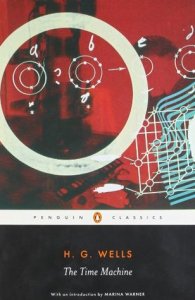
Gilead is a place I certainly wouldn’t want to live in. For a Top Ten Tuesday topic in 2018, I made a list of other unpleasant fictional worlds. One of these was ‘the future’, as described by HG Wells in his classic science fiction novel The Time Machine (2). The world Wells imagines, where humanity has evolved into the beautiful, childlike Eloi and the savage, brutal Morlocks is bleak and depressing, but difficult to forget once you’ve read it.

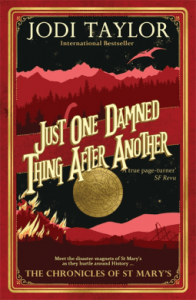
I think if I had my own time machine I would be too afraid to see what the future might hold, so I would prefer to visit the past. A book in which the characters use their time machines to travel back in time rather than forwards is Just One Damned Thing After Another by Jodi Taylor (3), the first of her Chronicles of St Mary’s. The series follows Madeleine Maxwell (known as Max), a time travelling historian who has some exciting adventures while personally experiencing some of the greatest events in history.

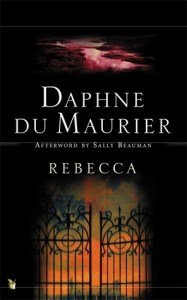
The name of the main character in the Jodi Taylor novel, Max, and the name of her mentor, Mrs de Winter, naturally makes me think of Max (or Maxim) de Winter in one of my favourite books, Rebecca by Daphne du Maurier (4). However, that’s where the similarities end because Taylor’s time travel novel has nothing else in common with du Maurier’s classic tale of Maxim’s young and innocent second wife, haunted by the memories of his first, whose presence is still felt throughout the estate of Manderley even after her death.

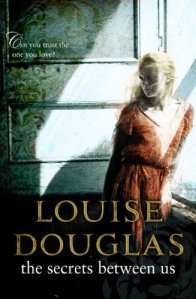
A novel that does closely mirror Rebecca is The Secrets Between Us by Louise Douglas (5). This modern Gothic novel tells the story of Sarah, who becomes housekeeper to Alex and his six-year-old son at their home, Avalon. But as Sarah begins to fall in love with Alex, she hears some disturbing rumours about his wife, Genevieve, who has disappeared without trace. I really enjoyed this book, with its twisting, turning plot, ghostly occurrences and dark, tense atmosphere.

Although most of the above book is set in England, Sarah and Alex first meet while on holiday in Sicily and Louise Douglas also uses Sicily as the setting for one of her later novels, The House by the Sea. Another, very different book set in Sicily is The Leopard by Giuseppe Tomasi di Lampedusa (6), which explores the 19th century Risorgimento (movement for the unification of Italy) through the eyes of a Sicilian nobleman, Don Fabrizio Corbera, Prince of Salina.

~

And that’s my chain for September. My links included: Booker Prize winners, unpleasant fictional worlds, time machines, Max and de Winter, books inspired by Rebecca and the island of Sicily.

In October, we will be starting with The Lottery, a short story by Shirley Jackson.

The Women of Troy by Pat Barker

After reading Pat Barker’s The Silence of the Girls a few years ago, I wasn’t really expecting a sequel, but here it is: The Women of Troy. I’m sure if you wanted to you could read this one as a standalone, but I would recommend reading both as this is a direct continuation of the first. Together, the two novels tell the story of the Trojan War and its aftermath.

The Silence of the Girls was based on the events of Homer’s Iliad; this second novel is set after the fall of Troy, when the victorious Greek invaders are stranded on the shore, waiting for the winds to change so that their ships can sail home. Trapped there with them are the Trojan women they have taken captive, some of whom were once queens and princesses but are now treated as slaves. Among them is Briseis, who had been taken by the great Greek warrior Achilles as a war prize and then married off to his friend Alcimus after Achilles’ death.

As in the previous novel, Briseis is our main narrator, but there are also some chapters written from other perspectives: Pyrrhus, the son of Achilles, desperate to prove himself as great as his father, and Calchas, a priest and prophet. One of my criticisms of The Silence of the Girls was that, despite the title, we only actually heard the voice of one girl, Briseis, while large sections of the book were written from the point of view of Achilles – and the title of The Women of Troy also seems slightly misleading, as we have two male perspectives and only one female. However, this time I felt that, at least through Briseis’ eyes, we do see more of the other women in the camp than we did in the first book. These include Hecuba, the former Queen of Troy and wife of the murdered King Priam; their daughter Cassandra, who has the gift – or curse – of prophecy; and Andromache, the widow of Hector who was killed by Achilles during the war. All of these women have interesting stories of their own, as well as now all sharing the same problem: how to cope with living amongst the men who destroyed their city.

Then – and now – people seem to take it for granted that I loved Achilles. Why wouldn’t I? I had the fastest, strongest, bravest, most beautiful man of his generation in my bed – how could I not love him?

He killed my brothers.

We women are peculiar creatures. We tend not to love those who murder our families.

As this entire novel is set during that period of waiting for the weather to change, it’s a slower paced and more character-driven story than the previous one. The plot, so much as there is one, revolves around the attempts of the Trojans to bury the body of their beloved King Priam, brutally killed by Pyrrhus and denied proper burial. Despite this, I still found the story quite gripping and enjoyed getting to know some of the women better. I’m wondering whether there will be a third book, as this one felt very like the middle book in a trilogy to me.

Thanks to Penguin UK for providing a copy of this book for review via NetGalley.

Book 40/50 read for the 2021 Historical Fiction Reading Challenge.

My Commonplace Book: August 2021 – and the end of 20 Books of Summer

A selection of words and pictures to represent August’s reading:

commonplace book
noun
a book into which notable extracts from other works are copied for personal use.

~

“Not by acquaintance only is it that we come to knowledge. There are ways of learning other than by the road of experience. One may learn of dangers by watching others perish. It is the fool who will be satisfied alone with the knowledge that comes to him from what he undergoes himself.”

St Martin’s Summer by Rafael Sabatini (1909)

~

The world’s wheel spins. The soft clay of the self spins with it, awaiting shaping hands.

Rose Nicolson by Andrew Greig (2021)

~

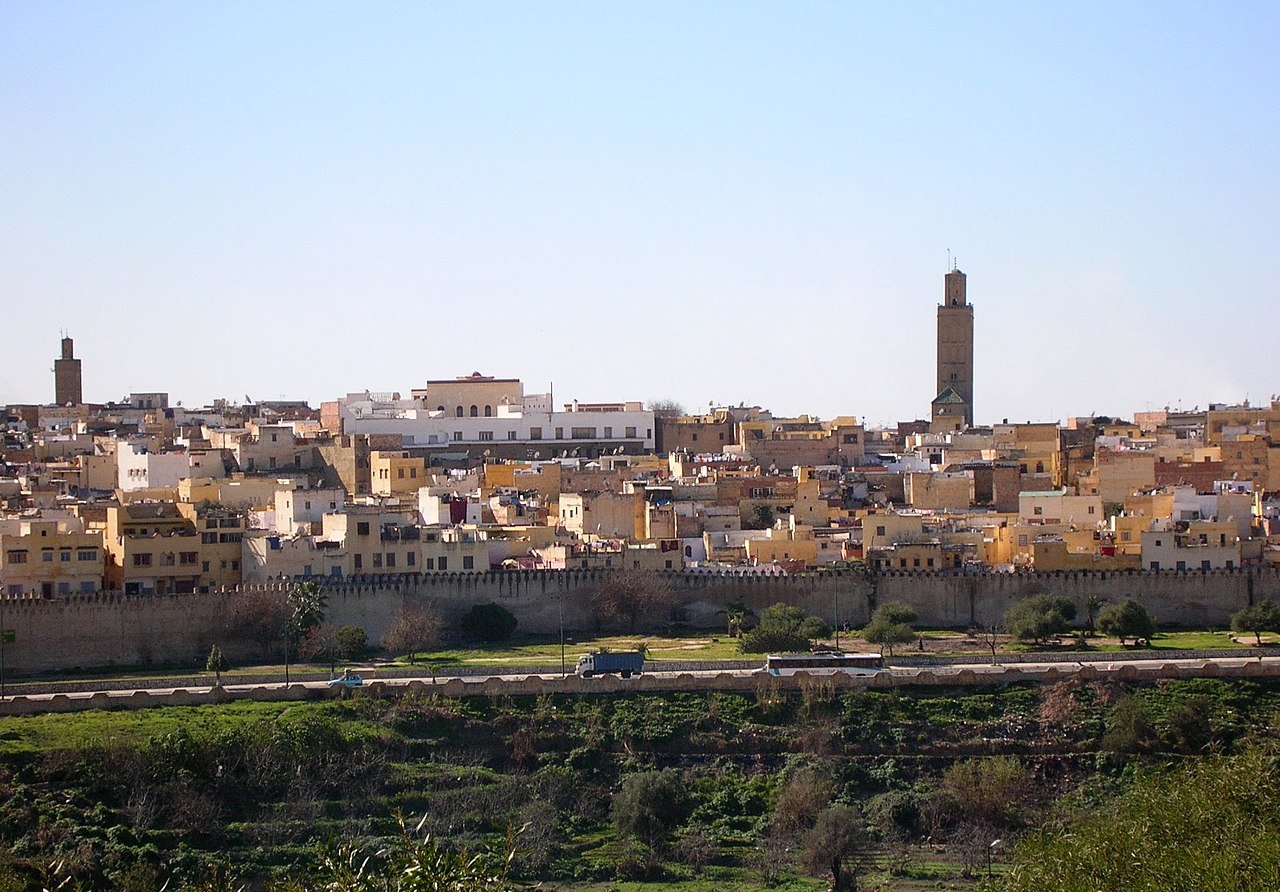
Meknes, Morocco

So Mathilde stayed in her room and wrote. But it rarely gave her much pleasure because, each time she starting describing a landscape or recounting a lived experience, she felt cramped by her own vocabulary. She kept bumping against the same dull heavy words and perceived in a vague way that language was a limitless playground whose vast panoramas frightened and overwhelmed her.

The Country of Others by Leïla Slimani (2021)

~

There is as evidently a society among books, as there is in a parliament of fowls, or a pack of hounds. Certain volumes do not love to be put too close to one another – Others rejoice in propinquity. One may look well or ill, in the shadow of a particular neighbour. A slight modest book must avoid overbearing company. Poets must be kept well apart, or they will quarrel, as everybody knows. These are matters of plain fact. – As axiomatic, to keepers of books, as the mysteries of shepherding are to any keeper of sheep.

The Infernal Riddle of Thomas Peach by Jas Treadwell (2021)

~

Half the work of a detective is not to find out what is but what isn’t!

The Sussex Downs Murder by John Bude (1936)

~

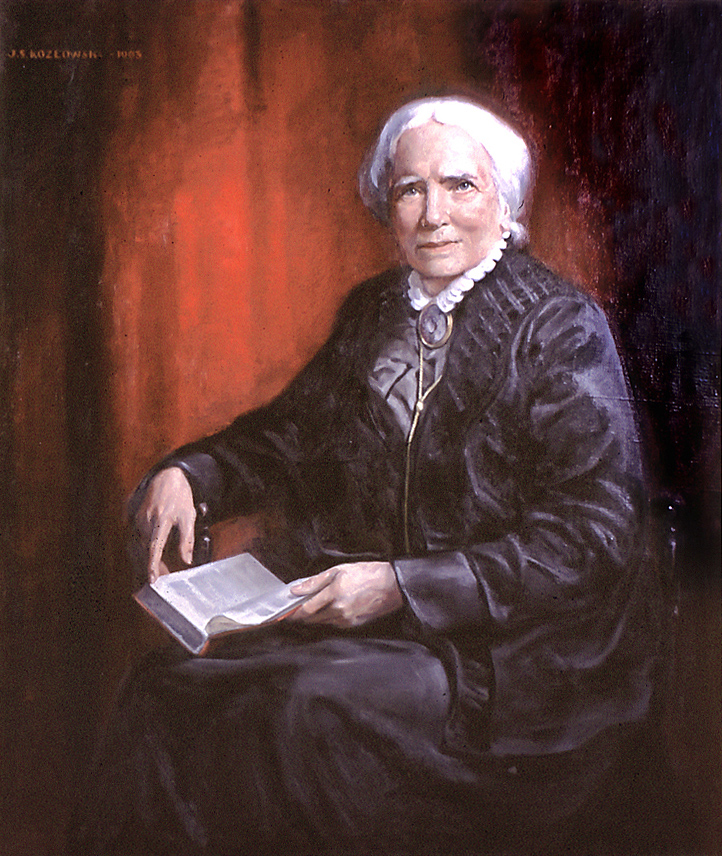
Portrait of Dr Elizabeth Blackwell

He wanted her to aspire, to dream, to always be more than she was yesterday. And right now, he wanted her to understand that just because you cannot reach the sun does not mean you cannot fly at all.

A Corruption of Blood by Ambrose Parry (2021)

~

“We don’t really know what went on in that rather strange household – and that extraordinary house.”

“It is extraordinary,” said Sally slowly. “It’s rather like a GK Chesterton house. Private and secluded in the middle of a town, and all hidden and enclosed by leaves – and somehow giving the impression that it might open out into enormous and quite fantastic places, like a house and garden in a dream.”

The Man Who Wasn’t There by Henrietta Hamilton (2021)

~

“It is romantic, yes,” agreed Hercule Poirot. “It is peaceful. The sun shines. The sea is blue. But you forget, Miss Brewster, there is evil everywhere under the sun.”

Evil Under the Sun by Agatha Christie (1941)

~

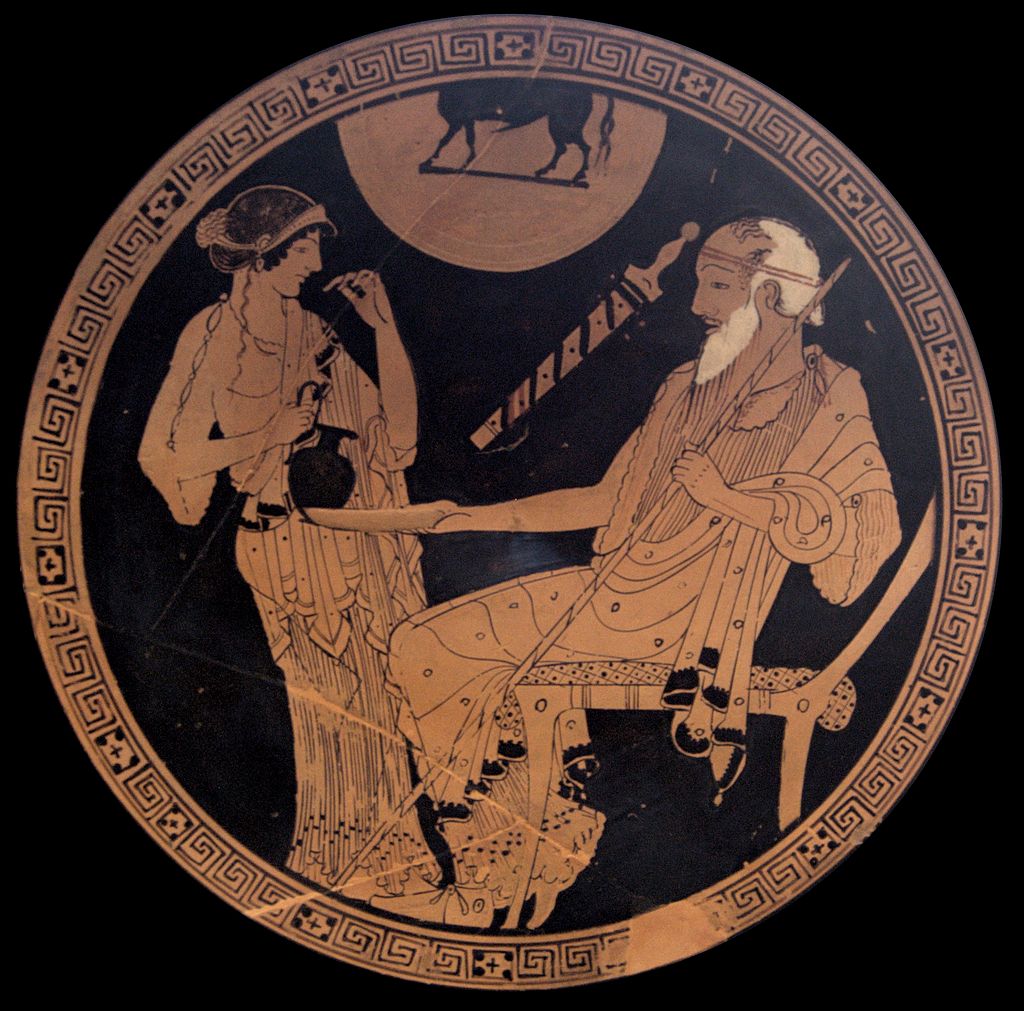
Briseis and Phoenix, red-figure kylix, c. 490 BCE

In a court of law, if a man and woman disagree it’s almost invariably his version of events that’s accepted. And that’s in a courtroom – how much more so in this camp where all the women were Trojan slaves and the only real law was force.

The Women of Troy by Pat Barker (2021)

~

‘I realised that some time ago but it’s nice to think you’ve come round to it on your own. Land and what grows on it, that’s the only really important thing, that and people making do with what they’ve got and where they are.’

The Green Gauntlet by RF Delderfield (1968)

~

Favourite books read in August:

St Martin’s Summer, The Green Gauntlet and Rose Nicolson

Authors read for the first time in August:

Leïla Slimani, Jas Treadwell, John Bude

Countries visited in my August reading:

France, Scotland, Morocco, England, Greece

~

Have you read any of these books? Which books did you enjoy reading in August?

~

This year’s 20 Books of Summer challenge also comes to an end today. I managed to read and review 12 of the books on my list, have finished another that I haven’t reviewed yet – and am in the middle of one more. However, I did read plenty of other books this summer that weren’t on my list so I’m quite happy with my result!

Here’s what I read:

1. Still Life by Sarah Winman
2. Death in Zanzibar by MM Kaye
3. A Corruption of Blood by Ambrose Parry
4. The Green Gauntlet by RF Delderfield
5. Fool’s Assassin by Robin Hobb
6. The Last Daughter by Nicola Cornick
7. The Echo Chamber by John Boyne
8. The Infernal Riddle of Thomas Peach by Jas Treadwell
9. High Rising by Angela Thirkell
10. Red Adam’s Lady by Grace Ingram
11. St Martin’s Summer by Rafael Sabatini
12. The Sussex Downs Murder by John Bude
13. The Women of Troy by Pat Barker – review to follow

Reading now:

14. Goodbye, Mr Chips by James Hilton

Still to read:

15. Jane and Prudence by Barbara Pym
16. The Lily and the Lion by Maurice Druon
17. The Ionian Mission by Patrick O’Brian
18. These Old Shades by Georgette Heyer
19. The Reckoning by Sharon Penman
20. Confusion by Elizabeth Jane Howard

~

Did you take part in 20 Books of Summer? Did you finish your list?