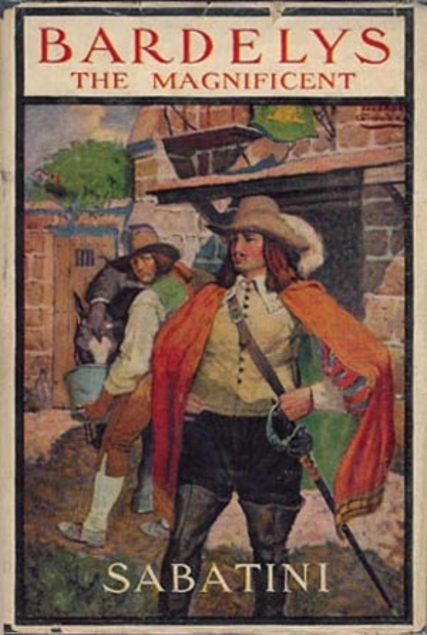
Bardelys the Magnificent by Rafael Sabatini

I love Rafael Sabatini’s books. His classic tale of the French Revolution, Scaramouche, and his two famous pirate novels, Captain Blood and The Sea-Hawk, have been some of my favourite reads of the last few years, while Bellarion was a great book too. I’m now beginning to explore his more obscure books and chose this one, Bardelys the Magnificent, more or less at random when I was putting my Classics Club list together. I hoped it would be a good choice – and it was!

The story is set in 17th century France, during the reign of Louis XIII, and is narrated by the wealthy Marquis de Bardelys, a ‘libertine, a gambler, a rake, a spendthrift’ and a favourite of the King. As the novel opens, Bardelys is hosting a party in Paris at which his rival, the Comte de Chatellerault, makes an unwelcome appearance. It is well known that Chatellerault has recently tried and failed to win the hand in marriage of the beautiful Roxalanne de Lavedan and as Bardelys and his friends tease the Comte about his failure, the discussion becomes more heated. Before the night is over, Bardelys finds himself wagering his entire fortune that he can succeed where Chatellerault could not – and he sets off the next day for Languedoc, the home of Roxalanne.

Of course, things don’t go according to plan and following a series of misunderstandings, Bardelys arrives at the Lavedan estate under a mistaken identity. When he meets Roxalanne and discovers that he is genuinely falling in love with her, he knows that he should tell her the truth about who he really is, but as time goes by it becomes harder and harder to do this. To complicate things further, Bardelys learns that the man whose identity he has stolen is a wanted traitor. Our hero’s life quickly becomes such a confusing mess that it’s difficult to see how anything can ever be resolved! Will he lose his fortune, his life, or the love of Roxalanne – or will he somehow manage to keep all three?

Bardelys the Magnificent is one of Sabatini’s earliest novels, published in 1906, and although I did find it weaker than the others I’ve mentioned above, it’s another entertaining adventure with all the drama, romance, political intrigue and sword fights that you would expect. As a character, I found Marcel de Bardelys less memorable than other Sabatini protagonists such as Andre-Louis Moreau, Peter Blood and Oliver Tressilian, but he is still interesting and engaging. I referred to him as a hero above, but he is not particularly heroic at all – he is selfish and irresponsible, he makes one mistake after another, and his original reason for wanting to marry Roxalanne is hardly very admirable. Despite all of this, I still had some sympathy for him and wanted him to succeed – and, thankfully, he does also develop as a character as the novel progresses. While concealing his true identity, he finds out what people really think of him and sees himself as he appears to others.

Although I wouldn’t recommend Bardelys as the best place to start with Sabatini, if you’re already a fan I’m sure you’ll enjoy this early example of his work as much as I did. I’m looking forward to exploring more of his lesser-known novels and hope my next choice will be another good one.

This is book 11/50 from my Classics Club list.

When Women Ruled the World by Kara Cooney

Despite my love of history I know very little about Ancient Egypt, so when I was given the opportunity via National Geographic and TLC Book Tours to read When Women Ruled the World, I was immediately interested. Written by Kara Cooney, professor of Egyptology at UCLA, the book explores the lives of six female rulers – Merneith, Neferusobek, Hatshepsut, Nefertiti, Tawosret and Cleopatra – asking how each was able to come to power, what challenges they faced during their reign and what the modern world can learn from studying them.

Apart from Cleopatra, I had never read about any of the other five rulers before, so I was looking forward to adding to my knowledge, but I don’t feel that I’ve learned as much about these six women as I would have expected to from this book. I can appreciate that the author was doing her best to work with the limited amount of factual information we have available to us, but there’s still a lot of speculation, interpretation and uncertainty. The book has clearly been thoroughly researched and there are detailed notes at the back, as well as an impressive list of resources and further reading; I just don’t feel that I’ve come away from the book with any real idea of what these female pharaohs may have been like as people, what their style of ruling was like or what their main accomplishments were.

To be fair, the author does point out that one of the reasons why we know so little about these women’s achievements is because the male pharaohs who followed tried to remove all traces of their predecessor from the historical records. Thutmose III, who ruled after his aunt Hatshepsut, “smashed her statues to bits, chiseled away the reliefs of the Punt expedition, and reassigned kingly images to her husband or father.”

This is a book with a very strong feminist message, which is fascinating when related directly to the Egyptians, for example when Cooney discusses how Nefertiti may have had to assume a male name and identity in order to rule, or how Hatshepsut had herself depicted wearing masculine clothes and with the appearance of a man. However, the author spends too much time drawing parallels with modern politics, discussing the stereotypes directed at female leaders and the language used to describe women like Hillary Clinton, Margaret Thatcher or Angela Merkel. It seems that the purpose of the book is to show that women have qualities which make them better equipped to rule the world than men and that the stories of the six female pharaohs of Egypt are being used to illustrate that point, rather than because they are interesting historical figures in their own right whose stories deserve to be remembered.

On a more positive note, I thought this book was written at the right level to make it accessible to the general reader. It wasn’t necessary to have any prior knowledge of Ancient Egypt and I found it easy enough to follow and to understand. There’s a map at the beginning and a useful chronology showing each ruler’s place in history, as well as an interesting selection of photographs and illustrations. Although this book wasn’t quite what I’d expected, I’m pleased to have at least been made aware of women like Merneith, Neferusobek and Tawosret, whose names weren’t even familiar to me before. I would like to read more about them one day.

Six Degrees of Separation: From The French Lieutenant’s Woman to Death in Cyprus

It’s the first Saturday of the month (and of the year!) which means it’s time for another Six Degrees of Separation, hosted by Kate of Books are my Favourite and Best. The idea is that Kate chooses a book to use as a starting point and then we have to link it to six other books of our choice to form a chain. A book doesn’t have to be connected to all of the others on the list – only to the one next to it in the chain.

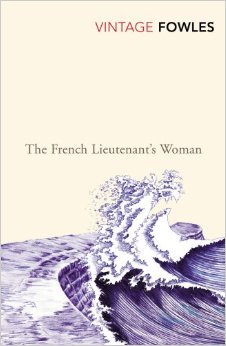
The book we are starting with this month is The French Lieutenant’s Woman by John Fowles, a book I read a few years ago and didn’t enjoy as much as I had thought I would. Published in 1969 but set in 1867, the style is an unusual blend of the Victorian and the modern, which didn’t quite work for me.

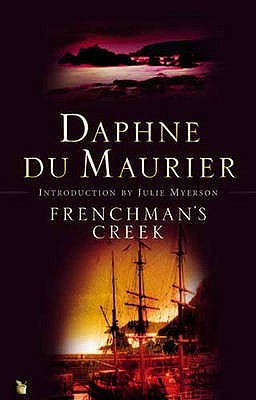
When I have read the first book in the chain, it usually makes it easier to get started, but not this time! I included The French Lieutenant’s Woman in a previous chain a few months ago where I linked it from another metafiction novel and to another book set in Lyme Regis. As I didn’t want to use the same links again, I had to think of something different and all I’ve been able to come up with is books with ‘French’ in the title. This leads me to Frenchman’s Creek by Daphne du Maurier.

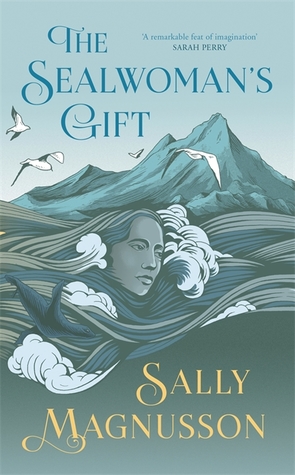
The Frenchman of the title is the pirate Jean-Benoit Aubéry. A novel I read last year which also involves pirates (although these pirates are not as charming as Jean-Benoit) is The Sealwoman’s Gift by Sally Magnusson. Set in the 17th century, the novel tells the story of a group of people abducted during a Barbary pirate raid on Iceland and taken in captivity to Algeria.

Iceland and Algeria are both fascinating countries to read about and I enjoyed the contrast between both settings in The Sealwoman’s Gift. I’ve read a few other books set in Iceland and the one I’m going to link to here is Burial Rites by Hannah Kent, a beautifully written novel about an Icelandic woman, Agnes Magnúsdóttir, who is found guilty of murder and sentenced to death.

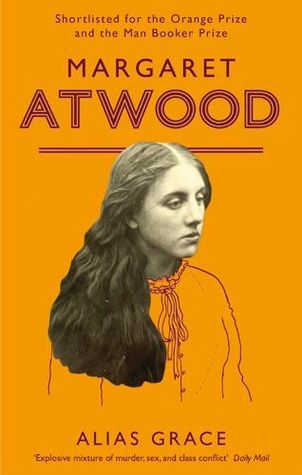
Thinking about Burial Rites reminds me of Alias Grace by Margaret Atwood. Alias Grace is set in Canada, not Iceland, but otherwise the two books have a lot in common. They both give fictional accounts of real women who were convicted of murder (Grace Marks, in the case of Atwood’s novel).

I have read a few of Atwood’s other books, most recently Hag-Seed, which is a clever re-telling of Shakespeare’s The Tempest. Also inspired, at least in a small part, by The Tempest is This Rough Magic, one of my favourite books by Mary Stewart. The title comes from a line spoken by Prospero in the play (“this rough magic I here abjure”).

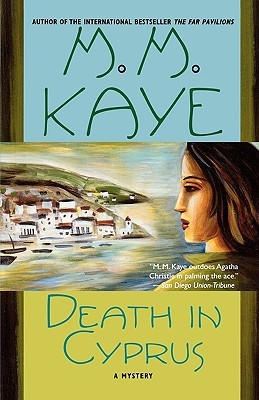
Mary Stewart’s books (apart from her Arthurian series) are a combination of suspense, romance and mystery and feature young heroines in exotic or atmospheric settings. M.M. Kaye’s Death In… novels from the same era remind me of Stewart’s in many ways, although I find them slightly darker. I have read three, including Death in Cyprus, and still have the rest to look forward to.

And that’s my chain for this month…Frenchmen, pirates, Iceland, female prisoners, The Tempest and romantic suspense!

In February, we will be starting with Fight Club by Chuck Palahniuk.

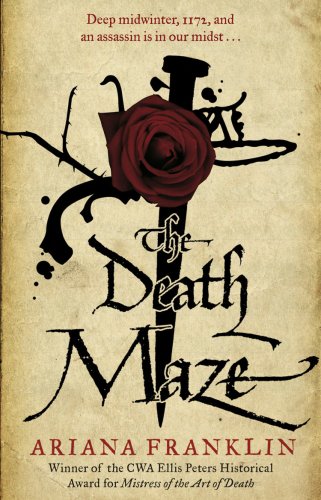
The Death Maze by Ariana Franklin

This is the second novel in Ariana Franklin’s Adelia Aguilar mystery series, set in the 12th century. My feelings about the first book – Mistress of the Art of Death – were quite mixed (I liked the medieval setting but found the dialogue and the main character too modern), but I wanted to try at least one more in the series and came across this one in the library a few weeks ago.

If you’re new to these books, I don’t think it’s necessary to have read the previous one before reading this one. The Death Maze, which has also been published under the title The Serpent’s Tale, begins with the poisoning of Rosamund Clifford, Henry II’s mistress. Henry’s estranged queen, Eleanor of Aquitaine, is immediately suspected, being the person with the most obvious motive for wanting The Fair Rosamund dead. If this is true, the repercussions could be huge and could lead the country into civil war. The king needs someone to investigate on his behalf – and so he summons Adelia Aguilar, his ‘mistress of the art of death’.

Adelia, before coming to England, had studied medicine at the famous medical school in Salerno which accepted female students as well as men. Since solving her first case for Henry II (a series of child murders which formed the basis of the previous novel), she has been living a quiet life in the countryside with her baby daughter, Allie, and it is with some reluctance that she agrees to undertake this new task. The king cannot be refused, of course, so Adelia soon finds herself setting off for Rosamund’s castle, escorted by Rowley Picot, her former lover, now the Bishop of St Albans. During their investigations, they are taken captive by Eleanor and her supporters, but when snow begins to fall the whole party become trapped for the winter at the nunnery in Godstow, where the mystery deepens as more murders take place.

In some ways, I enjoyed this book more than the first one. I thought the mystery was more complex – and certainly not as dark and disturbing as the previous one. I didn’t guess who the murderer was, although I had my suspicions, but I think we were given enough clues to work it out with no unfair surprises or information being withheld.

This is a period of history I always find interesting to read about and I felt that the portrayals of real historical figures in this book, such as Henry II and Eleanor of Aquitaine, were very different from the way they have been depicted in other novels I’ve read. Eleanor is certainly not the sympathetic, admirable character she is in Elizabeth Chadwick’s The Summer Queen trilogy, for example – she comes across as quite selfish and petulant. Most of the other characters, though, are fictional – as is most of the plot, including many of the details of Rosamund Clifford’s story. I did like the descriptions of the maze of hedges surrounding Rosamund’s tower; the scene where Adelia and her friends try to find their way through it reminded me of the famous Hampton Court Maze episode in Three Men in a Boat.

‘I’m sorry, I’m sorry,’ Adelia shouted. She faced Rowley. ‘Don’t you see, if a maze is continuous, if there aren’t any breaks, and if all the hedges are connected to each other and you follow one of them and stick rigidly to it wherever it goes, you’ll traverse it eventually, you must, it’s inevitable, only…’ Her voice diminished in misery, ‘I chose the left-hand hedge. It was the wrong one.’

As for Adelia herself, I can’t make up my mind about her. I do like her as a character because she has all the qualities I admire in a heroine – intelligence, courage and independence, as well as a passion for her career which made her turn down the chance of marriage to Rowley as she knew that would bring her medical work to an end. However, she is the sort of heroine I would expect to find in a much more modern setting; her behaviour and attitudes make her very unconvincing as a medieval woman. I could say the same about the language Ariana Franklin uses, which I think also often feels far too modern for the time period. I suppose whether or not you will enjoy these books depends on how important those things are to you, but I always struggle to overlook them.

I’m not sure if I will read any more of the Adelia Aguilar books, but I might try one of Ariana Franklin’s earlier novels published under her real name, Diana Norman.

New plans for the New Year

Happy New Year! I can’t believe it’s 2019 – that means in October my blog will be ten years old! I’m sure I’ll be reflecting on that later in the year and finding some way to mark the occasion. For now though, like many other book bloggers, I wanted to use my first post of the year to look at my reading and blogging plans for the next twelve months.

Challenges and events

I prefer to have as much freedom in my reading choices as possible, so I’m not signing up for any year-long reading challenges this year, with the exception of the Historical Fiction Challenge hosted at Passages to the Past. I read a lot of historical fiction anyway so that one is not really a challenge for me, but I still like to take part as it helps me to connect with other like-minded readers and to keep a list of my historical fiction reads in one place.

I do enjoy participating in shorter events hosted by other bloggers such as 20 Books of Summer, the R.I.P. event and Nonfiction November so I will join in with some of those in 2019. I’ll also keep working through my Classics Club list and participating in any associated Classics Club events.

Blogging plans

The same as last year, really. I will continue with my Commonplace Book posts at the end of every month and my Historical Musings posts in the middle of the month, as well as participating in Six Degrees of Separation and Top Ten Tuesday now and then.

Personal projects

My Walter Scott Prize Project has been neglected recently, so I would like to make some progress on that in 2019. I also want to devote more time to re-reading old favourites – I say that at the beginning of every year and never manage to do it. Sadly, I only re-read one book in 2018, but I’m determined to improve on that number in 2019 so have started off my year’s reading with a re-read of Cashelmara by Susan Howatch. I also want to make progress with some of the series I’m in the middle of reading and find time for some of those long-anticipated books I’ve been putting off reading for years because I wanted to have ‘something to look forward to’.

Most of all, I just want to enjoy the books I read in 2019.

What plans do you have for the year ahead?

My Commonplace Book: December 2018

A selection of words and pictures to represent December’s reading:

commonplace book
noun
a book into which notable extracts from other works are copied for personal use.

~

My heart pounding, I look only at Hogarth. I know he must understand. His own training in art was unconventional, limited, yet he persevered to become the best. And he has not devoted his talent to celebrating the wealthy; he paints servants, soldiers, the people of the London streets.

“Would it be enough for you, Mr Hogarth?” I say. “To be shut up in the same room, day after day, painting flowers for silk dresses or for teacups and plates, and not telling the story of the world with your brush?”

The Blue by Nancy Bilyeau (2018)

~

He shook his head slowly. ‘I am not the person I was born. Neither are you. I know no one who is. Truly, Fitz, all we ever know are facets of one another. Perhaps we feel as if we know one another well when we know several facets of that person. Father, son, brother, friend, lover, husband…a man can be all of those things, yet no one person knows him in all those roles.’

Fool’s Fate by Robin Hobb (2003)

~

I have often found that the best way to persuade anyone to do something they suspect is to explain that they really need not do it.

The Santa Klaus Murder by Mavis Doriel Hay (1936)

~

I was alarmed. Up until then I had thought it was all quite simple. If you were nice-looking men wanted to marry you, and if you were not you saw it for yourself in the mirror and decided to do something else.

The Fountain Overflows by Rebecca West (1956)

~

But my husband does not believe in redemption: Elias thinks that people are moulded like jelly by their choices and, once set, they can never be anything else.

Blackberry and Wild Rose by Sonia Velton (2019)

~

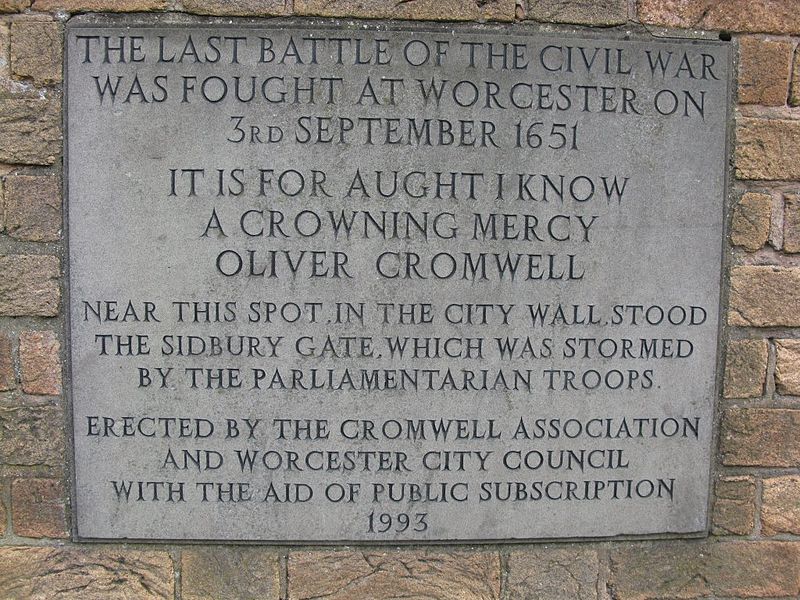
Plaque commemorating the Battle of Worcester

She turned away, stared out across the land. ‘Violence never changes anyone’s mind, just drives their convictions deeper. And it’s such a waste, when all that power could be used to build something, not knock it down.’

Spirit of the Highway by Deborah Swift (2015)

~

She was equally definite about the arrangements for the festival. The strengths of the Victorians were three, she remarked, and she spoke as one who knew: Common Sense, Knowing One’s Own Mind, and Thrift. The first thing to remember was that nothing, nothing whatever, which was valuable, or entertaining, or nutritious, in the widest possible sense of the words, must ever be wasted.

Campion at Christmas by Margery Allingham (2018)

~

A man held his soul in his hand like a pearl, and if he were to drop that pearl in the ocean he would never get it back.

A Column of Fire by Ken Follett (2017)

~

View to the east from Zennor Head

John William had set himself like an arrow on this one thing, leaving no space for anything else, and leaving no space for it to fail to happen either. She had never thought in that way herself, about wanting things. She had only thought that you had what you had, and that was all. Now she realized that she was far behind him, and that it was no longer just because of the few months between them. But there was danger in wanting anything that much, and showing that you wanted it.

Zennor in Darkness by Helen Dunmore (1993)

~

“Well, dreams take time to come true and even then, they’re not always in the places we expect to find them. I suppose we have to be patient and concentrate on what we have today.”

The Moon Sister by Lucinda Riley (2018)

~

“Let me tell you, Magyar. A woman is a woman, and a face is a face, and after a while the face isn’t pretty or plain anymore, it is this woman’s face, and you love her.”

Rakóssy by Cecelia Holland (1967)

~

Favourite books read in December:

Fool’s Fate, The Fountain Overflows and Blackberry and Wild Rose

Where did my reading take me in December?

England, France, Scotland, Spain, Hungary, Robin Hobb’s fictional Six Duchies and Out Islands.

Authors read for the first time in December:

Mavis Doriel Hay and Sonia Velton

~

Happy New Year – and happy reading in 2019!

My favourite books of 2018

I know 2018 is not quite over yet, but with only two days remaining I think it’s safe to post my books of the year list now. I’ve enjoyed putting this post together, looking back over my reading year and picking out some favourites. As usual, it’s a long list, which is a good thing as it shows I must have read a lot of great books this year! I think I’ve included a good mixture of old and new books here, as well as a range of genres. Robin Hobb’s three Tawny Man novels were my absolute favourites of the year, so I have put them at the top, but the rest are listed at random.

Here they are – my books of 2018:

~

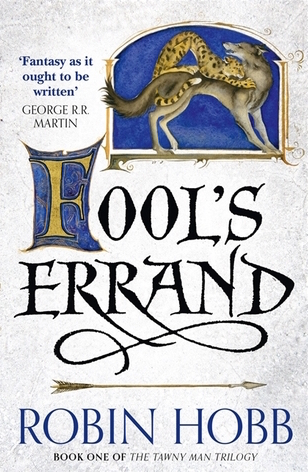
Fool’s Errand (2001), The Golden Fool (2002) and Fool’s Fate (2003) by Robin Hobb

From my reviews: “It was wonderful to be reacquainted with Fitz and the other Farseer characters again…I had to keep going until I’d reached the end of the trilogy. I cared too deeply about the characters to abandon them while I read other books.”
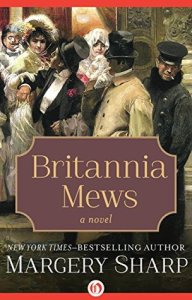
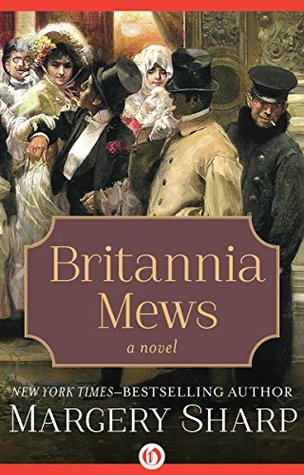
Britannia Mews by Margery Sharp (1946)

From my review: “Of course, the most important character of all is Britannia Mews itself, a street which seems to cast a spell over those who live there, pulling them back every time they might think about leaving. I loved reading about the changing nature of the street over the years and the people who inhabited it at various times in its history…This was a wonderful choice of book to celebrate Margery Sharp’s birthday this year.”
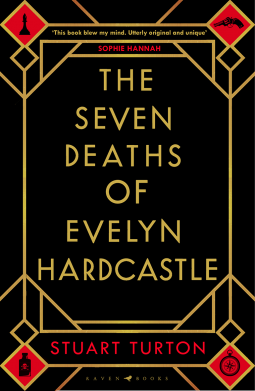
The Seven Deaths of Evelyn Hardcastle by Stuart Turton (2018)

From my review: “I can’t even begin to imagine how much time and effort must have gone into the writing of this novel! I’ve never read anything like it before and I hardly know how to describe it. It has all the elements of a classic murder mystery – but there’s a clue in the title: the same murder happens not just once but seven times.”
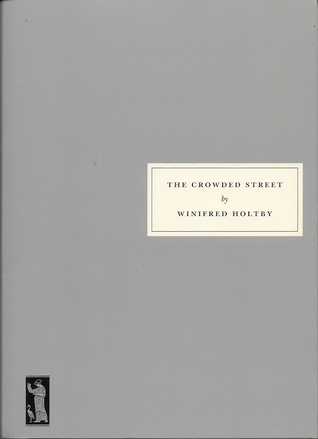
The Crowded Street by Winifred Holtby (1924)

From my review: “I’ve been looking forward to this one for a while and I’m pleased to say that I loved it even more than I hoped I would…The Crowded Street is a wonderful book in so many ways and a great choice for both the Classics Club and the Persephone Readathon!”
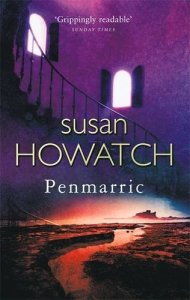
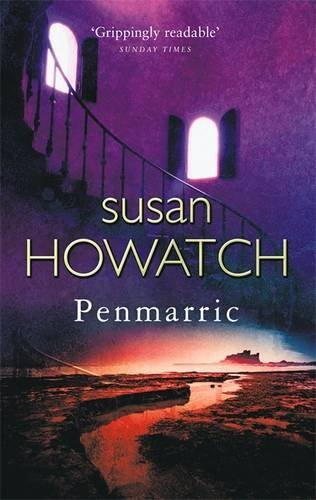
Penmarric by Susan Howatch (1971) – re-read

From my review: “Penmarric is a dark novel – as I’ve said, none of the characters experience much happiness in their lives and none of them are easy to like – but the plot is completely gripping, even when you’re reading the book for the second time. There are some lovely descriptions of Cornwall too; this is one of those books where the setting is as important as the characters and the plot.”
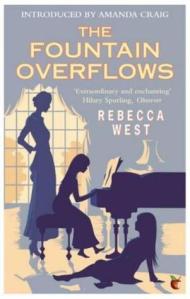
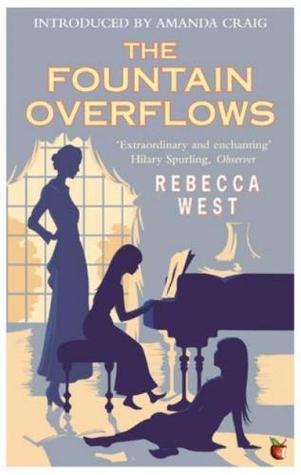
The Fountain Overflows by Rebecca West (1956)

From my review: “I loved Rose’s narrative voice; not all authors can write convincingly from the perspective of a child, but Rebecca West certainly does. She really captures the way children think and feel, the things that matter to them and the way they look at the world…With such strong, believable characters and such lovely writing, this was a wonderful read.”
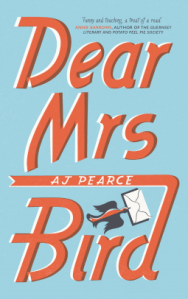
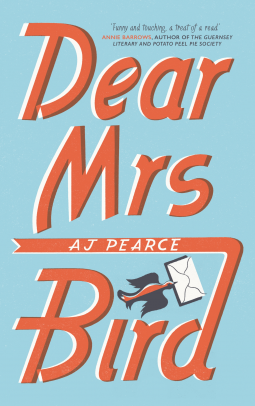
Dear Mrs Bird by AJ Pearce (2018)

From my review: “Dear Mrs Bird was an absolute joy to read from start to finish! I loved Emmy from the beginning and her friendly, enthusiastic narrative voice pulled me straight into her world…there’s drama, there’s tension and there’s heartbreak, but there’s never too much of any of these things and the book never loses its charm and its warmth.”
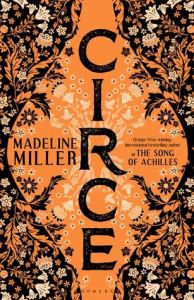
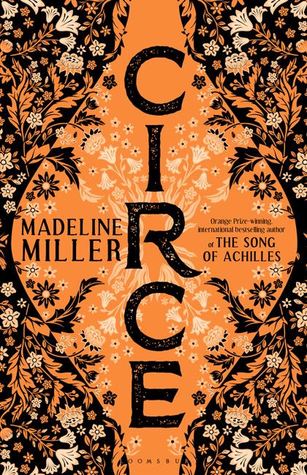
Circe by Madeline Miller (2018)

From my review: “I loved Circe; it’s a beautifully written novel and ideal for readers like myself who only have a basic knowledge of the Greek myths. I felt a stronger connection with Circe herself than I did with Patroclus in The Song of Achilles and for that reason this is my favourite of the two books.”
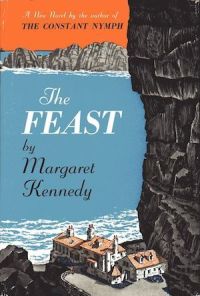
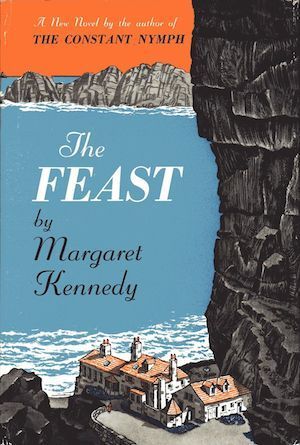
The Feast by Margaret Kennedy (1950)

From my review: “I loved following the lives of the Siddals, their guests and their servants…With over twenty characters all playing important roles in the novel, some authors would have struggled to make each man, woman and child different and memorable, but Margaret Kennedy succeeds and the result is a really enjoyable and absorbing read.”
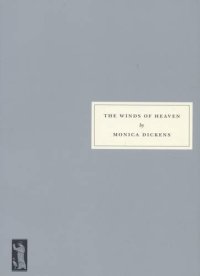
The Winds of Heaven by Monica Dickens (1955)

From my review: “For a novel with so many unlikeable characters, I found this a surprisingly enjoyable and entertaining read. Louise’s story is obviously a very sad one at times, but Monica Dickens writes with enough humour and lightness that it never becomes completely depressing…I wish Monica Dickens had written more books about these characters, but I enjoyed this one enough to know that I will be investigating the rest of her novels anyway!”
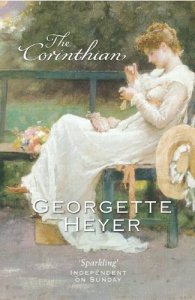
The Corinthian by Georgette Heyer (1940)

From my review: “Thoroughly entertaining and fun to read…I won’t say too much more about the plot, but you can expect a wonderful blend of comedy, action and mystery as Richard and Pen stumble from one farcical situation to another.”
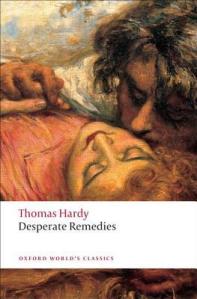
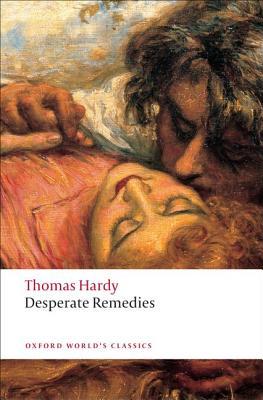
Desperate Remedies by Thomas Hardy (1871)

From my review: “I loved Desperate Remedies! It starts off slowly, but it quickly develops into an intriguing and entertaining page-turner with plenty of twists and surprises…This isn’t one of my absolute favourite Hardy novels – I think some of his later ones are better – but it’s still a great read.”
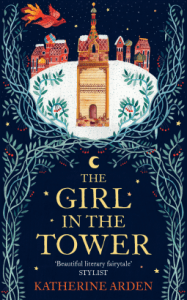
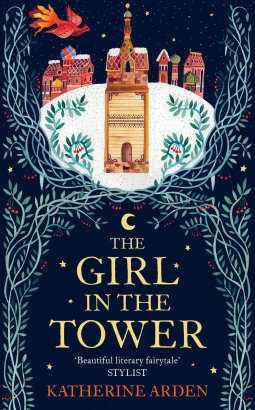
The Girl in the Tower (2017) and The Winter of the Witch (2019) by Katherine Arden

From my review: “Katherine Arden’s books are a wonderful mixture of history, folklore and fairytales with an atmospheric and wintry Russian setting… I loved The Girl in the Tower.” My review of The Winter of the Witch will follow in January.
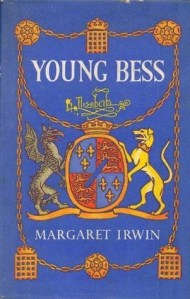
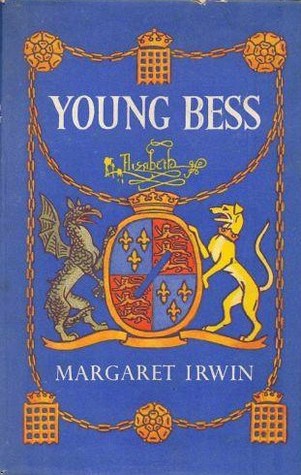
Young Bess by Margaret Irwin (1944)

From my review: “It was a pleasure to read a good old-fashioned historical fiction novel with elegant prose and strong characterisation, no present tense, no experimental writing and no multiple time periods! It’s a book which completely immerses the reader in the Tudor period and the lives of Elizabeth and the historical figures who surround her, so that you reach the end feeling that you’ve read something fresh and worthwhile.”
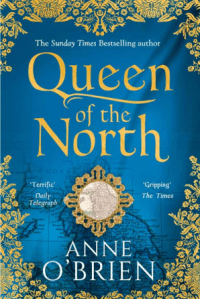
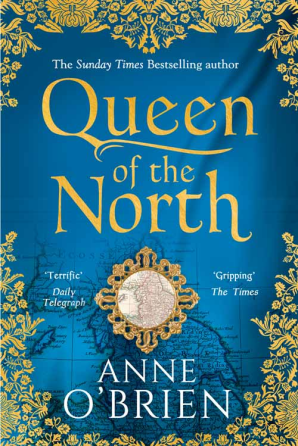
Queen of the North by Anne O’Brien (2018)

From my review: “Alliances are formed and broken, friends become enemies then friends again in an instant; it’s a dangerous time, but a fascinating one to read about…I loved Queen of the North; I think it’s my favourite of the five Anne O’Brien novels I’ve read so far.”
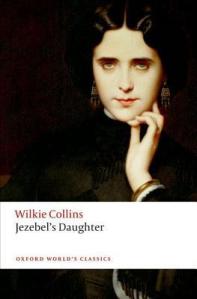
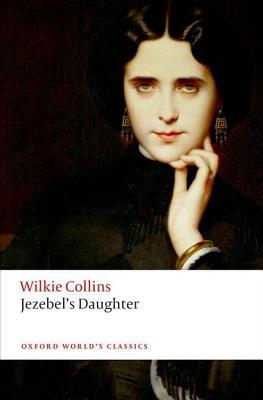
Jezebel’s Daughter by Wilkie Collins (1880)

From my review: “Jezebel’s Daughter is a great read – it’s suspenseful and exciting and, because it’s a relatively short novel, it’s faster paced than some of his others as well. With a story involving poisonings, stolen jewels, unexplained illnesses, mysterious scientific experiments, morgues, asylums and plenty of plotting and scheming, there’s always something happening…”

Dark Quartet by Lynne Reid Banks (1976)

From my review: “As someone who loves the work of all three Brontë sisters, I have been interested in reading Dark Quartet for a long time…Lynne Reid Banks doesn’t explore the Brontës’ novels in much depth, but I think she does a good job of showing how the sisters’ work was influenced by people, places and events from their personal lives… I really enjoyed reading it.”
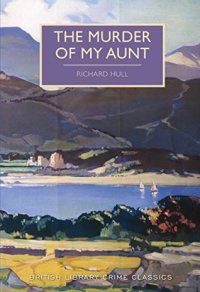
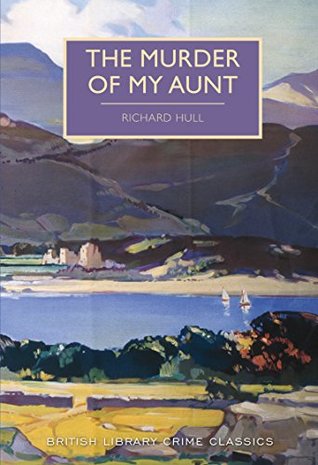
The Murder of My Aunt by Richard Hull (1934)

From my review: “It’s not really a whodunnit so there’s no puzzle to solve or clues to decipher, but that doesn’t matter at all – the fun is in wondering whether the crime described in the novel will succeed and, if so, whether the culprit will be caught…But the plot is only part of what makes this book so enjoyable; Edward’s narrative voice is wonderful too and transforms what could have been a very dark novel into a very funny one.”

~

And I want to give these books a special mention too:

A Falling Star by Pamela Belle (1990)
Church of Marvels by Leslie Parry (2015)
The Prime Minister by Anthony Trollope (1876)
House of Gold by Natasha Solomons (2018)
The Story Keeper by Anna Mazzola (2018)
Lamentation by CJ Sansom (2014)
Marking Time by Elizabeth Jane Howard (1991)
The Craftsman by Sharon Bolton (2018)
Harriet by Elizabeth Jenkins (1934)
Earth and High Heaven by Gwethalyn Graham (1944)
The Sentence is Death by Anthony Horowitz (2018)

~

Have you read any of these? Which books have you enjoyed reading in 2018?