
This week’s Top Ten Tuesday (hosted by That Artsy Reader Girl) asks us to list our top ten favourite books of 2020. I know there are still a few days of 2020 left, but I’m confident that I’m not going to finish anything before the end of the year that would have made it onto my list, so I think it’s safe to post it now!
I have found it difficult to concentrate on reading at times this year (I’m sure I don’t need to tell you why) and I haven’t read as many books as I normally would – the fewest since 2010, in fact. I also feel that, although I’ve read some very good books this year, there aren’t many that really stand out from all the others and I struggled to pick out ten favourites. Instead of ten, then, I am only listing eight – and here they are:
~
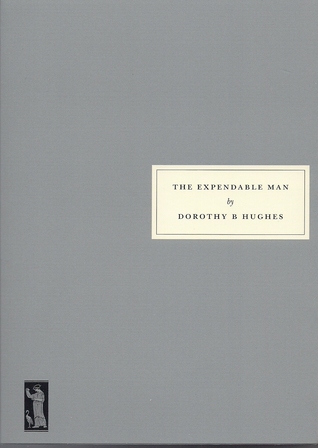
1. The Expendable Man by Dorothy B Hughes (1963)
From my review: “If you think you might want to read this book, it’s best that you know as little as possible before you begin. And I do highly recommend reading it! I was completely gripped from beginning to end…I couldn’t bear to put the book down until I knew what was going to happen to Hugh.”

2. A Murder is Announced by Agatha Christie (1950)
From my review: “Of all the Christie novels I’ve read, this has one of the best openings: first an introduction to each character in turn as we jump from house to house as newspapers are opened and the announcement is read; then the murder scene itself – a wonderful set piece with all of the suspects together in one place. We are given many of the clues we need in that scene and the rest in the chapters that follow, so that the reader has at least a chance of solving the mystery before the truth is revealed.”
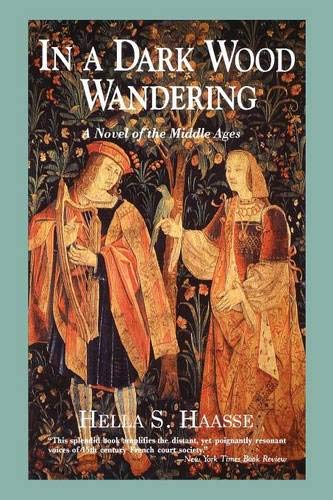
3. In a Dark Wood Wandering by Hella S Haasse (1949)
From my review: “Both Hella S Haasse’s recreation of early 15th century France and her portrayal of the key historical figures of the period feel completely real and believable…I loved the imagery Haasse uses in her writing; her descriptions of poppies glowing in green fields, sunlight sparkling on clear water and reflections of clouds in the river unfold like medieval tapestries.”
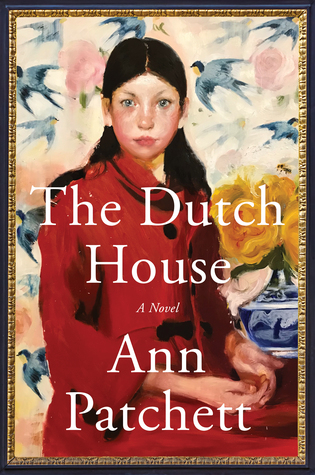
4. The Dutch House by Ann Patchett (2019)
From my review: “You could describe this as a book about a house, but I think of it more as a book about people and the connections between them – in particular, the relationship between a brother and a sister…the bond between them is deep and unbreakable and although there are times when it seems to restrict them from doing things they really want to do and times when it gets in the way of their other relationships, I still found it very moving.”
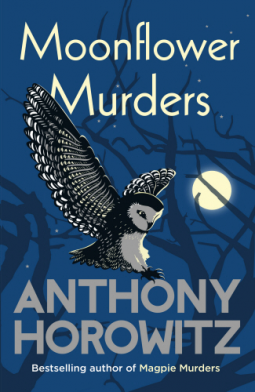
5. Moonflower Murders by Anthony Horowitz (2020)
From my review: “I didn’t love this book quite as much as Magpie Murders, probably because I already knew what to expect so it didn’t feel as original, but it was still hugely entertaining and, like the previous novel, packed with word games and other little puzzles cleverly woven into the text. And of course, as an Agatha Christie fan I adore the Atticus Pünd stories in both books, which are such perfect homages to Christie herself. ”

6. Greenwitch by Susan Cooper (1974)
From my review: “Like the previous books in the series, this is an atmospheric and eerie story, steeped in magic and ancient folklore…I found this book as compelling as the first two and read most of it in one day; as a book aimed at younger readers, it’s quite short and the plot moves along at a fast pace, but as an adult there’s still enough depth and complexity to the story and characters to hold my attention.”
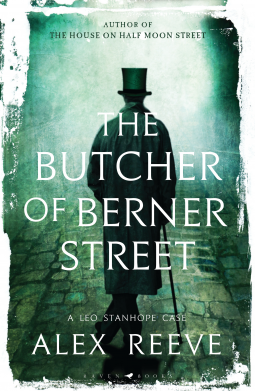
7. The Butcher of Berner Street by Alex Reeve (2020)
From my review: “This is one of several new historical mystery series I have been enjoying over the last few years…The plot is well constructed and although I did guess who the murderer was, there were several possible suspects and enough twists and turns to give me a few doubts. More than the plot, though, I loved the setting, the atmosphere and the insights into various aspects of Victorian life: the class differences and the fate of those living in poverty, the early days of the women’s suffrage movement and attitudes towards the Catholic church.”
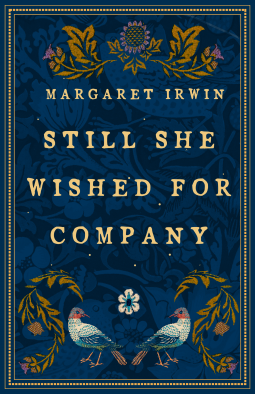
8. Still She Wished for Company by Margaret Irwin (1924)
From my review: “The book is beautifully written, with the same elegant prose and powerful descriptive writing I’ve loved in the other Margaret Irwin novels I’ve read…The eighteenth century storyline on its own could have been the basis for a compelling novel, but the addition of the ghost story/time travel elements make it something special, particularly as they are handled so well that they feel almost believable. It’s a lovely, magical read and just the sort of thing I was in the mood for at the moment!”
~
Have you read any of these?
What are your favourite books of 2020?








 She Reads Novels