Six Degrees of Separation: From Tales of the City to Wolf Hall

It’s the first Saturday of the month which means it’s time for another Six Degrees of Separation, hosted by Kate of Books are my Favourite and Best. The idea is that Kate chooses a book to use as a starting point and then we have to link it to six other books of our choice to form a chain. A book doesn’t have to be connected to all of the others on the list – only to the one next to it in the chain.

The starting point this month is Tales of the City by Armistead Maupin. I haven’t read it, but it seems that it is set in San Francisco.

Sometimes when I’m not familiar with the first book, I find it very difficult to get started with the chain, but this time I could think of several different directions to take. I eventually decided to go with books set in San Francisco; I can think of a few options, but the one I’ve chosen is Frog Music by Emma Donoghue. I remember really enjoying this novel, based on a true crime which happened in the 1870s.
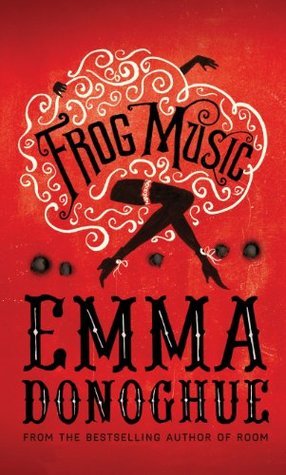
The story takes place during a heatwave. We are in the middle of one now here in the UK. It’s been too hot for me, actually, but it is nice to be able to sit outside and read for a while when I get home from work. Thinking of other books that are set during long, hot summers, the first that comes to mind is Case Histories by Kate Atkinson, one of her Jackson Brodie mysteries in which a child goes missing while sleeping in a tent in the garden.

I’ve enjoyed everything I’ve read by Kate Atkinson so far. The first book I read by her was Life After Life, in which Ursula Todd begins her life over and over again. The name Ursula makes me think of one of my recent reads, The Illumination of Ursula Flight by Anna-Marie Crowhurst, the story of a young woman in Restoration England – and that is the next book in my chain.

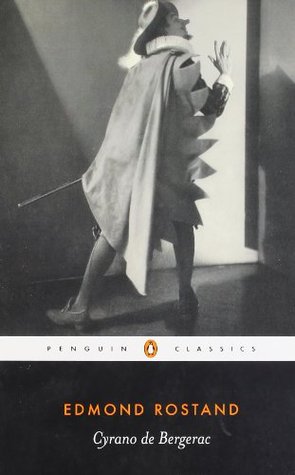
The Illumination of Ursula Flight has an unusual structure, with part of the story being told in the form of scripts from plays. I don’t read plays very often, but one that I did enjoy was French poet and playwright Edmond Rostand’s Cyrano de Bergerac. At one point during the first act, Cyrano fights a duel while composing a ballad at the same time.
I love a good fictional swordfight! Thinking of others that I’ve read, one of the most memorable is the one that takes place towards the end of The Game of Kings by Dorothy Dunnett. Unfortunately I can’t say any more about that wonderful scene, as to tell you who it involves or how it came about would most certainly mean spoiling the story!
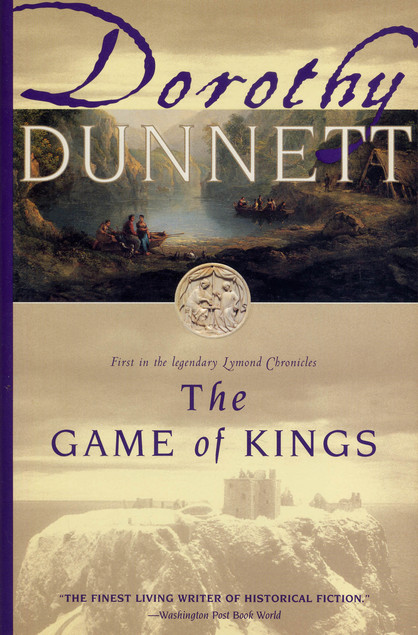
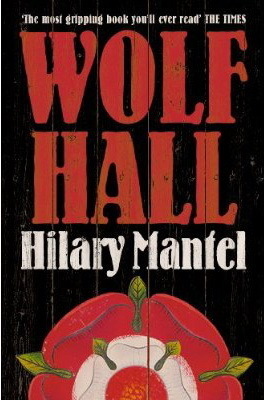
The Game of Kings appeared on my list of favourite books read in 2012. Looking back at my 2012 list, it seems that I read some great books that year – and, in particular, some great historical fiction novels. One of these was Wolf Hall by Hilary Mantel, the first of her excellent novels on the life of Thomas Cromwell, and this brings my chain for this month to an end.
Have you read any of the books in my chain? Did you take part yourself this month?

In August, we are going to begin with Atonement by Ian McEwan.

Six Degrees of Separation: From The Tipping Point to The Silvered Heart

It’s the first Saturday of the month which means it’s time for another Six Degrees of Separation, hosted by Kate of Books are my Favourite and Best. The idea is that Kate chooses a book to use as a starting point and then we have to link it to six other books of our choice to form a chain. A book doesn’t have to be connected to all of the others on the list – only to the one next to it in the chain.

The first book this month is The Tipping Point by Malcolm Gladwell and, as usual, I haven’t read it! It’s a non-fiction book about “that magic moment when ideas, trends and social behaviour cross a threshold, tip and spread like wildfire”. It sounds interesting, but is probably not something I will ever read.

It can be difficult to think of that all-important first link when you’re not familiar with the starting book. All I could come up with was another book with the word ‘Tipping’ in the title: Tipping the Velvet by Sarah Waters! I have read and enjoyed all of Sarah Waters’ novels, although this one, about two music hall stars in 19th century London, is not a favourite.

There was a BBC adaptation of Tipping the Velvet in 2002, which starred Rachael Stirling and Keeley Hawes as the two main characters, Nan and Kitty. Keeley Hawes also starred as Rachel Verinder in the BBC’s 1996 adaptation of The Moonstone by Wilkie Collins. I usually stick to books I’ve actually reviewed on my blog when I’m choosing links for my chain, but although Wilkie Collins is one of my favourite Victorian authors and The Moonstone is one of his best books, I don’t seem to have re-read it since I started blogging. How can that be? I must read it again soon!

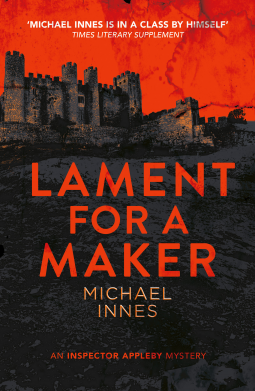
The Moonstone, like some of Collins’ others, has multiple narrators who take turns to tell their part of the story. I think Collins is the master of the ‘multiple narrator novel’, but another book written in the same format which really impressed me was Lament for a Maker by Michael Innes.

The title of this novel was inspired by the William Dunbar poem Lament For The Makers. A lot of books have titles taken from the world of poetry, but one of the first that came to mind when thinking of them was Alan Bradley’s I am Half-Sick of Shadows, which is a line from The Lady of Shalott by Tennyson.

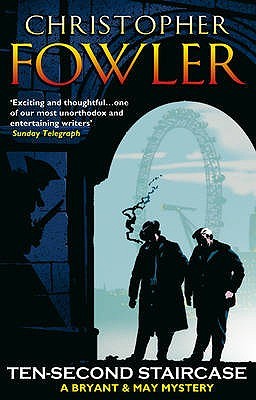
I am Half-Sick of Shadows is the fourth book in Bradley’s Flavia de Luce mystery series. There are now nine books in the series, but I haven’t read all of them yet. For my next link in the chain, I’ve chosen another book which is the fourth in a mystery series I haven’t finished reading: Ten-Second Staircase, a Bryant and May novel by Christopher Fowler. Unlike the Flavia books, which feature a ten-year-old detective, the Bryant and May mysteries have a detective duo who are in their eighties!

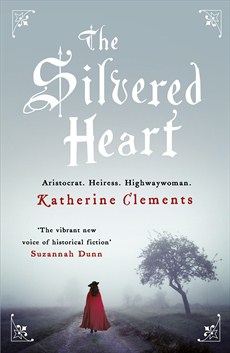
It’s been a few years since I read Ten-Second Staircase, so I had to look at my review to remind myself that it was about a killer known as The Highwayman. This leads me to my final book for this month – a novel about not a highwayman but a highwaywoman. Her name is Katherine Ferrers, or ‘the Wicked Lady’, and she is the heroine of The Silvered Heart by Katherine Clements, set in 17th century England.

I nearly didn’t take part in this month’s Six Degrees of Separation because I just couldn’t see how to get started with the first link, so I’m pleased that I did manage to put a chain together after all! In July, the starting point will be Tales of the City by Armistead Maupin – I haven’t read that book either, but I can already see several possible directions I could go in with that one!

Six Degrees of Separation: From The Poisonwood Bible to Why Didn’t They Ask Evans?

Sorry for the unannounced absence over the last week – I’ve been to Malta on holiday and didn’t get round to scheduling any posts before I left. Anyway, I’m back now and it’s time for another Six Degrees of Separation, hosted by Kate of Books are my Favourite and Best. The idea is that Kate chooses a book to use as a starting point and then we have to link it to six other books of our choice to form a chain. A book doesn’t have to be connected to all of the others on the list – only to the one next to it in the chain.

The first book this month is The Poisonwood Bible by Barbara Kingsolver. I have never read this book, but it is described as “the story of an American missionary family in the Congo during a poignant chapter in African history”.

Thinking of other books about missionary families, I’m going to link to a novel I remember really enjoying a few years ago: In a Far Country by Linda Holeman. It is set in India in the 19th century and the heroine, Pree Fincastle, is the daughter of two British missionaries living on a Church of England medical mission in Punjab.

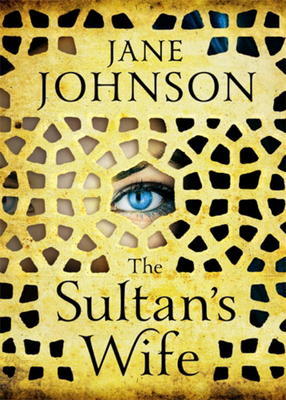
I’ve read most of Linda Holeman’s adult novels and enjoyed them all – the settings are always interesting and beautifully described. My favourite of her books is The Saffron Gate, which is set in Morocco in the 1930s. Morocco is not a country that has featured very often in my reading, but it does provide the setting for another book I loved: The Sultan’s Wife by Jane Johnson.

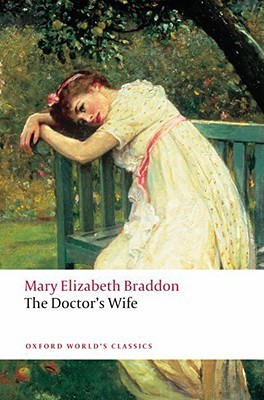
There are so many books around these days with the word “wife” in the title. Some that I have reviewed on my blog include The Aviator’s Wife, The Tea Planter’s Wife, The Tiger’s Wife and, most recently, The Pharmacist’s Wife. A much earlier example is Mary Elizabeth Braddon’s The Doctor’s Wife, a Victorian novel from 1864 with a similar plot and themes to Madame Bovary by Gustave Flaubert.

The image on the front cover of the Oxford World’s Classics version of The Doctor’s Wife is apparently called Faraway Thoughts by an unknown artist. Coincidentally, the same image has been used on the cover of one of my current reads, Friday’s Child by Georgette Heyer (although I am reading a different edition).

Friday’s Child, one of Heyer’s Regency romances, follows the early days of a marriage between two young people, Sherry and Hero. This brings to mind another funny and charming novel about a newly-married couple, Little Man, What Now? by Hans Fallada. I loved that book and really wish it was better known!

It’s unusual to find a book with a question mark in the title, but I can think of a few that I’ve read, including Why Didn’t They Ask Evans? by Agatha Christie. I really enjoyed that one – it’s a bit melodramatic and silly, but a lot of fun to read.

And that’s my chain for this month! Have you read any of these books?

Next month, the starting point will be The Tipping Point by Malcolm Gladwell, a book I’ve never read and know nothing about!

Six Degrees of Separation: From Memoirs of a Geisha to A Tale of Two Cities

It’s the first Saturday of the month, which means it’s time for another Six Degrees of Separation hosted by Kate of Books are my Favourite and Best. The idea is that Kate chooses a book to use as a starting point and then we have to link it to six other books of our choice to form a chain. A book doesn’t have to be connected to all of the others on the list – only to the one next to it in the chain.

The first book this month is Memoirs of a Geisha by Arthur Golden. I have never read it, but I know it is set in Japan.

Thinking about other books I’ve read that are also set in Japan, the first one to come to mind is Shogun by James Clavell, but I prefer to only link to books that I have actually reviewed on my blog. My next choice, then, is The Shogun’s Queen by Lesley Downer. I really enjoyed this novel about Atsu, wife of the Shogun Tokugawa Iesada.

The Shogun’s Queen was part of a quartet of novels, although I still haven’t read the other three in the series. Another quartet of novels I have started (but not finished) is Johan Theorin’s Öland Quartet, which begins with Echoes from the Dead.

These four crime novels are all set on the Swedish island of Öland, which is a very atmospheric setting, and each book takes place in a different season. The other two I have read are The Darkest Room and The Quarry. I don’t often read Scandinavian crime fiction, but apart from the Theorin books, another that I enjoyed was Burned by Norwegian author Thomas Enger.

The main character in Burned, Henning Juul, is a journalist. Journalism makes me think of a book I read recently and loved – Dear Mrs Bird by AJ Pearce, about a young woman who dreams of becoming a Lady War Correspondent but finds herself typing up letters for the problem page instead.

For my next link, I thought of other books I’ve read with ‘bird’ in the title and decided on Birdcage Walk by Helen Dunmore. This was Dunmore’s last novel before her death and although the story is set in England, the French Revolution is played out in the background.

I have read quite a few novels about the French Revolution so I had plenty of options for the last book in my chain. The one I’m going to choose is A Tale of Two Cities, which, so far, is my favourite Charles Dickens novel.

So, that’s my chain for this month! From Japan to France via Sweden, Norway and England. Have you read any of these books?

Next month, the starting point will be The Poisonwood Bible by Barbara Kingsolver, yet another book I haven’t read!

Six Degrees of Separation: From The Beauty Myth to Death in Venice

It’s the first Saturday of the month, which means it’s time for another Six Degrees of Separation hosted by Kate of Books are my Favourite and Best. The idea is that Kate chooses a book to use as a starting point and then we have to link it to six other books of our choice to form a chain. A book doesn’t have to be connected to all of the others on the list – only to the one next to it in the chain.

The first book this month is The Beauty Myth by Naomi Wolf. For the first time since I started taking part in Six Degrees in January, I haven’t read the starting book in the chain – and I have to confess that I hadn’t even heard of it. It seems that The Beauty Myth was originally published in 1990 and was “the bestselling classic that redefined our view of the relationship between beauty and female identity.” It sounds interesting, but is probably not a book I will ever read.

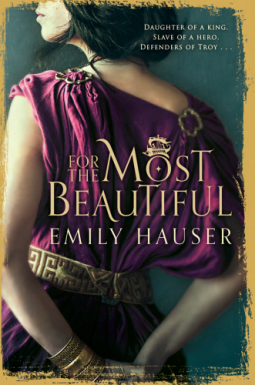
I struggled for a while trying to decide where to take the chain next, but in the end I went with another book with a ‘beautiful’ title: For the Most Beautiful by Emily Hauser. This is a novel based on Homer’s Iliad, retelling the story from a feminine perspective and focusing on two female characters – Krisayis and Briseis.

It’s the first of three books which form the Golden Apple trilogy, which brings me to my next link: books with an apple connection. I had two to choose from here – one was The Wilding by Maria McCann, about a 17th century cider-maker, but the book I’m going to include in my chain is At the Edge of the Orchard by Tracy Chevalier, the story of a family trying to establish an orchard in the Black Swamp of Ohio.

Another book with an orchard in the title (not one containing apples, though) is The Orchard of Lost Souls by Nadifa Mohamed. This is a novel set in 1980s Somalia, following the lives of three women as the country heads towards civil war.

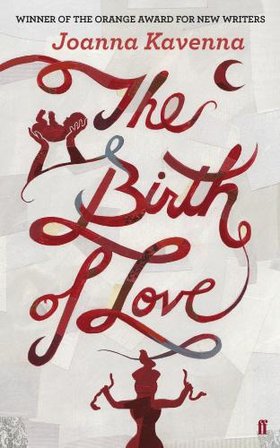
In 2013, Nadifa Mohamed was named one of Granta’s Best of Young British Novelists. Also nominated in the same year was Joanna Kavenna, who wrote The Birth of Love, a novel about childbirth and motherhood. This turned out not to be my sort of book, but I think a lot of readers would love it.

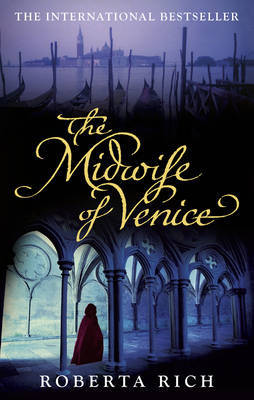
Staying on the subject of childbirth, the next link in my chain is to The Midwife of Venice by Roberta Rich. Set in 16th century Venice and Malta, this is the story of Hannah Levi, a Jewish midwife accused of witchcraft after assisting at a difficult birth.

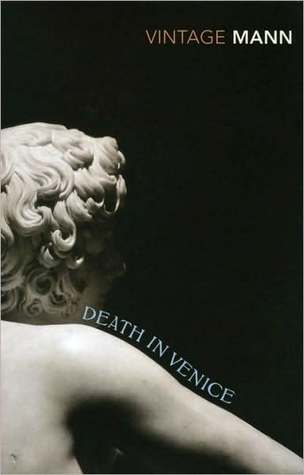
Venice is a wonderful place to visit and to read about. The book I have chosen to finish my chain is Death in Venice by Thomas Mann. I read it for German Literature Month in 2015 and although I didn’t love the book, I did love the atmospheric descriptions of Venice.

~

Have you read any of the books in my chain? What did you think of them?

Next month’s chain will begin with Memoirs of a Geisha by Arthur Golden, another book I haven’t read.

Six degrees of separation: Lincoln in the Bardo to The Ashes of London

I took part in Six Degrees of Separation hosted by Kate of Books are my Favourite and Best for the first time last month and enjoyed it, so I thought I’d try it again this month. The idea is that Kate chooses a book to use as a starting point and then we have to link it to six other books of our choice to form a chain. A book doesn’t have to be connected to all of the others on the list – only to the one next to it in the chain.

The first book this month is Lincoln in the Bardo by George Saunders, last year’s Booker Prize winner, which I read just before Christmas. With its unusual and experimental structure it wasn’t really my sort of book, but I did appreciate the originality and creativity.

In Lincoln in the Bardo, Abraham Lincoln visits Oak Hill Cemetery to grieve over the body of his eleven-year-old son, Willie. This brings to mind another book set in a cemetery: Pure by Andrew Miller. Pure is the story of a young engineer from Normandy who arrives in Paris to begin work on the destruction of the overcrowded and unsanitary cemetery of Les Innocents.

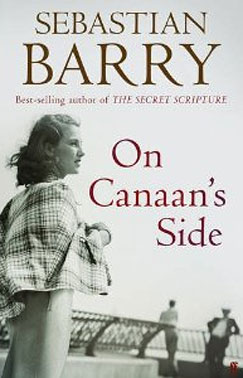
Pure appeared on the shortlist for the Walter Scott Prize in 2012. Another book shortlisted in the same year – the eventual winner, in fact – was On Canaan’s Side by Sebastian Barry. This beautifully written novel is narrated by Lilly, an elderly woman looking back on the eighty-nine years of her life.

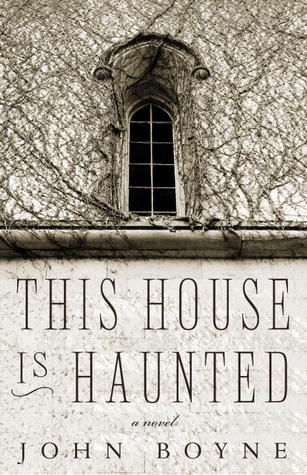
Sebastian Barry is one of my favourite Irish authors. Another Irish author I love is John Boyne and the first of his books that I read was This House is Haunted.

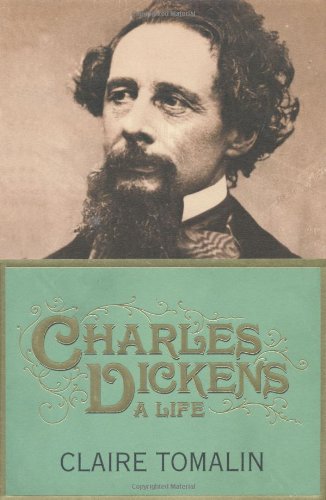
This House is Haunted is a wonderfully entertaining and atmospheric ghost story set in Victorian England. At the beginning of the book the narrator and her father go to watch a public reading by Charles Dickens. I could have chosen a Dickens novel as my next link, but instead I’m going to highlight Claire Tomalin’s biography, Charles Dickens: A Life.

Claire Tomalin has written several other biographies on subjects including Thomas Hardy, Jane Austen and Mary Wollstonecraft, but apart from the Dickens book the only other one I’ve read so far is Samuel Pepys: The Unequalled Self.

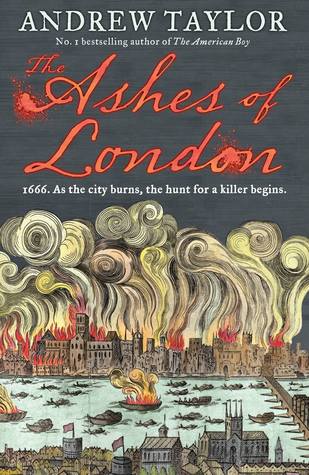
In his diary, Samuel Pepys famously wrote about the Great Fire of London of 1666. The fire provides the setting for The Ashes of London by Andrew Taylor. It’s the first in a series of historical mysteries, with the second book, The Fire Court, due to be published soon.

~

Have you read any of the books in my chain? What did you think of them?

Next month’s chain will begin with a book I haven’t read and know nothing about – The Beauty Myth by Naomi Wolf.

Six degrees of separation: The No.1 Ladies’ Detective Agency to The Time Machine

This is the first time I have participated in Six Degrees of Separation, hosted by Kate at Books Are My Favourite and Best. Every month we are given the title of a book as a starting point and the idea is to link it to six other books to form a chain. A book doesn’t have to be connected to all of the others on the list – only to the one next to it in the chain.

I’ve seen other bloggers taking part in this every month and it always looks fun, so I thought I would try it myself. I picked a good month for my first attempt, as the opening book in the chain is one that I read and enjoyed just last year: The No.1 Ladies’ Detective Agency by Alexander McCall Smith.

This is the first in a series of novels about Mma Precious Ramotswe, a woman who runs a detective agency in Botswana. Another book I remember enjoying which is also set in an African country is Cutting for Stone by Abraham Verghese.

Cutting for Stone tells the story of a surgeon’s twin sons who grow up in Addis Ababa, Ethiopia and are raised by two doctors from the local hospital. This brings to mind another book about a doctor: A Country Doctor’s Notebook by Mikhail Bulgakov.

This is a fascinating and surprisingly funny book about a young, newly qualified doctor working at a small hospital in a remote Russian village. It’s the second book I’ve read by Mikhail Bulgakov; I also loved The Master and Margarita.

I remember feeling intimidated at the thought of tackling The Master and Margarita…until I picked it up and started to read. What a wonderful, original, unusual novel it is!

My next link is to another book with the word Master in the title. Master of Shadows by Neil Oliver.

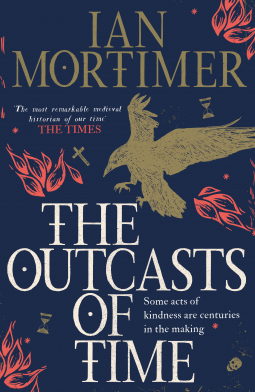
Set during the fall of Constantinople in 1453, Master of Shadows is the first novel by historian and TV presenter Neil Oliver. Another historian who has recently started to write fiction is Ian Mortimer, so the next book on my list is one that I read a few months ago – The Outcasts of Time.

The Outcasts of Time is the story of two brothers who travel forward in time from 1348 to 1942, stopping in each century to see how things have changed. I have read a lot of books which feature time travel, but the obvious choice to finish my chain is H.G. Wells’ classic The Time Machine.

I hope you’ve enjoyed my first Six Degrees of Separation! It has taken me from a detective agency in Botswana to a futuristic world, visiting Ethiopia, Russia and the Byzantine Empire along the way. I wonder where the chain will lead me next month, when we’ll be starting with Lincoln in the Bardo by George Saunders.

Have you read any of the books in my chain? What did you think of them?