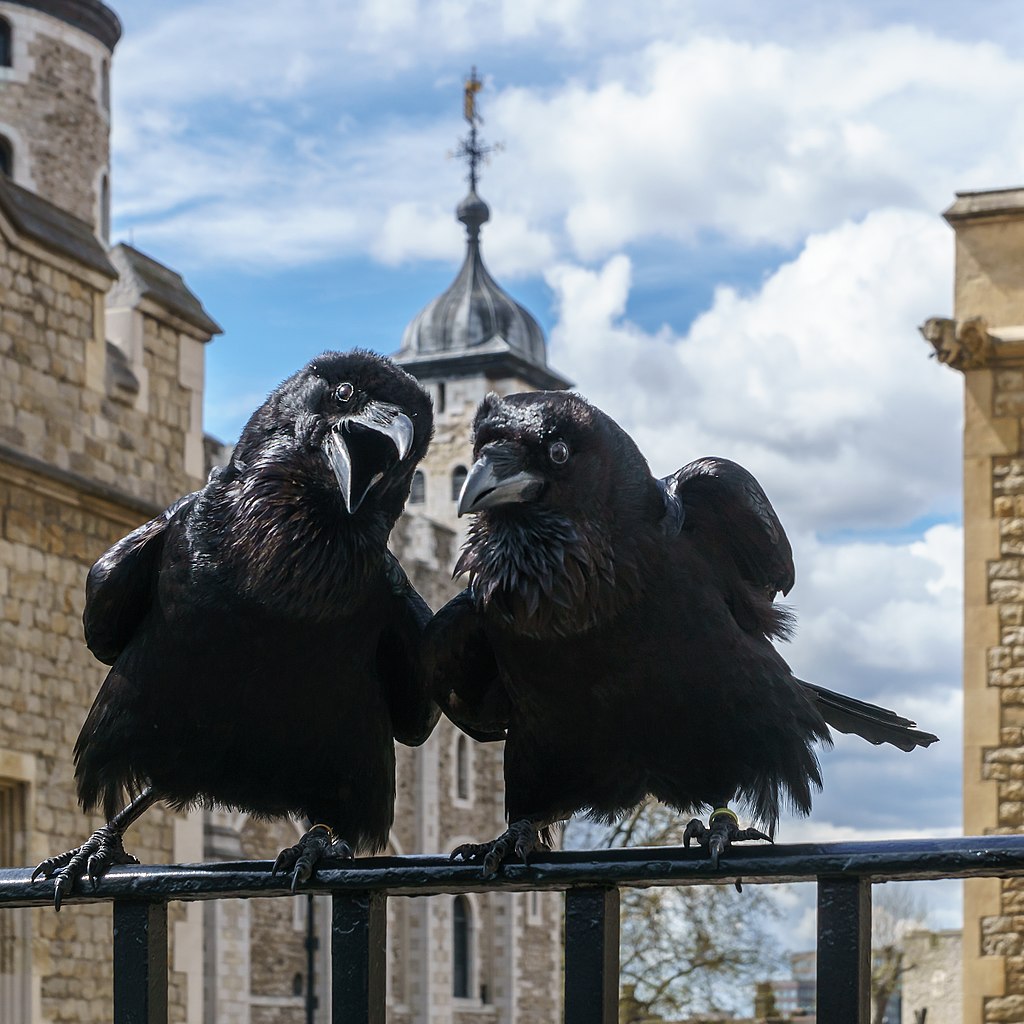
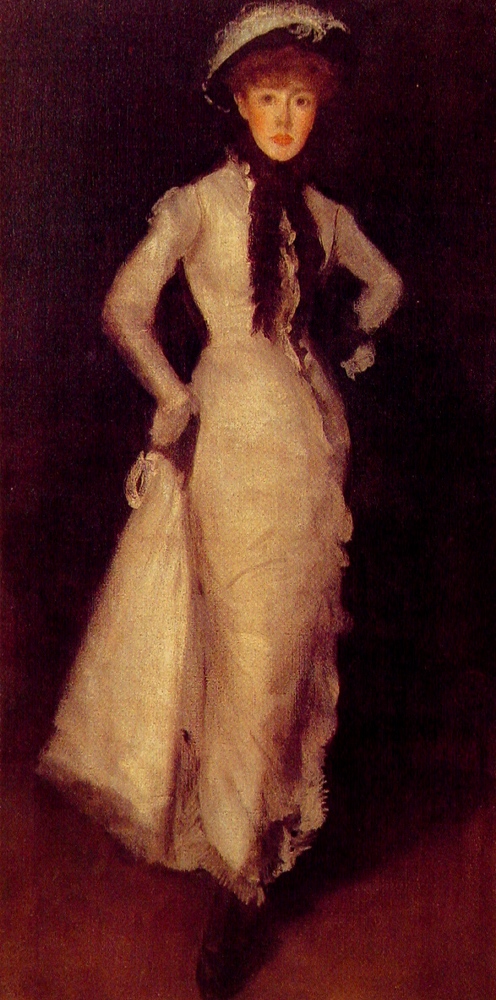
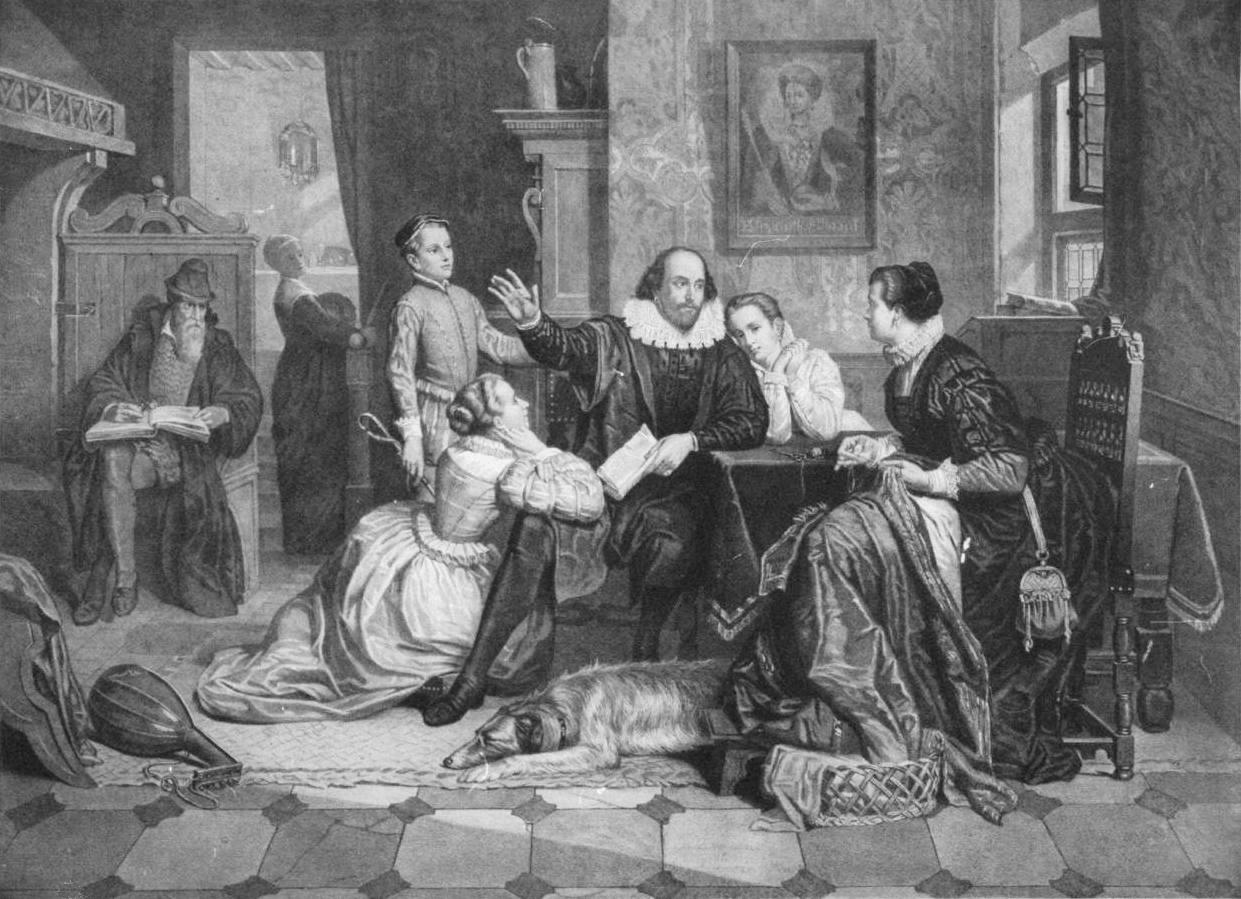
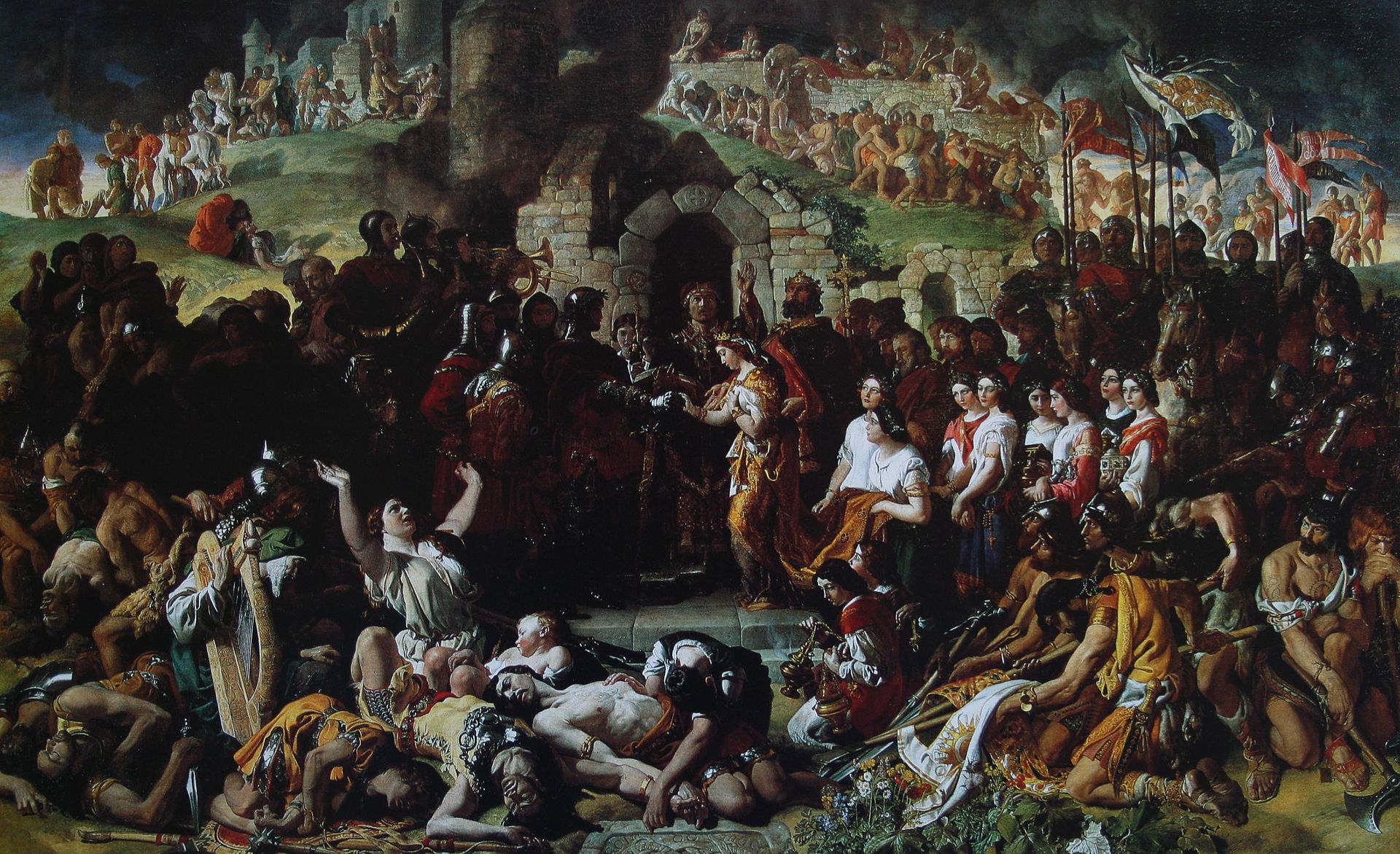
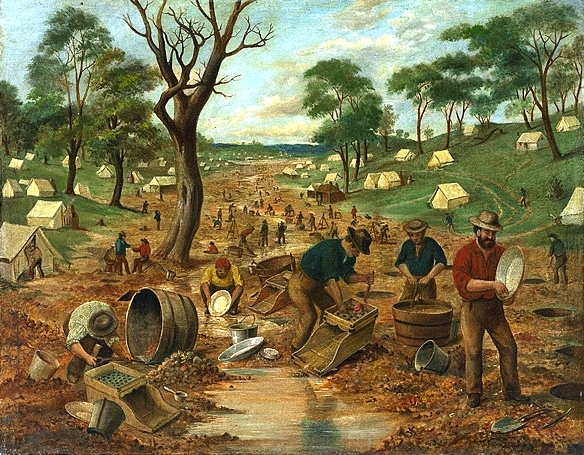
My Commonplace Book: October 2019

A selection of words and pictures to represent October’s reading:

commonplace book
noun
a book into which notable extracts from other works are copied for personal use.

~

This is one of the troubles and the wonders of childhood: you imagine things wrongly. And later, when the truth is known – assuming there is an absolute truth – the unwinding of the imagined thing is tangled, because the first image keeps on obstinately breaking through. You’re adrift in mystery and ambiguity.

Rosie: Scenes from a Vanished Life by Rose Tremain (2018)

~

The art of the murderer, my dear Maurot, is the same as the art of the magician. And the art of the magician does not lie in any such nonsense as “the hand is quicker than the eye”, but consists simply in directly your attention to the wrong place. He will cause you to be watching one hand, while with the other hand, unseen though in full view, he produces his effect. That is the principle I have applied to crime.

It Walks By Night by John Dickson Carr (1930)

~

The Milky Way, seen from La Silla Observatory

‘Ah, I perceive you think me weak in the extreme,’ he said, with just a shade of pique. ‘But you will never realize that an incident which filled but a degree in the circle of your thoughts covered the whole circumference of mine. No person can see exactly what and where another’s horizon is.’

Two on a Tower by Thomas Hardy (1882)

~

“Nonsense. Why can’t a painter paint something nice and cheerful to look at? Why go out of your way to look for ugliness?”

“Some of us, mon cher, see beauty in curious places.”

Five Little Pigs by Agatha Christie (1942)

~

‘Quite marvellous,’ the stranger replies with unexpected warmth. Iris feels a rush of love for this unfamiliar human, and for all of the people pressed around her. Everyone, with their worries and their joys and their loves and their frustrations, their tears and dreams and laughter – they are all gloriously alike.

The Doll Factory by Elizabeth Macneal (2019)

~

1898 illustration by John La Farge from the original Collier’s Weekly serialisation.

‘It’s beyond everything. Nothing at all that I know touches it.’

‘For sheer terror?’ I remember asking.

He seemed to say it was not so simple as that; to be really at a loss how to qualify it. He passed his hand over his eyes, made a little wincing grimace. ‘For dreadful — dreadfulness!’

‘Oh, how delicious!’ cried one of the women.

The Turn of the Screw by Henry James (1898)

~

‘Andy is a grower,’ said Jay earnestly. ‘He’s paid to grow things and growing things is what he’d want to do even if he wasn’t paid.’ He laughed, pleased with himself. ‘I call this the Hardie theory of happiness. You’re happy when what you are is the same as what you do.’

The Daughter of Hardie by Anne Melville (1988)

~

‘Taxes are high, Haith. Much higher than in the times of my father. What the King takes in taxes they cannot put on the table to feed their families.’

‘These are troubled times. The costs of Henry’s war in Normandy run high.’

‘You can see why Welsh farmers and tenants might struggle to see the relevance of that for them.’

Conquest: The Drowned Court by Tracey Warr (2017)

~

Large Blue butterfly

‘Remember, my darling, one man’s rubbish might be another man’s gold. But perhaps we are all beachcombers in a way,’ Daddy had said, squinting in the sun. ‘We keep seeking, hoping to find that elusive buried treasure that will enrich our lives, and when we pull up a teapot rather than a gleaming jewel, we must continue to search.’

The Butterfly Room by Lucinda Riley (2019)

~

‘Of the arrows the God of Love possesses, it is Frankness I prefer, because frankness is truly noble,’ said Bernadine. ‘The other arrows – Beauty, Simplicity, Courtesy, Company, Beau-Semblant – are the qualities in a woman that may injure a man’s heart while leaving his pride untouched. That woman may get herself a lover and never open her mouth. But the man who falls in love mostly by the wound of his lover’s frankness is enobled, for he accepts her enumeration of his faults, without doubting the loving spirit in which they are given; and she accepts his frankness in return.’

To Calais, in Ordinary Time by James Meek (2019)

~

Favourite books read in October:

Two on a Tower and The Daughter of Hardie

New authors read in October:

Elizabeth Macneal, James Meek

Countries visited in my October reading:

England, France, Wales, China

~

Have you read any of these books? Which books did you enjoy reading in October?

My Commonplace Book: September 2019

A selection of words and pictures to represent September’s reading:

commonplace book
noun
a book into which notable extracts from other works are copied for personal use.

~

‘What credulous creatures we are, really. We believe evidence as though it were gospel truth. And what is it really? Only the impression conveyed to the mind by the senses – and suppose they’re the wrong impressions?’

Partners in Crime by Agatha Christie (1929)

~

“So it will go,” Merriman said. “He will have a sweet picture of the Dark to attract him, as men so often do, and beside it he will set all the demands of the Light, which are heavy and always will be.”

The Dark is Rising by Susan Cooper (1973)

~

Illustration of a winged, fire-breathing dragon by Friedrich Justin Bertuch, 1806

She couldn’t decide if she was flattered or insulted. ‘It’s because he remembers so much more than the others. I sometimes think that age is based more on what you’ve done and what you remember than how old you are.’

Dragon Haven by Robin Hobb (2010)

~

Conscience? It struck me like a blow from a hunting whip, fine and cutting. What was conscience? A jackdaw, picking up one shiny object, then discarding it for another, whatever would suit the occasion. Or haphazardly collecting one bright stone after another, until it had a whole array of glittering trivia in its nest.

A Tapestry of Treason by Anne O’Brien (2019)

~

Leon Kryder had replied with an exposition of the greater burden of conformity to socially sanctioned behaviour patterns that American adolescents have to bear. Although the individual has a great deal of freedom, it is only freedom to enjoy the same sort of freedom as everybody else of that age and that group.

Death on a Quiet Day by Michael Innes (1956)

~

Aurora Borealis

‘Why wait?’ Bullmer shrugged. ‘One thing I’ve learned in business – now almost always is the right time. What feels like prudence is almost invariably cowardice – and someone else gets in there before you.’

The Woman in Cabin 10 by Ruth Ware (2016)

~

The truth is not so simple, I thought. The truth is that I am a man, from the soles of my feet to the top of my head. I have a man’s thoughts and a man’s desires. And yet, if you were to look at my skin, Mr Whitford, heaven forbid, you would think I was female. That would be your truth. Whose truth is more important, do you think: yours or mine?

The Anarchists’ Club by Alex Reeve (2019)

~

You spend months stalking a problem that constantly escapes. Then cover more ground in half a second than your brain can comprehend.

The Silver Pigs by Lindsey Davis (1989)

~

Favourite books read in September:

The Anarchists’ Club and The Dark is Rising

New authors read in September:

Lindsey Davis

Countries visited in my September reading:

England, Norway, Italy (Ancient Rome), the Realm of the Elderlings

~

Have you read any of these books? Which books did you enjoy in September?

My Commonplace Book: August 2019

A selection of words and pictures to represent August’s reading:

commonplace book
noun
a book into which notable extracts from other works are copied for personal use.

~

I didn’t believe in the supernatural – I should say that up front, Mr Wrexham. And so the legends of the house didn’t bother me at all; in fact the whole idea of nannies and servants driven out by mysterious spooky happenings seemed more than a little ridiculous – almost Victorian.
But the fact was that four women had left the Elincourts’ employment in the last year. Having the bad luck to engage one nervous, superstitious employee seemed quite likely. Getting four in a row seemed…less so.

The Turn of the Key by Ruth Ware (2019)

~

‘Show respect!’ The chief sheriff took a pace towards Shadwell and raised his hand to strike him again, but the bishop waved him back.

‘One does not burn knowledge! That is a show for the common folk. One hides knowledge – one keeps it close. The libraries of the church hold truths you cannot dream of, Shadwell.’

The Second Sleep by Robert Harris (2019)

~

‘I think I can deal with a couple of boys, thank you, Detective Finkel,’ she said. ‘They’re the ones that need worrying about, not me; they’ll go to bed without a bite to eat. They’ve spent all their pennies on fireworks.’

‘They’ll be happy, though,’ he paused. ‘Sometimes it’s good to follow your heart’s desires.’

The Canary Keeper by Clare Carson (2019)

~

Favourite book read in August:

The Turn of the Key

New authors read in August:

Ruth Ware, Clare Carson

Countries visited in my August reading:

Scotland, England

~

Have you read any of these books? Which books did you enjoy in August?

My Commonplace Book: July 2019

A selection of words and pictures to represent July’s reading:

commonplace book
noun
a book into which notable extracts from other works are copied for personal use.

~

Once your vision adjusts to the strange appearance of the rooms, you feel like a hard-boiled egg that has been dropped on the floor and is trying to roll uphill. It’s a feeling that’s difficult to imagine without having stayed at the mansion. The longer you stay, the more confused your mind becomes.

The lord of the manor, Kozaburo Hamamoto, was reputed to have had a lot of fun at his guests’ expense, watching them try to navigate his twisted home. Quite an expensive way to get some childish laughs.

Murder in the Crooked House by Soji Shimada (1982)

~

I haven’t always found that it is our intentions, the decisions we make, that shape and guide our lives. The opposite, just as often, it seems to me. Impulse creates our stories, or chance, the entirely unforeseen. And what we remember of our own past can be unpredictable.

A Brightness Long Ago by Guy Gavriel Kay (2019)

~

Ruins of Shaftesbury Abbey, destroyed during the Dissolution of the Monasteries.

It was Dorothy’s idea. She is a strange woman. ‘Not like other people’. That is what my father said about my mother. Perhaps Dorothy is indeed a witch, or could be. Perhaps my mother is a witch, or could be. Yet no one is ‘like other people’ once you really know them. If any one of us is a witch, then we are all witches.

The Butcher’s Daughter by Victoria Glendinning (2018)

~

‘So tell me, Dr Maxwell, if the whole of history lay before you like a shining ribbon, where would you go? What would you like to witness?’

‘The Trojan War,’ I said, words tumbling over each other. ‘Or the Spartans’ stand at Thermopylae. Or Henry at Agincourt. Or Stonehenge. Or the pyramids being built. Or see Persepolis before it burned. Or Hannibal getting his elephants over the Alps. Or go to Ur and find Abraham, the father of everything.’ I paused for breath. ‘I could do you a wish-list.’

Just One Damned Thing After Another by Jodi Taylor (2013)

~

Favourite book read in July:

The Butcher’s Daughter

New authors read in July:

Soji Shimada, Jodi Taylor, Victoria Glendinning

Countries visited in my July reading:

Japan, England, Egypt, a world very similar to Renaissance Italy

Progress made with 20 Books of Summer:

9/20 read and 7/20 reviewed.

~

Have you read any of these books? Which books did you enjoy in July?

My Commonplace Book: June 2019

A selection of words and pictures to represent June’s reading:

commonplace book
noun
a book into which notable extracts from other works are copied for personal use.

~

No one picks a friend for us; we come together by choice. We are not tied together through ceremony or the responsibility to create a son; we tie ourselves together through moments. The spark when we first meet. Laughter and tears shared. Secrets packed away to be treasured, hoarded and protected. The wonder that someone can be so different from you and yet still understand your heart in a way no one else ever will.

The Island of Sea Women by Lisa See (2019)

~

Malaya, with its mix of Malays, Chinese and Indians, is full of spirits: a looking-glass world governed by unsettling rules. The European werewolf is a man who, when the moon is full, turns his skin inside out and becomes a beast. He then leaves the village and goes into the forest to kill. But for the natives here, the weretiger is not a man, but a beast who, when he chooses, puts on a human skin and comes from the jungle into the village to prey on humans. It’s almost exactly the reverse situation, and in some ways more disturbing.

The Night Tiger by Yangsze Choo (2019)

~

Garibaldi during the siege of Rome

Let us seek Knowledge; – the rest may come and go as it happens.

Knowledge is hard to seek, and harder yet to adhere to.

Knowledge is painful often; and yet when we know we are happy.

Amours de Voyage by Arthur Hugh Clough (1849)

~

A sliver of light showed below, spilling across the uneven flagstones by the church door. Moonrakers, I thought. Who else would be so stealthy? I knew too that they hid their contraband in churches, using the supposed piety of the priest as cover for their criminality. I waited to see who it would be, whether I would recognise any of my father’s associates or even my father or brothers themselves.

The Woman in the Lake by Nicola Cornick (2019)

~

Mr. Satterthwaite thought: “What an extraordinary thing a voice is. The things it says – and the things it leaves unsaid and means!’

The Mysterious Mr Quin by Agatha Christie (1930)

~

“I only bid you have a care,” Jeffreys smiled; and his smile was more terrible than his frown. “Truth never wants a subterfuge; it always loves to appear naked; it needs no enamel nor any covering.”

The Historical Nights’ Entertainment by Rafael Sabatini (1917)

~

A scene from the Bayeux Tapestry

We all accept that the people who designed our cars knew about engines, suspension and steering, otherwise who would race off at 60 miles an hour in one? But academics tell their students the pleasure of history is that opinions are always changing, new theories floated. Unlike science, there are no inconvenient ‘facts’.

Decoding the Bayeux Tapestry by Arthur C. Wright (2019)

~

‘In the seventeenth century no one would ever have said of something that it was “just a story” as we moderns do. At that time people recognized that stories could tap into dimensions that were beyond the ordinary, beyond the human even. They knew that only through stories was it possible to enter the most inward mysteries of our existence where nothing that is really important can be proven to exist – like love, or loyalty, or even the faculty that makes us turn around when we feel the gaze of a stranger or an animal. Only through stories can invisible or inarticulate or silent beings speak to us; it is they who allow the past to reach out to us.’

Gun Island by Amitav Ghosh (2019)

~

He was a real person, the same as you and I. He had experiences that shaped him, dreams that inspired him and fears that drove him. More than anything else, it is a fact that King Richard III was a man of his times and should be judged as such.

Richard III: Fact and Fiction by Matthew Lewis (2019)

~

‘Speak up, my lady!’ bellowed the Lord Chief Justice.

Above all else, guard your heart, for everything you do flows from it.

The words of the proverb came to her suddenly, like a balm to her tormented soul. These men might direct her words, but her heart was her own to command.

The Devil’s Slave by Tracy Borman (2019)

~

Grace Darling at the Forfarshire by Thomas Musgrave Joy

He sees the surprise in my eyes. “Yes. The best. Look at these people – strangers – in our home, in our clothes, eating our food. Look at how they comfort and help each other. Look how much you care for Mrs Dawson and her children, all of whom you’d never even heard of until a few hours ago. There will always be someone willing to save us, Grace. Even a stranger whose name we don’t know. That is the very best of humanity. That is what puts my mind at ease on a day like today.”

The Lighthouse Keeper’s Daughter by Hazel Gaynor (2018)

~

Cromwell, sitting at the wheel, felt his skin crawl. In the Metropolitan Police Choir, of which he was an enthusiastic if indifferent baritone member, they were just polishing up a new piece called The Listeners, a poem by Walter de la Mare:

But only a host of phantom listeners
That dwelt in the lone house then
Stood listening in the quiet of the moonlight
To that voice from the world of men…

A Knife for Harry Dodd by George Bellairs (1953)

~

Never before have I realised how isolated one can feel in a throng of people. Everyone around me was singing and praying, unaware of what is happening. They have no idea there’s a devil in their midst. I’m the only one.

Wakenhyrst by Michelle Paver (2019)

~

Favourite books read in June:

The Island of Sea Women and The Devil’s Slave

New authors read in June:

Yangzse Choo, Arthur Hugh Clough, Matthew Lewis, George Bellairs, Michelle Paver, Arthur C. Wright, Hazel Gaynor

Countries visited in my June reading:

Malaya, Italy, South Korea, England, France, USA, Scotland, Spain, Sweden, India

Progress made with 20 Books of Summer:

7/20 books read but only 4/20 reviewed.

~

Have you read any of these books? Which books did you enjoy in June?

My Commonplace Book: May 2019

A selection of words and pictures to represent May’s reading:

commonplace book
noun
a book into which notable extracts from other works are copied for personal use.

~

‘I am come on a painful errand. I am sorry not to find you looking better.’

‘So you have said. But if it is painful, shall we not do best to get it over with? Hard things are best said quickly.’

The Adventurers by Jane Aiken Hodge (1965)

~

Then all at once she turned to me, her face pale, her eyes strangely alight. She said, ‘Is it possible to love someone so much, that it gives one a pleasure, an unaccountable pleasure to hurt them? To hurt them by jealousy I mean, and to hurt oneself at the same time. Pleasure and pain, an equal mingling of pleasure and pain, just as an experiment, a rare sensation?’

The Doll: Short Stories by Daphne du Maurier (2011)

~

James IV of Scotland

But this tantalising clue unfortunately does not lead to finding a full version of the tale that the king lived for three full years after Flodden. It is like a bookmark stuck between the leaves of a legend, imprinted with some of the words but not enough detail. Where was James supposed to be for those three years – on the road to Jerusalem perhaps, or in the dungeon of Home Castle? And how did he finally die?

The Afterlife of King James IV by Keith J. Coleman (2019)

~

And so the barge drives onwards, through the river din, for the river is wakening, quickening, as they pass. Sounds carried over the water: church bells, waterman’s oaths, paddles and thrumming steam-engines, children playing and the ever-present sound of the water-birds that fly overhead. Onwards drives the barge. Past quays and boatyards, warehouses and landing stages, houses and spires. Past ramshackle old public houses that teeter down to the water. Onwards drives the barge. Amid mail boats and passenger boats, paddle and screw steamers, rowing boats and skiffs, steam-yachts, steam-ferries and tugs. Watercraft of every size negotiating the beneficient, polluted, bottomless, shallow, fast-rushing, mud-slickened, under-towed Thames.

Things in Jars by Jess Kidd (2019)

~

Charles II performing the royal touch, said to cure scrofula or ‘the king’s evil’.

We exchanged glances, he and I, and I guessed that we were thinking along the same lines: that both of us took orders from people who preferred not to know precisely how their wishes were carried out, especially beforehand; that sometimes they preferred to hint at their desires to us rather than speak them plainly; and that in a manner of speaking we were their left hands, which operated in the dark, so their right hands might be seen to be spotlessly clean by the unforgiving light of day.

The King’s Evil by Andrew Taylor (2019)

~

A dog is a great promoter of friendly intercourse. Our interest and liking for Bob had quite broken down the natural stiffness of the good servant. As we went up to the bedroom floors, our guide was talking quite garrulously as she gave us accounts of Bob’s wonderful sagacity. The ball had been left at the foot of the stairs. As we passed him, Bob gave us a look of deep disgust and stalked down in a dignified fashion to retrieve it. As we turned to the right I saw him slowly coming up again with it in his mouth, his gait that of an extremely old man forced by unthinking persons to exert himself unduly.

Dumb Witness by Agatha Christie (1937)

~

The mourner banquets on memory; making that which seems the poison of life, its ailment. During the hours of regret we recall the images of departed joys; and in weeping over each tender remembrance, tears so softly shed embalm the wounds of grief.

The Scottish Chiefs by Jane Porter (1809)

~

The French Revolution. 1804 engraving of a painting by Jean-Louis Prieur.

My waking moments were bitter with remorse at the way in which I had abused my freedom when I had had it. One takes liberty for granted, and until it’s gone one doesn’t realise that one has been imprisoning oneself all the time.

The Way to the Lantern by Audrey Erskine Lindop (1961)

~

Favourite books read in May:

The Way to the Lantern, The King’s Evil, Dumb Witness and Things in Jars. Yes, four favourites this month!

New authors read in May:

Keith J. Coleman, Jess Kidd, Jane Porter, Audrey Erskine Lindop

Countries visited in May:

Scotland, England, Ireland, Germany, France

~

Have you read any of these books? Which books did you enjoy in May?

My Commonplace Book: April 2019

A selection of words and pictures to represent April’s reading:
commonplace book
noun
a book into which notable extracts from other works are copied for personal use.

~

‘Books were my companions,’ I said at last, raising my voice above the wind sweeping the leaves and her skirts. ‘And I am grateful I could learn something, no matter how I came to do so. It was a way to know that lives could change, that they could be filled with adventures. There were times I pretended I was a lady in a novel or a romance myself. It might sound foolish. But it made me feel a part of a world that otherwise I could never belong to.’

The Confessions of Frannie Langton by Sara Collins (2019)

~

‘I daresay there isn’t a better liked man in England, and as for you ladies – ! The caps that have been set at him! You will be the envy of every unmarried woman in town.’
‘Do you think so indeed, Papa? How delightful that would be! But perhaps I might feel strange and unlike myself. It wouldn’t be comfortable, not to be acquainted with myself.’

Sprig Muslin by Georgette Heyer (1956)

~

Margaret Tudor

Idleness was considered to be the gateway to sin and so the young Tudor princesses were never for a moment left to their own devices, but rather provided with a constant round of activities such as needlework, which could be picked up whenever they had any spare time to fill. Although they undoubtedly had some toys, such as the usual dolls – in Margaret’s case as elaborately painted and dressed as any court lady – and carved wooden figures, right from the start their activities were all designed to prepare them for a useful and productive adulthood.

Margaret Tudor by Melanie Clegg (2019)

~

Moreover, I have very strong views on the subject. I believe that an author who cannot control his characters is, like a mother who cannot control her children, not really fit to look after them.

The Return of Mr Campion by Margery Allingham (1989)

~

What I’m saying is, I had secrets of my own, and I kept other people’s. People tended to tell me things; I think they thought I was a safe bet, not because they were interested in me, but because they were so interested in themselves. That’s how it is, you see. Some people consider themselves to be the stars of life, and they relegate everyone else to the shadows at the back of the dress circle.

After the Party by Cressida Connolly (2018)

~

Portrait of Casanova by Alessandro Longhi

‘Because, Mademoiselle, if thoughts are not allowed to circulate freely, there can be no other freedom. But those in power do not wish it, because the more people think, the more learning and intelligence they acquire, and that flies in the face of their leaders’ plans for their subjugation.’

Casanova and the Faceless Woman by Olivier Barde-Cabuçon (2012)

~

“I believe everything out of the common. The only thing to distrust is the normal.”

The Thirty-Nine Steps by John Buchan (1915)

~

If he could last another year or so, they might give him his Wooden Foil with the silver guard, and he would be free. But his mind never got beyond the first triumphant moment of gaining his freedom, any more than it got beyond the sting of the death blow, because he had been born a slave and knew no more of what it would be like to be free than he knew of what it would be like to die.

The Mark of the Horse Lord by Rosemary Sutcliff (1965)

~

But the truth isn’t solid, like the earth; she knows that now. The truth is water, or steam; the truth is ice. The same tale might shift and melt and reshape at any time.

The Glass Woman by Caroline Lea (2019)

~

Mevagissey (the inspiration for Trewissick in the novel)

“First of all, you have heard me talk of Logres. It was the old name for this country, thousands of years ago; in the old days when the struggle between good and evil was more bitter and open than it is now. That struggle goes on all round us all the time, like two armies fighting. And sometimes one of them seems to be winning and sometimes the other, but neither has ever triumphed altogether. Nor ever will,” he added softly to himself, “for there is something of each in every man.”

Over Sea, Under Stone by Susan Cooper (1965)

~

He paused by the table as she chopped the herbs, then scraped the leaves and stems together and chopped them in the opposite direction. Bianca sensed his thoughts were still elsewhere, and she let him be.

It occurred to her that companionship exists in these small moments. Moments spent in thought, isolated, secret and silent. They string together and make a lifetime of partnership.

The Alchemist of Lost Souls by Mary Lawrence (2019)

~

‘No. The South Seas. I know that. That’s exciting enough to start with, while I’m learning to explore.’

‘You don’t learn to explore, boy. You explore in order to learn.’

Gordon puzzled over this and failed to understand.

The House of Hardie by Anne Melville (1987)

~

Favourite books read in April:

Sprig Muslin and Over Sea, Under Stone

New authors read in April:

Sara Collins, Melanie Clegg, Susan Cooper, Olivier Barde-Cabuçon, Cressida Connolly, Caroline Lea, Mary Lawrence, Anne Melville, John Buchan

Countries visited in April:

England, Jamaica, Scotland, France, Iceland, China

~

Have you read any of these books? Which books did you enjoy in April?